The Aquatic Environment and Cellular Responses
Swimming presents a unique form of exercise that engages multiple physiological systems simultaneously. Unlike terrestrial activities, the aquatic environment creates distinctive conditions that influence how our cells respond to physical stress. The hydrostatic pressure of water, combined with the cooling effect of thermal conductivity, creates a specific metabolic environment that researchers have found to impact redox signalling pathways in fascinating ways.
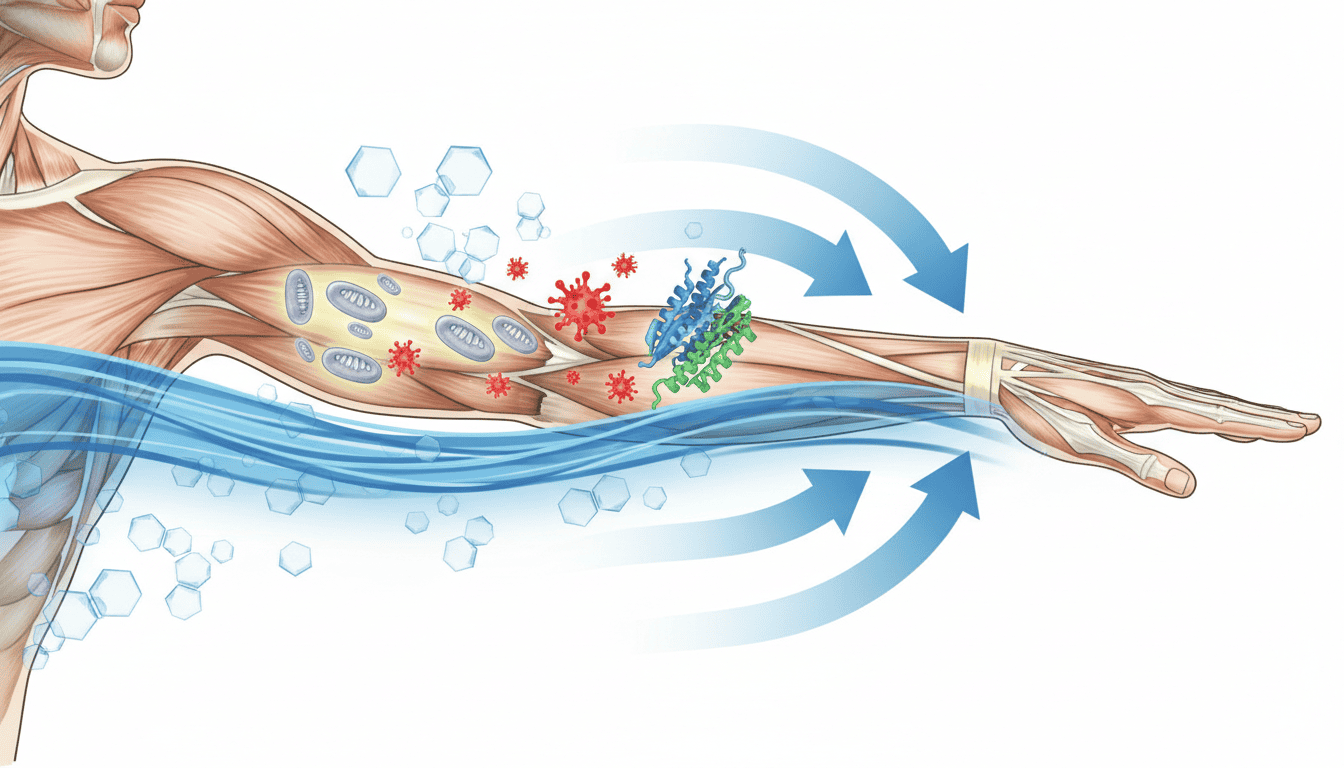
When the body is immersed in water, several physiological adaptations occur immediately. Blood flow patterns shift, with increased venous return due to hydrostatic pressure. This redistribution affects oxygen delivery to tissues and subsequently influences the production of reactive oxygen species (ROS) at the cellular level. The temperature differential between body heat and water also plays a crucial role in determining the intensity of oxidative stress responses during aquatic exercise.
Oxidative Stress Patterns in Pool-Based Exercise
Research into swimming’s effects on cellular redox balance reveals patterns distinct from land-based activities. The sustained nature of swimming, combined with the increased work of breathing against water pressure, creates specific oxidative stress signatures. Studies have shown that swimmers experience elevated markers of ROS production during training, but these increases follow different temporal patterns compared to running or cycling.
The chlorinated environment of most swimming pools adds another layer of complexity to redox responses. Chlorine and its byproducts can interact with the respiratory system and skin, potentially influencing antioxidant defence mechanisms. However, regular exposure appears to trigger adaptive responses in antioxidant enzyme systems, suggesting that trained swimmers develop enhanced cellular protection mechanisms over time.
Interestingly, the buoyant properties of water reduce mechanical stress on joints and muscles, which typically contributes to exercise-induced oxidative damage in weight-bearing activities. This reduction in mechanical trauma may explain why swimmers often show different inflammatory response profiles compared to athletes in high-impact sports.
Antioxidant Adaptations in Competitive Swimmers
Long-term swimming training appears to promote robust antioxidant adaptations at the cellular level. Competitive swimmers consistently demonstrate elevated baseline levels of key antioxidant enzymes, including catalase, superoxide dismutase, and glutathione peroxidase. These enzymatic adaptations represent the cellular machinery becoming more efficient at neutralising potentially harmful reactive species.
The training volume typical in competitive swimming programmes creates a unique adaptive stimulus. The combination of high-intensity intervals with longer endurance sessions provides varied oxidative challenges that appear to optimise antioxidant responses. Research suggests that this varied training stress promotes more comprehensive antioxidant adaptations than single-intensity exercise protocols.
Additionally, the increased lung capacity and enhanced oxygen utilisation efficiency developed through swimming training may contribute to more controlled ROS production during exercise. Better oxygen management at the mitochondrial level could explain why experienced swimmers often maintain better redox balance during intense training periods compared to less conditioned individuals.
Recovery and Redox Rebalancing After Aquatic Exercise
The post-exercise recovery period reveals important insights about swimming’s impact on cellular redox status. The cooling effect of water during exercise appears to influence the inflammatory cascade that typically follows intense physical activity. Some research suggests that the combination of exercise stress and cold water exposure may accelerate certain recovery processes through enhanced antioxidant enzyme activity.
Hydration status also plays a crucial role in post-swimming redox recovery. Despite being surrounded by water, swimmers can experience significant fluid losses through sweating and increased respiratory water loss. Proper hydration supports optimal antioxidant function and helps maintain the delicate balance between ROS production and neutralisation during recovery.
The timing of antioxidant marker changes after swimming sessions differs notably from other exercise forms. While immediate post-exercise oxidative stress markers may be elevated, the return to baseline levels often occurs more rapidly in swimmers, possibly due to the enhanced antioxidant capacity developed through regular training adaptations.
Age-Related Considerations in Swimming and Redox Function
The relationship between swimming and redox balance appears to vary significantly across different age groups. In younger swimmers, the adaptive responses to training-induced oxidative stress typically lead to robust improvements in antioxidant capacity. However, the ageing process introduces additional complexity to these relationships.
Masters swimmers, those continuing competitive swimming into middle age and beyond, present an interesting model for studying exercise and redox balance over time. Research suggests that continued swimming participation may help maintain more youthful antioxidant profiles compared to sedentary age-matched controls. However, the recovery capacity and adaptation rates do show age-related changes, requiring modified training approaches to optimise redox outcomes.
The low-impact nature of swimming makes it particularly valuable for older adults seeking to maintain cardiovascular fitness without excessive oxidative stress. The aquatic environment allows for significant cardiovascular challenge while minimising the inflammatory responses associated with high-impact activities that can overwhelm antioxidant systems in ageing individuals.
Understanding how swimming influences redox signalling pathways provides valuable insights into the broader relationship between exercise and cellular health. The unique physiological demands of aquatic exercise create distinct patterns of oxidative stress and antioxidant adaptation that contribute to our growing knowledge of how different forms of physical activity support optimal cellular function. This research continues to inform our understanding of exercise prescription for promoting long-term cellular resilience and maintaining the delicate balance of redox signalling systems that are fundamental to health and performance.

Matt Elliott is the editor of Redox News Today, an independent publication covering peer-reviewed research on cellular health, redox signalling, and related biomedical science.