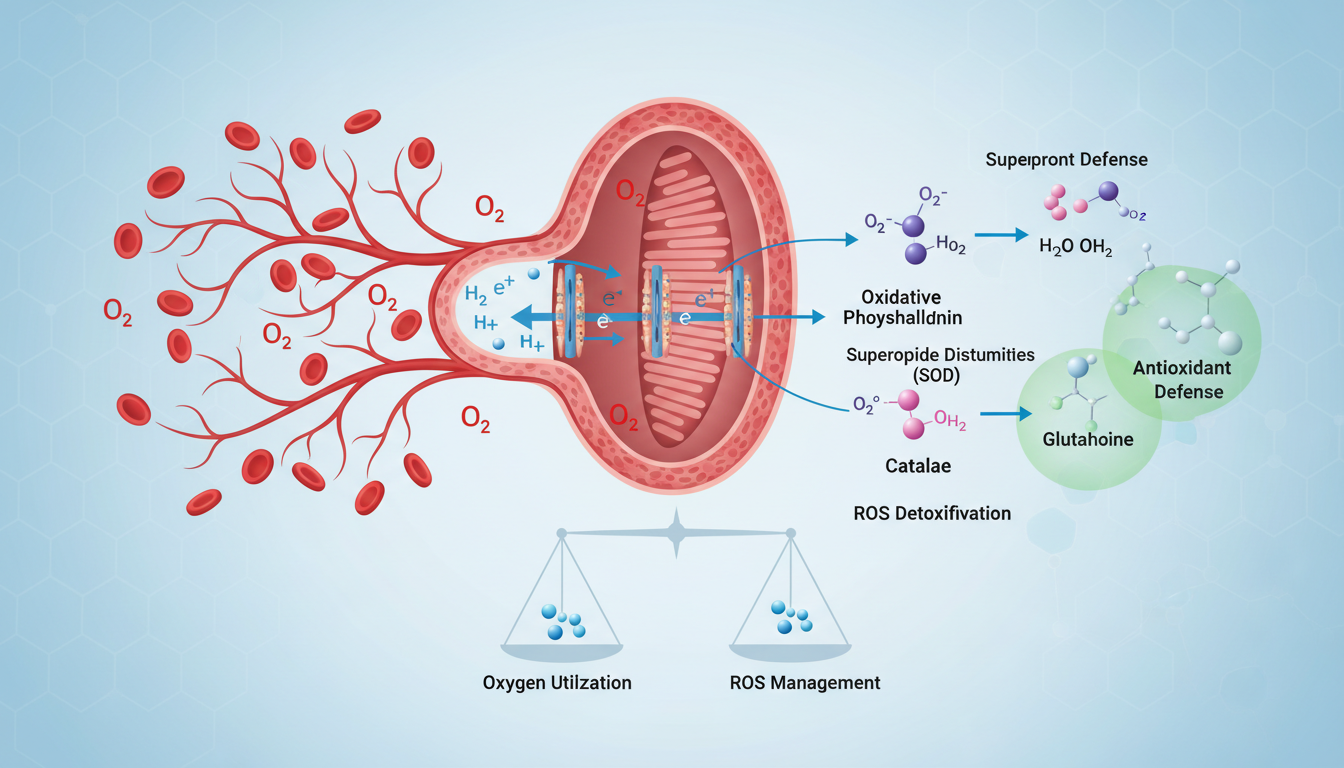
Your heart beats roughly 100,000 times every day, and with each contraction, billions of cardiac muscle cells perform a delicate chemical balancing act. They need oxygen to generate energy, but oxygen also creates reactive molecules that can damage the very cells that depend on it. This paradox sits at the centre of how hearts stay healthy or become diseased.
What is redox balance in heart cells
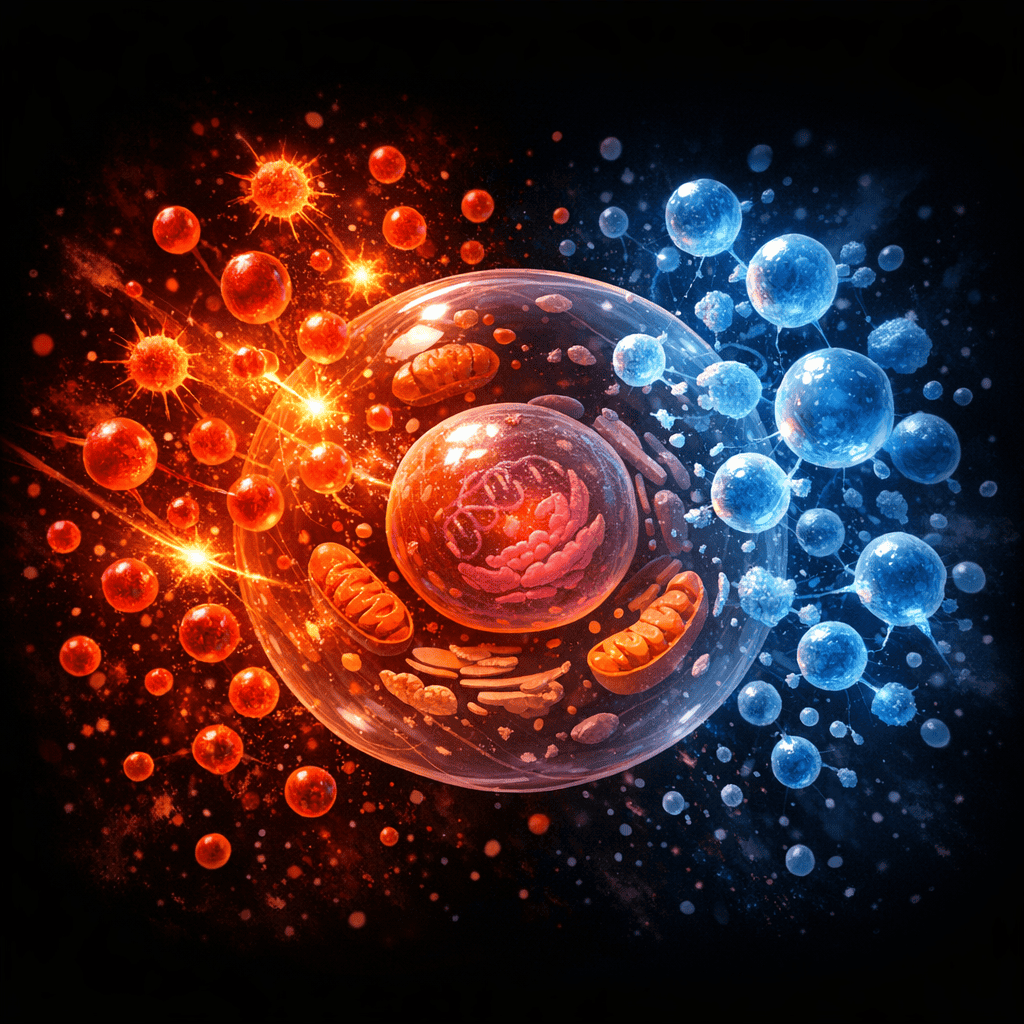
Redox balance refers to the equilibrium between oxidising molecules (like reactive oxygen species) and the antioxidant systems that neutralise them. In heart cells, this balance determines whether cellular machinery runs smoothly or starts breaking down.
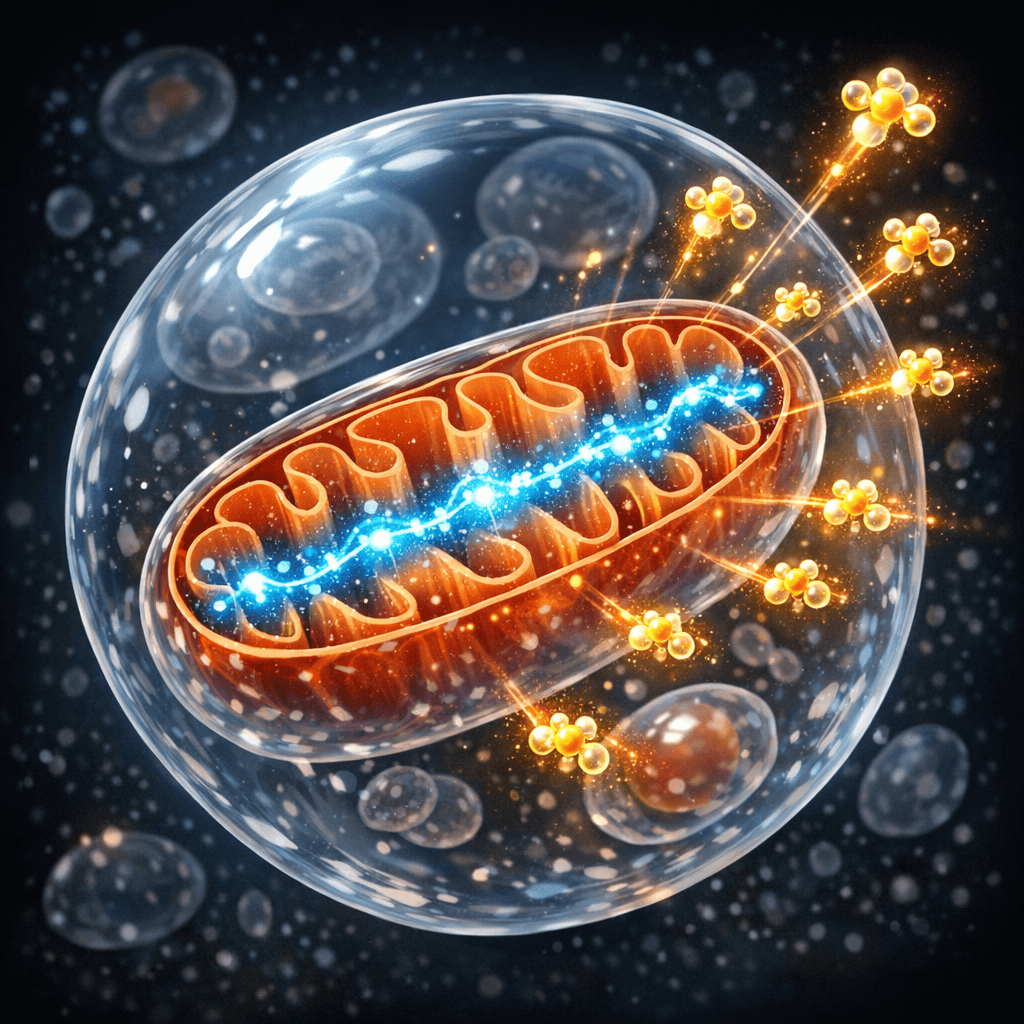
Heart muscle cells are metabolic powerhouses. They contain more mitochondria than almost any other cell type because they need constant energy to keep pumping blood. But mitochondria produce reactive oxygen species as a byproduct of energy generation. These molecules can oxidise proteins, lipids, and DNA if left unchecked.
Cells counter this threat with antioxidant enzymes like superoxide dismutase, catalase, and glutathione peroxidase. They also produce small molecule antioxidants like glutathione. When production of reactive species matches antioxidant capacity, cells maintain redox balance. When this equilibrium shifts, problems begin.
What the research shows
Studies of heart tissue reveal that redox imbalance appears in multiple cardiac conditions. Researchers have found elevated markers of oxidative damage in heart muscle from people with heart failure, coronary artery disease, and cardiac hypertrophy.
Animal studies show what happens when researchers deliberately disrupt redox balance. Mice with reduced antioxidant enzyme activity develop enlarged hearts and show signs of accelerated cardiac ageing. Their heart cells accumulate damaged proteins and show impaired energy production.
The timing matters too. During a heart attack, blood flow stops and reactive oxygen species accumulate. But the real damage often occurs when blood flow returns and oxygen floods back into oxygen-starved cells. This reperfusion creates an oxidative burst that can kill cells that survived the initial oxygen deprivation.
Researchers have also discovered that some reactive oxygen species act as signalling molecules in healthy hearts. Hydrogen peroxide, for example, helps coordinate the electrical signals that synchronise heart contractions. This suggests the relationship between oxidative stress and heart health is more nuanced than simply “antioxidants good, oxidants bad.”
Why cells need this balance
The heart’s unique physiology makes redox balance essential for survival. Cardiac muscle never stops working, unlike skeletal muscle that can rest between contractions. This constant activity requires continuous energy production and creates a steady stream of potentially damaging byproducts.
Heart cells also live for decades without replacing themselves. While other tissues can replace damaged cells relatively quickly, heart muscle has limited regenerative capacity. This means cardiac cells must maintain their cellular machinery for the long haul, making damage prevention more critical than in rapidly dividing tissues.
The electrical conduction system adds another layer of complexity. Heart cells must respond to electrical signals in precise timing to create coordinated contractions. Oxidative damage to ion channels or gap junctions between cells can disrupt this coordination, leading to dangerous arrhythmias.
What affects cardiac redox balance
Age is perhaps the most significant factor. Older hearts show reduced antioxidant enzyme activity and increased markers of oxidative damage. The mitochondria in aged cardiac cells become less efficient and produce more reactive oxygen species relative to the energy they generate.
Physical activity influences redox balance in complex ways. Regular exercise initially increases oxidative stress but ultimately strengthens antioxidant defences. Sedentary lifestyles, by contrast, lead to weaker antioxidant systems that struggle to handle even normal levels of reactive species.
Diet plays a role through multiple pathways. High-fat, high-sugar diets can overwhelm cellular antioxidant systems. Conversely, foods rich in polyphenols and other plant compounds can support cellular antioxidant defences, though the mechanisms are still being worked out.
Environmental factors matter too. Air pollution, smoking, and exposure to certain chemicals can tip the redox balance toward oxidative stress. Sleep disruption and psychological stress also affect cellular redox status through hormonal pathways.
What remains unknown
Scientists are still figuring out how to measure redox balance accurately in living hearts. Current biomarkers often reflect damage that has already occurred rather than the dynamic balance between oxidising and reducing forces in real time.
The role of reactive oxygen species as signalling molecules complicates treatment approaches. If cells use these molecules for normal communication, completely suppressing them might cause problems. Researchers are trying to understand which oxidative processes are harmful versus beneficial.
Individual variation presents another puzzle. Some people seem more susceptible to oxidative damage than others, even under similar conditions. Genetic factors likely play a role, but scientists haven’t identified all the relevant genes or how they interact with environmental influences.
The timing of interventions remains unclear too. At what point does normal oxidative metabolism become problematic? How early can researchers detect redox imbalance before irreversible damage occurs?
Understanding how heart cells manage their oxygen chemistry reveals why cardiac health depends on such precise biological control systems. The heart’s constant work creates an ongoing challenge that cells have evolved sophisticated mechanisms to handle. This research highlights how cellular health emerges from the successful management of fundamental chemical processes that have been running in our cells for millions of years.

Matt Elliott is the editor of Redox News Today, an independent publication covering peer-reviewed research on cellular health, redox signalling, and related biomedical science.