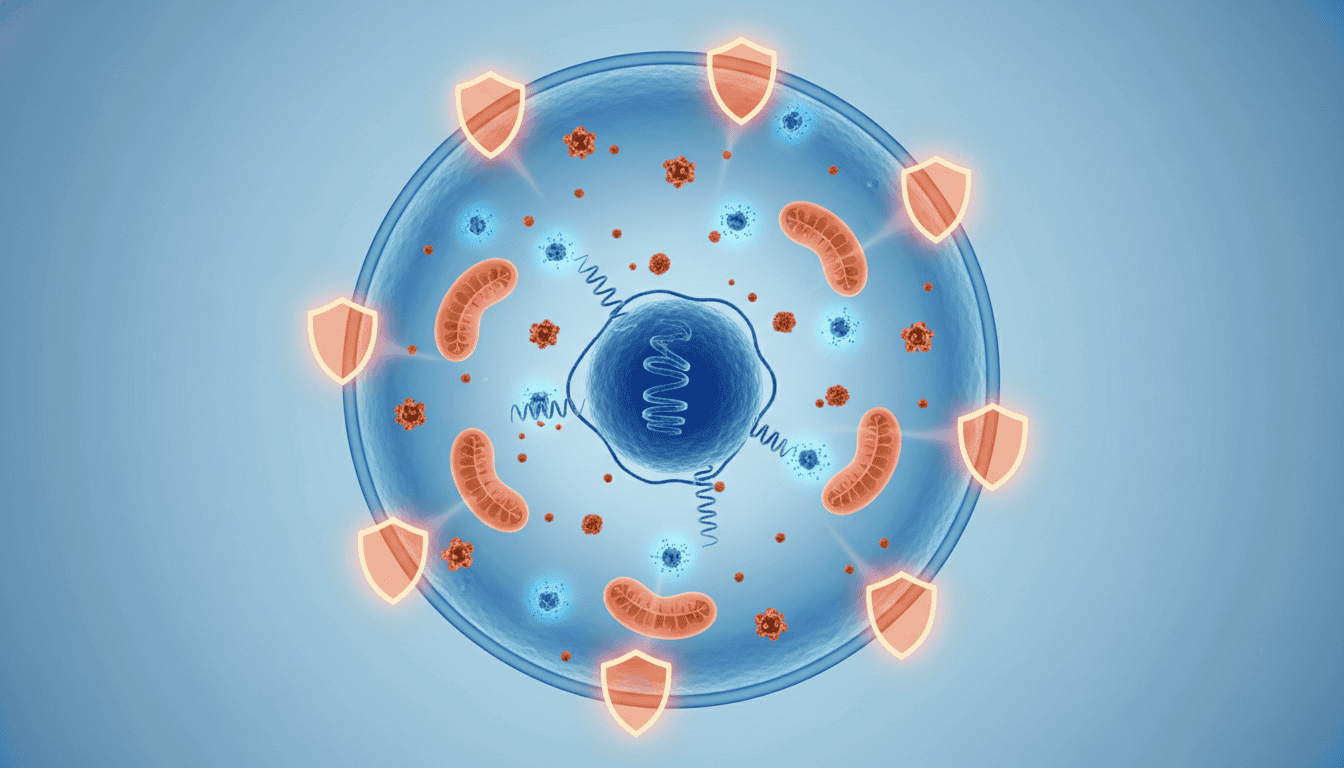
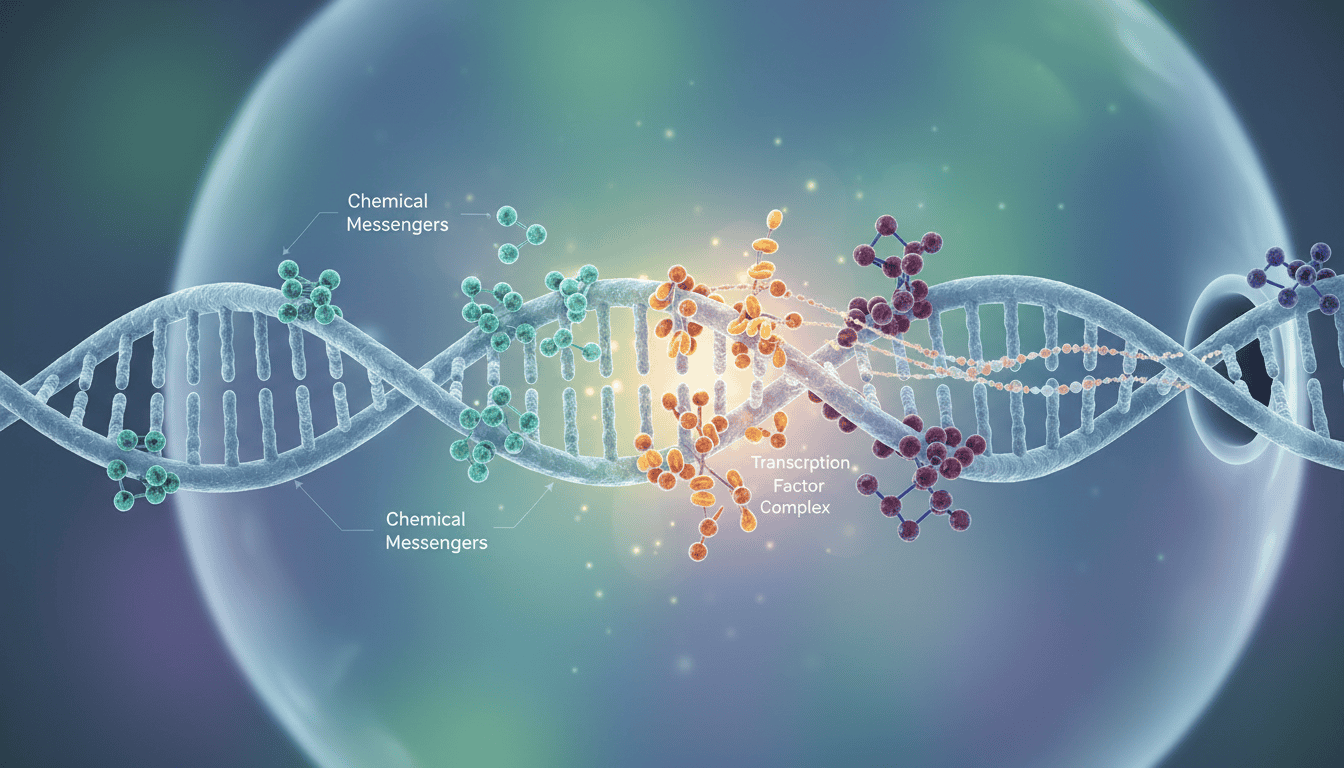
Your cells are constantly deciding which genes to activate and which to silence. It’s a split-second process that happens thousands of times each day, influenced by everything from the oxygen you breathe to the food you eat. What makes these decisions possible? A sophisticated network of chemical messengers called redox signalling molecules that act like molecular switches, flicking genes on and off based on what your cells need right now.
What is redox signalling in gene expression
Redox signalling molecules are chemical compounds that form when electrons jump between atoms during normal cellular processes. Think of them as the cell’s internal communication system. When your cells burn fuel for energy, process toxins, or respond to stress, they produce these molecules as natural byproducts.
These aren’t random chemical accidents. Hydrogen peroxide, nitric oxide, and other redox molecules carry specific information about what’s happening inside and around your cells. When they encounter proteins that control gene activity, they can modify these proteins in ways that change which genes get switched on.
The process works through oxidation and reduction reactions. A redox molecule might add an oxygen atom to a protein or steal electrons from it, changing the protein’s shape and function. It’s like inserting a key into a lock, except the key chemically alters the lock itself.
What the research shows
Scientists have mapped dozens of pathways where redox molecules directly influence gene activity. When cells experience oxidative stress, hydrogen peroxide accumulates and modifies a protein called NRF2. This modification allows NRF2 to enter the cell nucleus and activate over 200 genes involved in antioxidant defence.
Nitric oxide demonstrates another mechanism. This simple molecule can modify proteins through a process called S-nitrosylation, where it attaches to specific amino acids. Researchers have found this modification on transcription factors that control inflammation genes, effectively turning down inflammatory responses when nitric oxide levels rise.
The timing matters enormously. These modifications often happen within minutes of a stimulus. When immune cells detect bacteria, redox signalling molecules help switch on inflammatory genes almost immediately. When the threat passes, different redox signals help switch those same genes back off.
Laboratory studies reveal that cells can distinguish between different types of oxidative stress based on which redox molecules are produced and where they appear. A brief spike in hydrogen peroxide near mitochondria triggers different gene responses than sustained elevation throughout the cell.
Why cells need this system
Gene expression needs to be fast and flexible. Your cells can’t wait hours for complex signalling cascades when they’re under immediate threat from toxins or pathogens. Redox signalling provides a direct line from cellular conditions to gene activity.
This system also allows for proportional responses. Higher levels of oxidative stress produce more signalling molecules, which can activate more genes or activate them more strongly. It’s like having a volume control rather than just an on-off switch.
The chemistry makes biological sense too. Redox reactions are fundamental to life, happening continuously as cells generate energy and maintain themselves. Evolution co-opted these existing chemical processes to carry information, creating a signalling system that’s intimately connected to cellular metabolism.
Multiple redox molecules can work together to fine-tune gene responses. One molecule might sensitise a gene to activation while another provides the activation signal itself. This layered control helps prevent inappropriate gene activation that could harm the cell.
What affects redox gene signalling
Age changes how cells respond to redox signals. Older cells often show dampened responses to oxidative stress, partly because the proteins involved in redox signalling accumulate damage over time. This can leave genes under-responsive when they need to activate protective programs.
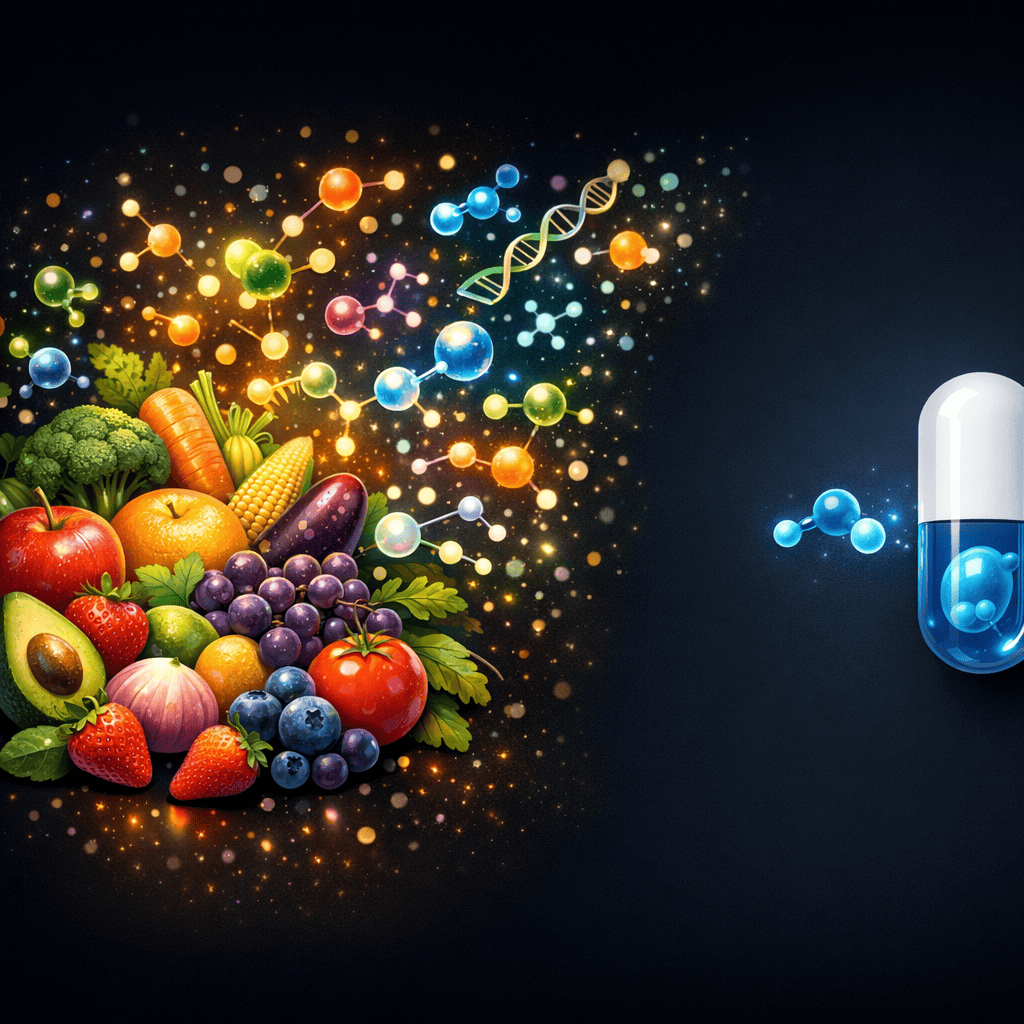
Diet influences the raw materials available for redox signalling. Antioxidants from food can scavenge signalling molecules, potentially reducing gene activation. But the relationship isn’t straightforward because some antioxidants also support the enzymes that generate signalling molecules.
Exercise creates controlled oxidative stress that triggers redox-mediated gene activation. Regular physical activity appears to enhance cells’ ability to mount appropriate gene expression responses to future stressors.
Environmental factors like air pollution and radiation increase background levels of reactive molecules, which can interfere with normal signalling patterns. Chronic elevation of redox molecules may desensitise the system, similar to how constant noise makes it harder to hear important sounds.
Sleep and circadian rhythms affect many of the enzymes involved in producing and clearing redox signalling molecules, creating daily fluctuations in how responsive genes are to these signals.
What remains unknown
Scientists are still mapping the full network of redox-regulated genes. New targets are discovered regularly, and researchers suspect many more remain unidentified. The challenge is distinguishing between direct effects of redox molecules on gene expression and indirect effects that happen downstream.
The spatial aspects of redox signalling puzzle researchers. How do cells coordinate redox signals occurring in different cellular compartments? Why do some redox molecules need to be produced right next to their target genes while others can act at a distance?
Individual variation in redox signalling remains poorly understood. Some people’s cells may be naturally more responsive to these signals, but we don’t know what determines this sensitivity or how it changes over a lifetime.
The interplay between different redox molecules creates enormous complexity. Cells simultaneously produce multiple signalling molecules that can enhance, inhibit, or modify each other’s effects on gene expression. Mapping these interactions will take years of research.
Your genes aren’t fixed instruction manuals but dynamic, responsive systems constantly adjusting to cellular conditions. Redox signalling molecules serve as one of the primary ways cells translate their immediate chemical environment into appropriate gene activity. Understanding this system reveals how intimately connected our cellular chemistry is to the fundamental process of gene expression, showing that the line between metabolism and gene control is far blurrier than once thought.

Matt Elliott is the editor of Redox News Today, an independent publication covering peer-reviewed research on cellular health, redox signalling, and related biomedical science.