The Cellular Response to Cold Water Immersion
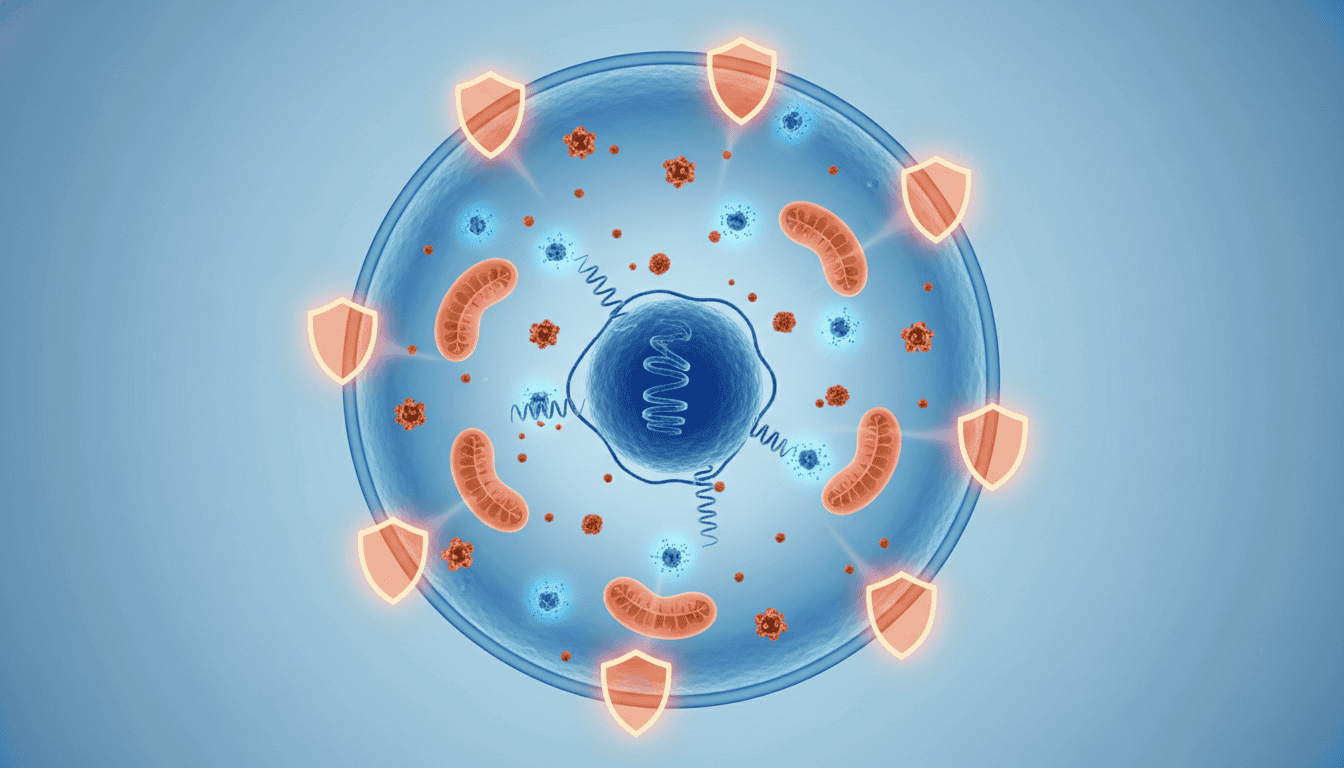
When the human body encounters cold water, it initiates a complex cascade of cellular responses designed to maintain homeostasis and protect vital functions. This acute stress triggers immediate changes at the cellular level, activating pathways that extend far beyond simple temperature regulation. The initial shock of cold water exposure stimulates the sympathetic nervous system, releasing noradrenaline and other stress hormones that signal cells throughout the body to adapt their metabolic processes.
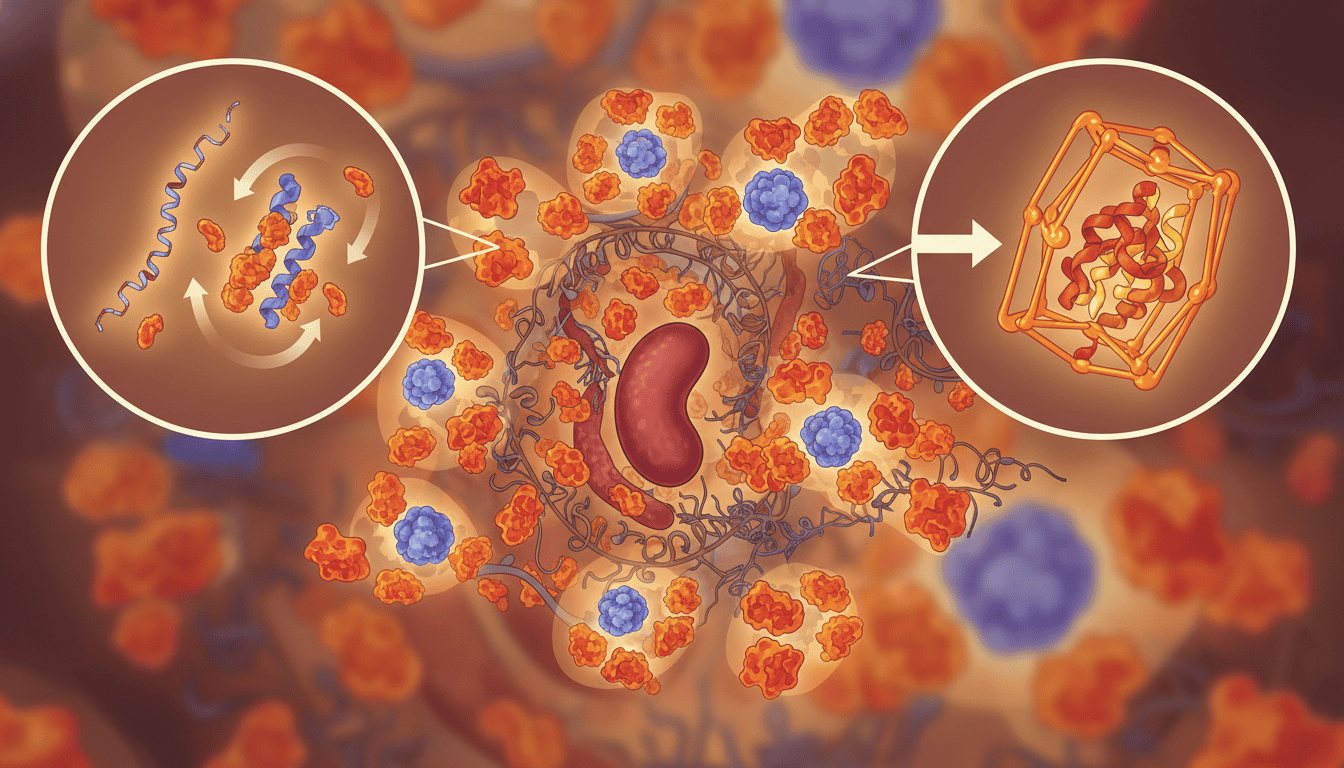
At the cellular level, cold exposure activates specialised proteins called cold shock proteins, which help stabilise cellular structures and maintain protein function despite the temperature challenge. These proteins act as cellular chaperones, ensuring that essential biochemical processes continue to operate efficiently even under thermal stress. The activation of these protective mechanisms demonstrates the remarkable ability of cells to rapidly adjust their internal machinery in response to environmental challenges.
Mitochondrial Adaptations and Energy Production
Cold water exposure places unique demands on cellular energy production, particularly within the mitochondria. These cellular powerhouses respond to cold stress by increasing their efficiency and, over time, their number through a process called mitochondrial biogenesis. The cold stimulus activates specific transcription factors that promote the creation of new mitochondria, enhancing the cell’s capacity for energy production.
The mitochondrial response to cold exposure also involves changes in the electron transport chain, the cellular machinery responsible for producing ATP. Cold stress can temporarily increase reactive oxygen species production within mitochondria, which paradoxically serves as a signalling mechanism for adaptive changes. This controlled oxidative stress triggers antioxidant defence systems and promotes cellular resilience, demonstrating how acute stress can lead to positive adaptations when properly managed.
Brown adipose tissue, specialised fat tissue rich in mitochondria, plays a particularly important role in cold adaptation. Unlike regular fat tissue, brown fat contains mitochondria with unique proteins that can generate heat directly through a process called non-shivering thermogenesis. Regular cold exposure can increase both the amount and activity of brown adipose tissue, improving the body’s ability to maintain core temperature through cellular heat production.
Inflammatory Response and Recovery Pathways
Cold water immersion triggers a controlled inflammatory response that differs significantly from chronic inflammation. This acute response involves the activation of immune cells and the release of inflammatory mediators, which initially might seem counterproductive. However, this short-term inflammatory activation serves important adaptive functions, including the removal of damaged cellular components and the promotion of tissue repair mechanisms.
The cold stimulus activates nuclear factor pathways that regulate inflammatory gene expression, leading to the production of both pro-inflammatory and anti-inflammatory compounds. The balance between these opposing signals creates a hormetic effect, where the acute stress ultimately strengthens cellular defence mechanisms. This process involves the activation of heat shock proteins and other cellular protection systems that enhance the cell’s ability to cope with future stressors.
Recovery from cold exposure involves the activation of anti-inflammatory pathways that help restore cellular balance. This recovery phase is characterised by increased production of anti-inflammatory cytokines and the activation of cellular repair mechanisms. The cyclical nature of stress and recovery appears to be crucial for the adaptive benefits of cold exposure, with the recovery period being as important as the initial stress response.
Vascular and Circulatory Adaptations
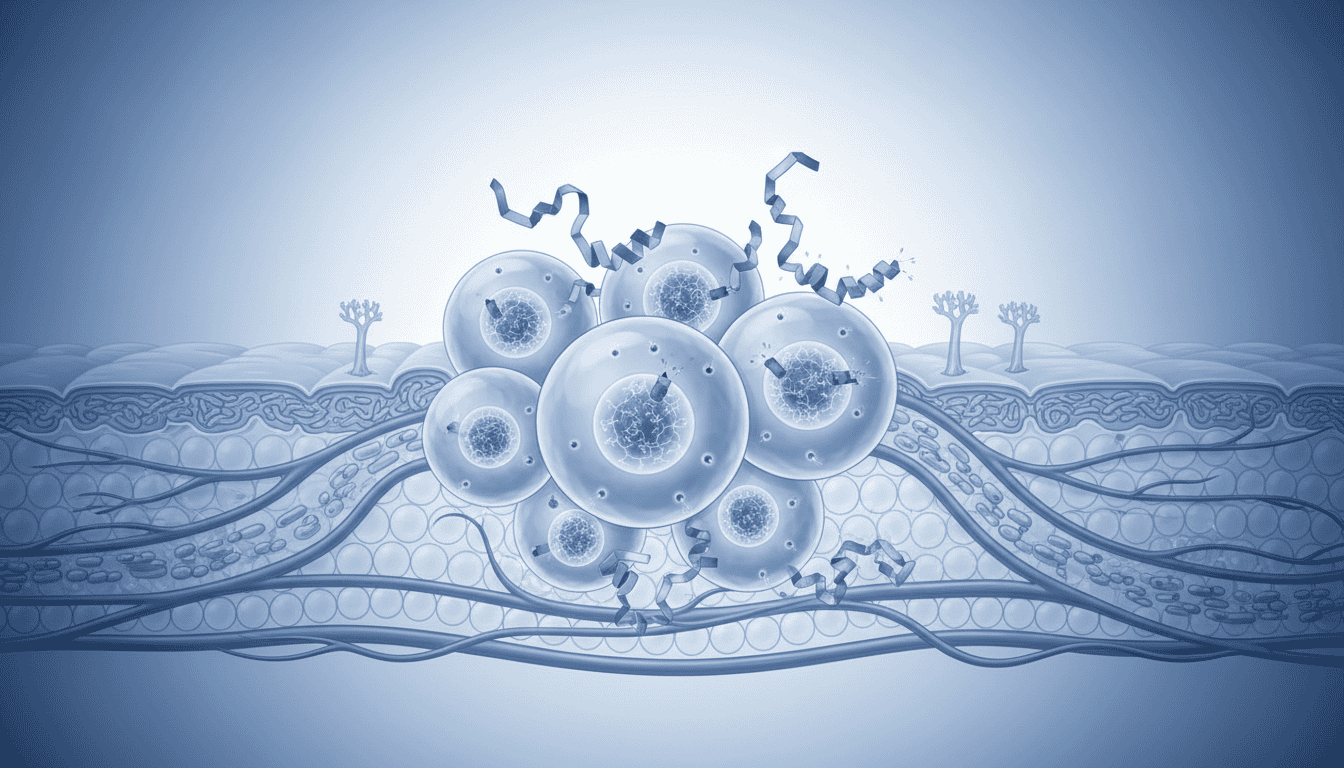
Cold water exposure creates significant challenges for the cardiovascular system, triggering adaptations in blood vessels and circulation patterns. The immediate response involves vasoconstriction, where blood vessels narrow to preserve core body temperature by reducing heat loss through the skin. This vascular response is mediated by smooth muscle cells in blood vessel walls, which contract in response to cold-induced neural and hormonal signals.
Repeated cold exposure leads to adaptations in endothelial cells, the cells that line blood vessels. These adaptations include improved production of nitric oxide, a molecule that helps regulate blood vessel dilation and blood flow. Enhanced endothelial function supports better circulation and may contribute to improved cardiovascular health over time.
The alternating pattern of vasoconstriction during cold exposure followed by vasodilation during rewarming creates a form of vascular exercise. This process challenges the smooth muscle cells and endothelial cells in blood vessels, potentially improving their responsiveness and function. The repeated stress and recovery cycle may strengthen the cardiovascular system’s ability to adapt to various physiological demands.
Hormetic Stress and Long-Term Cellular Benefits
The concept of hormesis explains how controlled exposure to mild stressors can trigger beneficial adaptations that exceed the body’s baseline function. Cold water exposure exemplifies this principle, where short-term cellular stress leads to enhanced resilience and improved function over time. The key lies in the dose and duration of exposure, with moderate, intermittent cold stress producing the most beneficial adaptations.
Cellular adaptation to cold exposure involves the upregulation of various protective pathways, including enhanced DNA repair mechanisms and improved protein quality control systems. These adaptations extend beyond temperature regulation, potentially benefiting cellular health in numerous ways. The stress response proteins activated by cold exposure also provide protection against other forms of cellular damage, creating a cross-protective effect.
The hormetic response to cold exposure appears to involve epigenetic changes, modifications to gene expression that don’t alter the underlying DNA sequence. These changes can influence how cells respond to future stressors and may contribute to long-term health benefits. Understanding these mechanisms helps explain why controlled stress exposure can be beneficial for cellular function and overall physiological resilience.
Integration with Broader Cellular Health Principles
The cellular adaptations triggered by cold water exposure illustrate fundamental principles of cellular health and resilience. The ability of cells to sense environmental challenges and respond with appropriate adaptations represents a crucial aspect of maintaining optimal function throughout life. These adaptive mechanisms demonstrate the importance of controlled stress in promoting cellular health, challenging the notion that all stress is harmful to biological systems. By understanding how environmental stressors like cold exposure influence cellular function, we gain valuable insights into the broader principles that govern cellular adaptation, resilience, and long-term health maintenance.

Matt Elliott is the editor of Redox News Today, an independent publication covering peer-reviewed research on cellular health, redox signalling, and related biomedical science.