The Cellular Powerhouses That Keep Us Moving
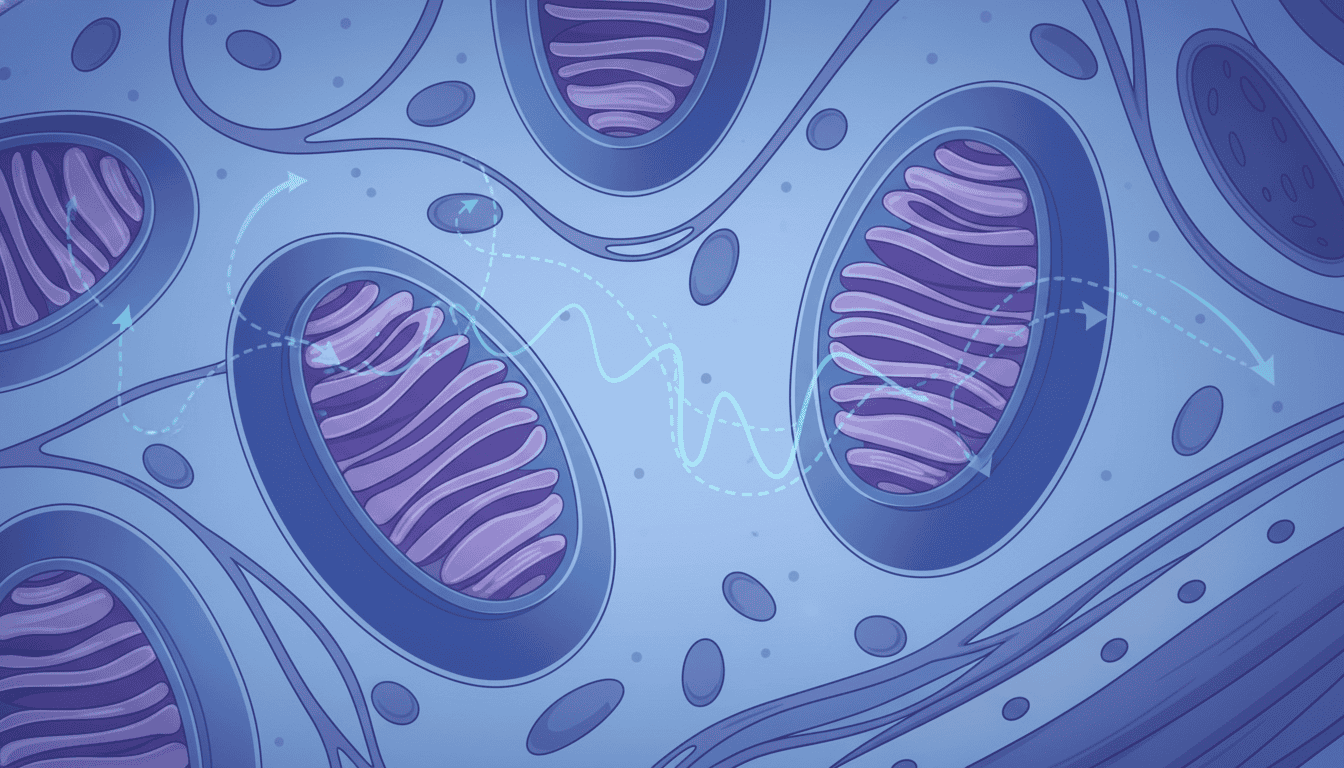
Mitochondria are often called the powerhouses of our cells, and for good reason. These tiny organelles produce the majority of our cellular energy in the form of adenosine triphosphate (ATP), the universal energy currency that fuels virtually every biological process in our bodies. From muscle contraction to brain function, from immune responses to cellular repair, mitochondria are working around the clock to meet our energy demands.
What makes mitochondria particularly fascinating is their unique evolutionary origin. These organelles are believed to have once been independent bacteria that formed a symbiotic relationship with our ancestral cells billions of years ago. This partnership has been so successful that modern human cells contain hundreds to thousands of mitochondria, with particularly high concentrations in energy-demanding tissues like the heart, brain, and skeletal muscles.
The health and efficiency of our mitochondria directly impact our overall wellbeing. When these cellular engines function optimally, we experience better energy levels, improved physical performance, and enhanced cellular resilience. Conversely, mitochondrial dysfunction has been linked to fatigue, accelerated ageing, and various health complications.
How Walking Stimulates Mitochondrial Function
Walking represents one of the most accessible forms of aerobic exercise, and research has consistently shown that moderate aerobic activity provides profound benefits for mitochondrial health. When we walk, our muscles require increased energy production, which places a beneficial demand on our mitochondria to ramp up ATP synthesis.
This increased energy demand triggers several important cellular responses. The mitochondria begin working more efficiently, improving their ability to convert oxygen and nutrients into usable energy. Regular walking also enhances the delivery of oxygen and nutrients to our cells through improved circulation, providing the raw materials that mitochondria need to function optimally.
Additionally, the rhythmic, sustained nature of walking creates an ideal environment for mitochondrial adaptation. Unlike high-intensity exercise that can sometimes overwhelm cellular systems, walking provides a manageable stimulus that encourages mitochondrial improvement without excessive oxidative stress.
The Science of Mitochondrial Biogenesis
One of the most remarkable benefits of regular walking is its ability to stimulate mitochondrial biogenesis, the process by which cells create new mitochondria. This process is primarily regulated by a protein called PGC-1α (peroxisome proliferator-activated receptor gamma coactivator 1-alpha), often referred to as the master regulator of mitochondrial biogenesis.
When we engage in regular walking, the increased energy demands and cellular signalling pathways activate PGC-1α, which then coordinates the complex process of building new mitochondria. This includes the synthesis of mitochondrial proteins, the replication of mitochondrial DNA, and the formation of new mitochondrial membranes.
The beauty of this process is that it creates a positive feedback loop. As we develop more mitochondria through regular walking, our cells become better equipped to produce energy efficiently. This improved energy production capacity supports better physical performance and cellular function, making it easier to maintain an active lifestyle and continue reaping the benefits.
Optimising Mitochondrial Quality Through Movement
Beyond simply creating new mitochondria, walking also plays a crucial role in maintaining mitochondrial quality through a process called mitophagy. This cellular housekeeping mechanism identifies and removes damaged or dysfunctional mitochondria, ensuring that only healthy, efficient organelles remain.
Regular moderate exercise like walking helps calibrate this quality control system, promoting the removal of damaged mitochondria while supporting the maintenance of healthy ones. This process is essential for preventing the accumulation of dysfunctional mitochondria, which can contribute to cellular ageing and reduced energy production.
Walking also influences the dynamics of mitochondrial networks within our cells. Mitochondria are not static organelles; they constantly undergo fusion and fission processes that help maintain their function and distribute energy efficiently throughout the cell. Regular physical activity helps optimise these dynamic processes, contributing to better overall mitochondrial health.
The Metabolic Flexibility Advantage
Regular walking enhances what researchers call metabolic flexibility, which refers to our cells’ ability to efficiently switch between different fuel sources. Healthy mitochondria can effectively utilise both glucose and fatty acids for energy production, adapting to different nutritional states and energy demands.
This flexibility becomes particularly important as we age, when mitochondrial function naturally tends to decline. By maintaining regular walking habits, we can help preserve this metabolic adaptability, supporting our cells’ ability to maintain energy production even when faced with various stressors or changes in fuel availability.
The moderate intensity of walking is particularly beneficial for developing fat oxidation capacity. During comfortable walking paces, our mitochondria preferentially burn fatty acids, which helps improve their efficiency at utilising this abundant energy source and may contribute to better overall metabolic health.
Building Sustainable Mitochondrial Health
One of the greatest advantages of walking for mitochondrial health is its sustainability. Unlike more intense forms of exercise that may be difficult to maintain long-term due to time constraints, physical limitations, or lifestyle factors, walking can be easily integrated into daily routines regardless of age or fitness level.
The cumulative benefits of regular walking appear to be particularly important for mitochondrial health. Research suggests that consistency matters more than intensity when it comes to maintaining mitochondrial function over time. Even modest amounts of daily walking can provide significant benefits, and these benefits tend to compound over months and years of regular activity.
Understanding the profound connection between walking and mitochondrial health reinforces the fundamental importance of regular physical activity for cellular wellbeing. Our mitochondria evolved to support active lifestyles, and by simply putting one foot in front of the other on a regular basis, we provide these remarkable organelles with the stimulation they need to function optimally. This mitochondrial support, in turn, provides the foundation for better energy levels, improved cellular resilience, and enhanced overall health throughout our lives.

Matt Elliott is the editor of Redox News Today, an independent publication covering peer-reviewed research on cellular health, redox signalling, and related biomedical science.