Your kidney cells face a constant threat from inflammation, processing about 180 litres of blood daily while filtering toxins and waste. What they need is protection from oxidative damage that could destroy their delicate filtering structures. That protection comes from an unexpected source: bacteria living in your intestines, hundreds of centimetres away from your kidneys.
What is the gut-kidney connection
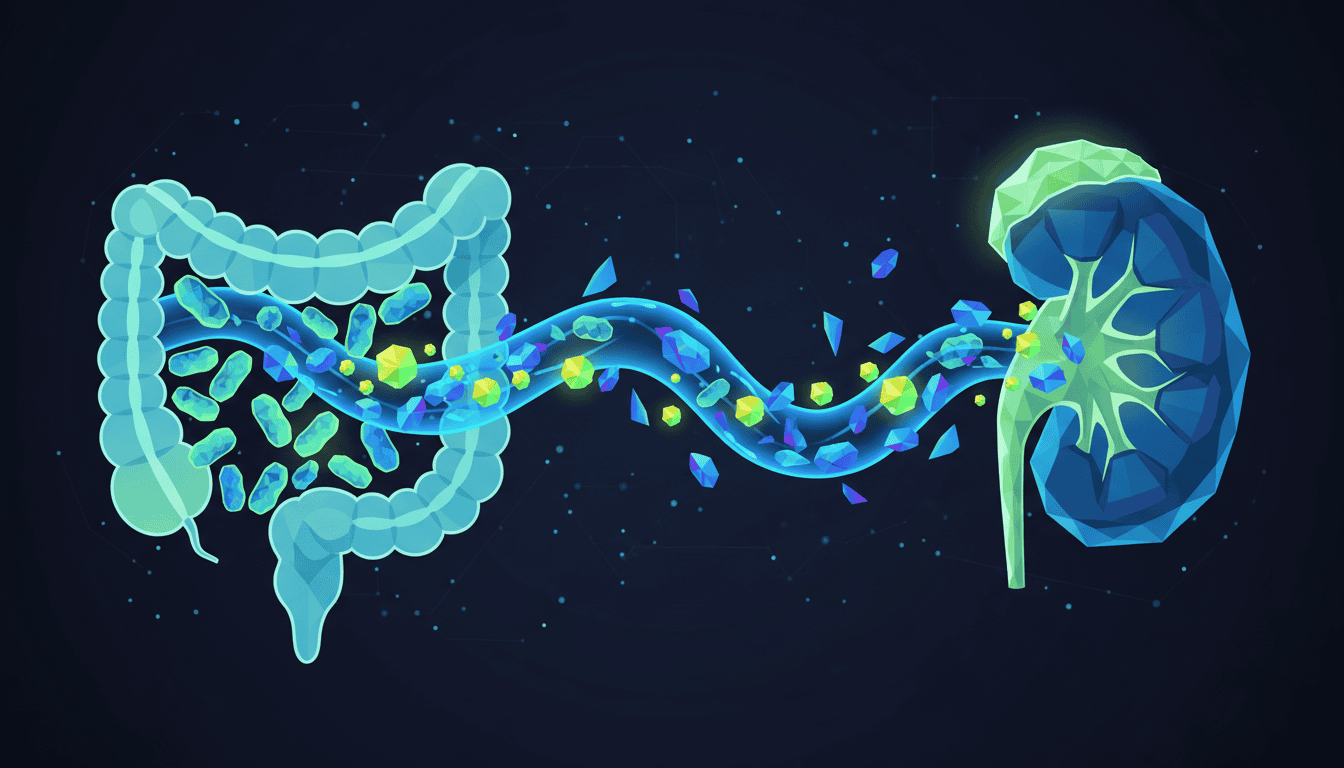
The relationship between gut bacteria and kidney health operates through a complex communication network scientists call the gut-kidney axis. Beneficial bacteria in your intestines produce specific metabolites that travel through your bloodstream to reach kidney cells.
These bacterial metabolites include short-chain fatty acids like butyrate, as well as compounds that influence immune signalling. When they reach kidney cells, they activate protective pathways that help cells resist inflammatory damage. The kidney’s filtering units, called nephrons, are particularly vulnerable to oxidative stress because they work so hard processing blood.
Gut bacteria also influence systemic inflammation levels throughout your body. A healthy microbiome keeps inflammatory signals in check, while an imbalanced one can flood your system with pro-inflammatory compounds that travel to your kidneys and cause cellular stress.
What the research shows
Studies using animal models reveal how dramatically gut bacteria influence kidney inflammation. Researchers have found that mice with depleted gut bacteria show significantly more kidney damage when exposed to inflammatory triggers.
The protective effect works through several mechanisms. Beneficial bacteria produce metabolites that strengthen the intestinal barrier, preventing harmful bacterial toxins from entering the bloodstream and reaching the kidneys. When this barrier fails, bacterial endotoxins trigger inflammatory cascades that damage kidney cells.
Scientists have also observed that specific bacterial strains influence immune cell behaviour. Certain Lactobacillus and Bifidobacterium species promote the development of regulatory T cells, which help control excessive inflammatory responses that could damage kidney tissue.
Research shows that people with chronic kidney disease often have altered gut microbiomes compared to healthy individuals. Their bacterial communities typically show reduced diversity and fewer beneficial species that produce protective metabolites.
Why cells need this protection
Kidney cells operate under intense metabolic pressure. They must maintain precise chemical gradients while constantly filtering blood and concentrating urine. This high-energy work generates reactive oxygen species that can damage cellular structures if not properly controlled.
The evolutionary relationship between gut bacteria and kidney protection makes biological sense. Humans evolved with complex microbial communities that helped process food and defend against pathogens. These bacteria became integrated into our physiology, providing protective signals that help maintain organ function.
Kidney cells particularly need protection from inflammatory damage because they cannot easily regenerate. Unlike skin or liver cells, kidney cells have limited capacity to replace themselves after injury. The filtering structures in nephrons are especially delicate and irreplaceable once damaged.
The gut-kidney axis also helps maintain electrolyte balance. Gut bacteria influence how the kidneys handle sodium, potassium, and other minerals, supporting the complex feedback systems that keep blood pressure and fluid levels stable.
What affects gut-kidney protection
Diet profoundly influences how well gut bacteria can protect kidney cells. Fibre feeds beneficial bacteria that produce protective metabolites, while highly processed foods promote harmful bacterial overgrowth and inflammation.
Antibiotics can disrupt the protective relationship by killing beneficial bacteria along with harmful ones. Research shows that antibiotic treatment can increase susceptibility to kidney damage from inflammatory triggers, an effect that persists until healthy bacterial communities recover.
Age affects the gut-kidney axis as bacterial diversity typically declines with ageing. Older adults often show reduced levels of beneficial bacteria and increased inflammatory markers that can stress kidney cells.
Chronic stress influences gut bacteria composition through the gut-brain axis, potentially reducing the protective metabolites that help shield kidney cells from damage. Sleep disruption and irregular eating patterns can similarly affect bacterial communities and their protective functions.
What remains unknown
Scientists are still working to identify exactly which bacterial species provide the strongest kidney protection. While certain Lactobacillus and Bifidobacterium strains show promise, researchers need to map the complete picture of beneficial microbes and their specific contributions.
The timing and dosage of bacterial metabolites needed for optimal kidney protection remain unclear. Researchers don’t yet know whether protective effects require constant metabolite levels or if intermittent exposure provides sufficient cellular defence.
Questions persist about how different types of kidney stress respond to bacterial protection. Acute inflammatory damage might require different bacterial support than chronic oxidative stress, but scientists haven’t fully characterised these relationships.
The interaction between gut bacteria, immune cells, and kidney tissue involves multiple cell types and signalling pathways that researchers are still mapping. Understanding these complex networks will take years of additional research.
The gut-kidney axis represents one piece of a larger puzzle showing how our bacterial partners help maintain cellular health throughout the body. As research continues to reveal these connections, it becomes clear that human health depends on the intricate relationships between our cells and the microbes that call us home. The bacteria in your gut aren’t just helping you digest food. They’re actively protecting your organs from the cellular damage that accumulates with age and disease.

Matt Elliott is the editor of Redox News Today, an independent publication covering peer-reviewed research on cellular health, redox signalling, and related biomedical science.