Your cells carry two completely separate sets of genetic instructions. While the nucleus holds the familiar 23 chromosome pairs we inherit from our parents, each cell also contains hundreds of tiny mitochondria, and every one carries its own circular strand of DNA with just 37 genes. Scientists have struggled to study this mitochondrial DNA because it behaves so differently from nuclear DNA, but a new embryonic stem cell platform is changing that.
What is mitochondrial DNA
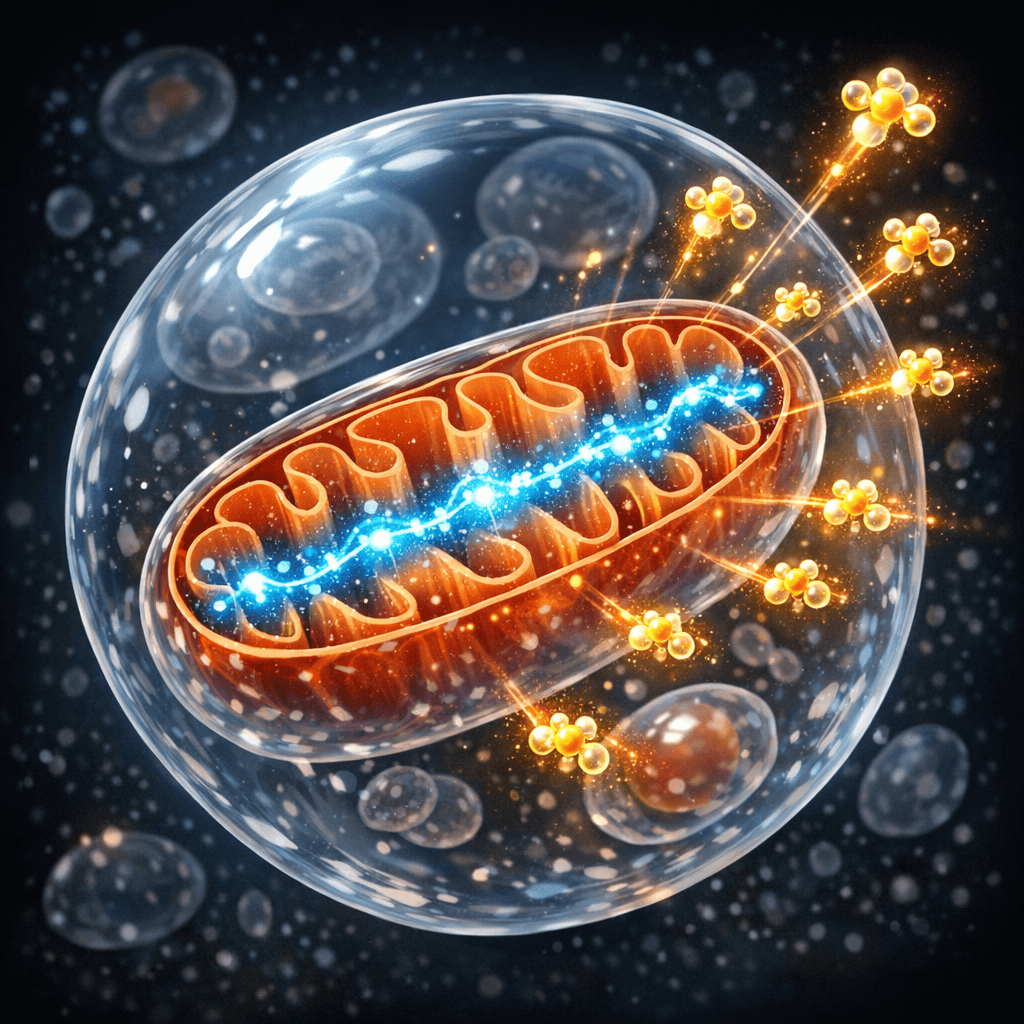
Mitochondrial DNA sits inside the powerhouses of your cells. Unlike the neat double helix of nuclear DNA, mitochondrial DNA forms a small circle containing genes that code for proteins essential to energy production. Each mitochondrion typically contains multiple copies of this genetic circle.
Here’s where it gets interesting. Mitochondrial DNA doesn’t follow the usual rules. It mutates roughly ten times faster than nuclear DNA. It gets inherited almost exclusively from mothers. And when cells divide, mitochondrial DNA doesn’t get carefully sorted like chromosomes do – it just gets randomly distributed to daughter cells.
This random distribution creates a puzzle. Some cells end up with mostly normal mitochondrial DNA, while others inherit more mutated versions. The technical term is heteroplasmy, and it means that even within a single organism, different tissues can have wildly different mitochondrial genetic profiles.
What the research shows
Researchers have developed embryonic stem cell lines that let them control and manipulate mitochondrial DNA with unprecedented precision. The platform allows scientists to create cells with specific ratios of normal to mutated mitochondrial DNA, then watch what happens as these cells grow and differentiate into different tissue types.
The system reveals how mitochondrial DNA gets shuffled during cell division. Scientists can now track individual mitochondrial genomes as they move through generations of cell divisions, observing which versions get amplified and which get lost. Some cell types seem to actively select for healthier mitochondrial DNA, while others appear more tolerant of mutations.
Perhaps most importantly, the platform shows how different tissues respond to the same mitochondrial DNA mutations. Heart muscle cells might struggle with a particular mutation that barely affects skin cells. This tissue-specific response helps explain why mitochondrial diseases can have such varied and unpredictable symptoms.
Why cells need this
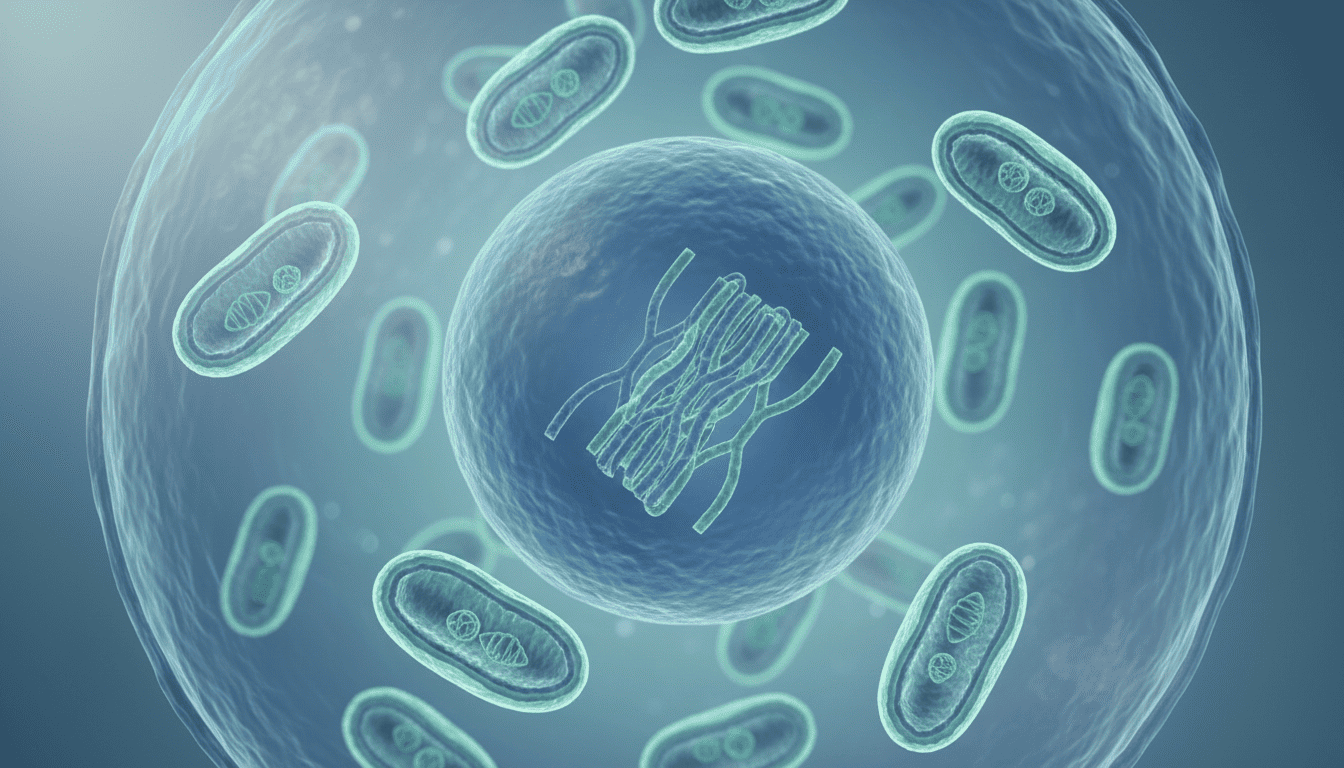
Mitochondria evolved from ancient bacteria that took up residence inside early cells roughly two billion years ago. This evolutionary partnership gave cells access to far more energy than they could produce alone, but it also created a genetic management problem.
Cells need some way to deal with the inevitable accumulation of mutations in mitochondrial DNA. Too many damaged mitochondria and the cell can’t produce enough energy to survive. The random distribution during cell division acts like a genetic lottery – some cells get lucky and inherit mostly healthy mitochondria, while others get stuck with damaged ones.
This system might seem wasteful, but it serves an important function. Cells that inherit too many damaged mitochondria often die, which prevents the worst mutations from spreading. Meanwhile, cells with healthy mitochondria thrive and multiply. It’s a brutal but effective quality control mechanism that operates at the cellular level.
What affects mitochondrial DNA
Age hits mitochondrial DNA hard. The mutation rate increases over time, and cells seem to lose some of their ability to select for healthier versions. This accumulation of mitochondrial damage contributes to the general decline in cellular function that comes with ageing.
Environmental factors also matter. Oxidative stress from pollution, radiation, or even intense exercise can damage mitochondrial DNA faster than cells can repair it. Some chemicals specifically target mitochondria, disrupting their ability to maintain genetic quality control.
Nutrition plays a role too. Cells need specific nutrients to repair and maintain their mitochondrial DNA. Deficiencies in certain vitamins and minerals can compromise the cellular machinery responsible for mitochondrial genetic maintenance.
Exercise presents an interesting paradox. While acute exercise creates oxidative stress that can damage mitochondrial DNA, regular training seems to improve the overall health and function of mitochondrial populations. The stress of exercise might trigger better quality control mechanisms.
What remains unknown
Scientists still don’t fully understand how cells decide which mitochondrial DNA versions to keep and which to eliminate. Some selection mechanism clearly operates, but the molecular details remain murky. Different cell types seem to have different standards, but researchers haven’t figured out what drives these preferences.
The relationship between mitochondrial DNA mutations and disease remains complex. Some mutations cause severe problems in laboratory studies but seem relatively harmless in living organisms. Others appear benign until they reach a critical threshold, then cause sudden cellular dysfunction. Predicting these outcomes remains largely guesswork.
Communication between nuclear and mitochondrial genetic systems adds another layer of mystery. The nucleus and mitochondria must coordinate their gene expression, but scientists don’t know how this coordination works or what happens when it breaks down.
This new stem cell platform represents a significant step forward in mitochondrial research, giving scientists the tools to ask questions that were previously impossible to answer. As researchers continue to map the intricate relationships between mitochondrial genetics, cellular function, and human health, they’re uncovering fundamental principles that govern how our cells manage the ancient bacterial partners that power our lives.

Matt Elliott is the editor of Redox News Today, an independent publication covering peer-reviewed research on cellular health, redox signalling, and related biomedical science.