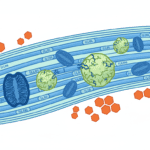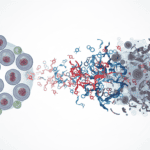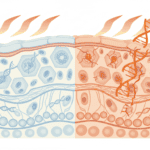

Your bones replace themselves completely every decade, yet they still age. This seems like a paradox until you look inside the cells doing the rebuilding. Bone cells called osteoblasts work around the clock, laying down new calcium and collagen structures. But their mitochondria – the cellular power plants that fuel this energy-intensive process – accumulate DNA damage over time, and this microscopic deterioration cascades into the brittleness and weakness we call bone ageing.
What is mitochondrial DNA damage in bone tissue
Unlike the DNA in your cell nucleus, mitochondrial DNA sits right next to where cellular energy gets made. This location makes it vulnerable. Every time mitochondria burn fuel to make ATP, they generate reactive oxygen species as a byproduct. These molecular fragments attack nearby structures, including the mitochondria’s own genetic material.
Bone cells face a particular challenge here. Osteoblasts need enormous amounts of energy to synthesise collagen and manage calcium deposition. Osteoclasts, which break down old bone, are equally energy-hungry as they secrete acids and enzymes to dissolve mineralised tissue. This constant high-energy demand puts bone cell mitochondria under sustained stress.
When mitochondrial DNA accumulates damage, it affects the production of key proteins needed for cellular respiration. The cell’s power output drops, but the energy demands of bone building remain the same. This mismatch creates a cellular energy crisis that ripples through bone tissue maintenance.
What the research shows
Scientists have measured mitochondrial DNA damage in bone samples from people of different ages. The results paint a clear picture. Older bone tissue contains significantly more mitochondrial DNA deletions and mutations than younger tissue. These aren’t random changes – they follow predictable patterns that researchers can track.
Laboratory studies reveal how this damage translates into cellular dysfunction. When researchers expose bone cells to conditions that accelerate mitochondrial DNA damage, the cells produce less collagen and show reduced mineralisation capacity. The cells don’t die immediately – they become less efficient at their primary jobs.
Animal studies add another layer of evidence. Mice engineered to accumulate mitochondrial DNA damage faster than normal develop bone loss and reduced bone formation rates. Their bones show the same structural changes seen in human ageing: decreased trabecular thickness, reduced cortical density, and altered collagen organisation.
Perhaps most tellingly, researchers have found that bone cells with the most mitochondrial DNA damage show altered gene expression patterns. These cells reduce production of bone matrix proteins while increasing inflammatory signalling molecules. The shift suggests that energy-starved bone cells change their priorities, moving away from building and towards survival mode.
Why cells need this
The relationship between mitochondrial health and bone maintenance makes evolutionary sense. Bones must constantly rebuild themselves because mechanical stress creates microscopic cracks that need repair. This process requires cells to produce enormous quantities of specialised proteins and manage complex chemical reactions involving calcium phosphate crystallisation.
Mitochondria evolved as the cellular solution to high-energy demands. They pack the biochemical machinery for ATP production into dedicated compartments, allowing cells to generate far more energy than would be possible through simpler metabolic pathways. For bone cells, this mitochondrial power system enables the energy-intensive work of tissue construction.
But evolutionary pressures optimised this system for reproductive years, not extended lifespan. The mitochondrial DNA repair mechanisms work well enough to maintain bone health through early adulthood, but they weren’t designed to prevent damage accumulation over many decades. This creates the cellular energy decline that underlies bone ageing.
The system also includes quality control mechanisms. Cells can eliminate damaged mitochondria through autophagy and replace them with new ones. However, these protective processes also decline with age, allowing damaged mitochondria to accumulate in bone tissue.
What affects mitochondrial DNA in bone cells
Physical activity influences mitochondrial health in bone tissue. Weight-bearing exercise stimulates bone cells to increase their mitochondrial content and improve their energy-producing capacity. This adaptation helps maintain the cellular energy supply needed for bone remodelling, though it doesn’t completely prevent mitochondrial DNA damage accumulation.
Nutrition plays a documented role through several pathways. Antioxidant compounds can reduce the oxidative stress that damages mitochondrial DNA, while adequate protein intake supports the cellular machinery needed for mitochondrial maintenance. Vitamin D influences mitochondrial function in bone cells, affecting their energy metabolism and calcium handling capabilities.
Hormonal changes create another major influence. Oestrogen helps protect mitochondrial DNA from oxidative damage in bone cells. When oestrogen levels drop during menopause, this protective effect diminishes, accelerating mitochondrial damage accumulation. This connection helps explain why bone loss accelerates so dramatically after menopause.
Environmental factors also matter. Chronic inflammation increases oxidative stress throughout the body, including in bone tissue. Smoking delivers toxins that directly damage mitochondrial DNA while reducing the cellular antioxidant defences that normally limit this damage.
What remains unknown
Researchers still can’t fully predict which bone cells will accumulate the most mitochondrial DNA damage or why some people’s bones age faster than others despite similar lifestyles. The individual variation in mitochondrial DNA damage patterns suggests genetic factors at work, but identifying these factors remains challenging.
The timing of mitochondrial decline relative to other bone ageing processes needs clarification. Does mitochondrial DNA damage drive other cellular changes, or does it result from broader age-related deterioration? Current evidence suggests both directions of causation operate, but their relative importance remains unclear.
Scientists also need better methods to measure mitochondrial function in living bone tissue. Most current research relies on laboratory analysis of bone samples, which provides snapshots rather than dynamic pictures of how mitochondrial health changes over time in individual people.
The potential for mitochondrial repair or replacement in bone cells represents another frontier. While cells possess mechanisms to eliminate damaged mitochondria and create new ones, researchers don’t fully understand how to enhance these processes or whether doing so would meaningfully slow bone ageing.
Looking at bone ageing through the lens of mitochondrial DNA reveals how cellular energy systems shape tissue health over decades. This research connects the molecular events inside individual cells to the structural changes that affect mobility and independence as we age. Understanding these connections brings us closer to grasping how our cellular machinery both enables and ultimately limits the tissues it serves.

Matt Elliott is the editor of Redox News Today, an independent publication covering peer-reviewed research on cellular health, redox signalling, and related biomedical science.