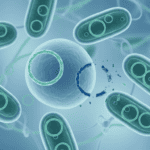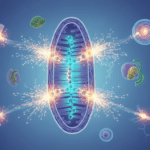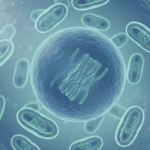
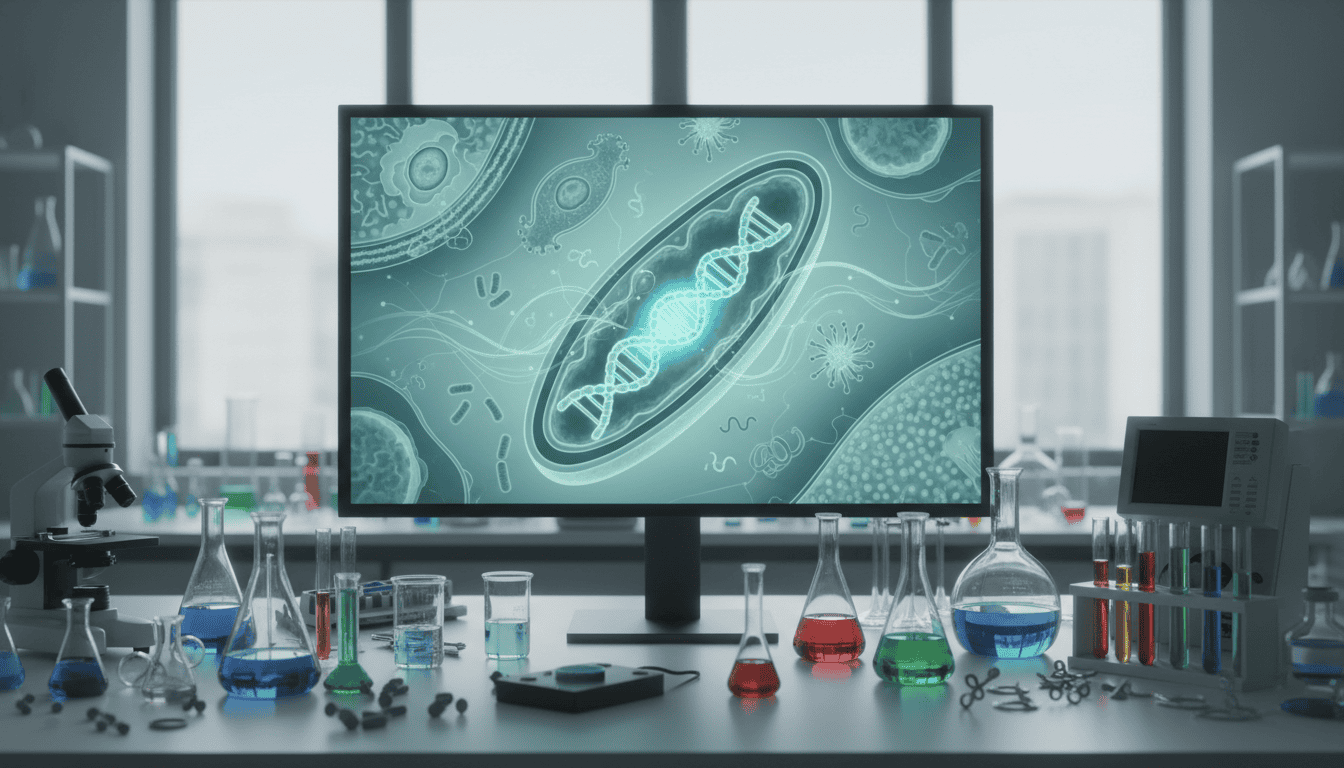
Your cells carry two completely different sets of genetic instructions. While everyone knows about the DNA in your cell nucleus, there’s another genome hiding in plain sight: the tiny circular chromosome inside each mitochondrion. This mitochondrial DNA mutates 10 to 20 times faster than nuclear DNA, creating a patchwork of genetic variations that can dramatically alter how your cells produce energy.
What is mitochondrial DNA
Mitochondrial DNA is a relic from an ancient merger. About 2 billion years ago, a large cell engulfed a smaller bacterium, and instead of digesting it, they formed a partnership. The bacterium became the mitochondrion, keeping its own small genome of just 37 genes.
These 37 genes pack a serious punch. Thirteen of them code for proteins that sit right in the heart of the electron transport chain, where cells generate ATP. The rest produce the transfer RNAs and ribosomal RNAs needed to manufacture those proteins locally, right inside the mitochondrion.
Unlike nuclear DNA, mitochondrial DNA gets passed down exclusively through the maternal line. No genetic shuffling from both parents. This means all the mitochondrial DNA variations you carry came from your mother, grandmother, and the unbroken chain of mothers before them.
What the research shows
Scientists have catalogued thousands of mitochondrial DNA variations across human populations. Some variations cluster in specific geographic regions, creating what researchers call haplogroups. People of European descent typically carry haplogroup H, while many East Asians carry haplogroup M variations.
These aren’t just neutral genetic markers. Research shows different haplogroups can alter mitochondrial efficiency by 20 to 30 percent. Some variations change how tightly the electron transport complexes couple to ATP production. Others affect how much heat versus ATP the mitochondria generate.
Individual cells can harbour hundreds of mitochondria, each containing multiple copies of mitochondrial DNA. When mutations arise, they don’t immediately take over. Instead, mutated and normal versions coexist in what researchers call heteroplasmy. The ratio matters enormously. Cells typically function normally until mutated mitochondrial DNA exceeds about 60 to 80 percent of the total.
Age changes this equation. Mitochondrial DNA accumulates mutations over time, and cells gradually lose their ability to maintain quality control. Tissues with high energy demands, like heart muscle and brain neurons, show the effects first.
Why cells need this
The rapid mutation rate of mitochondrial DNA might seem like a design flaw, but evolution suggests otherwise. This genetic flexibility allows mitochondria to adapt quickly to different environments and energy demands.
Different tissues maintain distinct populations of mitochondrial DNA. Muscle cells select for versions that maximise power output. Brain cells favour variants that balance energy production with protection against oxidative damage. Heart cells need versions optimised for continuous, steady energy generation.
The maternal inheritance pattern also serves a purpose. It prevents conflicts between mitochondria from different parents trying to coexist in the same cell. Mitochondria from different lineages can have incompatible electron transport proteins, reducing cellular energy production when mixed.
Local protein production matters too. Mitochondria can rapidly adjust the levels of electron transport proteins based on immediate energy needs, without waiting for nuclear genes to respond. This quick response system helps cells handle sudden changes in energy demand.
What affects mitochondrial DNA
Exercise creates selective pressure favouring efficient mitochondrial variants. Studies show that regular physical activity can shift the balance toward mitochondrial DNA versions that produce more ATP per oxygen molecule consumed. The effect builds over months of consistent training.
Diet influences mitochondrial DNA stability. Caloric restriction appears to reduce the mutation rate, possibly by decreasing oxidative stress inside mitochondria. High-fat diets can increase the proportion of certain mitochondrial DNA variants, though the long-term consequences remain unclear.
Environmental toxins target mitochondrial DNA preferentially. The mitochondrial genome lacks the sophisticated DNA repair mechanisms found in the nucleus, making it vulnerable to damage from pollutants, medications, and industrial chemicals.
Age remains the strongest factor. Mitochondrial DNA mutations accumulate steadily throughout life, with some tissues showing dramatic increases in variant ratios after age 40. The pattern varies between individuals, suggesting genetic and environmental factors both play roles.
What remains unknown
Researchers still debate how cells decide which mitochondrial DNA variants to replicate and which to eliminate. The selection process clearly exists, but the molecular mechanisms remain murky. Some evidence points to energy output as the key factor, while other studies suggest oxidative stress resistance matters more.
The interaction between nuclear and mitochondrial genes creates another puzzle. Nuclear DNA encodes most mitochondrial proteins, but mitochondrial DNA produces the core energy-generating components. How these two genetic systems coordinate their responses to cellular stress isn’t fully understood.
Population differences in mitochondrial DNA might influence disease susceptibility, but teasing apart genetic effects from environmental and cultural factors proves challenging. Large-scale studies are beginning to address this question, but definitive answers remain years away.
The role of mitochondrial DNA in ageing continues to generate debate. While mutations clearly accumulate with age, whether this drives cellular decline or simply reflects it isn’t settled. New techniques for tracking mitochondrial DNA changes in living cells should help resolve this question.
Understanding mitochondrial DNA variations opens a window into cellular evolution happening in real time. Every cell in your body carries populations of these tiny genomes, constantly mutating, competing, and adapting to local conditions. This dynamic genetic system helps explain why cellular energy production varies so much between individuals and changes throughout life. The more we learn about these hidden genomic variations, the clearer it becomes that cellular energy isn’t just about having mitochondria, but about having the right mitochondrial DNA for the job.

Matt Elliott is the editor of Redox News Today, an independent publication covering peer-reviewed research on cellular health, redox signalling, and related biomedical science.