Every human cell contains hundreds of mitochondria, each carrying its own tiny circular genome separate from the DNA in your nucleus. When mutations creep into these mitochondrial genomes, cellular energy production can falter in ways that have puzzled scientists for decades. Now researchers have created the most comprehensive library of mitochondrial DNA mutations ever assembled, cataloguing how thousands of genetic changes affect the cellular powerhouses that keep us alive.
What is mitochondrial DNA
Mitochondrial DNA is a genetic relic from an ancient partnership. About two billion years ago, our cellular ancestors engulfed bacteria that were exceptionally good at producing energy. Instead of digesting these bacterial captives, early cells kept them as permanent residents. Those bacteria evolved into mitochondria, but they retained their own small genome.
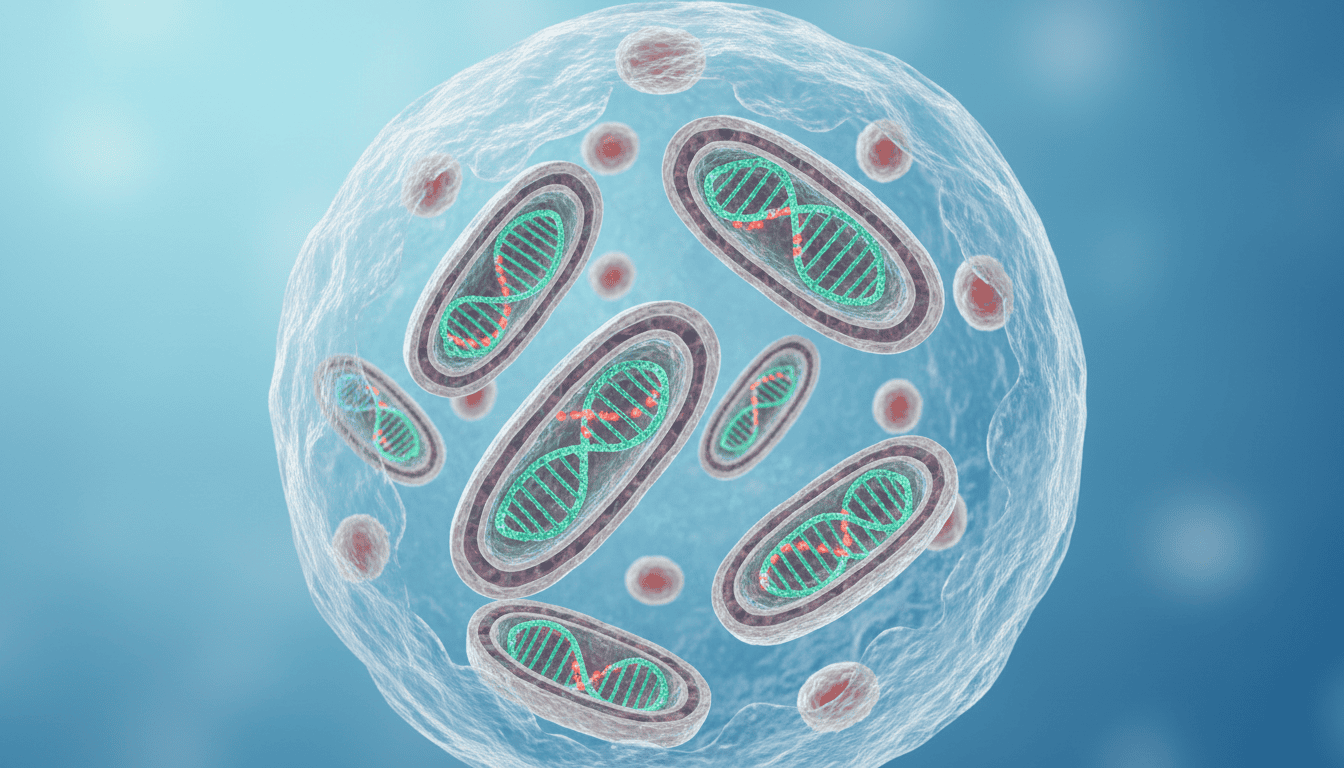
This mitochondrial genome contains just 37 genes. That sounds modest compared to the 20,000 genes in your nuclear DNA, but these 37 genes are absolutely critical. Thirteen of them code for proteins that sit at the heart of cellular energy production. The rest produce the RNA molecules needed to manufacture those proteins right inside the mitochondrion.
Unlike nuclear DNA, mitochondrial DNA gets passed down exclusively through mothers. It also mutates about ten times faster than nuclear DNA, partly because mitochondria lack the sophisticated DNA repair systems found in the cell nucleus. This combination makes mitochondrial mutations both common and consequential.
What the research shows
Scientists have now systematically created and tested thousands of mitochondrial DNA mutations in laboratory settings. They introduced specific changes into mitochondrial genomes and measured exactly how each mutation affected cellular energy production, growth rates, and survival.
The results reveal that mitochondrial DNA operates under much tighter constraints than nuclear DNA. While many nuclear genes can tolerate substantial changes without obvious effects, mitochondrial genes show little tolerance for variation. Even single letter changes in the mitochondrial genetic code often have measurable impacts on cellular function.
Researchers found that mutations affecting the protein-coding genes typically have more severe consequences than changes to RNA genes. Some mutations completely shut down energy production in affected mitochondria. Others create more subtle defects that only become apparent when cells face energy stress.
The mutation library also revealed unexpected patterns in how mitochondrial defects manifest. Some mutations that barely affect cells under normal conditions become lethal when cellular energy demands increase. This suggests that many mitochondrial variants might act as hidden vulnerabilities, only revealing their effects under specific circumstances.
Why cells need this
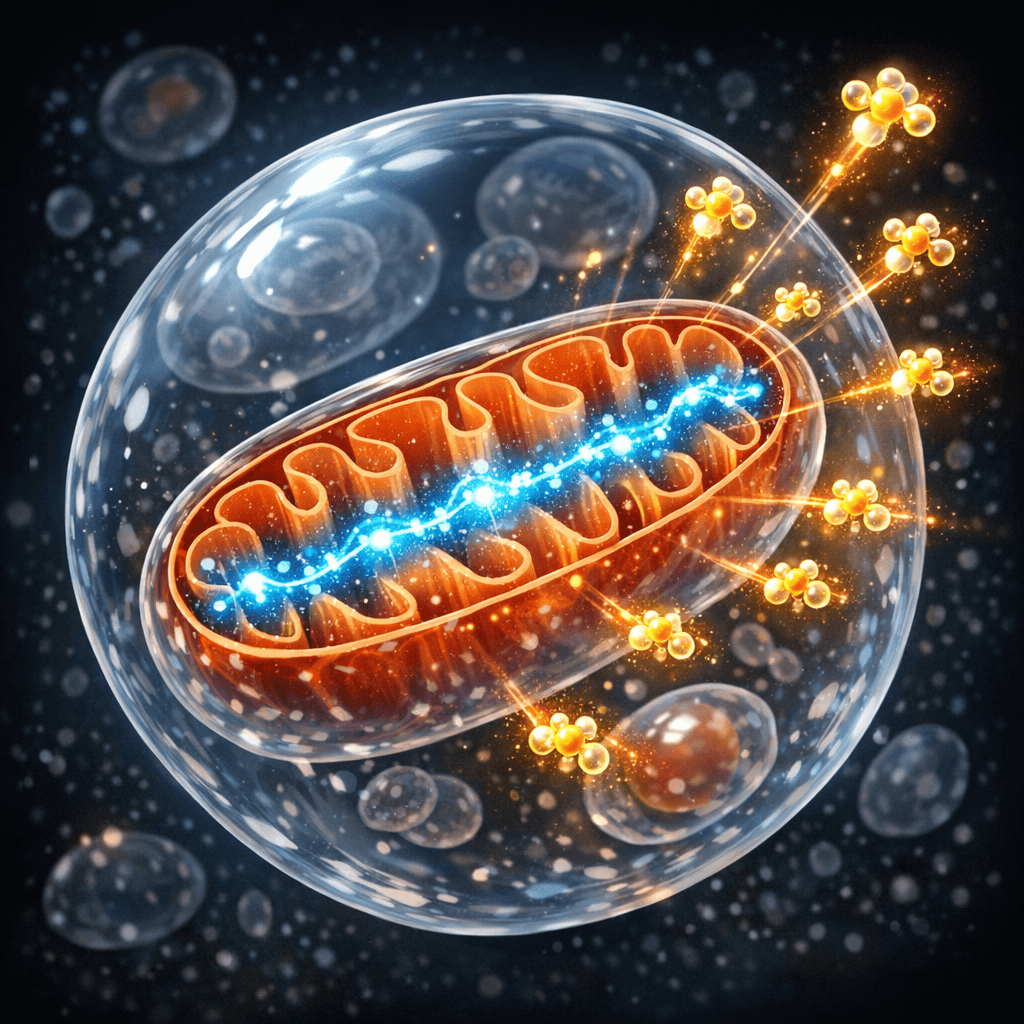
Mitochondria produce ATP, the universal energy currency that powers almost every cellular process. They accomplish this through a sophisticated assembly line of protein complexes embedded in their inner membrane. These complexes work together to capture energy from food molecules and store it in chemical bonds.
The process requires exquisite coordination between genes in the mitochondrion and genes in the nucleus. Nuclear genes produce most mitochondrial proteins, but the mitochondrial genome handles a crucial subset that must be manufactured locally. This division of labour appears to exist because some mitochondrial proteins are too unstable to import from outside the organelle.
Cells typically contain hundreds of mitochondria, each with multiple copies of the mitochondrial genome. This redundancy provides a buffer against mutations. If some mitochondrial genomes carry harmful changes, others can compensate. But this protection has limits, and when mutation loads become too high, cellular energy production suffers.
What affects mitochondrial DNA stability
Age is the strongest factor influencing mitochondrial mutation accumulation. Mitochondrial genomes collect mutations throughout life, and older individuals typically carry substantially more mitochondrial variants than younger ones. This age-related mutation accumulation may contribute to the general decline in cellular function that accompanies ageing.
Environmental factors also influence mitochondrial DNA stability. Exposure to certain chemicals, radiation, and oxidative stress can increase mitochondrial mutation rates. Some medications, particularly certain antibiotics and chemotherapy drugs, specifically target bacterial-like processes and can damage mitochondria as an unintended side effect.
Physical activity appears to influence mitochondrial health, though the relationships are complex. Exercise increases mitochondrial energy demands but also triggers cellular programmes that enhance mitochondrial quality control and DNA repair. The net effect generally favours mitochondrial health, but intense exercise can temporarily increase mitochondrial stress.
Maternal health during pregnancy affects the mitochondrial DNA that children inherit. Since mitochondria pass exclusively through the maternal line, factors that influence mitochondrial function in mothers can have lasting effects on their offspring.
What remains unknown
Scientists still struggle to predict which individuals carrying mitochondrial mutations will develop symptoms and which will remain healthy. The same mutation can have dramatically different effects in different people, suggesting that genetic background, environmental factors, or chance events play major roles in determining outcomes.
The relationship between mitochondrial mutation load and disease remains poorly understood. Some people carry high levels of mitochondrial mutations with no apparent problems, while others develop severe symptoms with relatively few mutations. Researchers are working to identify the factors that tip this balance.
How cells decide which mitochondria to keep and which to eliminate is another active area of investigation. Cells have quality control systems that can remove damaged mitochondria, but how these systems detect and respond to mitochondrial DNA mutations is still being worked out.
The interaction between nuclear and mitochondrial genomes adds another layer of complexity. Changes in nuclear genes can influence how cells respond to mitochondrial mutations, but predicting these interactions remains largely beyond current scientific capabilities.
This new mutation library represents more than just a catalogue of genetic changes. It provides researchers with a detailed map of how mitochondrial function depends on genetic integrity, offering insights into why these ancient cellular partnerships remain so vulnerable to disruption. As scientists continue mapping the relationships between mitochondrial genetics and cellular energy production, they move closer to understanding one of biology’s most fundamental processes.

Matt Elliott is the editor of Redox News Today, an independent publication covering peer-reviewed research on cellular health, redox signalling, and related biomedical science.