
Your cells run on a communication network more complex than most corporate hierarchies. Every mitochondrion in your body maintains constant dialogue with the nucleus, sending status reports about energy production, stress levels, and damage control. This isn’t just cellular small talk. When this messaging system breaks down, cells lose their ability to adapt to changing conditions.
What is mitochondrial-nuclear communication
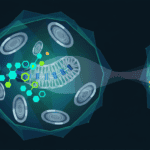
Think of mitochondria as distributed power plants, each with its own small genome and protein-making machinery. The nucleus acts like central headquarters, housing most of the cell’s genetic blueprints. These two command centres must coordinate constantly because mitochondria depend on the nucleus for about 99% of their proteins, while the nucleus relies on mitochondrial energy to function.
The communication flows both ways through chemical signals. Mitochondria send messages to the nucleus about their energy output, oxidative stress levels, and structural integrity. The nucleus responds by adjusting gene expression, ramping up production of mitochondrial proteins when needed or triggering quality control mechanisms when things go wrong.
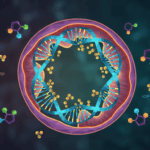
This signalling system involves several molecular pathways. Calcium ions pulse between mitochondria and nucleus like electrical signals in a circuit. Reactive oxygen species, often viewed as cellular troublemakers, actually serve as important messengers in small doses. When mitochondrial proteins misfold or accumulate incorrectly, they trigger what researchers call the unfolded protein response, alerting the nucleus to manufacturing problems.
What the research shows
Scientists have identified multiple communication channels between these cellular compartments. When researchers artificially disrupted mitochondrial function in laboratory cells, the nucleus responded within minutes by changing the expression of hundreds of genes. Most of these genetic changes aimed to either repair the mitochondrial damage or help cells survive with less energy.
Studies using fluorescent markers reveal that certain transcription factors shuttle constantly between mitochondria and nucleus, carrying information about the organelle’s metabolic state. One particularly well-studied messenger, called ATF4, increases dramatically when mitochondria struggle to maintain their protein balance.
Research on ageing cells shows this communication system becomes less efficient over time. Older mitochondria send weaker signals to the nucleus, while the nucleus becomes less responsive to mitochondrial distress calls. This breakdown correlates with declining cellular function and increased vulnerability to stress.
Experiments with exercise reveal how external factors influence this cellular conversation. Physical activity triggers specific signals from mitochondria that prompt the nucleus to produce more mitochondrial proteins and even build entirely new mitochondria through a process called biogenesis.
Why cells need this communication system
Mitochondria evolved from ancient bacteria that formed partnerships with early cellular ancestors roughly two billion years ago. During this evolutionary merger, most mitochondrial genes migrated to the nucleus for safekeeping, but the organelles retained just enough genetic independence to respond quickly to local conditions.
This arrangement creates a management challenge. Mitochondria need fresh proteins constantly because they operate in a harsh environment full of reactive chemicals that damage cellular machinery. The nucleus must know when to increase protein production for mitochondrial maintenance and when to trigger the recycling of damaged organelles.
The communication system also enables cells to adjust their energy production to match demand. Muscle cells working hard need more mitochondrial output than resting neurons. Brain cells processing information require different metabolic support than liver cells detoxifying chemicals. Without constant feedback between mitochondria and nucleus, cells couldn’t fine-tune their energy systems for specific tasks.
Quality control represents another essential function. Damaged mitochondria can become dangerous, leaking harmful molecules into the cell. The signalling network allows early detection of mitochondrial problems and coordinated responses to contain or eliminate faulty organelles before they cause widespread damage.
What affects mitochondrial-nuclear communication
Age significantly impacts this cellular messaging system. Research indicates that communication efficiency declines progressively as organisms get older, contributing to reduced cellular adaptability and increased vulnerability to stress.
Physical activity strengthens the signalling pathways between mitochondria and nucleus. Exercise triggers specific molecular cascades that enhance both the sending and receiving of cellular messages, leading to improved mitochondrial function and increased organelle numbers.
Nutritional factors influence these communication channels through multiple mechanisms. Caloric restriction activates certain signalling pathways that enhance mitochondrial-nuclear coordination. Specific nutrients like magnesium and B vitamins support the enzymatic processes involved in cellular messaging.
Environmental stressors can overwhelm the communication system. Heat, toxins, and oxidative stress all trigger emergency signals from mitochondria to the nucleus. While short-term stress often strengthens cellular defences, chronic stress can exhaust the messaging pathways and impair cellular adaptation.
Sleep patterns affect cellular communication rhythms. Research shows that mitochondrial function and nuclear gene expression follow circadian cycles, with disrupted sleep interfering with normal signalling patterns between these cellular compartments.
What remains unknown
Scientists still don’t fully understand all the molecular messengers involved in mitochondrial-nuclear communication. New signalling molecules and pathways continue emerging from research laboratories, suggesting this cellular conversation is even more sophisticated than currently recognised.
The timing and coordination of these signals present ongoing puzzles. How do cells prioritise different messages when mitochondria send multiple signals simultaneously? What determines whether the nucleus responds to mitochondrial distress with repair mechanisms or elimination pathways?
Individual variation in communication efficiency remains largely unexplored. Some people may have naturally more robust signalling systems, potentially explaining differences in ageing rates and stress resilience between individuals with similar lifestyles.
The role of mitochondrial communication in disease development requires further investigation. While researchers know that signalling breakdowns occur in various conditions, they’re still mapping cause-and-effect relationships and identifying intervention points.
Understanding how mitochondrial-nuclear communication reveals new layers of cellular sophistication. These organelles aren’t just isolated power generators but integral partners in cellular decision-making. The quality of their conversation with the nucleus may determine how well cells adapt, survive, and thrive throughout life. As research continues mapping these molecular dialogues, we’re discovering that cellular health depends as much on communication skills as energy production.

Matt Elliott is the editor of Redox News Today, an independent publication covering peer-reviewed research on cellular health, redox signalling, and related biomedical science.