Your cells are drowning in acid right now. Every second, cellular metabolism pumps out hydrogen ions that would kill you in minutes if left unchecked. Yet here you are, reading this, because your cells have mastered one of biology’s trickiest problems: maintaining the perfect pH balance while living in what amounts to a controlled chemical storm.
What is cellular pH balance
pH measures how acidic or basic something is on a scale from 0 to 14. Pure water sits at neutral 7, lemon juice clocks in around 2, and household bleach hits 12. Your blood maintains a tight pH of 7.4, but inside your cells, different compartments run at wildly different pH levels.
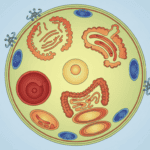
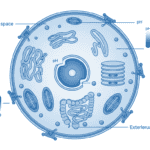
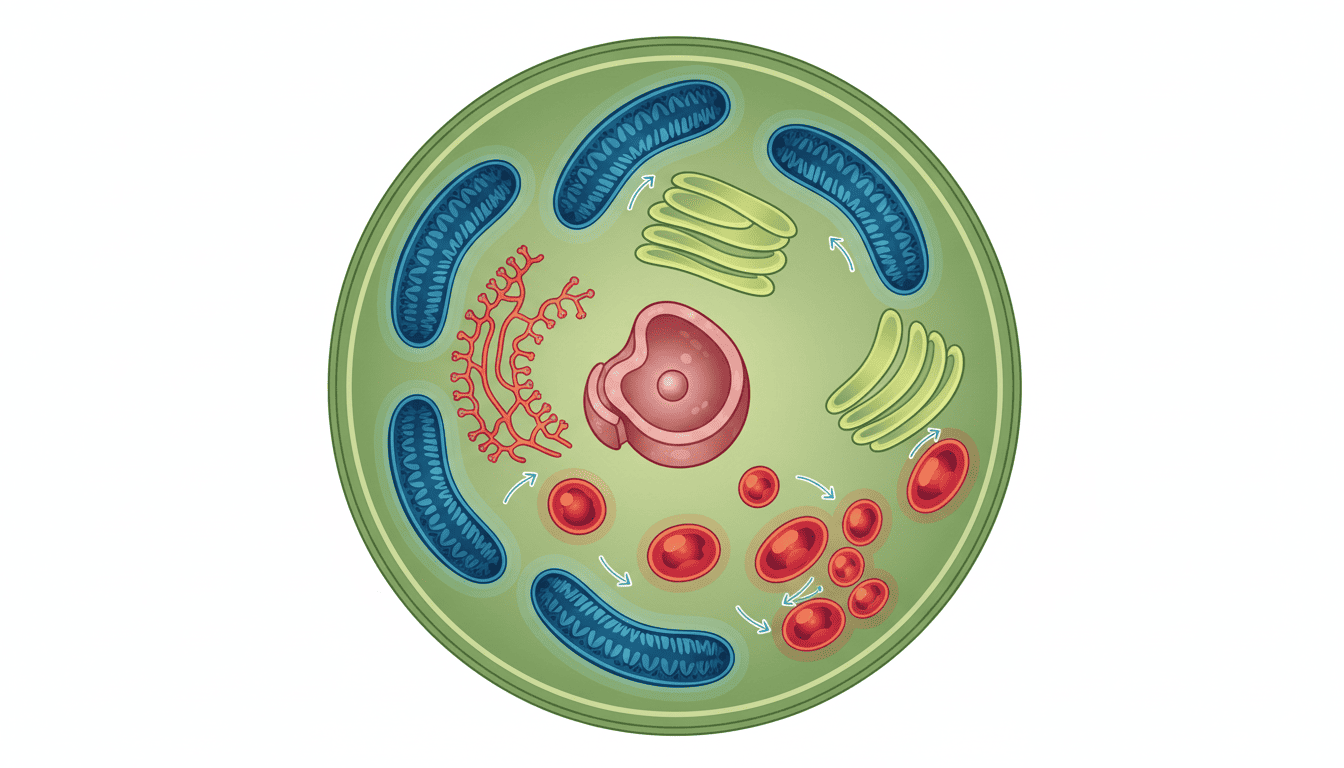
The cytoplasm, where most cellular work happens, hovers around pH 7.2. Your mitochondria keep their interior at 8.0 while their intermembrane space drops to 6.8. Lysosomes, the cell’s recycling centres, operate at a brutal pH of 4.5. This isn’t chaos. It’s precision engineering.
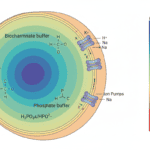
Cells maintain these pH gradients using molecular pumps, buffering systems, and transport proteins that move hydrogen ions around like traffic controllers directing cars. The sodium-hydrogen exchanger kicks out excess acid. Carbonic anhydrase converts carbon dioxide to bicarbonate, creating a buffer system. Proton pumps in organelles create the pH differences that power everything from ATP production to protein digestion.
What the research shows
Scientists have discovered that pH regulation goes far beyond simple housekeeping. Studies using pH-sensitive fluorescent dyes reveal that cells actively adjust their internal pH in response to growth signals, stress, and metabolic demands. Cancer researchers have found that tumour cells crank their internal pH higher than normal healthy cells, giving them a growth advantage.
Muscle physiologists have tracked how exercise drives cellular pH down as low as 6.5 during intense activity. The burning sensation you feel during hard exercise? That’s your cells screaming about acid buildup. But here’s the interesting part: cells that regularly experience this pH stress become better at managing it.
Neurobiologists have shown that brain cells use rapid pH changes as a signalling mechanism. When neurons fire, they briefly acidify their surroundings, and this pH shift affects how neighbouring cells behave. It’s like cellular communication through controlled acid attacks.
Cell biologists studying ageing have found that older cells lose their tight pH control. Their buffering systems wear down, their ion pumps work less efficiently, and their organelles can’t maintain proper pH gradients. This pH drift correlates with cellular dysfunction and death.
Why cells need this
Every enzyme in your body works within a narrow pH range. Stray too far from optimal pH, and proteins change shape, chemical reactions stall, and cellular machinery breaks down. Cells need different pH zones because different jobs require different chemical environments.
Mitochondria exploit pH gradients to make ATP, your cellular energy currency. They pump hydrogen ions across their inner membrane, creating a gradient that drives ATP synthase like water turning a turbine. No pH gradient, no ATP. No ATP, no life.
Lysosomes need their acidic environment to activate digestive enzymes that break down cellular waste. At neutral pH, these enzymes sit dormant. Drop the pH to 4.5, and they spring into action, chomping through everything from worn-out organelles to invading bacteria.
DNA repair works best at slightly alkaline conditions, while protein folding requires precise pH control in the endoplasmic reticulum. Cells segregate these incompatible chemical requirements into different compartments, each with its own pH signature.
What affects cellular pH
Diet influences cellular pH through the foods you metabolise. Protein breakdown produces ammonia and organic acids. High-intensity exercise floods cells with lactic acid faster than buffering systems can handle it. Even breathing affects pH, since carbon dioxide forms carbonic acid in your blood and tissues.
Age gradually erodes pH control systems. Mitochondrial proton pumps lose efficiency. Cellular antioxidant systems that help maintain pH gradients decline. The sodium-potassium pumps that help regulate cellular ion balance slow down.
Disease disrupts pH homeostasis in predictable ways. Diabetes can trigger diabetic ketoacidosis, where cells produce so much acid that blood pH drops dangerously low. Kidney disease prevents proper acid elimination. Lung disease affects carbon dioxide removal, shifting the body’s acid-base balance.
Certain medications interfere with pH regulation. Diuretics affect kidney acid handling. Some chemotherapy drugs disrupt cellular ion pumps. Even aspirin, at high doses, can uncouple cellular pH control mechanisms.
What remains unknown
Scientists still don’t fully understand how cells coordinate pH control across different compartments. How does a cell know when its lysosome pH is drifting, and how does it fix the problem? The signalling networks that link pH sensing to pH correction remain partially mapped.
The connection between pH and ageing needs more work. Do cells age because they lose pH control, or do they lose pH control because they’re ageing? The causation arrow isn’t clear, and it might run both directions.
Researchers are still figuring out how pH changes affect gene expression. Some transcription factors work differently at different pH levels, but mapping these pH-sensitive genetic switches across the entire genome remains a work in progress.
The role of pH in cellular communication puzzles scientists. Cells clearly use pH changes to signal each other, but the full vocabulary of this acid-base language remains undeciphered.
Understanding cellular pH balance reveals biology’s elegant solutions to fundamental chemical problems. Your cells perform chemistry that would challenge any laboratory, maintaining precise conditions for thousands of simultaneous reactions while constantly adjusting to changing demands. Every heartbeat, every thought, every movement depends on billions of cells keeping their chemical environments in perfect balance, one hydrogen ion at a time.

Matt Elliott is the editor of Redox News Today, an independent publication covering peer-reviewed research on cellular health, redox signalling, and related biomedical science.