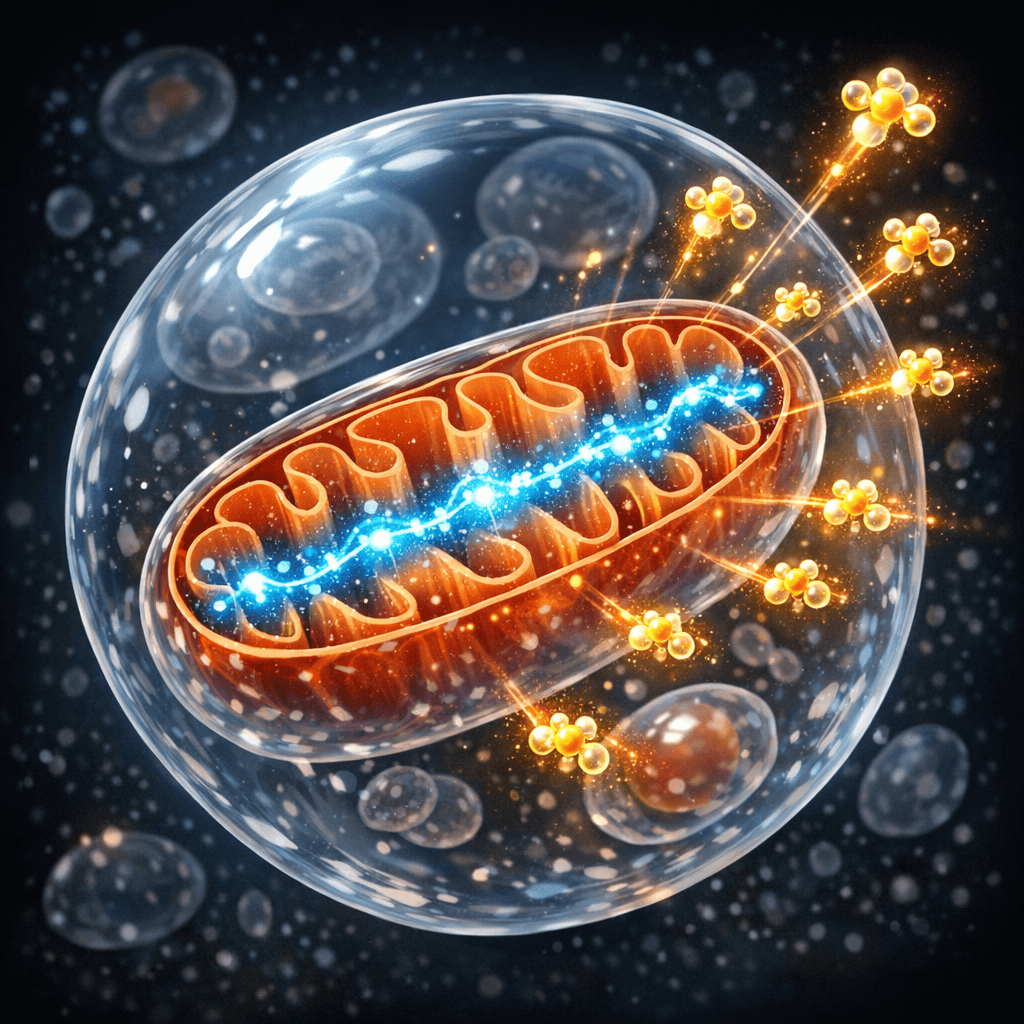
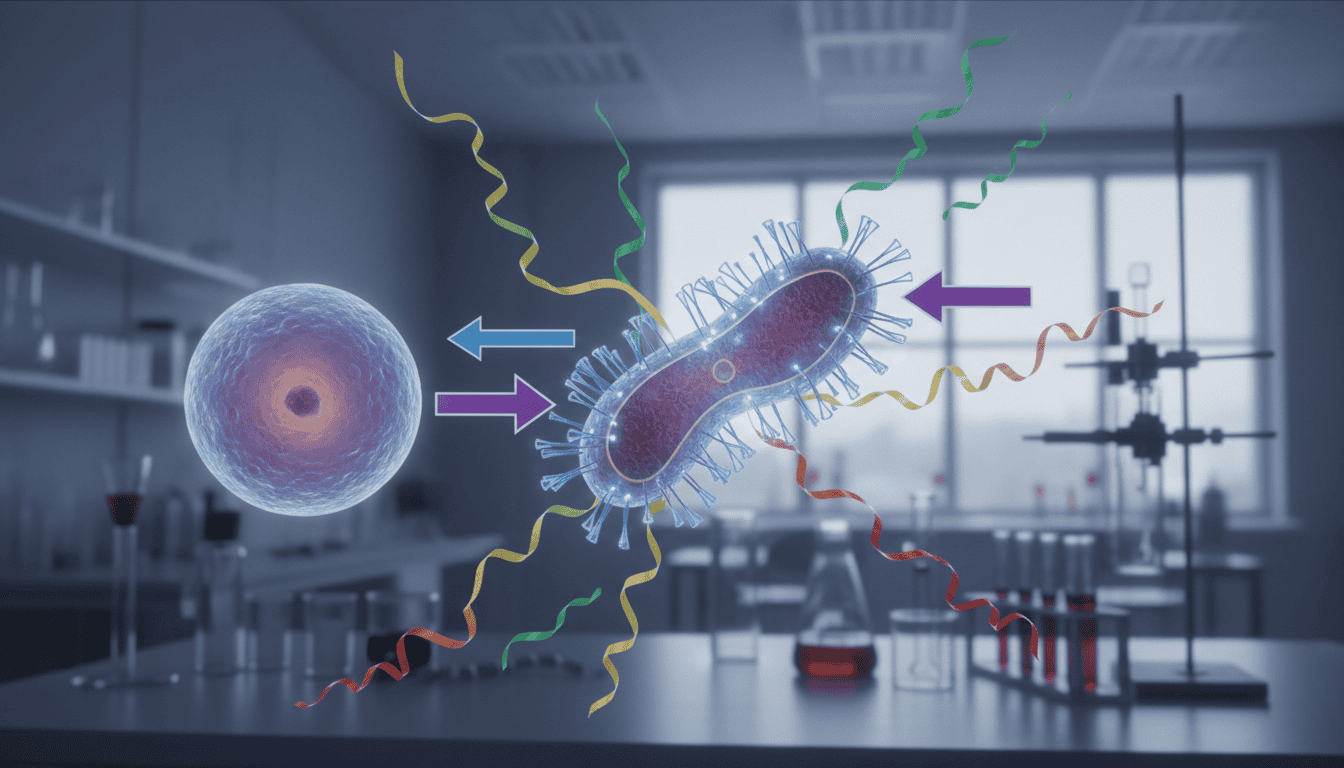
Your mitochondria are constantly eavesdropping on RNA conversations happening throughout your cells. These tiny powerhouses don’t just generate energy. They’re also sophisticated surveillance systems, monitoring different types of RNA molecules floating around the cytoplasm and using this information to adjust their own behaviour and send signals back to the cell nucleus.
What is mitochondrial RNA sensing
Mitochondria possess specialised proteins that can detect and bind to various RNA molecules present in the cellular environment. Think of these proteins as molecular antennae, constantly scanning for specific RNA signatures that indicate what’s happening elsewhere in the cell.
The mitochondria pick up on messenger RNA (mRNA), transfer RNA (tRNA), and even small regulatory RNAs. When these RNA-sensing proteins grab onto particular molecules, they trigger cascades of responses inside the mitochondria. The organelles might ramp up energy production, shift their metabolic pathways, or prepare defensive responses.
This system works both ways. Mitochondria also export their own RNA molecules into the cytoplasm, where they influence nuclear gene expression and cellular processes. Some mitochondrial RNAs even travel to the cell surface, where they can be packaged into vesicles and sent to neighbouring cells as molecular messages.
What the research shows
Scientists have identified several key RNA-sensing pathways in mitochondria that directly impact cellular function. When researchers expose cells to viral RNA, mitochondrial sensors immediately detect these foreign molecules and activate antiviral responses. The mitochondria essentially act as the cell’s security system, recognising molecular signatures that shouldn’t be there.
Studies reveal that mitochondria also respond to cellular stress by monitoring stress-induced RNAs. When cells experience heat shock, oxidative damage, or nutrient deprivation, specific RNA molecules accumulate in the cytoplasm. Mitochondrial sensors detect these stress signals and adjust energy production accordingly.
Research has shown that aging affects this RNA-sensing machinery. Older mitochondria become less responsive to RNA signals, leading to communication breakdowns between mitochondria and the rest of the cell. This contributes to the metabolic dysfunction often seen in aging tissues.
Experiments tracking RNA movement within cells demonstrate that mitochondria actively import certain RNAs from the cytoplasm while exporting others. This selective RNA trafficking allows mitochondria to fine-tune their responses based on real-time cellular conditions.
Why cells need this
RNA sensing gives mitochondria the ability to anticipate cellular needs before energy demands spike. Rather than waiting for direct chemical signals, mitochondria can read the cell’s RNA profile and prepare accordingly. If they detect RNAs associated with protein synthesis, they know to increase ATP production.
This system also provides rapid immune surveillance. Viral infections often leave RNA fingerprints that are distinctly different from normal cellular RNAs. Mitochondrial sensors can spot these differences within minutes and trigger defensive responses much faster than traditional immune pathways.
The RNA communication network allows cells to coordinate responses across large distances. A mitochondrion near the cell membrane can send RNA signals to mitochondria near the nucleus, creating coordinated responses throughout the entire cellular network.
Evolution likely preserved this mechanism because it provides cells with predictive capabilities. Instead of merely reacting to energy depletion or stress, cells can read molecular tea leaves and prepare for what’s coming next.
What affects mitochondrial RNA sensing
Age significantly impacts how well mitochondria can detect and respond to RNA signals. The RNA-sensing proteins themselves undergo modifications over time, becoming less sensitive to their target molecules. This contributes to the energy deficits commonly observed in aging cells.
Exercise appears to enhance mitochondrial RNA sensing capabilities. Physical activity increases the production of specific RNAs that mitochondria use as signals to improve their function and increase their numbers. Regular exercise essentially keeps the RNA communication channels well-maintained.
Nutritional status directly influences which RNAs are present in cells and how mitochondria interpret these signals. Calorie restriction, for example, generates specific RNA signatures that mitochondria recognise as cues to enhance their efficiency and activate longevity pathways.
Environmental toxins can interfere with RNA sensing by damaging the sensor proteins or by generating abnormal RNAs that confuse the system. Heavy metals and certain chemicals disrupted normal RNA-mitochondria communication in laboratory studies.
What remains unknown
Scientists are still mapping the full spectrum of RNAs that mitochondria can detect and respond to. New RNA species are regularly discovered, and researchers haven’t yet catalogued all the potential signals in this communication network.
The precise mechanisms controlling RNA transport into and out of mitochondria remain partially mysterious. While researchers know this trafficking occurs, they don’t fully understand how cells decide which RNAs get imported or exported and when.
How mitochondrial RNA sensing differs between cell types is another active area of investigation. A liver cell’s mitochondria likely respond to different RNA signals than a brain cell’s mitochondria, but these tissue-specific differences haven’t been thoroughly characterised.
The relationship between mitochondrial RNA sensing and disease development needs more exploration. Researchers suspect that disrupted RNA communication contributes to various conditions, but establishing direct causal relationships requires additional research.
This RNA-based communication system reveals mitochondria as far more sophisticated than simple cellular power plants. They’re active participants in an intricate molecular conversation that shapes how cells respond to their environment and maintain their health. Understanding this dialogue between mitochondria and the rest of the cell opens new perspectives on how cellular communities coordinate their activities and adapt to changing conditions.

Matt Elliott is the editor of Redox News Today, an independent publication covering peer-reviewed research on cellular health, redox signalling, and related biomedical science.