Your liver cells and your brain cells contain identical DNA, yet they couldn’t be more different. A liver cell produces enzymes to break down toxins while a brain cell fires electrical signals across synapses. They’re reading from the same genetic instruction manual but following completely different chapters. This cellular specialisation happens through epigenetics, a system that controls which genes get switched on or off without changing the DNA sequence itself.
What is epigenetic control
Think of your DNA as a massive library containing 20,000 books (genes). Epigenetic mechanisms act like librarians, deciding which books stay locked away and which ones get pulled out and read. These molecular librarians use several tools to control gene access.
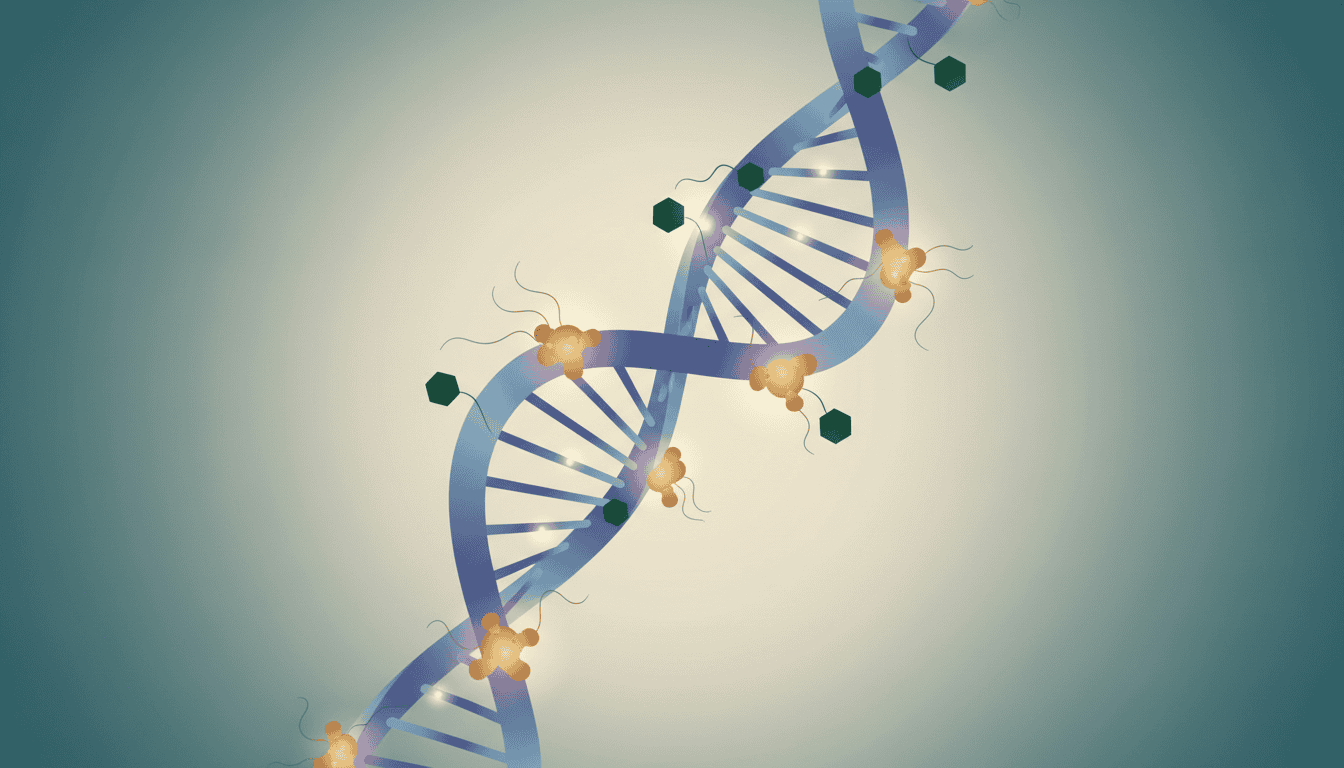
DNA methylation works like putting books in storage. When methyl groups attach to specific DNA sequences, they typically silence those genes. Histone modifications work differently. Histones are protein spools that DNA wraps around, and chemical tags on these histones can either tighten or loosen the DNA packaging, making genes harder or easier to access.
The third major player is non-coding RNA. These RNA molecules don’t make proteins themselves but instead regulate other genes, acting like molecular switches that can turn gene expression up or down. Together, these mechanisms create what scientists call the epigenome, a dynamic control system that responds to cellular needs and environmental signals.
What the research shows
Studies reveal that epigenetic patterns change constantly throughout life. Researchers tracking identical twins find that their epigenetic marks diverge over time, even when their DNA stays the same. Environmental factors leave molecular signatures on the epigenome that can persist for years.
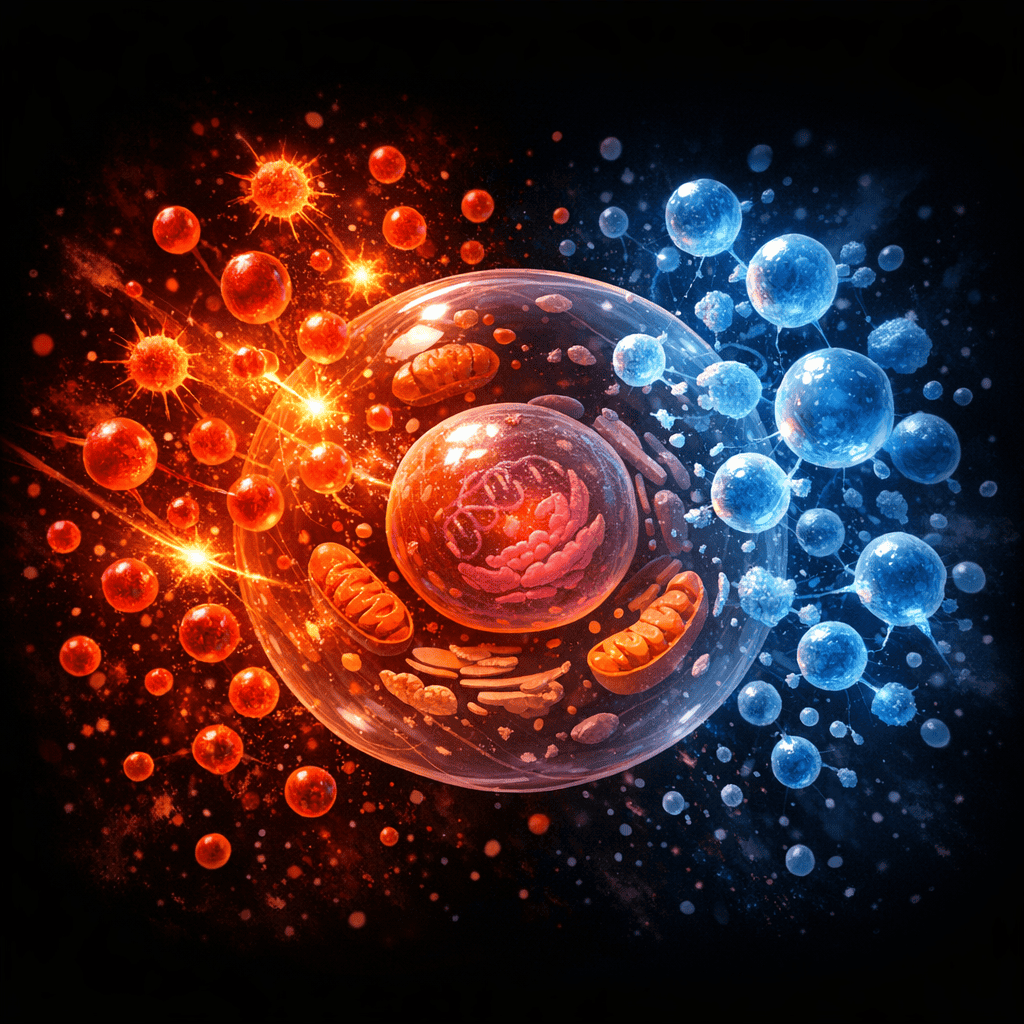
Scientists have observed how different types of stress create distinct epigenetic patterns. Physical stress from exercise triggers one set of modifications, while oxidative stress from cellular damage creates another. Some of these changes happen within hours, while others accumulate slowly over decades.
Research on ageing shows particularly striking patterns. As cells age, they tend to lose methylation at some sites while gaining it at others. This isn’t random drift but follows predictable patterns so consistent that scientists can estimate someone’s biological age by examining their methylation profile. The epigenetic clock, as researchers call it, often tells a different story than chronological age.
Studies of cellular reprogramming have revealed just how flexible these systems can be. Scientists can take adult cells and use specific factors to reset their epigenetic marks, turning them back into stem cells. This shows that epigenetic changes, unlike genetic mutations, are potentially reversible.
Why cells need this system
Evolution preserved epigenetic control because it solves several biological problems that fixed genetic programming cannot handle. First, it allows one genome to create hundreds of different cell types. Every cell in your body started as the same fertilised egg, yet epigenetic control enables them to specialise into neurons, muscle cells, immune cells, and dozens of other types.
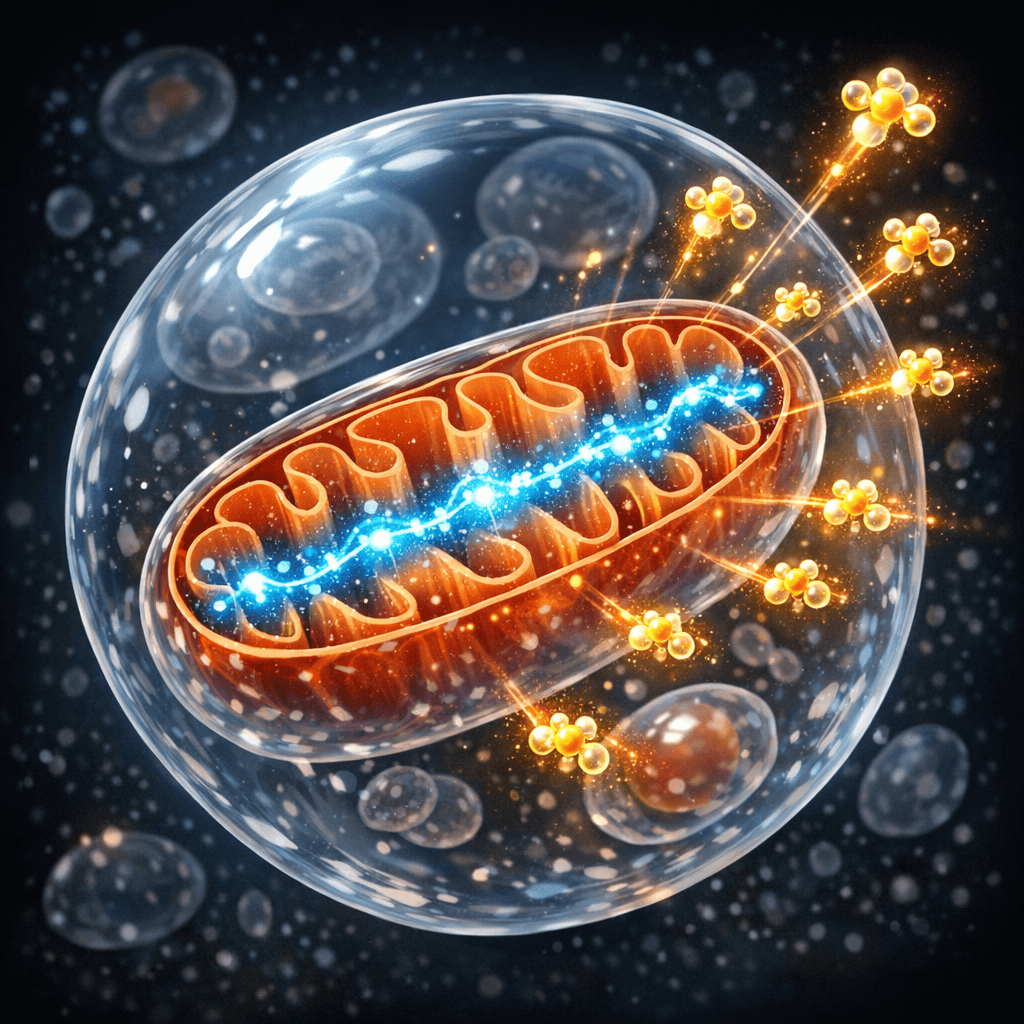
Second, epigenetic mechanisms allow cells to remember past experiences and prepare for future challenges. When cells encounter oxidative stress, they don’t just activate protective genes temporarily. They often maintain some of those changes, creating a form of cellular memory that helps them respond faster if the same stress occurs again.
This system also enables rapid adaptation to environmental changes without waiting for genetic evolution. If food becomes scarce or toxin exposure increases, epigenetic modifications can adjust gene expression within a single generation. Some of these modifications can even pass to offspring, giving them a head start in dealing with similar environmental challenges.
The reversibility of epigenetic changes provides another evolutionary advantage. Unlike genetic mutations, which are usually permanent, epigenetic modifications can be undone if circumstances change. This gives organisms flexibility to adapt their gene expression to current conditions while maintaining the ability to reverse course later.
What affects epigenetic patterns
Research shows that virtually everything cells encounter can influence their epigenetic landscape. Nutrient availability plays a major role. When cells detect abundant nutrients, they adjust their epigenetic marks to support growth and division. During nutrient scarcity, different patterns emerge that prioritise cellular maintenance and stress resistance.
Physical activity creates widespread epigenetic changes in muscle, brain, and immune cells. These modifications help explain why exercise benefits persist even after training stops. The cellular memory encoded in epigenetic marks continues to influence gene expression for weeks or months.
Sleep patterns affect epigenetic regulation in circadian clock genes and beyond. Shift work and irregular sleep schedules create persistent changes in how cells regulate their daily rhythms. Age remains one of the most predictable influences on epigenetic patterns, with certain modifications accumulating so reliably that they serve as biomarkers of cellular ageing.
Even social and psychological factors can leave epigenetic signatures. Studies of chronic social stress show lasting changes in immune cell gene expression patterns. The molecular mechanisms linking psychological states to cellular function often run through epigenetic pathways.
What remains unknown
Scientists are still working out how different epigenetic modifications interact with each other. The relationship between DNA methylation, histone modifications, and regulatory RNAs creates a web of interactions that researchers are only beginning to map. Understanding these interactions could reveal new ways that cells integrate multiple signals to control gene expression.
The inheritance of epigenetic changes across generations remains particularly puzzling. While some modifications clearly pass from parent to offspring, scientists don’t fully understand which ones persist and why. The mechanisms that determine whether an epigenetic change gets transmitted or erased during reproduction are still being worked out.
Perhaps most intriguingly, researchers don’t yet understand the full extent of epigenetic reversibility. Some modifications appear permanent while others change readily. Figuring out what determines the stability of different epigenetic marks could reveal fundamental principles about how cells balance adaptability with stability.
The precision of epigenetic targeting also remains mysterious. How do the enzymes that add or remove epigenetic marks know exactly where to act? The specificity mechanisms that guide these modifications to the right genes at the right times represent a major frontier in current research.
Epigenetic research reveals cells as dynamic entities that constantly adjust their gene expression in response to internal and external cues. Rather than passive recipients of genetic programming, cells actively interpret their environment and modify their function accordingly. This flexibility helps explain how identical genetic material can create the remarkable diversity of cell types and behaviours that make complex life possible. Understanding these mechanisms offers insights into fundamental questions about development, ageing, and cellular adaptation that have puzzled biologists for decades.

Matt Elliott is the editor of Redox News Today, an independent publication covering peer-reviewed research on cellular health, redox signalling, and related biomedical science.