Your liver cells receive hundreds of molecular messages every second, but only act on some of them. A protein called YTHDF1 works like a selective librarian, deciding which oxidative stress signals get read and which get ignored. When this system breaks down in metabolic liver disease, cells lose their ability to mount proper antioxidant defences.
What is YTHDF1
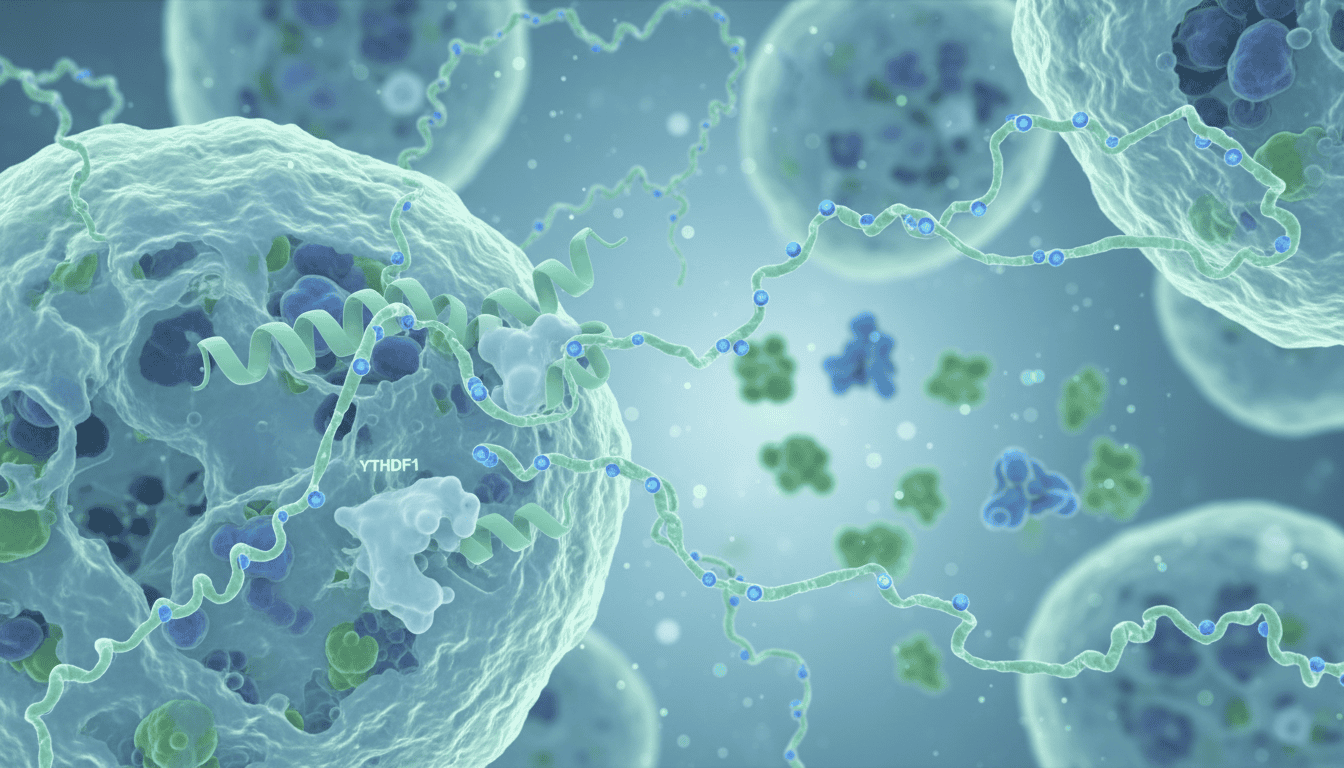
YTHDF1 belongs to a family of proteins that read chemical modifications on RNA molecules. Think of RNA as cellular photocopies of DNA instructions. These copies often carry small chemical tags called methyl groups, like Post-it notes stuck to important passages in a document.
YTHDF1 specifically recognises one type of tag called N6-methyladenosine, or m6A for short. When it finds these tags on RNA molecules, it helps shuttle them to the cellular machinery that builds proteins. This process determines which genetic instructions actually get turned into working proteins and which remain dormant.
The protein acts as a bridge between modified RNA and protein synthesis. Without YTHDF1, many tagged RNA molecules would float around the cell without ever becoming functional proteins. This makes it a crucial controller of gene expression, particularly during times of cellular stress.
What the research shows
Studies on liver cells reveal that YTHDF1 becomes hyperactive during metabolic stress. Researchers observed this by tracking the protein’s behaviour in liver tissue from animals fed high-fat diets, a model that mimics human metabolic liver disease.
When liver cells accumulate fat and experience oxidative damage, YTHDF1 changes its target preferences. Instead of processing a normal mix of RNA molecules, it becomes selective for those encoding antioxidant enzymes and stress response proteins. This shift happens within hours of metabolic stress beginning.
Scientists found that reducing YTHDF1 activity made liver cells more vulnerable to oxidative damage. These cells produced fewer protective enzymes like catalase and glutathione peroxidase. Conversely, when researchers boosted YTHDF1 levels, cells became more resilient to fat-induced oxidative stress, though only up to a point.
The protein’s activity correlates with the severity of liver damage in metabolic disease models. As fat accumulation increases and oxidative stress worsens, YTHDF1 works harder to process stress-response RNA molecules, but eventually becomes overwhelmed.
Why cells need this
The liver processes everything you consume, making it constantly exposed to potentially harmful compounds. This organ needs rapid, flexible responses to oxidative threats. YTHDF1 provides a way to quickly ramp up antioxidant production without waiting for new gene transcription.
Traditional gene activation requires cells to make fresh RNA copies from DNA, then translate those into proteins. This process takes time. YTHDF1 offers a shortcut by helping cells use RNA molecules that are already present but chemically silenced. When stress hits, removing these molecular brakes allows immediate protein production.
This system evolved because liver cells face unpredictable oxidative challenges. The foods we eat, toxins we encounter, and metabolic demands we place on our bodies change constantly. Having pre-made RNA instructions ready for rapid deployment gives cells a survival advantage during sudden stress spikes.
The selectivity of YTHDF1 also prevents wasteful cellular responses. Rather than randomly activating all available genes during stress, the protein helps cells focus resources on producing exactly the protective proteins they need most.
What affects YTHDF1
Age significantly impacts YTHDF1 function in liver cells. Older animals show reduced protein levels and altered target recognition patterns. This decline correlates with decreased stress tolerance in aged liver tissue, suggesting the protein’s activity naturally wanes over time.
Diet composition influences how YTHDF1 responds to metabolic challenges. High-fat diets initially boost the protein’s activity, but prolonged exposure leads to dysfunction. Diets rich in antioxidants appear to preserve normal YTHDF1 function longer, though the mechanisms remain unclear.
Alcohol consumption disrupts YTHDF1 signalling pathways. Even moderate drinking alters the protein’s ability to recognise appropriate RNA targets. This disruption may explain why alcohol accelerates liver damage in people with metabolic disorders.
Sleep deprivation and circadian rhythm disruption affect YTHDF1 levels. The protein follows daily cycles that align with natural feeding and fasting periods. Shift work and irregular sleep patterns can desynchronise this rhythm, potentially compromising cellular stress responses.
Exercise appears to enhance YTHDF1 sensitivity to oxidative signals. Regular physical activity maintains the protein’s ability to rapidly respond to metabolic challenges, even in the presence of dietary stressors.
What remains unknown
Scientists still cannot predict which specific RNA molecules YTHDF1 will target during different types of stress. The rules governing its selectivity remain mysterious. Some RNA molecules carry identical chemical tags but receive completely different treatment from the protein.
The relationship between YTHDF1 activity and liver disease progression needs clarification. While the protein clearly responds to metabolic stress, researchers debate whether its hyperactivity contributes to disease or represents a protective response that eventually fails.
How YTHDF1 communicates with other cellular stress sensors remains largely unexplored. The liver contains multiple systems for detecting and responding to oxidative damage. Understanding how these pathways coordinate could reveal new therapeutic approaches.
The timing of YTHDF1 interventions poses another puzzle. Some studies suggest early enhancement protects against disease, while others indicate that boosting activity during established liver damage might be harmful. This paradox complicates efforts to develop targeted therapies.
Researchers also cannot explain why YTHDF1 function varies so dramatically between individuals with similar metabolic profiles. Genetic factors likely play a role, but identifying the relevant variants requires much larger studies.
The discovery of YTHDF1’s role in liver oxidative stress reveals how cells use layered control systems to survive in changing environments. This research points toward a future where understanding RNA modifications could help predict disease progression and identify new intervention points. The liver’s sophisticated stress response networks suggest that cellular resilience depends not just on having the right genetic instructions, but on reading them at exactly the right moments.

Matt Elliott is the editor of Redox News Today, an independent publication covering peer-reviewed research on cellular health, redox signalling, and related biomedical science.