Your cells harbour an ancient partnership that began two billion years ago when one bacterium swallowed another. The engulfed bacterium became the mitochondrion, keeping its own DNA while the host cell maintained nuclear control. These cellular powerhouses and their headquarters have been exchanging molecular messages ever since, but scientists have struggled to eavesdrop on their conversations until now.
What is mitochondrial-nuclear communication
Mitochondria are the only cellular structures outside the nucleus that maintain their own genetic material. Your mitochondrial DNA contains just 37 genes compared to the roughly 20,000 genes in your nuclear DNA. This creates a coordination challenge that cells solved through an intricate messaging system.
The nucleus acts like a corporate headquarters, sending instructions about energy production, stress responses, and cellular repair. Mitochondria respond by reporting their status and requesting resources. When mitochondria detect damage or stress, they fire off distress signals that can trigger nuclear genes to produce repair proteins or even initiate programmed cell death.
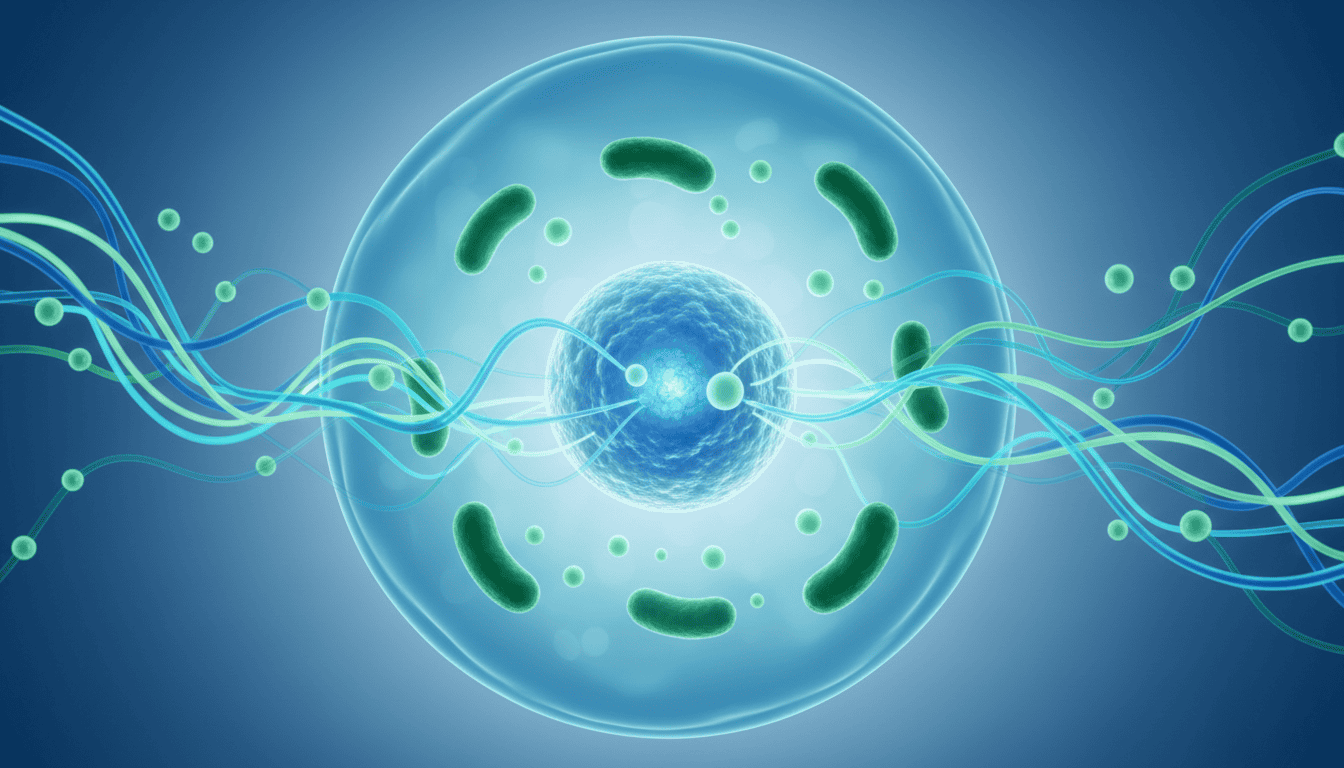
This two-way communication involves multiple molecular languages. The nucleus sends transcription factors and regulatory RNAs into mitochondria, while mitochondria export metabolites, calcium signals, and reactive oxygen species that influence nuclear gene expression. The challenge for researchers has been tracking these molecular conversations in real time without disrupting the delicate cellular environment.
What the research shows
Scientists developed a technique that tags specific molecules as they travel between mitochondria and nuclei, creating a molecular tracking system inside living cells. The method combines fluorescent markers with advanced microscopy to follow communication pathways that were previously invisible.
Researchers discovered that mitochondria and nuclei exchange far more information than previously understood. They identified distinct communication highways where specific types of molecules travel in predictable patterns. Some pathways activate only during cellular stress, while others maintain constant background chatter about energy needs and metabolic status.
The technique revealed that damaged mitochondria become chatty, increasing their signalling to the nucleus by up to 300% compared to healthy mitochondria. This cellular SOS system triggers nuclear responses within minutes, not hours as scientists previously thought. The nucleus responds by ramping up production of mitochondrial repair proteins and adjusting cellular metabolism to compensate for the struggling powerhouses.
Perhaps most surprisingly, researchers found that mitochondria in different parts of the same cell send distinct messages to the nucleus. Mitochondria near the cellular membrane report different information than those clustered around the nucleus, suggesting a sophisticated positioning strategy for optimal communication.
Why cells need this system
The evolutionary pressure to maintain this complex communication system makes perfect sense when you consider the consequences of mitochondrial failure. Without functional mitochondria, cells cannot produce adequate energy and quickly die. The communication network serves as an early warning system that prevents catastrophic cellular failure.
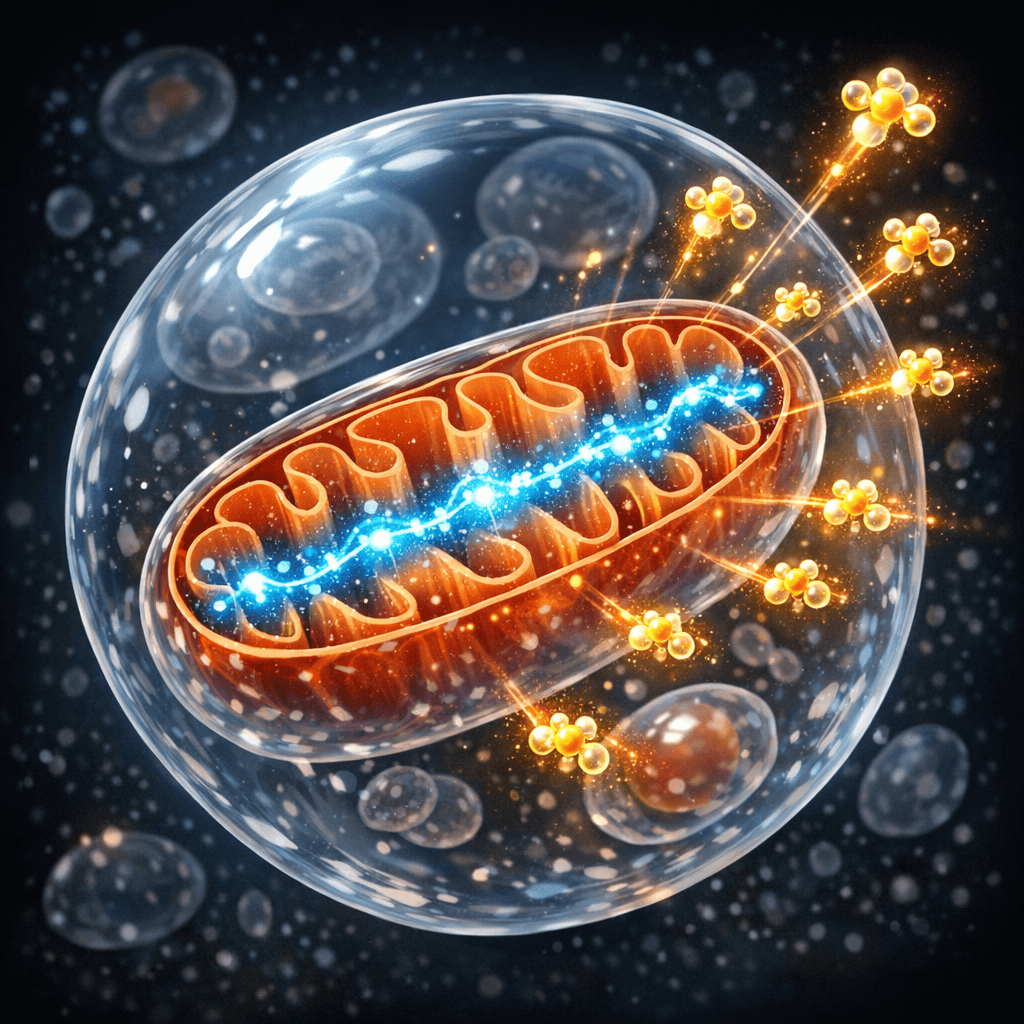
This partnership also allows cells to fine-tune their energy production based on changing demands. When you exercise, your muscle cells need more ATP, the cellular energy currency. Mitochondria signal this increased demand to the nucleus, which responds by producing more mitochondrial proteins and even triggering the creation of new mitochondria.
The system provides quality control through constant monitoring. Mitochondria that accumulate too much damage send termination signals that lead to their selective destruction, a process called mitophagy. Without this communication, defective mitochondria would persist and potentially harm the cell through the production of harmful reactive oxygen species.
The communication network also coordinates cellular responses to environmental stress. During periods of nutrient scarcity, mitochondria adjust their metabolism and report the changes to the nucleus, which then modifies gene expression to help the cell survive until conditions improve.
What affects mitochondrial-nuclear communication
Ageing appears to disrupt these cellular conversations. Studies show that communication pathways become less efficient in older cells, potentially explaining why mitochondrial function declines with age. The molecular signals become weaker and take longer to travel between cellular compartments.
Environmental toxins interfere with the communication system by damaging the molecular machinery responsible for producing and detecting signals. Heavy metals, pesticides, and air pollutants can all disrupt normal mitochondrial-nuclear crosstalk, forcing cells to operate with impaired coordination.
Cellular stress from various sources affects the communication balance. Heat shock, oxidative stress, and nutrient deprivation all alter the types and intensity of signals exchanged between mitochondria and nuclei. Some stressors enhance communication initially but can overwhelm the system if prolonged.
Genetic variations also influence communication efficiency. Mutations in genes encoding signalling molecules or their receptors can create communication breakdowns that affect cellular function. These genetic differences may explain why some people show greater resilience to mitochondrial dysfunction than others.
What remains unknown
Scientists still struggle to understand how cells prioritise different types of mitochondrial signals when multiple messages arrive simultaneously. The nucleus somehow processes and integrates various inputs from hundreds or thousands of mitochondria, but the decision-making algorithms remain mysterious.
The role of mitochondrial positioning in cellular communication presents another puzzle. Researchers know that mitochondria move constantly within cells and cluster in specific locations, but they cannot yet predict how positioning changes affect signalling patterns or cellular responses.
The long-term consequences of communication disruptions need further investigation. While scientists can observe immediate effects of impaired mitochondrial-nuclear crosstalk, they do not fully understand how these disruptions contribute to cellular ageing, disease development, or death.
Researchers also want to map the complete vocabulary of mitochondrial-nuclear communication. They suspect many signalling molecules remain undiscovered, and the full complexity of the molecular language may exceed current understanding.
This research opens new windows into cellular biology that could reshape our understanding of how cells maintain themselves and respond to challenges. The ancient partnership between mitochondria and nuclei continues to reveal its secrets, reminding us that even the smallest cellular conversations carry evolutionary wisdom developed over billions of years. Each new communication pathway discovered adds another piece to the puzzle of how life maintains its remarkable complexity and resilience.

Matt Elliott is the editor of Redox News Today, an independent publication covering peer-reviewed research on cellular health, redox signalling, and related biomedical science.