Your immune cells burn through energy at rates that would make a sports car jealous. A single activated T cell can ramp up its energy production 20-fold in just hours, demanding fresh mitochondrial machinery to keep pace. Behind this cellular transformation sits Ak4, a small protein that acts as quality control manager for the DNA copying process inside these powerhouse organelles.
What is Ak4 protein
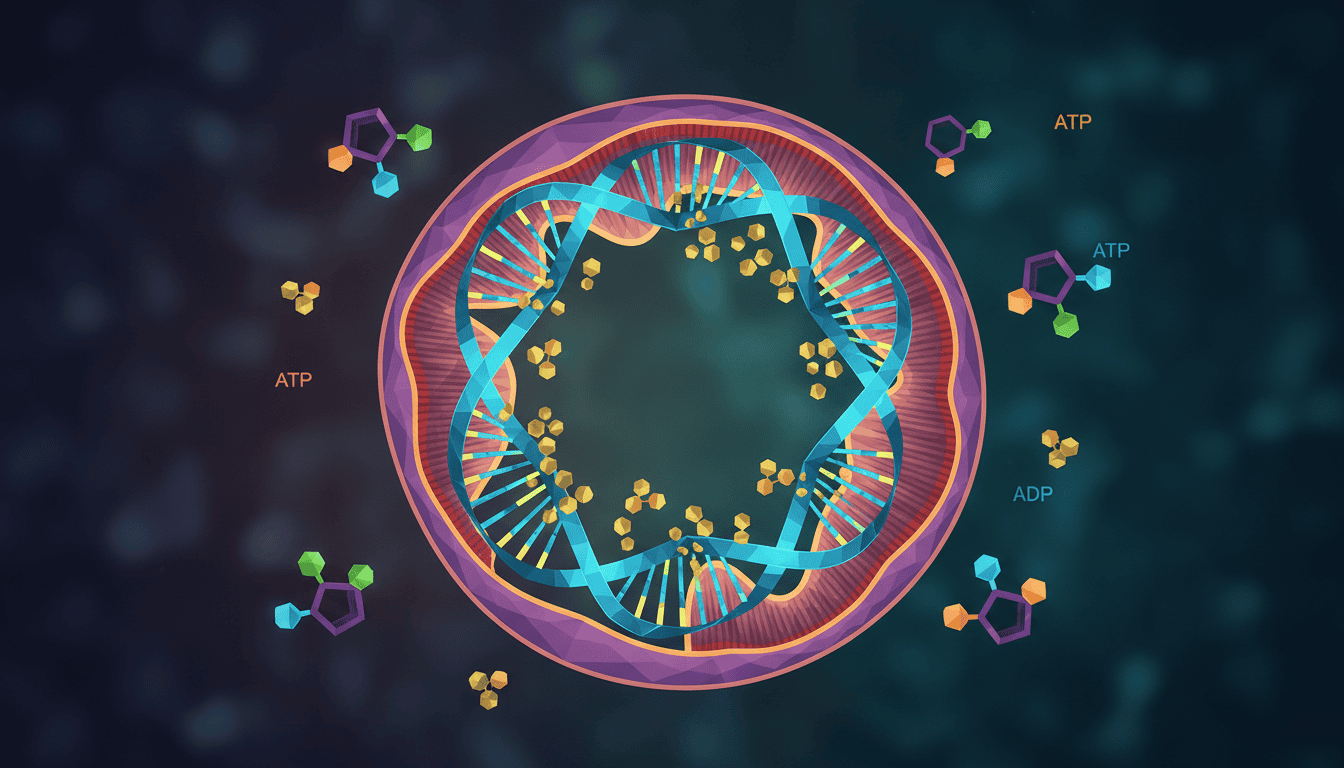
Adenylate kinase 4, or Ak4, operates inside mitochondria where it maintains the delicate balance of energy molecules needed for DNA synthesis. Think of it as a molecular accountant. It tracks the ratios of ATP, ADP, and AMP, the cellular equivalents of charged and discharged batteries.
When mitochondria copy their circular chromosome, they need steady supplies of building blocks called nucleotides. Each nucleotide requires specific energy molecules to be assembled correctly. Ak4 ensures these energy currencies stay in proper proportion by converting two ADP molecules into one ATP and one AMP when needed.
This protein becomes especially active in immune cells during activation. While most body cells maintain fairly stable energy demands, immune cells shift dramatically between resting and fighting states. A resting lymphocyte might contain just a few hundred mitochondria, but an activated one can build thousands more in days.
What the research shows
Scientists studying immune cell activation discovered that Ak4 levels spike dramatically when T cells encounter their target antigens. Within 24 hours of activation, these cells increase Ak4 production by up to 10-fold. Remove Ak4 from the equation, and mitochondrial DNA copying stumbles.
Researchers tracked mitochondrial DNA synthesis in immune cells with and without functional Ak4. Cells lacking this protein showed 60-70% reductions in new mitochondrial DNA production. They could still make some copies, but the process became inefficient and error-prone.
The protein appears to work by maintaining local pools of ATP right where DNA polymerase gamma, the mitochondrial DNA copying enzyme, does its work. Without Ak4, energy molecules become depleted in these crucial spots, even when the cell overall has plenty of fuel available.
Laboratory experiments revealed another key finding: Ak4 helps coordinate the timing of mitochondrial biogenesis with nuclear gene expression programmes. When immune cells ramp up for action, they need both nuclear and mitochondrial genes working in harmony. Ak4 serves as part of this synchronisation system.
Why cells need this
Immune responses demand explosive energy production under tight time constraints. A pathogen doesn’t wait for cells to gradually increase their power output. The immune system must scale up rapidly or risk losing the battle.
Mitochondria contain their own small genomes encoding 13 essential proteins for energy production. These proteins form core components of the electron transport chain, the cellular machinery that generates ATP. Without fresh copies of mitochondrial DNA, new mitochondria lack proper blueprints for energy production.
Evolution preserved Ak4 because it solves a specific logistics problem. Mitochondrial DNA synthesis happens in discrete locations called nucleoids, small compartments scattered throughout each mitochondrion. These spots need concentrated energy supplies, but they’re often far from where ATP gets produced. Ak4 acts as a local energy depot, maintaining fuel supplies exactly where DNA copying occurs.
The protein also provides quality control. DNA synthesis requires precise ratios of different nucleotides. If energy supplies become unbalanced, the wrong building blocks might get incorporated, leading to mutations. Ak4 helps prevent this by keeping energy metabolism steady during the vulnerable copying process.
What affects Ak4 function
Age influences Ak4 activity in immune cells. Older adults show reduced Ak4 expression in T cells, which correlates with slower immune responses and reduced mitochondrial biogenesis during activation. Whether this represents cause or consequence remains unclear.
Metabolic stress impacts Ak4 function. High glucose environments, like those found in diabetes, can alter the protein’s activity patterns. Some studies suggest chronically elevated blood sugar interferes with Ak4’s ability to maintain proper energy ratios in mitochondria.
Exercise appears to influence Ak4 expression in immune cells, though the relationship isn’t straightforward. Moderate physical activity tends to support healthy Ak4 levels, while extreme endurance exercise might temporarily suppress the protein in some immune cell populations.
Nutritional factors also play roles. Deficiencies in B vitamins, particularly those involved in nucleotide synthesis, can strain the systems Ak4 supports. The protein can maintain energy balance, but it can’t create building blocks that aren’t available.
What remains unknown
Scientists still puzzle over how Ak4 coordinates with other mitochondrial quality control systems. Multiple proteins oversee mitochondrial health, but their exact interactions during DNA synthesis remain murky. Some evidence suggests Ak4 communicates with proteins that monitor mitochondrial calcium levels, but the signalling mechanisms aren’t clear.
The relationship between Ak4 and mitochondrial diseases presents another research frontier. Some genetic conditions affecting mitochondrial DNA stability also show altered Ak4 expression, but whether this protein could serve as a therapeutic target requires more investigation.
Researchers also wonder about tissue-specific differences in Ak4 function. Most studies focus on immune cells, but the protein exists in other cell types too. Does it play similar roles in neurons, muscle cells, or liver cells? Each tissue has unique energy demands that might require different regulatory approaches.
The evolutionary history of adenylate kinases raises intriguing questions. Why did cells develop multiple versions of these enzymes rather than relying on one versatile protein? Understanding this specialisation might reveal new aspects of cellular energy management.
Ak4 represents one piece in the intricate puzzle of cellular energy management. As researchers map more connections between metabolism and immune function, proteins like this illuminate how evolution solved the challenge of rapid cellular adaptation. The immune system’s ability to shift from surveillance to full combat mode depends on countless molecular partnerships, with Ak4 ensuring the power stays on when cells need it most.

Matt Elliott is the editor of Redox News Today, an independent publication covering peer-reviewed research on cellular health, redox signalling, and related biomedical science.