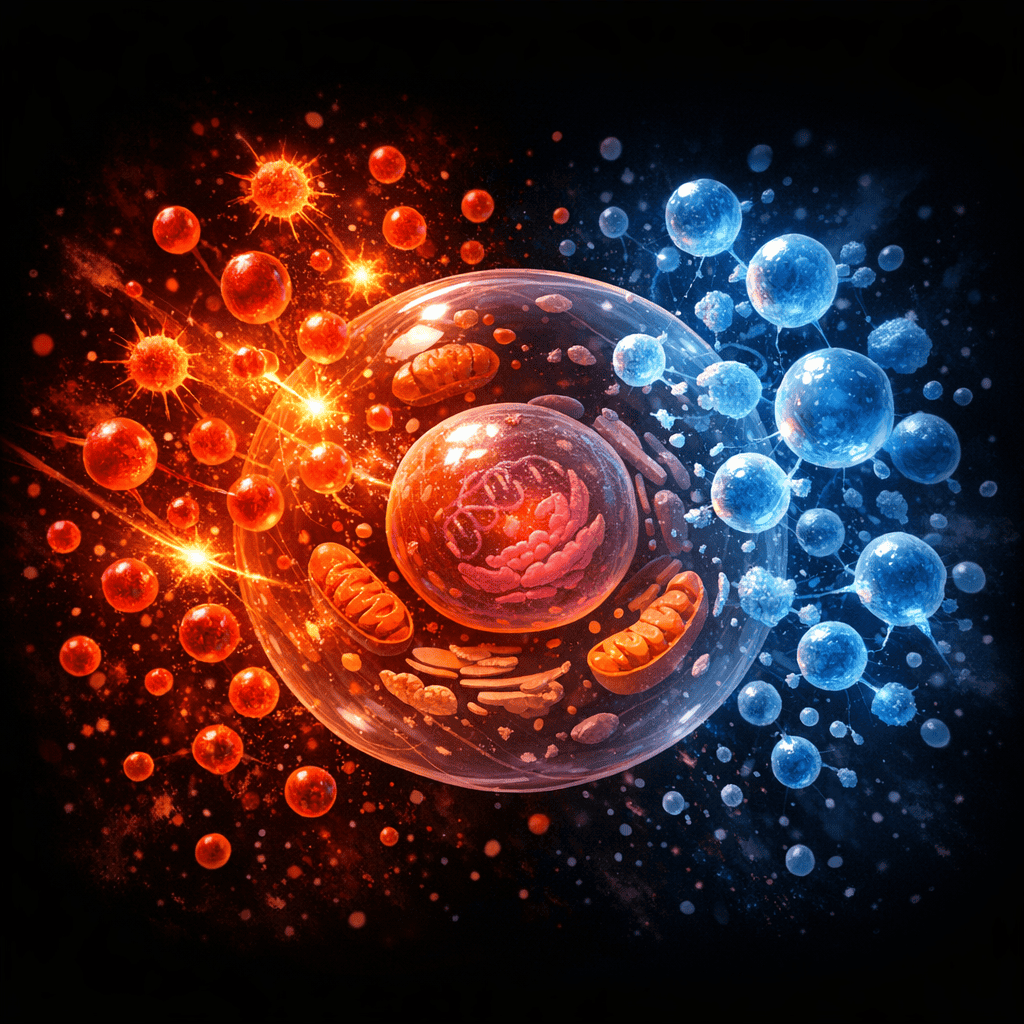
Your liver cells contain hundreds of mitochondria working around the clock to keep you alive. Each one generates energy while carefully managing reactive oxygen species. But when pathogenic bacteria invade, they can hijack these cellular power plants and turn them into sources of destruction.
What is mitochondrial dysfunction during bacterial infection
Mitochondria in liver cells normally operate like well-oiled factories. They burn fuel, produce ATP, and maintain strict quality control over reactive oxygen species production. These organelles contain their own DNA and sophisticated machinery for energy production.
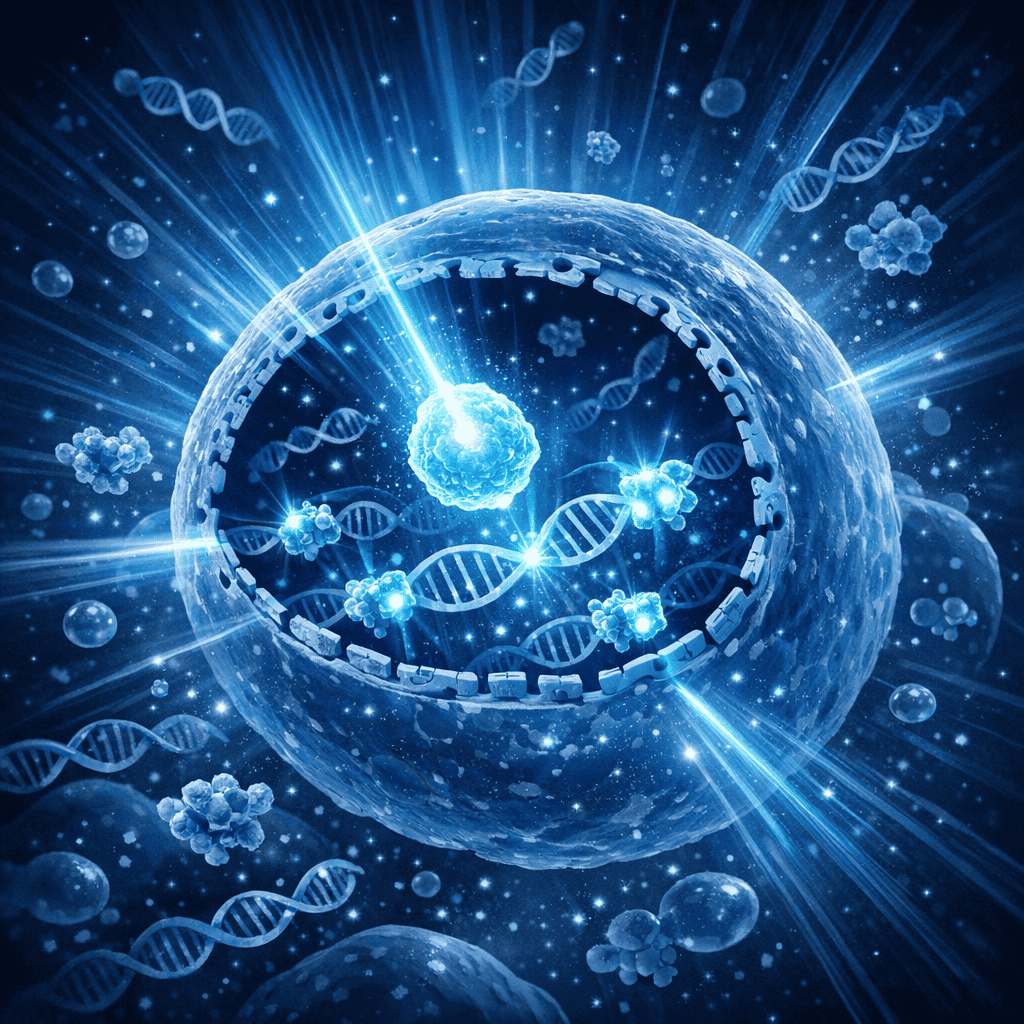
When bacteria like E. coli or Salmonella infect liver tissue, they release toxins and trigger inflammatory responses that disrupt normal mitochondrial function. The bacterial endotoxins directly interfere with the electron transport chain. This causes electrons to leak out prematurely, creating excessive superoxide radicals instead of clean energy production.
The mitochondria essentially shift from controlled energy generation to chaotic free radical production. Their membranes become leaky. Their DNA gets damaged. The entire cellular energy system starts breaking down just when liver cells need power most to mount an immune response.
What the research shows
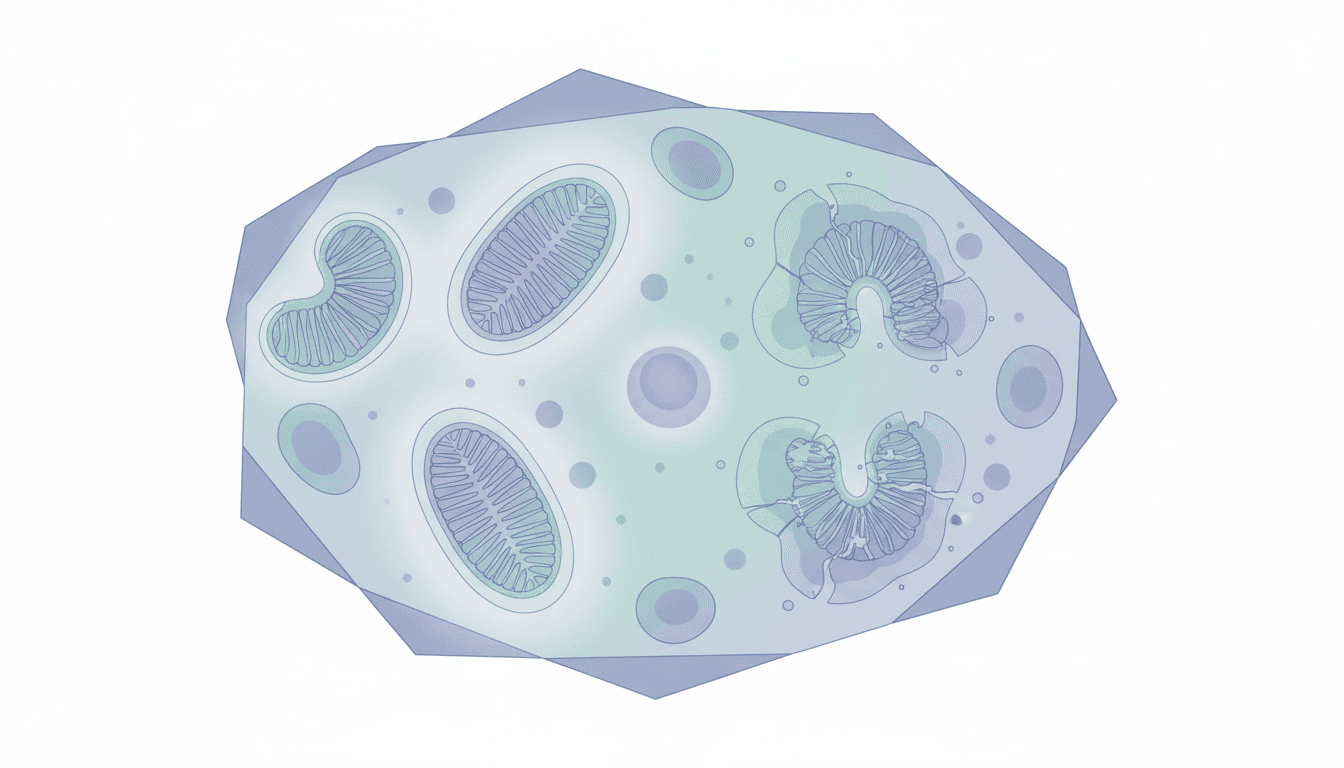
Scientists studying infected liver cells observe several distinct changes in mitochondrial behaviour. The organelles swell up and lose their characteristic cristae structure. Researchers can measure dramatic drops in ATP production within hours of bacterial toxin exposure.
The electron transport complexes, particularly Complex I and Complex III, show reduced activity. This forces electrons to find alternative pathways, generating superoxide and hydrogen peroxide at rates that overwhelm cellular antioxidant defences.
Calcium handling goes haywire. Infected liver cells show massive calcium influx into mitochondria, which further damages the electron transport system and triggers the opening of permeability transition pores. These pores essentially punch holes in mitochondrial membranes.
The cellular cleanup systems can’t keep pace. Normally, damaged mitochondria get tagged for removal through mitophagy. But bacterial infections suppress this quality control mechanism, leaving dysfunctional mitochondria to accumulate and produce more oxidative damage.
Why cells need this
This might seem like cellular self-destruction, but the mitochondrial response to infection serves specific evolutionary purposes. The initial burst of reactive oxygen species acts as a danger signal, alerting other cellular systems to mount an immune response.
Some pathogens actually depend on mitochondrial function to establish infection. By disrupting mitochondrial metabolism, liver cells can starve certain bacteria of the cellular resources they need to replicate. It’s a scorched earth strategy.
The oxidative stress also activates transcription factors like NF-kB, which switches on genes for inflammatory cytokines and antimicrobial proteins. This helps coordinate the broader immune response against the bacterial invasion.
But evolution optimised this system for acute infections. The mitochondrial dysfunction is supposed to be temporary, with cellular repair mechanisms kicking in once the immediate threat passes.
What affects mitochondrial dysfunction during infection
Age significantly impacts how liver cell mitochondria respond to bacterial challenge. Older mitochondria have less efficient antioxidant systems and more baseline DNA damage. They’re more vulnerable to the additional stress of infection.
Nutritional status plays a major role. Cells with adequate levels of antioxidant nutrients like vitamin C, vitamin E, and glutathione precursors show better mitochondrial resilience during bacterial infections. Iron status matters too, since excess iron can accelerate oxidative damage.
Pre-existing liver conditions amplify the problem. Fatty liver disease already stresses mitochondria through lipid overload. When bacterial infection hits cells that are already struggling with metabolic dysfunction, the mitochondrial collapse happens faster and more severely.
The specific bacterial species matters enormously. Different pathogens produce distinct toxins that target different aspects of mitochondrial function. Gram-negative bacteria release lipopolysaccharides that directly inhibit respiratory complexes, while some Gram-positive species produce toxins that primarily disrupt calcium handling.
What remains unknown
Scientists still don’t fully understand why some liver cells recover normal mitochondrial function after bacterial clearance while others remain permanently damaged. The factors determining cellular fate during infection remain unclear.
The timing puzzles researchers. How do cells balance the need for oxidative stress signalling against preventing excessive mitochondrial damage? The molecular switches controlling this balance haven’t been fully mapped.
Individual variation adds another layer of mystery. People with identical bacterial infections show dramatically different patterns of liver mitochondrial dysfunction. Genetic factors clearly play a role, but researchers haven’t identified all the relevant variants.
The long-term consequences remain poorly understood. Can repeated bacterial infections cause cumulative mitochondrial damage that persists after the infections clear? How does this might contribute to age-related liver dysfunction?
The relationship between bacterial infections and mitochondrial dysfunction in liver cells reveals the delicate balance cellular systems must maintain. These power plants that normally sustain life can become sources of destruction when pathogens disrupt their careful biochemistry. Understanding this process opens windows into both infectious disease and the fundamental biology of cellular energy production.

Matt Elliott is the editor of Redox News Today, an independent publication covering peer-reviewed research on cellular health, redox signalling, and related biomedical science.