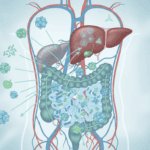
Your immune cells face a deadly paradox during bacterial infections. They need to produce reactive oxygen species to kill invading bacteria, but these same molecules can destroy healthy tissue. Now researchers have discovered that blocking a receptor called RAGE might help tip this balance in favour of cellular survival.
What is RAGE
RAGE stands for Receptor for Advanced Glycation End products, though its name barely hints at what it actually does. This protein sits on cell surfaces like a molecular alarm system, detecting danger signals both from outside threats and internal cellular damage.
When bacteria invade tissue, they release molecular fragments that RAGE recognises as foreign. But RAGE also responds to damage-associated molecular patterns, or DAMPs. These are essentially distress signals that injured cells release when they’re dying or under severe stress.
Once activated, RAGE doesn’t just sound the alarm. It amplifies inflammatory responses and increases oxidative stress throughout the surrounding tissue. Think of it as turning up the volume on cellular chaos when cells are already struggling to cope with a bacterial invasion.
What the research shows
Scientists studying bacterial infections discovered something unexpected when they blocked RAGE signalling in laboratory models. Cells survived better during infections, even though the initial bacterial load remained the same.
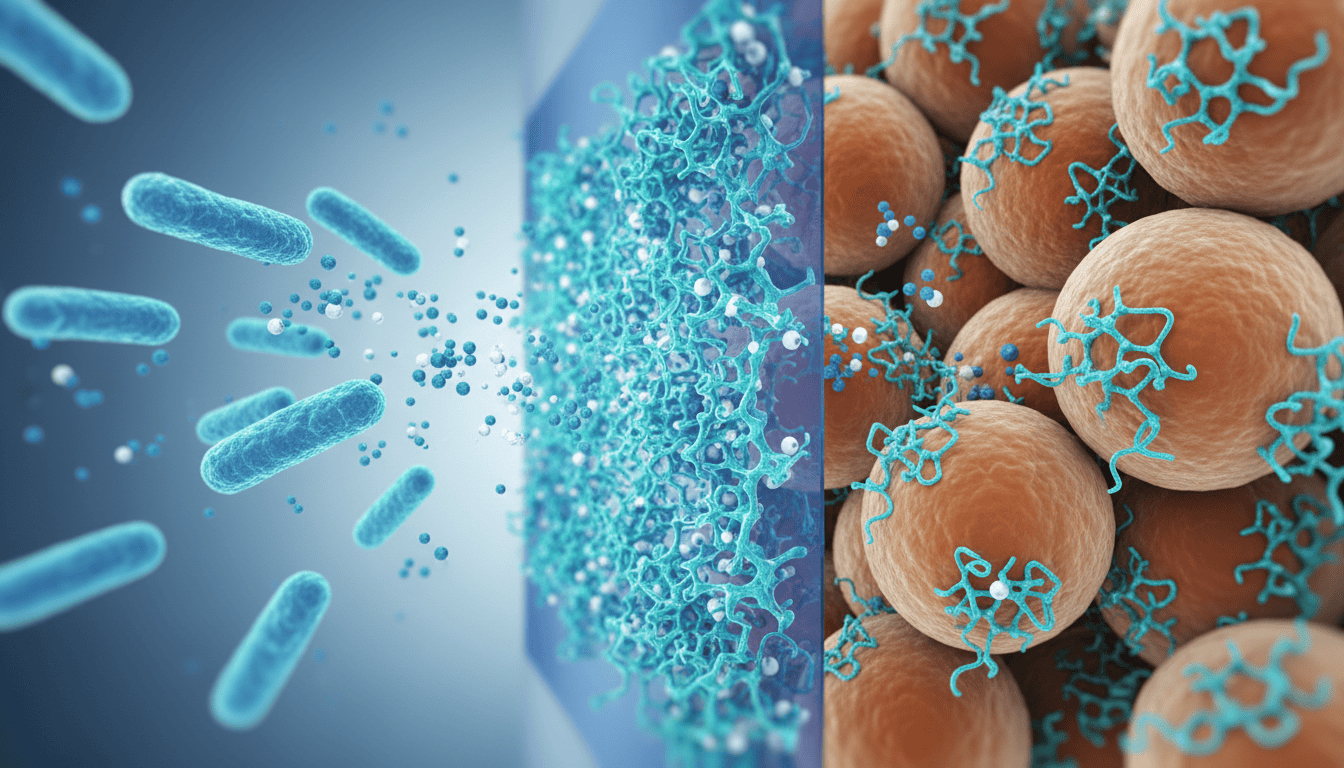
The protective effect wasn’t because RAGE inhibitors killed more bacteria directly. Instead, blocking RAGE reduced the collateral damage that immune responses inflict on healthy cells. Researchers observed lower levels of lipid peroxidation, less protein oxidation, and better preservation of cellular antioxidant systems.
When immune cells encounter bacteria, they typically ramp up production of superoxide, hydrogen peroxide, and other reactive oxygen species. This oxidative burst helps destroy pathogens, but it also damages nearby healthy tissue. RAGE inhibitors appeared to reduce this friendly fire effect without completely shutting down antimicrobial responses.
Studies also showed that blocking RAGE helped maintain cellular energy production during infections. Mitochondria, the cell’s power plants, often suffer extensive damage when oxidative stress levels spike during immune responses. RAGE inhibitors seemed to provide some protection for these vital organelles.
Why cells need this
The existence of RAGE creates an interesting evolutionary puzzle. Why would cells maintain a receptor that amplifies damage during infections? The answer lies in the delicate balance between pathogen clearance and tissue preservation.
RAGE signalling likely evolved as a way to ensure robust immune responses against serious threats. When bacteria breach tissue barriers, a strong inflammatory response increases the chances of clearing the infection quickly. The temporary tissue damage might be acceptable if it prevents a more devastating systemic infection.
But this system can backfire in modern contexts. Chronic infections, antibiotic-resistant bacteria, and age-related changes in immune function can all tip the balance towards excessive tissue damage. In these situations, RAGE’s amplification of oxidative stress becomes more harmful than helpful.
The receptor also responds to sterile injury and chronic inflammatory conditions. This suggests RAGE serves as a general danger sensor, not just an infection detector. Its role in amplifying oxidative stress might help clear damaged cells and debris, promoting tissue repair in the long term.
What affects RAGE activity
Age significantly influences RAGE expression and activity. Older adults tend to have higher baseline RAGE levels and stronger responses to bacterial infections. This might partly explain why elderly individuals often experience more severe tissue damage during infections, even when antibiotic treatment successfully clears the bacteria.
Diabetes and metabolic disorders also affect RAGE signalling. High blood glucose leads to increased formation of advanced glycation end products, RAGE’s original target molecules. This creates a state of chronic RAGE activation that can worsen oxidative damage during subsequent bacterial infections.
Dietary factors play a role too. Foods cooked at high temperatures contain more advanced glycation end products, potentially increasing RAGE activation. Conversely, antioxidant-rich foods might help buffer some of the oxidative stress that RAGE signalling promotes.
Stress hormones like cortisol can influence RAGE expression, though the relationship appears complex. Short-term stress might temporarily reduce RAGE activity, while chronic stress could have the opposite effect.
What remains unknown
Scientists still don’t fully understand when blocking RAGE helps versus hinders infection outcomes. The timing of RAGE inhibition might be critical, but researchers haven’t identified the optimal windows for intervention.
The relationship between RAGE and different types of bacterial infections needs more investigation. Some pathogens might be more vulnerable to RAGE-mediated oxidative stress, making inhibition counterproductive for certain infections.
Questions also remain about RAGE’s role in tissue repair after infections clear. Does blocking RAGE during the acute infection phase affect healing and regeneration later? The long-term consequences of RAGE inhibition aren’t well characterised.
Researchers are still working out how RAGE interacts with other cellular stress response pathways. The receptor doesn’t operate in isolation, and its effects on oxidative stress likely depend on the status of other protective systems like NRF2 signalling and heat shock responses.
Understanding how cells balance pathogen clearance with self-preservation reveals something fundamental about multicellular life. We’re essentially collections of cells that must sometimes sacrifice some members to protect the whole organism. RAGE inhibitors offer a glimpse into how we might fine-tune this balance, helping cells survive the oxidative storms that our own immune systems create. The real challenge lies in learning when to dial down the response and when to let it run at full intensity.

Matt Elliott is the editor of Redox News Today, an independent publication covering peer-reviewed research on cellular health, redox signalling, and related biomedical science.