
The Cellular Powerhouse: What NAD+ Actually Does
Nicotinamide adenine dinucleotide (NAD+) stands as one of the most fundamental molecules in cellular biology, yet its importance often goes unrecognised outside scientific circles. This small but mighty coenzyme participates in hundreds of enzymatic reactions throughout every cell in our bodies, serving as a critical electron carrier in the complex machinery of cellular metabolism.
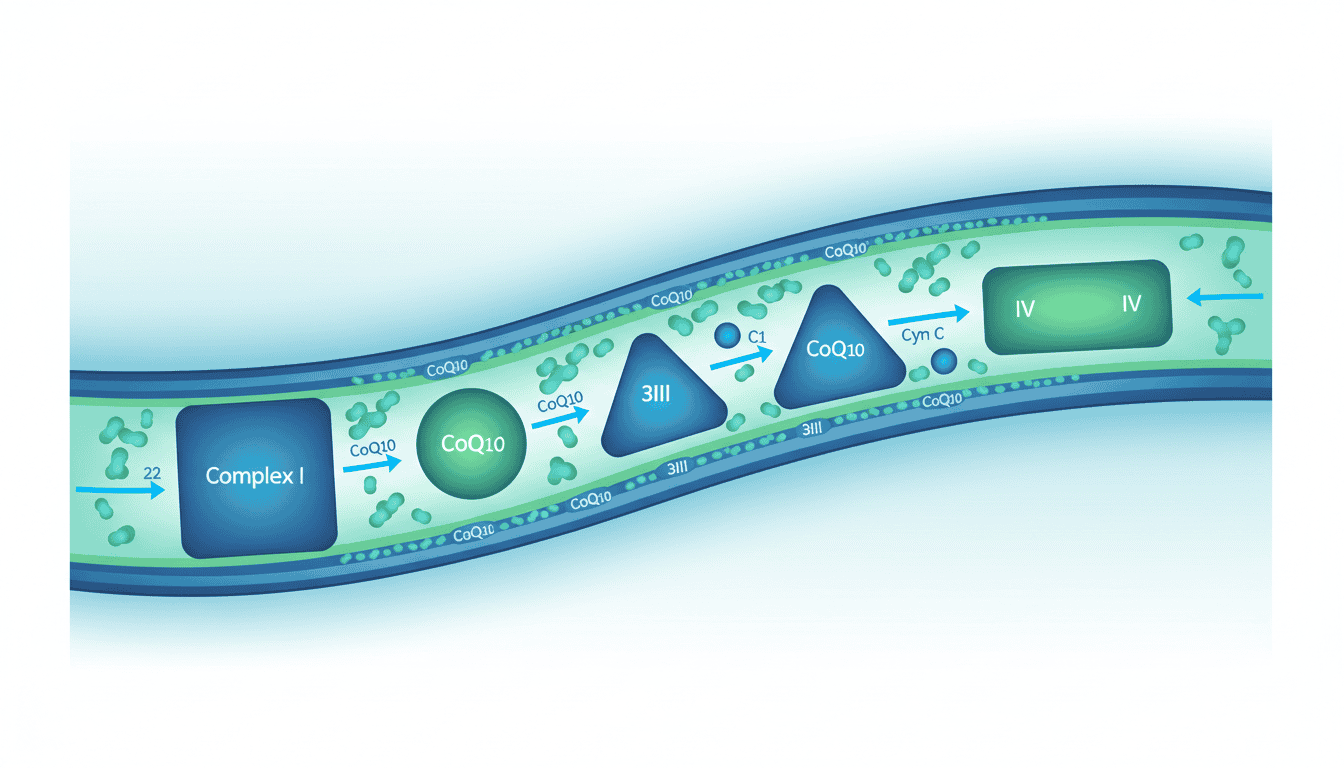
At its core, NAD+ functions as a shuttle service for electrons, accepting and donating them during metabolic processes. In glycolysis, the citric acid cycle, and the electron transport chain, NAD+ captures electrons from nutrients like glucose and fats, becoming reduced to NADH in the process. This electron transport system forms the foundation of how cells extract energy from food and convert it into ATP, the universal energy currency of life.
Beyond energy metabolism, NAD+ serves as a substrate for several classes of enzymes that regulate critical cellular functions. Sirtuins, a family of proteins often called longevity enzymes, consume NAD+ to modify other proteins and influence gene expression patterns related to stress resistance and metabolic efficiency. Poly ADP ribose polymerases (PARPs) use NAD+ to facilitate DNA repair processes, whilst CD38 and other NAD+ consuming enzymes participate in cellular signalling pathways.
The Metabolic Foundation of Cellular Energy
The relationship between NAD+ and cellular energy production represents one of biology’s most elegant systems. During cellular respiration, NAD+ accepts electrons from metabolic intermediates, allowing the breakdown of nutrients to continue. Without adequate NAD+, this process stalls, leading to decreased ATP production and compromised cellular function.
This process occurs continuously in every metabolically active cell, from neurons firing electrical signals to muscle fibres contracting during movement. The NAD+/NADH ratio serves as a cellular energy gauge, influencing metabolic pathways and signalling to other cellular systems about energy availability. When NAD+ levels are sufficient, cells can efficiently extract energy from nutrients. When levels decline, metabolic efficiency decreases accordingly.
The coenzyme also plays crucial roles in maintaining cellular redox balance. The cycling between NAD+ and NADH helps regulate the oxidation reduction reactions that govern cellular metabolism, influencing everything from fatty acid synthesis to amino acid metabolism. This regulatory function extends beyond simple energy production, affecting how cells respond to nutritional changes and metabolic stress.
The Inevitable Decline: Why NAD+ Levels Drop With Age
Research has consistently demonstrated that NAD+ levels decline progressively with age across multiple species and tissue types. This decline typically begins in middle age and continues throughout the lifespan, with some tissues showing decreases of 50% or more in older individuals compared to younger counterparts.
Several interconnected mechanisms contribute to this age related decline. Increased consumption represents one major factor, as DNA damage accumulates over time, leading to greater PARP activation and subsequent NAD+ consumption for repair processes. Chronic low level inflammation, common in ageing, also increases NAD+ consumption through various enzymatic pathways.
Simultaneously, the cellular machinery responsible for NAD+ synthesis becomes less efficient with age. The enzymes involved in both the de novo synthesis pathway from tryptophan and the salvage pathways from nicotinamide and nicotinic acid show decreased activity in aged tissues. This creates a problematic scenario where NAD+ consumption increases whilst production capacity decreases.
CD38, an enzyme that degrades NAD+, shows increased expression with age in many tissues, further accelerating the depletion process. This enzyme, whilst serving important functions in immune signalling, becomes overactive in aged tissues, contributing significantly to NAD+ decline in certain contexts.
Cellular Consequences of NAD+ Depletion
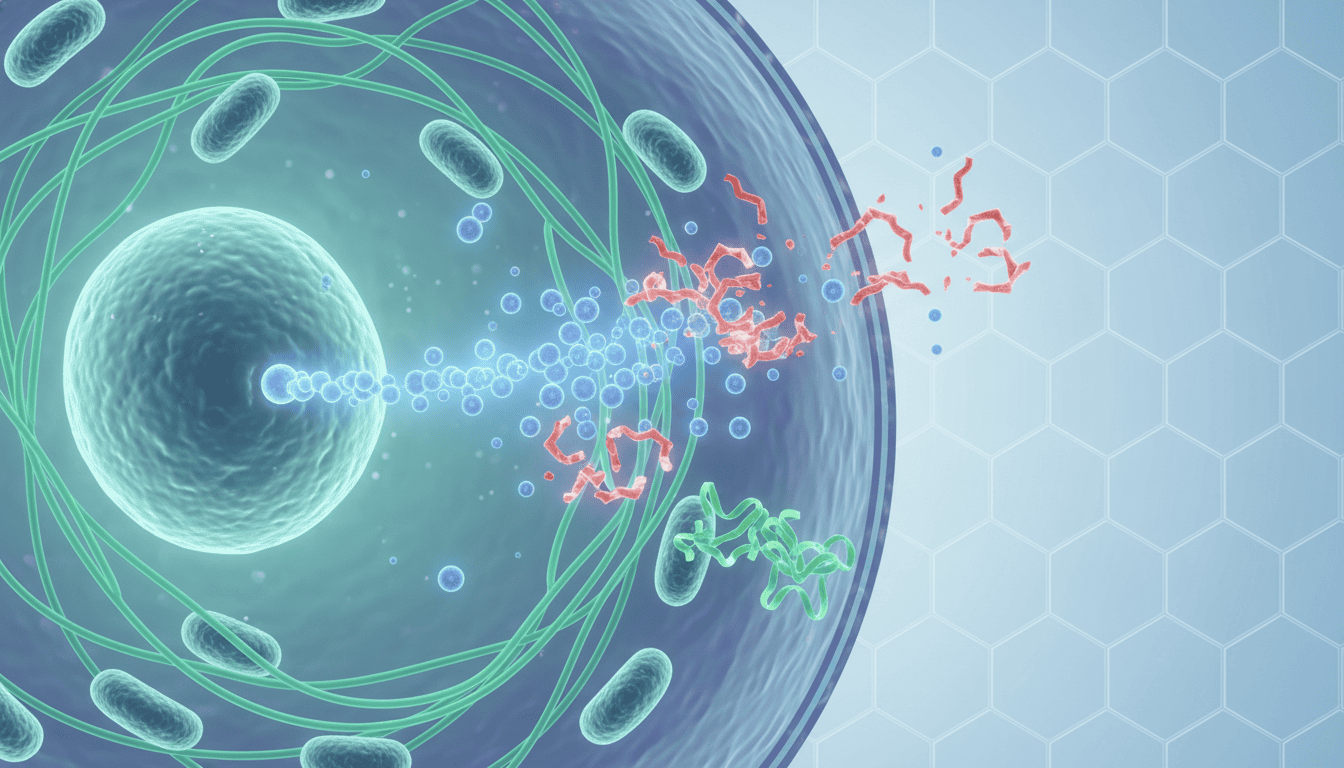
The functional implications of declining NAD+ levels extend throughout cellular physiology. Mitochondrial function, heavily dependent on NAD+ for electron transport, shows measurable decreases as NAD+ levels drop. This manifests as reduced ATP production capacity, increased production of reactive oxygen species, and altered cellular metabolism.
Sirtuin activity also declines in parallel with NAD+ availability, potentially affecting the cellular stress response systems these enzymes regulate. Research suggests that optimal sirtuin function requires adequate NAD+ substrate availability, and age related NAD+ decline may compromise these protective pathways.
DNA repair capacity may also be affected, as PARP enzymes require NAD+ to function effectively. Paradoxically, whilst increased DNA damage leads to greater NAD+ consumption, declining NAD+ levels may impair the very repair processes needed to address this damage, creating a potentially problematic cycle.
These cellular changes don’t occur in isolation but rather contribute to the complex web of age related physiological changes. Decreased metabolic efficiency, altered gene expression patterns, and compromised stress responses all interconnect to influence overall cellular health and function.
The Broader Context of Cellular Maintenance
Understanding NAD+ decline provides insight into one aspect of the broader challenge cells face in maintaining optimal function throughout the lifespan. The age related decrease in this critical coenzyme illustrates how cellular systems that function efficiently in youth may become compromised over time through accumulated damage and decreased regenerative capacity.
The NAD+ story exemplifies the interconnected nature of cellular health, where the decline of one critical component can have cascading effects throughout multiple physiological systems. This understanding reinforces the importance of comprehensive approaches to supporting cellular function that address the complex web of factors influencing cellular health rather than focusing on isolated components.

Matt Elliott is the editor of Redox News Today, an independent publication covering peer-reviewed research on cellular health, redox signalling, and related biomedical science.