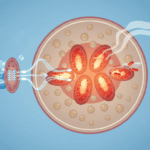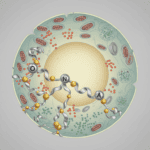

Your immune cells are remarkably good at their job, but they have one glaring weakness: they cannot handle blood sugar chaos. When glucose levels swing wildly in your bloodstream, your body’s defenders transform from precise tactical units into frazzled, oxidatively damaged casualties of metabolic war.
What is glucose-induced oxidative stress
Blood sugar affects immune cells in ways that go far beyond simple fuel supply. When glucose floods into immune cells during a spike, these cells face an immediate problem. They cannot simply store the excess sugar like muscle or fat cells do.
Instead, immune cells push this glucose through their metabolic machinery at maximum speed. This creates a cascade of reactive oxygen species. Think of it like revving a car engine in neutral – the system works harder but produces more exhaust than it can clear.
The mitochondria in immune cells become overwhelmed. They produce superoxide radicals faster than the cell’s antioxidant systems can neutralise them. These reactive molecules then damage proteins, lipids, and DNA within the immune cells themselves. The very cells designed to protect you become victims of their own metabolic processes.
This oxidative damage does not happen in isolation. It triggers inflammatory signalling pathways that make the whole situation worse. Damaged immune cells release more inflammatory molecules, creating a feedback loop of cellular stress.
What the research shows
Scientists have documented exactly how glucose spikes affect different immune cell types. Neutrophils, the first responders of your immune system, show dramatic increases in oxidative stress markers within hours of glucose elevation. Their ability to fight infections drops measurably.
Macrophages tell a similar story. These large immune cells normally clean up cellular debris and coordinate immune responses with surgical precision. High glucose exposure makes them hyperactive and indiscriminate. They release inflammatory molecules unnecessarily and struggle to distinguish between real threats and normal tissue.
T cells face their own glucose-related challenges. Research shows that these adaptive immune cells lose their ability to form proper immunological memory when exposed to repeated glucose spikes. This means your body becomes less effective at remembering and responding to pathogens it has encountered before.
Laboratory studies reveal that the timing of glucose exposure matters enormously. Steady, moderate glucose levels allow immune cells to function normally. But rapid spikes and crashes create far more oxidative stress than the same average glucose level delivered steadily over time.
The research also shows that this damage accumulates. Immune cells exposed to repeated glucose swings develop permanent changes in their gene expression patterns. They become chronically inflamed and less responsive to normal regulatory signals.
Why cells need glucose regulation
Evolution designed immune cells to work best under stable metabolic conditions. Our ancestors lived with relatively steady blood sugar levels, interrupted only by occasional feast or famine periods. Immune cells evolved sophisticated machinery to handle these predictable patterns.
Glucose provides the rapid energy immune cells need during an infection response. When fighting pathogens, these cells must multiply quickly and produce large amounts of antimicrobial compounds. This process demands substantial metabolic resources, and glucose serves as the primary fuel.
However, immune cells also need tight metabolic control to avoid friendly fire incidents. Uncontrolled oxidative stress can damage healthy tissue just as effectively as it can kill pathogens. The same reactive oxygen species that help neutrophils destroy bacteria will also harm surrounding cells if not properly contained.
The evolutionary logic becomes clear: immune cells need enough glucose to function effectively, but they also need stable glucose delivery to maintain their precision targeting systems. Wild glucose swings overwhelm the cellular machinery that keeps oxidative stress under control.
What affects glucose-induced oxidative stress
Diet timing and composition directly influence how glucose affects immune cells. Meals high in refined carbohydrates create sharp glucose spikes that immune cells struggle to handle. Mixed meals containing protein, fat, and fibre create gentler, more sustained glucose curves.
Sleep deprivation makes everything worse. Research shows that immune cells from sleep-deprived individuals show greater oxidative stress responses to glucose challenges. Poor sleep seems to compromise the cellular machinery needed to handle metabolic stress.
Physical activity has a protective effect, but the timing matters. Regular exercise helps immune cells develop better glucose handling capacity. However, intense exercise immediately after large meals can temporarily worsen glucose-induced oxidative stress in immune cells.
Age plays a significant role. Older adults show greater immune cell vulnerability to glucose-induced oxidative stress. This may partially explain why metabolic health becomes increasingly important for immune function as we age.
Chronic stress hormones amplify the problem. Cortisol and adrenaline make immune cells more susceptible to glucose-induced oxidative damage. This creates a particularly problematic situation where psychological stress and metabolic stress reinforce each other.
What remains unknown
Scientists still struggle to quantify exactly how much glucose variation immune cells can handle before suffering meaningful damage. The thresholds likely vary between individuals and change with age, fitness level, and overall health status.
The long-term consequences of glucose-induced immune cell damage remain unclear. Researchers can measure immediate oxidative stress markers, but they do not fully understand how this translates into real-world immune function over months or years.
Recovery mechanisms present another puzzle. Some immune cells can repair glucose-induced oxidative damage, but others cannot. Scientists are still mapping which cell types have robust repair systems and which remain permanently affected by metabolic stress.
The interaction between glucose-induced oxidative stress and other cellular stressors needs more research. How does this metabolic damage interact with stress from infections, environmental toxins, or psychological pressure? The combined effects likely exceed the sum of individual stressors, but the mathematics remain unclear.
Individual variation represents perhaps the biggest unknown. Why do some people’s immune cells handle glucose swings better than others? Genetics certainly play a role, but environmental factors and epigenetic modifications probably matter too.
The relationship between blood sugar and immune function reveals how intimately connected our metabolic and defence systems really are. Every meal creates ripple effects that extend far beyond simple energy provision. Understanding these connections helps explain why metabolic health affects every aspect of cellular function, from infection resistance to tissue repair. The immune system, for all its sophistication, remains remarkably vulnerable to the basic chemistry of how we fuel our bodies.

Matt Elliott is the editor of Redox News Today, an independent publication covering peer-reviewed research on cellular health, redox signalling, and related biomedical science.