How Glutathione Defends Cells When Illness Strikes

Featured image for How Glutathione Defends Cells When Illness Strikes

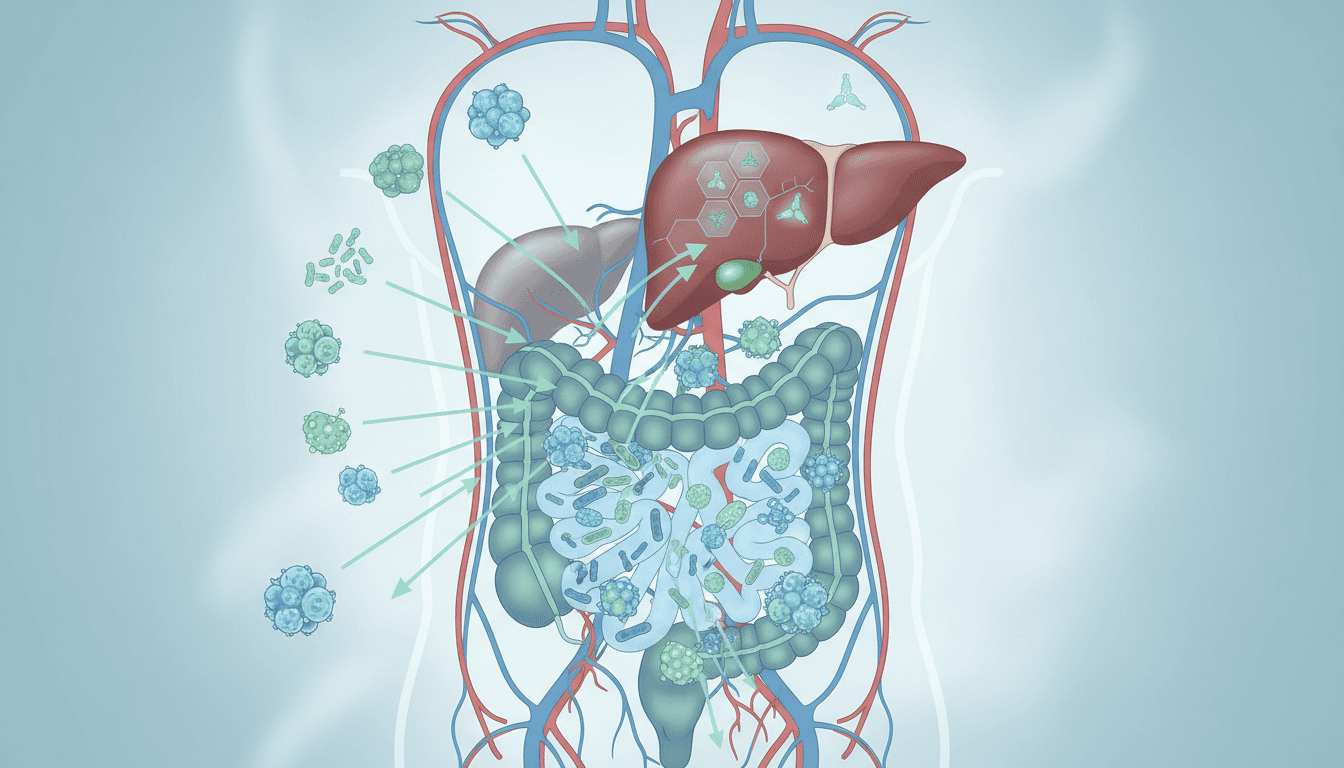
During illness, immune cells produce reactive oxygen species to fight pathogens, but this oxidative warfare can damage healthy tissues. Glutathione serves as the primary cellular defence, neutralising harmful molecules while supporting immune function and cellular repair.

What Makes Your Body Produce More Glutathione Naturally

Featured image for What Makes Your Body Produce More Glutathione Naturally

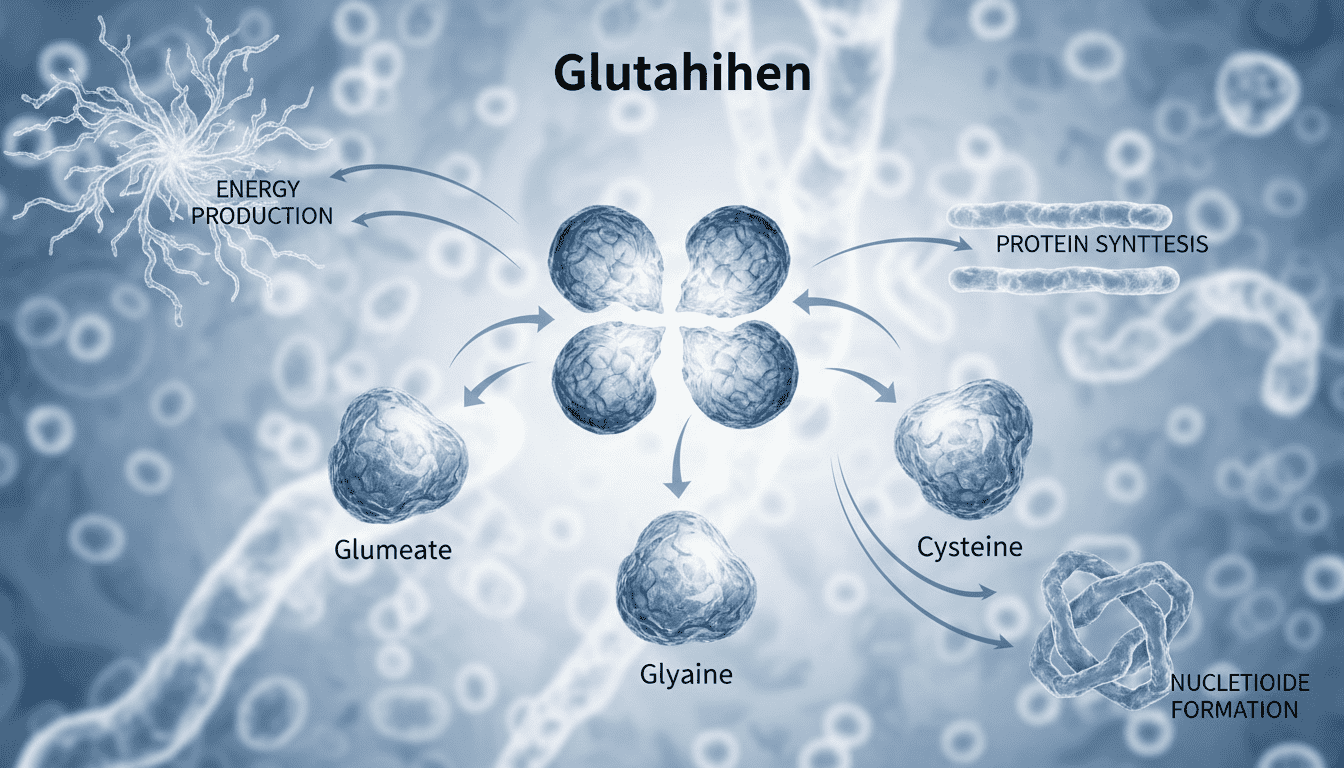
Your body manufactures glutathione, the master cellular antioxidant, from three amino acids using a two-step process inside every cell. Research shows that sulfur-rich foods, moderate exercise, and quality sleep all influence your body’s natural production of this critical molecule.

The Enzyme That Guards Your Cells Against Toxic Oxygen

Featured image for The Enzyme That Guards Your Cells Against Toxic Oxygen

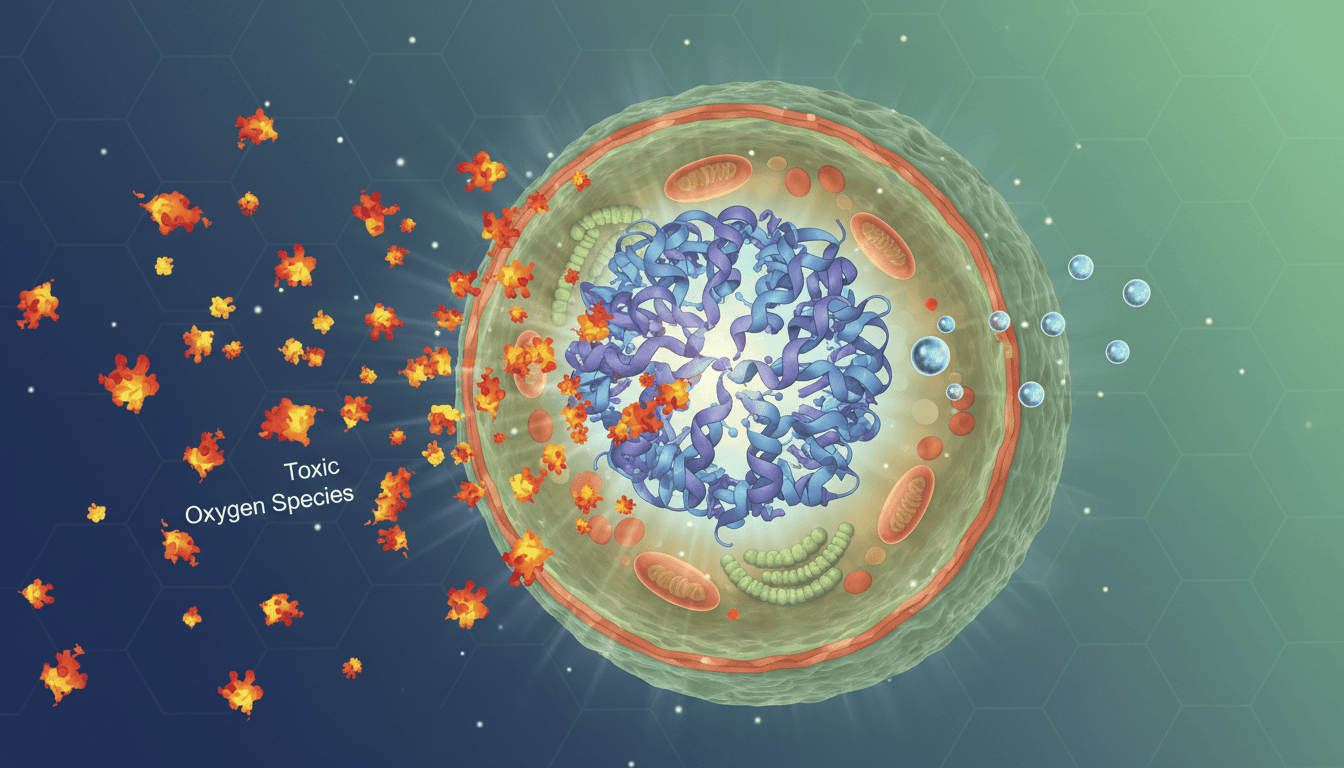
Every second, your cells produce billions of hydrogen peroxide molecules that could destroy them from within. A single enzyme called glutathione peroxidase works continuously to neutralise this threat, using selenium and glutathione to convert toxic peroxides into harmless water.

How Glutathione Protects Your Eyes From Light and Age

Featured image for How Glutathione Protects Your Eyes From Light and Age

Glutathione serves as the eye’s primary antioxidant defence system, protecting against the oxidative damage that light exposure inevitably creates in retinal and lens tissues. Research shows that glutathione levels in eyes decline dramatically with age, dropping to less than 15% of youthful levels by age 70.

How N-Acetyl Cysteine Becomes Your Cell’s Master Antioxidant

Featured image for How N-Acetyl Cysteine Becomes Your Cell’s Master Antioxidant

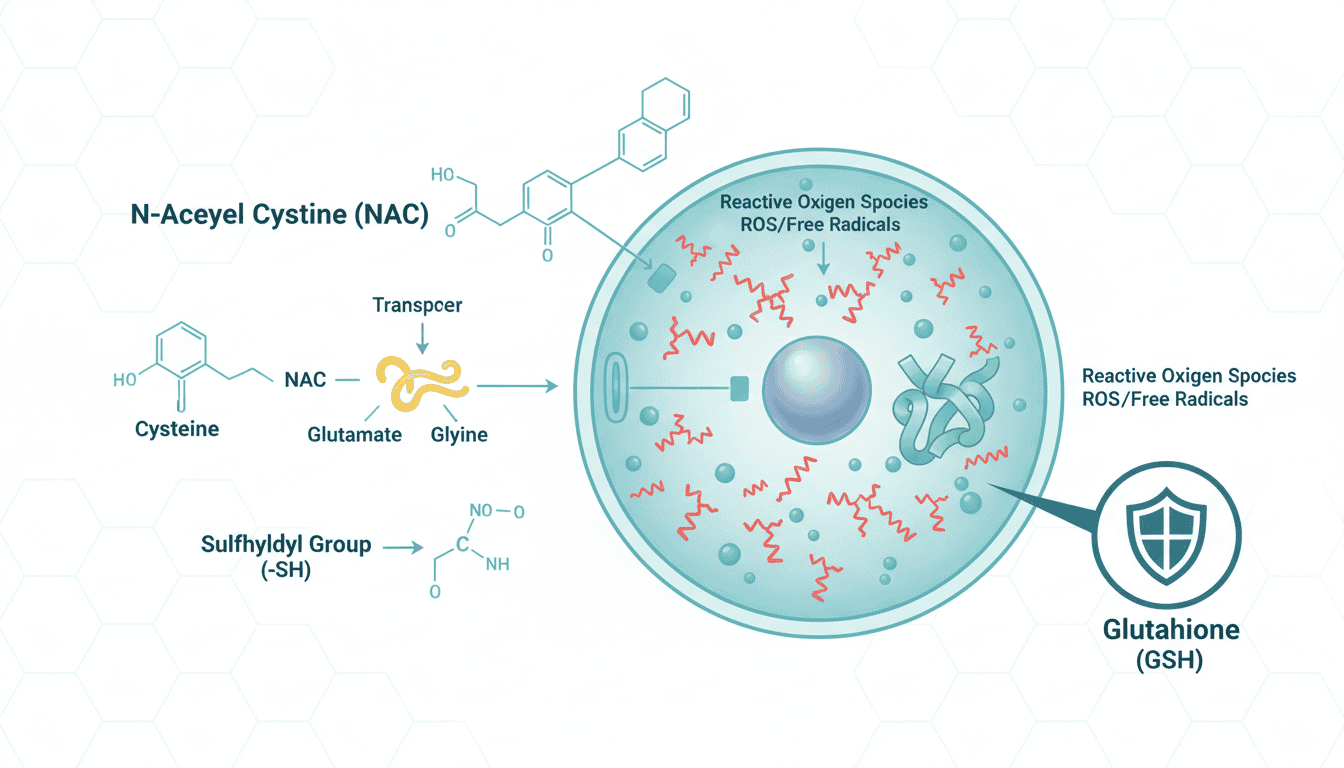
N-acetyl cysteine provides the rate-limiting ingredient cells need to manufacture glutathione, their primary antioxidant defence system. Unlike glutathione supplements, N-acetyl cysteine survives digestion and delivers cysteine directly to cells where it’s converted into the master antioxidant within hours.

Why Glutathione Levels Decline as You Age

Illustration of glutathione levels declining with age

Glutathione is the most abundant antioxidant your body produces internally. It is present in virtually every cell, with particularly high concentrations in the liver, lungs, kidneys and eyes. But this critical molecule does not maintain its levels indefinitely. As you age, glutathione production declines steadily, and the consequences ripple across every system in your body. … Read more

The Glutathione Recycling System

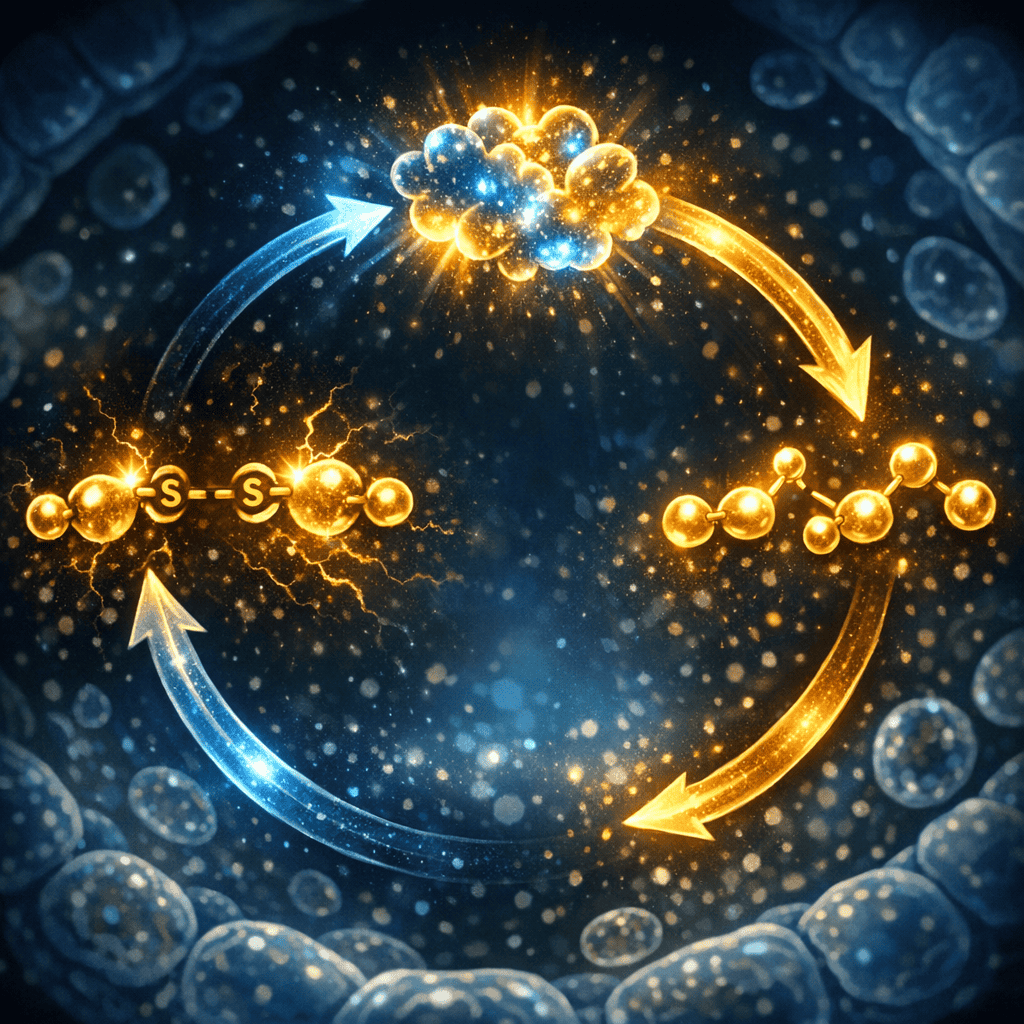
Illustration of the glutathione recycling system converting GSSG back to GSH

Your body does not just produce glutathione. It recycles it. This recycling system is one of the most elegant features of cellular biochemistry, allowing each glutathione molecule to neutralise multiple reactive species before being broken down. Understanding how this system works explains why glutathione is so effective and why maintaining it matters so much. How … Read more