Mushrooms do something most plants can’t: they synthesise their own ergothioneine, a rare amino acid that acts as a cellular bodyguard. While humans have to get this compound from food, fungi manufacture it internally, storing it in their cells like insurance against oxidative damage. Understanding how they do this, and what happens when those systems fail, reveals something important about how all cells protect themselves from the wear and tear of being alive.
What is ergothioneine
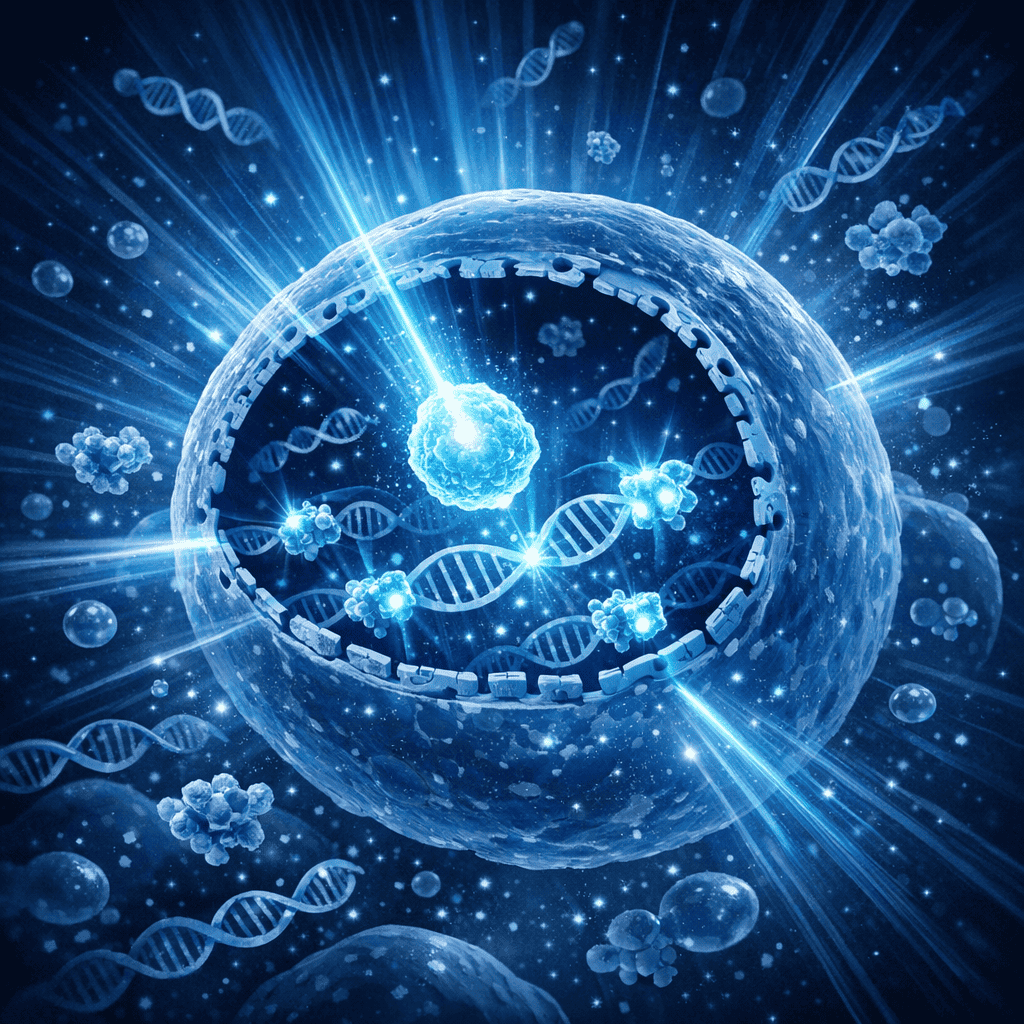
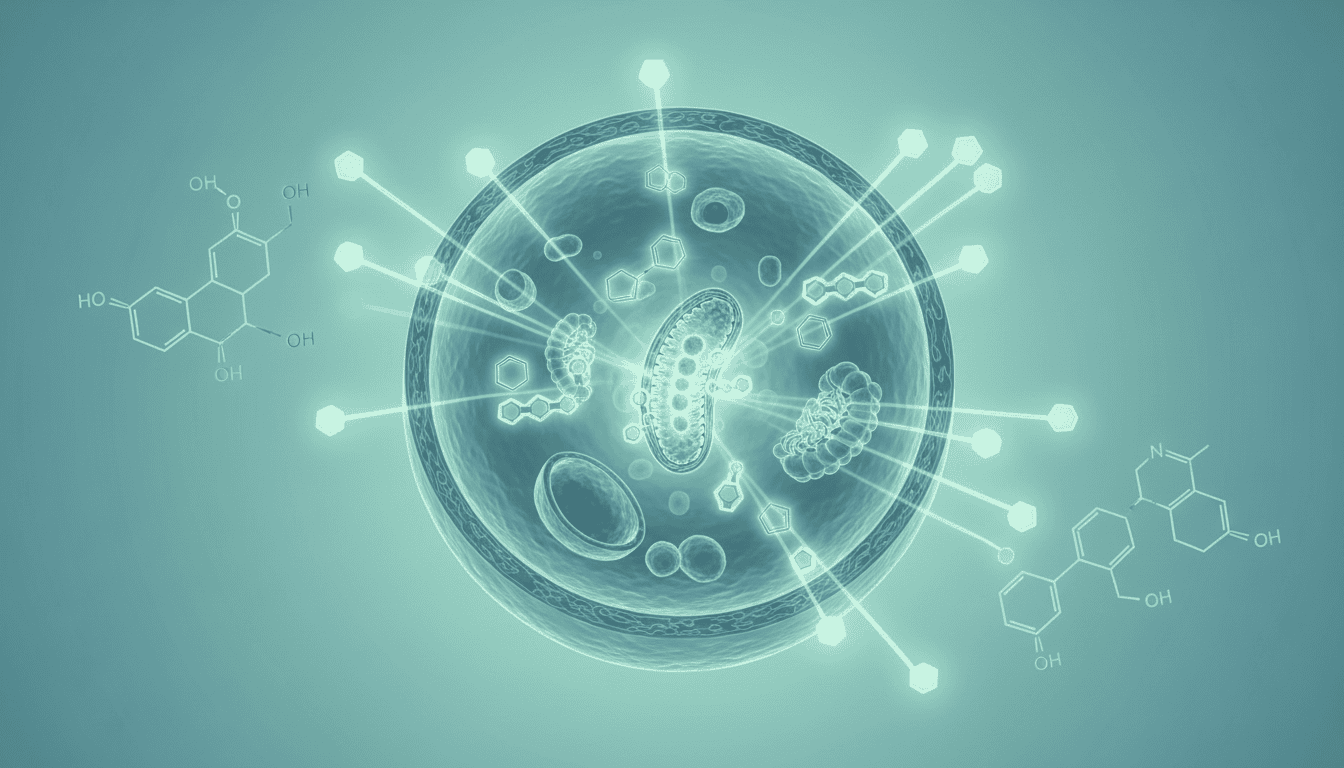
Ergothioneine is a small molecule built from the amino acid histidine and a sulphur-containing group. It sits in a peculiar position in biochemistry. Unlike common antioxidants such as vitamin C or glutathione, ergothioneine doesn’t neutralise free radicals in the traditional sense. Instead, it acts through a different mechanism: it binds to and stabilises proteins that would otherwise be damaged by oxidative stress, and it signals to cells to activate their own defence systems.
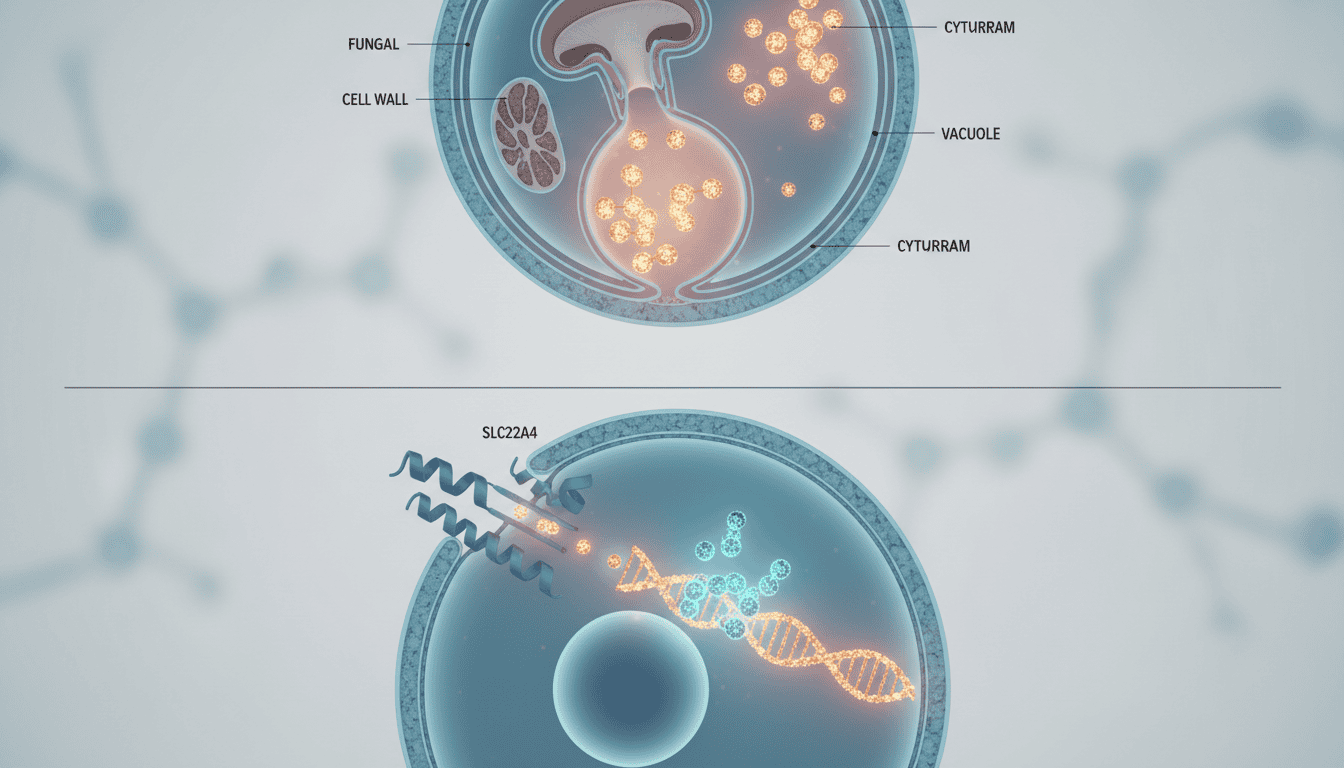
Cells recognise ergothioneine through a specific transporter protein called SLC22A4. When this transporter brings ergothioneine inside the cell, it triggers signalling pathways that upregulate antioxidant enzymes and stress response genes. Think of it less as a shield and more as a alarm system that activates multiple layers of defence once it detects trouble. The molecule accumulates in cells that experience high metabolic demands or frequent oxidative stress, which is why mushrooms contain relatively high concentrations of it.
What the research shows
Studies examining ergothioneine’s role in cells reveal that it protects against several types of damage. When researchers expose cells to oxidative stress in the lab, those with higher ergothioneine levels maintain better function. The compound reduces lipid peroxidation, prevents protein misfolding, and preserves mitochondrial integrity. In mushroom species, ergothioneine concentration varies widely; some species accumulate it to levels 100 times higher than others, which correlates with their growing conditions and life history.
The mechanism appears to involve both direct protection and indirect signalling. Ergothioneine directly binds to reactive oxygen species, but more interestingly, it also activates transcription factors that control genes involved in cellular stress response. Cells treated with ergothioneine show increased expression of heat shock proteins, superoxide dismutase, and catalase, the enzymes responsible for dismantling free radicals. This suggests the compound works partly by telling cells “activate your defences,” not just by mopping up damage.
Human studies have found that people with higher dietary ergothioneine intake show markers of reduced oxidative stress. The compound accumulates preferentially in tissues with high energy demands: the liver, kidneys, and nervous system all contain measurable amounts when dietary intake is adequate. Vegetarians and mushroom consumers consistently show higher plasma ergothioneine levels than those who don’t regularly eat fungi.
Why cells need this
Oxidative stress is a constant threat to living cells. Mitochondria producing energy inevitably generate free radicals as byproducts. Immune cells generate them deliberately to kill pathogens. Ageing tissues accumulate oxidative damage as antioxidant defences gradually weaken. Cells have evolved multiple overlapping systems to manage this: antioxidant enzymes, repair proteins, and now we understand that molecules like ergothioneine provide an additional layer.
Fungi synthesise ergothioneine because they need it. They grow in moist, nutrient-rich environments where oxidative stress runs high. They lack the mobility to escape harsh conditions, so they’ve evolved biochemical solutions. The fact that they use a costly biosynthetic pathway to make ergothioneine suggests the benefit justifies the energy investment. In mammalian cells, the presence of the SLC22A4 transporter suggests we’ve evolved to recognise and utilise ergothioneine from dietary sources, implying it was common enough in ancestral diets that selection favoured the ability to transport and use it.
What affects ergothioneine
Mushroom ergothioneine content varies based on species, growth medium, and growing conditions. Oyster mushrooms tend to accumulate more than button mushrooms. Ergot fungi, which synthesise ergothioneine as a defensive compound against herbivores, contain especially high levels. Environmental stress during growth increases production in some species; mushrooms grown under UV light or in nutrient-poor conditions sometimes show higher concentrations, suggesting they ramp up production when conditions become harsh.
In humans, dietary intake is the primary determinant of systemic ergothioneine levels. Age appears to affect utilisation; older adults may accumulate ergothioneine less efficiently in some tissues. Disease states involving inflammation or oxidative stress potentially increase cellular demand. The SLC22A4 transporter itself can vary between individuals due to genetic variation, which might explain why some people respond more robustly to dietary ergothioneine than others.
Cooking affects ergothioneine. The compound is relatively heat stable compared to other antioxidants, which means mushroom dishes retain most of their ergothioneine even after cooking. Raw mushrooms contain slightly higher amounts, but the difference is modest compared to other vitamins.
What remains unknown
The full scope of ergothioneine’s roles in human physiology remains incompletely mapped. We know it accumulates in the nervous system, but whether this concentration serves a specific protective function against neurological stress is still being determined. The relative importance of ergothioneine compared to other antioxidant systems isn’t settled. Does it matter more in some tissues than others? Does its benefit increase during periods of high stress or ageing?
Questions about optimal intake levels persist. We know people eating mushrooms regularly have detectable ergothioneine in their blood, but whether there’s an intake threshold above which additional benefit plateaus remains unclear. We also don’t fully understand the genetic variation in SLC22A4 and whether certain variants require higher dietary intake to achieve adequate cellular levels.
The evolutionary history intrigues researchers too. Why did mammals retain the ability to transport ergothioneine if we don’t make it ourselves? Did ancestral diets contain more ergothioneine than modern ones, or does the transporter serve functions we haven’t yet recognised?
Ergothioneine reveals how cells manage oxidative stress through layers of defence: active enzyme systems, repair mechanisms, and signalling molecules that amplify protection when needed. Mushrooms, because they synthesise it, offer a window into this ancient cellular logic. The compound works not as a magic bullet but as part of an integrated system, which points to something fundamental about cellular health: protection comes through multiple overlapping mechanisms, each handling different aspects of stress.

Matt Elliott is the editor of Redox News Today, an independent publication covering peer-reviewed research on cellular health, redox signalling, and related biomedical science.