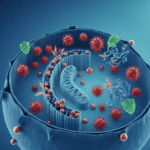
Your cells are constantly exposed to engineered nanomaterials. They’re in cosmetics, water purification systems, medical devices, and coatings that resist bacteria. Copper nanoparticles are particularly common because they’re cheap and effective antimicrobials. But what happens when these particles slip past your cellular defences and end up inside the powerhouses of your cells?
What is mitochondrial respiratory chain assembly?
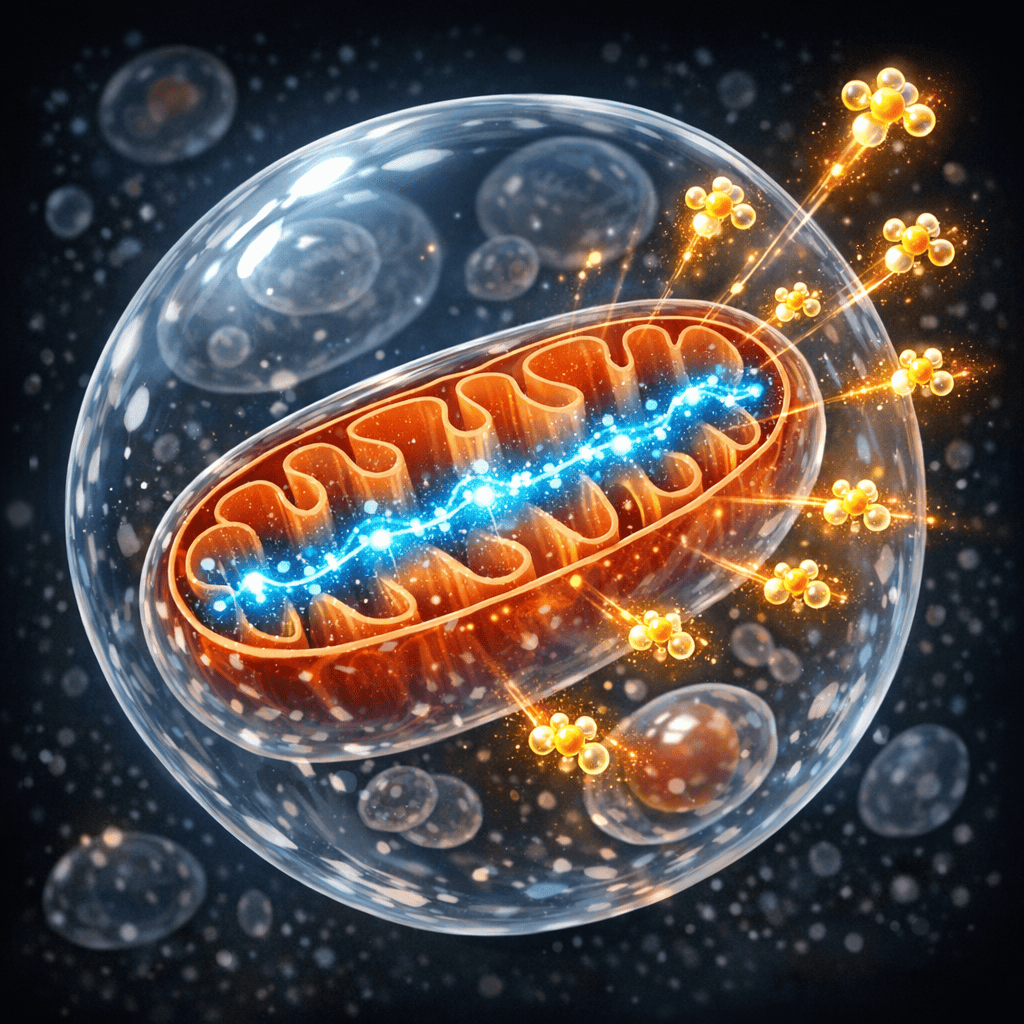
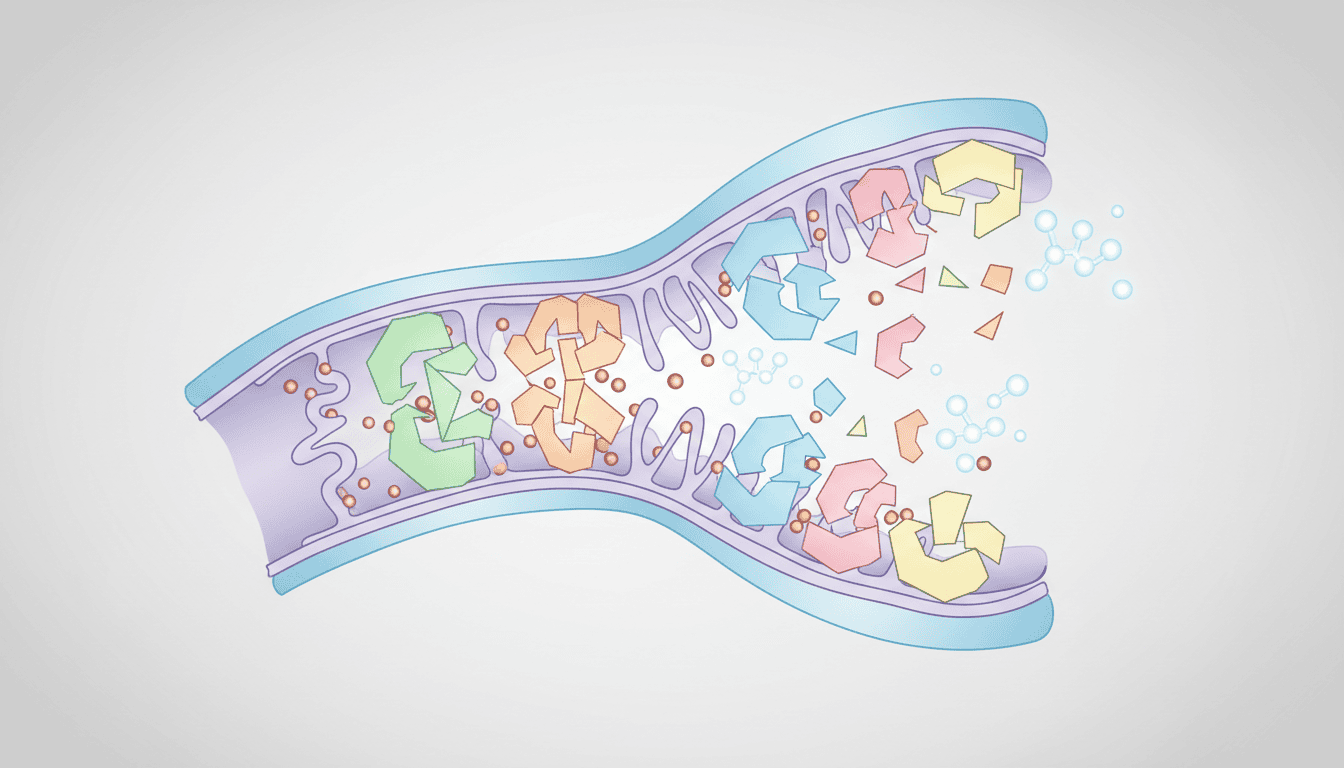
Mitochondria are where cells generate energy in the form of ATP. They do this by running a series of protein complexes called the respiratory chain, which sits embedded in the inner mitochondrial membrane. Think of it like a relay race where electrons get passed from one complex to the next, releasing energy that pumps protons and creates a gradient that drives ATP synthesis. These protein complexes don’t just appear fully formed. They’re assembled in a precise order, with specific proteins being added and arranged like components in an engine.
This assembly process is choreographed. Copper plays a legitimate role in this dance, acting as a cofactor for several enzymes involved in energy metabolism. But copper nanoparticles are different from the dissolved copper ions cells normally handle. They’re tiny solid particles that accumulate in ways cells didn’t evolve to manage.
What the research shows
Studies examining copper nanoparticles in cellular systems have revealed something troubling: these particles interfere with respiratory chain assembly in ways that go well beyond normal copper metabolism. When cells take up copper nanoparticles, the particles end up in mitochondria and disrupt the orderly assembly of respiratory complexes.
Researchers observe that cells exposed to copper nanoparticles show reduced assembly of fully functional respiratory complexes. The protein subunits get made, but they don’t combine properly or remain stable. The result is incomplete, non-functional complexes sitting in the mitochondrial membrane. This matters because incomplete respiratory chains don’t just fail to produce energy efficiently. They leak electrons in ways that generate excessive reactive oxygen species (ROS), those volatile molecules that damage cellular components.
The response is predictable: cells detect this oxidative stress and activate defence pathways. Antioxidant enzymes ramp up production. Protective genes get switched on. But here’s where it gets interesting. The copper nanoparticles themselves trigger some of these stress responses directly, independent of the respiratory chain disruption. They activate signalling pathways that cells normally use to cope with oxidative threats. It’s a two-hit problem: the nanoparticles both damage the respiratory chain and provoke a stress response to that damage.
Why cells need this
Mitochondrial assembly is preserved because energy generation is non-negotiable. Every second your cells burn ATP to power contraction, transport, synthesis, and movement. The respiratory chain is the most efficient way cells have evolved to extract chemical energy from food. The assembly process itself is tightly controlled because mistakes at this stage cascade. A malformed respiratory complex wastes resources and generates damage.
Cells also maintain stress response systems because they face genuine threats. Oxidative stress from metabolism, immune activity, radiation, and toxins is a fact of cellular life. The genes that cells activate when they detect ROS and other stressors encode essential defences: catalase and superoxide dismutase break down dangerous radicals, heat shock proteins stabilise damaged proteins, and DNA repair enzymes fix oxidative damage to the genome.
The cellular response to copper nanoparticles hijacks these same ancient systems. Cells can’t tell the difference between copper nanoparticles and other sources of oxidative threat. They react as though facing a legitimate crisis.
What affects copper nanoparticle impact
Not all cells respond equally. Cell type matters substantially. Cells with high energy demands, like neurons and cardiac myocytes, show greater sensitivity to respiratory chain disruption. They need efficient mitochondrial function more desperately than other cell types.
Nanoparticle characteristics influence impact too. Size matters: smaller particles penetrate cells more readily and interact differently with mitochondrial membranes. Surface chemistry and coating affect how particles behave inside cells. Bare copper nanoparticles behave differently from those coated with protective materials or functionalised with other molecules.
Dose is central, as always in toxicology. Low concentrations might cause modest disruption that cells manage through normal defence mechanisms. Higher concentrations overwhelm these systems. Exposure duration also matters. Acute exposure to high concentrations shows different effects from chronic, lower-level exposure.
Individual cell characteristics influence vulnerability. Cells with fewer mitochondria might tolerate copper nanoparticle exposure better than mitochondria-rich cells. Age of the cell matters too. Older cells with already compromised mitochondrial function face greater stress from additional respiratory chain disruption.
What remains unknown
Scientists still don’t fully understand how copper nanoparticles cross the mitochondrial membrane to reach the respiratory chain. The mechanism of translocation remains unclear. Do they enter through membrane transporters? Do they penetrate the lipid bilayer directly? Does size determine the route?
The long-term consequences of chronic nanoparticle exposure in living organisms remain poorly characterised. Most research uses cell cultures and short exposure periods. How do intact tissues respond over weeks or months? Which organs accumulate copper nanoparticles preferentially? How does the immune system react to chronic nanoparticle presence?
Researchers also lack complete clarity on whether the stress responses cells activate actually protect them or whether they compound the damage. When a cell detects oxidative stress from copper nanoparticles and activates antioxidant genes, does this adequately compensate for the respiratory chain damage? Or does the energetic cost of mounting these stress responses itself compromise cellular function?
The question of safe exposure levels for engineered nanoparticles remains unresolved. We know they interact with cellular machinery in ways that trigger stress responses, but we don’t know where the threshold lies between acceptable and problematic exposure.
Copper nanoparticle research exposes a gap in how cells handle materials they never encountered during their evolutionary history. Evolution shaped cellular defence systems for natural challenges. Engineered nanoparticles are different. Understanding how nanomaterials interact with mitochondrial assembly and stress signalling isn’t just academic curiosity. It’s a practical question about the safety of substances now integrated into everyday products and medical applications.

Matt Elliott is the editor of Redox News Today, an independent publication covering peer-reviewed research on cellular health, redox signalling, and related biomedical science.