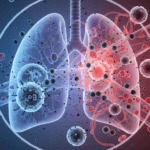

Every time you breathe in a city, you’re inhaling metal. Iron nanoparticles coat your lungs, each one small enough to slip past the body’s first line of defence. Inside your cells, these particles don’t just sit there. They become tiny chemical reactors, sparking a cascade of reactions that damage the very molecules keeping your cells alive. What happens next reveals something fundamental about how our bodies detect and respond to toxins.
What is oxidative stress from iron nanoparticles
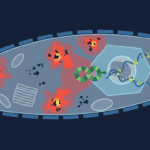
Iron in nanoparticle form behaves differently than the iron in your food or blood. Once these particles enter cells, they undergo what chemists call the Fenton reaction. Iron cycles between two chemical states, ferrous and ferric, each time creating hydroxyl radicals: unstable molecules that immediately attack anything nearby. Proteins break down. DNA gets damaged. Cell membranes start to fall apart. This is oxidative stress in its most direct form.
The iron particles come from specific sources: brake wear from cars, rust from infrastructure, and combustion products from engines and power plants. They’re not all the same size or composition. Some particles are pure iron oxide, others are coated with organic compounds that make them even more reactive. This variation matters because particle size determines how deep into the lung these invaders can travel, and coating composition influences how readily they trigger the Fenton reaction.
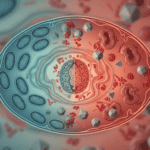
When a nanoparticle crosses the cell membrane, it enters a space where it meets water, proteins, and cellular machinery. The acidic environment inside certain cell compartments accelerates iron dissolution, releasing free iron ions that immediately start generating free radicals. The cell finds itself under attack from within.
What the research shows
When scientists expose lung cells or immune cells to iron nanoparticles in the laboratory, the response is immediate and measurable. Within minutes, cells show elevated levels of reactive oxygen species. Within hours, markers of cellular damage appear: oxidised proteins, fragmented DNA, depleted antioxidant reserves. The damage correlates directly with nanoparticle concentration and the iron’s bioavailability, meaning how readily the iron dissolves and becomes chemically active.
What’s particularly striking is that iron nanoparticles trigger multiple stress pathways simultaneously. Cells activate NRF2, a master regulator that turns on antioxidant defence genes. Simultaneously, they activate inflammatory signalling through NF-kB, which sends out chemical distress signals to neighbouring cells. Mitochondria, the cell’s energy factories, show signs of dysfunction. Some cells respond by attempting to sequester the iron using iron storage proteins. Others essentially give up and undergo programmed death.
Studies comparing different iron nanoparticle compositions reveal that smaller particles cause more damage per unit mass, and particles with surface coatings behave differently than bare iron oxide. Particles already oxidised to a more stable form trigger less free radical generation than freshly formed particles still rich in reactive iron. This suggests that particle age and weathering in the atmosphere alter their toxicity.
Animal studies show that iron nanoparticles reach not just the lungs but travel to other organs. Immune cells ingest the particles and carry them into the bloodstream, distributing the oxidative challenge throughout the body. Inflammatory markers rise in the blood. Vascular dysfunction appears within days. The initial insult in the lungs cascades into systemic effects.
Why cells need this response
The oxidative stress response exists because cells face this problem constantly, though usually from sources other than pollution. Metabolic processes naturally generate free radicals. Infections trigger oxidative bursts from immune cells. UV exposure damages DNA. Without sophisticated defence mechanisms, cells couldn’t survive. Evolution built redundancy into these systems: multiple antioxidant enzymes, multiple signalling pathways, multiple ways to neutralise threats.
The NRF2 pathway, for instance, acts like a smoke detector. When oxidative stress accumulates, NRF2 breaks free from inhibitory proteins, enters the nucleus, and activates genes for superoxide dismutase, catalase, and glutathione synthesis. These proteins and molecules then neutralise free radicals before they cause irreversible damage. The response is proportional: a little stress triggers modest defence. Extreme stress triggers maximal defence.
The inflammatory response serves a different purpose. NF-kB activation alerts the immune system that something is wrong. Immune cells mobilise, engulf damaged material, and attempt to isolate the threat. This is protective short term but can turn damaging if sustained. Chronic inflammation from repeated iron nanoparticle exposure essentially locks the immune system in a state of low-level alarm.
The reason cells have these defences is simple: survival depends on it. But the system has limits. It evolved to handle occasional insults, not constant bombardment from air pollution.
What affects oxidative stress from iron nanoparticles
Age shifts the balance. Older cells show reduced NRF2 responsiveness and lower baseline antioxidant capacity. They can’t mount as vigorous a defence against iron nanoparticle challenge. This might explain why age is a risk factor in pollution health outcomes.
Diet influences antioxidant reserve capacity. Cells with adequate vitamin E, vitamin C, selenium, and other antioxidant cofactors weather iron nanoparticle exposure better than depleted cells. This isn’t about megadoses but about maintaining baseline nutritional adequacy for the enzymes that defend against oxidative stress.
Genetic variation matters. Some people carry versions of genes encoding antioxidant enzymes that function more efficiently. Others have variants that reduce responsiveness. Polymorphisms in NRF2 and glutathione-S-transferase genes correlate with differential susceptibility to pollution effects in population studies.
Exposure history creates adaptation. Cells exposed to repeated low-level oxidative stress sometimes upregulate their defences, a phenomenon called preconditioning. Paradoxically, this can offer some protection. But chronic high-level exposure overwhelms this adaptation, leading to exhaustion of antioxidant reserves and accumulation of unrepaired damage.
Environmental iron sources vary geographically. Cities near highways show different iron nanoparticle burdens than cities downwind of industrial facilities. Seasonal variation occurs too, with higher concentrations during dry seasons and periods of high vehicle traffic.
What remains unknown
The long-term consequences of subclinical iron nanoparticle accumulation remain unclear. We know particles deposit in organs, but do they persist indefinitely or gradually clear? Does the body mount a chronic attempt to isolate them, creating scar tissue? We don’t have good longitudinal data yet on what happens to organs chronically exposed to iron nanoparticles at levels below those that cause acute symptoms.
The relationship between oxidative stress intensity and downstream health outcomes needs more precision. We can measure free radical levels, but predicting which people will develop specific health problems remains difficult. Some heavily exposed individuals show remarkable resilience. Others develop problems at lower exposure levels. Understanding these individual differences requires better biomarkers and longer-term studies.
The relative contribution of iron nanoparticles versus other pollution components to overall oxidative stress burden is still being sorted out. Real air pollution is a complex mixture. Iron nanoparticles certainly contribute, but quantifying their share versus particulate matter generally, organic compounds, nitrogen oxides, and other components requires careful experimental design.
How different tissues handle iron nanoparticles also varies in ways we don’t fully understand. The lungs might show one pattern of response, the brain another, the cardiovascular system yet another. The mechanisms of particle translocation from lungs to other organs remain only partially understood.
The bigger picture
Iron nanoparticles in pollution reveal how cellular defence systems work under real-world stress. These aren’t hypothetical threats. They’re particles your cells encounter daily in urban environments. The oxidative stress pathways they trigger are the same ones involved in ageing, neurodegeneration, and many chronic diseases. Understanding how specific environmental stressors activate these pathways gives researchers concrete targets for study and intervention development. This is cellular biology meeting epidemiology: bringing laboratory observations into contact with the lived reality of human health in industrial societies.

Matt Elliott is the editor of Redox News Today, an independent publication covering peer-reviewed research on cellular health, redox signalling, and related biomedical science.