The Breathing Disruption That Triggers Cellular Chaos
Sleep apnoea affects millions of people worldwide, causing repeated interruptions in breathing during sleep. These breathing cessations, which can occur hundreds of times per night, create a cascade of physiological disruptions that extend far beyond simple sleep fragmentation. At the cellular level, the intermittent hypoxia and reoxygenation cycles characteristic of sleep apnoea trigger significant oxidative stress, fundamentally altering the delicate balance of redox signalling within our cells.
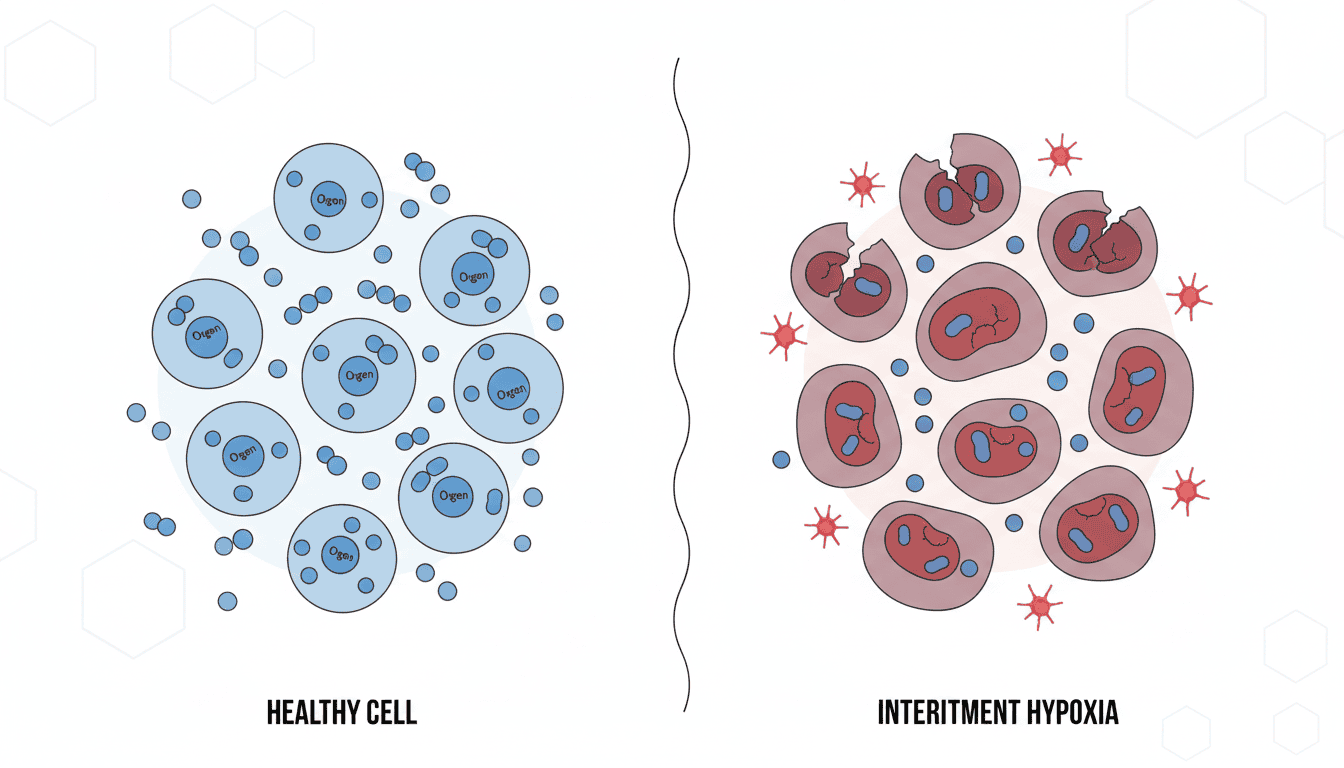
During apnoeic events, oxygen levels in the blood drop substantially, followed by rapid reoxygenation when breathing resumes. This cyclical pattern mimics ischaemia-reperfusion injury, a well-studied phenomenon in medical research that generates substantial oxidative stress. The repeated nature of these events throughout the night means that individuals with sleep apnoea experience chronic exposure to oxidative damage, potentially affecting every organ system in the body.
How Intermittent Hypoxia Generates Oxidative Stress
The relationship between sleep apnoea and oxidative stress centres on the cellular response to fluctuating oxygen levels. When oxygen becomes scarce during apnoeic events, cells shift their metabolism towards anaerobic pathways, which are less efficient and produce different metabolic byproducts. However, the real oxidative damage occurs during the reoxygenation phase when oxygen suddenly becomes available again.
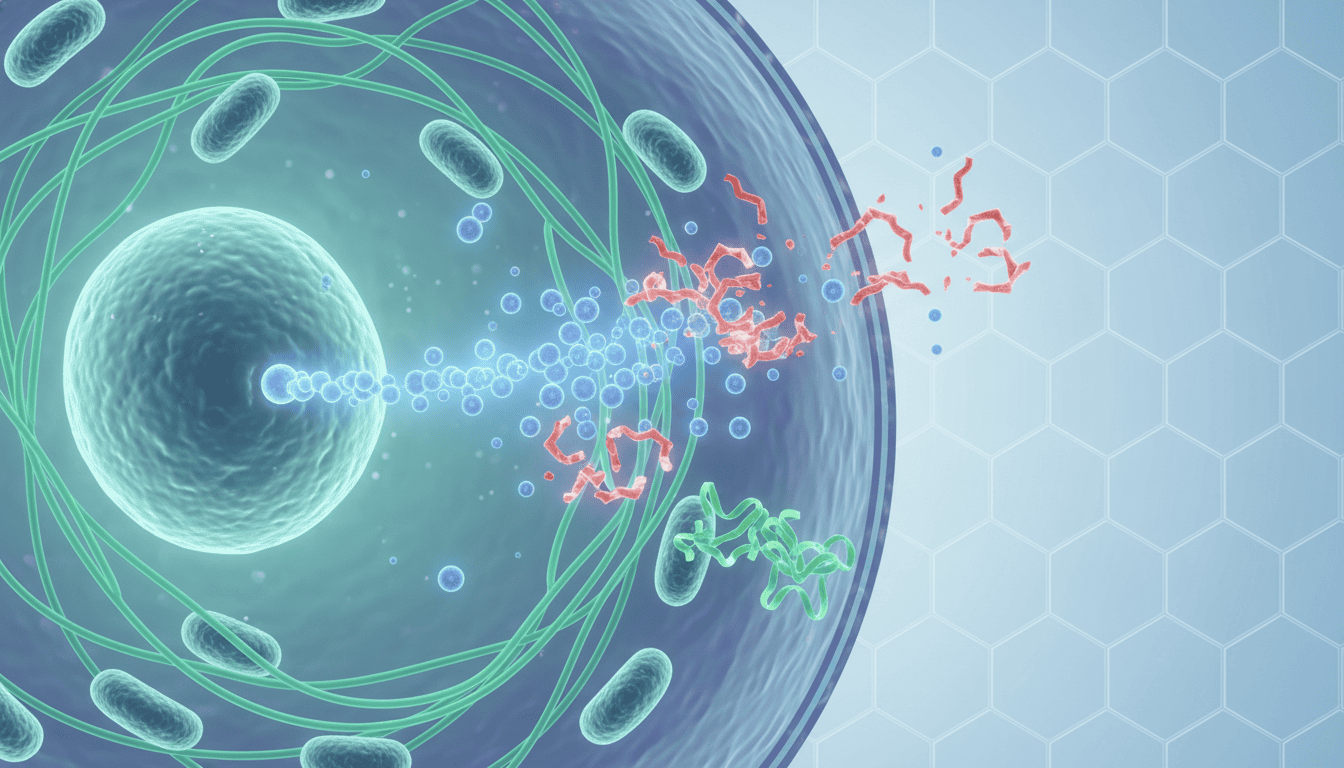
During reoxygenation, the electron transport chain in mitochondria can become overwhelmed, leading to increased production of reactive oxygen species (ROS). These molecules, including superoxide anions and hydrogen peroxide, are normally produced in controlled amounts as part of cellular signalling. However, the excessive generation during reoxygenation can overwhelm the cell’s natural antioxidant defence systems.
The xanthine oxidase pathway also becomes particularly active during these reoxygenation periods. This enzymatic system, which typically plays a minor role in normal metabolism, becomes a significant source of superoxide production when tissues are suddenly re-exposed to oxygen after periods of hypoxia. The result is a burst of oxidative stress that can damage cellular components including lipids, proteins, and DNA.
Systemic Consequences of Chronic Oxidative Damage
The oxidative stress generated by sleep apnoea extends beyond individual cells to affect entire physiological systems. The cardiovascular system bears a significant burden, as oxidative stress contributes to endothelial dysfunction, the impairment of blood vessel lining cells that regulate blood flow and vascular health. This dysfunction is characterised by reduced nitric oxide bioavailability, increased inflammation, and altered vascular reactivity.
Inflammatory pathways become chronically activated in response to persistent oxidative stress. Nuclear factor kappa B (NF-κB), a key transcription factor that regulates inflammatory gene expression, becomes increasingly active in individuals with sleep apnoea. This leads to elevated levels of inflammatory markers such as C-reactive protein, interleukin-6, and tumour necrosis factor-alpha, creating a state of systemic low-grade inflammation.
The metabolic system also suffers from the chronic oxidative burden. Insulin signalling pathways become disrupted, potentially contributing to glucose intolerance and metabolic dysfunction. The liver, as a major metabolic organ, experiences particular stress as it works to process the inflammatory mediators and damaged cellular components generated by chronic oxidative stress.
Cellular Defence Mechanisms Under Siege
Healthy cells possess sophisticated antioxidant defence systems designed to neutralise reactive oxygen species and maintain redox balance. These include enzymatic antioxidants such as superoxide dismutase, catalase, and glutathione peroxidase, as well as non-enzymatic antioxidants like glutathione, vitamin C, and vitamin E. However, the chronic and repetitive nature of oxidative stress in sleep apnoea can overwhelm these natural defence mechanisms.
The glutathione system, often considered the master antioxidant network, becomes particularly strained. Glutathione exists in both reduced (GSH) and oxidised (GSSG) forms, with the ratio between these forms serving as an important indicator of cellular redox status. In sleep apnoea, the repeated oxidative insults can deplete reduced glutathione stores and shift the cellular environment towards a more oxidised state.
Mitochondria, the cellular powerhouses most directly affected by oxygen fluctuations, may develop adaptive responses to chronic intermittent hypoxia. However, these adaptations are not always beneficial. While some cells may increase antioxidant enzyme production, others may experience mitochondrial dysfunction, leading to further ROS production and creating a vicious cycle of oxidative damage.
The Hypoxia-Inducible Factor Response
Cells respond to low oxygen conditions through the activation of hypoxia-inducible factors (HIFs), transcription factors that regulate the expression of genes involved in oxygen homeostasis. In acute hypoxia, HIF activation is generally protective, promoting cellular survival through enhanced glucose uptake, angiogenesis, and metabolic adaptation.
However, in the context of sleep apnoea’s intermittent hypoxia pattern, HIF signalling becomes dysregulated. The repetitive activation and deactivation of these pathways can lead to inappropriate cellular responses, including excessive production of growth factors, altered metabolism, and increased oxidative stress. Some research suggests that chronic intermittent hypoxia may lead to HIF-independent pathways becoming more prominent, potentially contributing to the pathological effects observed in sleep apnoea.
The relationship between HIF signalling and oxidative stress is complex and bidirectional. While HIF activation can promote antioxidant gene expression, the chronic nature of intermittent hypoxia in sleep apnoea may impair this protective response, leaving cells more vulnerable to oxidative damage.
Implications for Cellular Health and Broader Wellness
Understanding the connection between sleep apnoea and oxidative damage reveals important insights into how sleep disorders can fundamentally alter cellular function and health. The chronic oxidative stress generated by repeated hypoxia-reoxygenation cycles affects not just sleep quality, but the very foundation of cellular metabolism and signalling.
This research underscores the critical importance of addressing sleep disorders as part of comprehensive health management. The cellular damage caused by untreated sleep apnoea extends far beyond fatigue and cognitive impairment, potentially contributing to accelerated cellular ageing and increased risk of chronic diseases. By recognising sleep as a fundamental pillar of cellular health, we can better appreciate how sleep disorders create cascading effects throughout our biological systems, emphasising the need for early recognition and appropriate management of conditions like sleep apnoea to preserve optimal cellular function and long-term health outcomes.

Matt Elliott is the editor of Redox News Today, an independent publication covering peer-reviewed research on cellular health, redox signalling, and related biomedical science.