When Heavy Metals Hijack Your Cellular Defences

Featured image for When Heavy Metals Hijack Your Cellular Defences

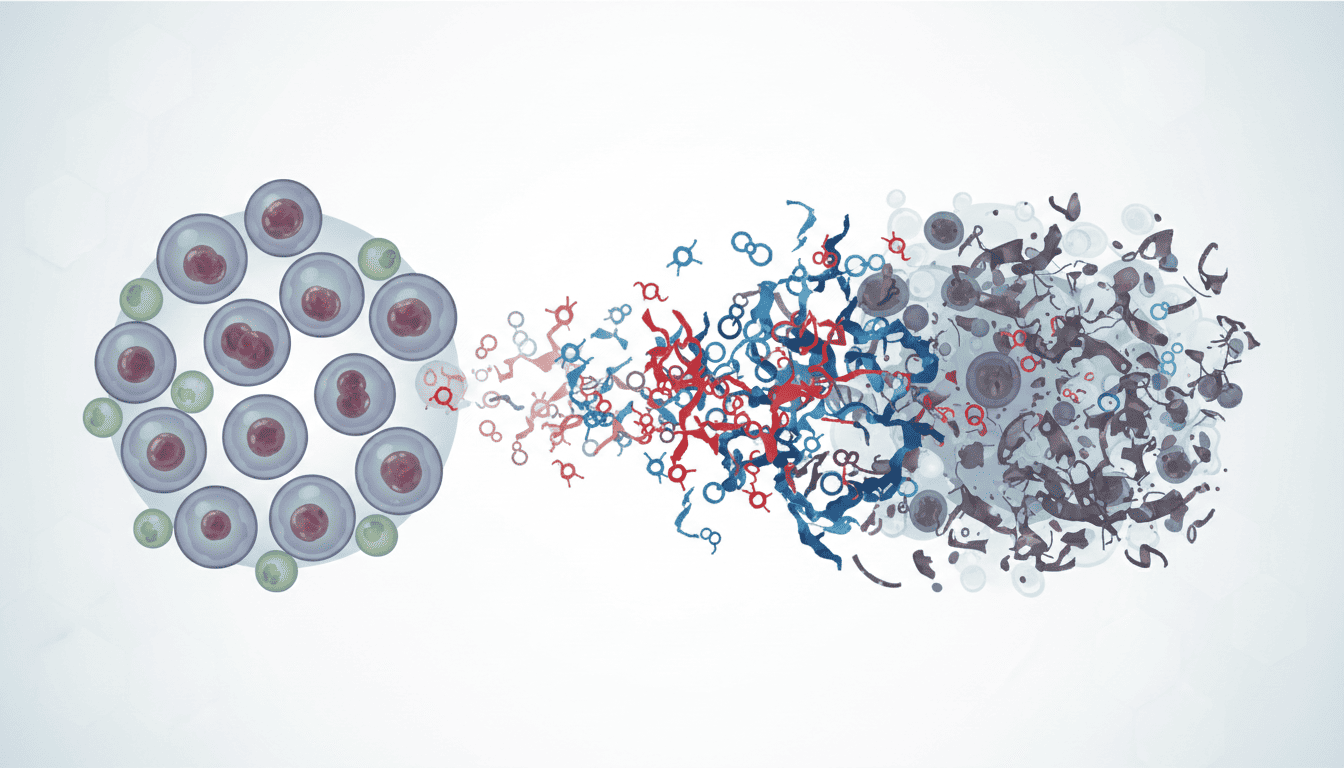
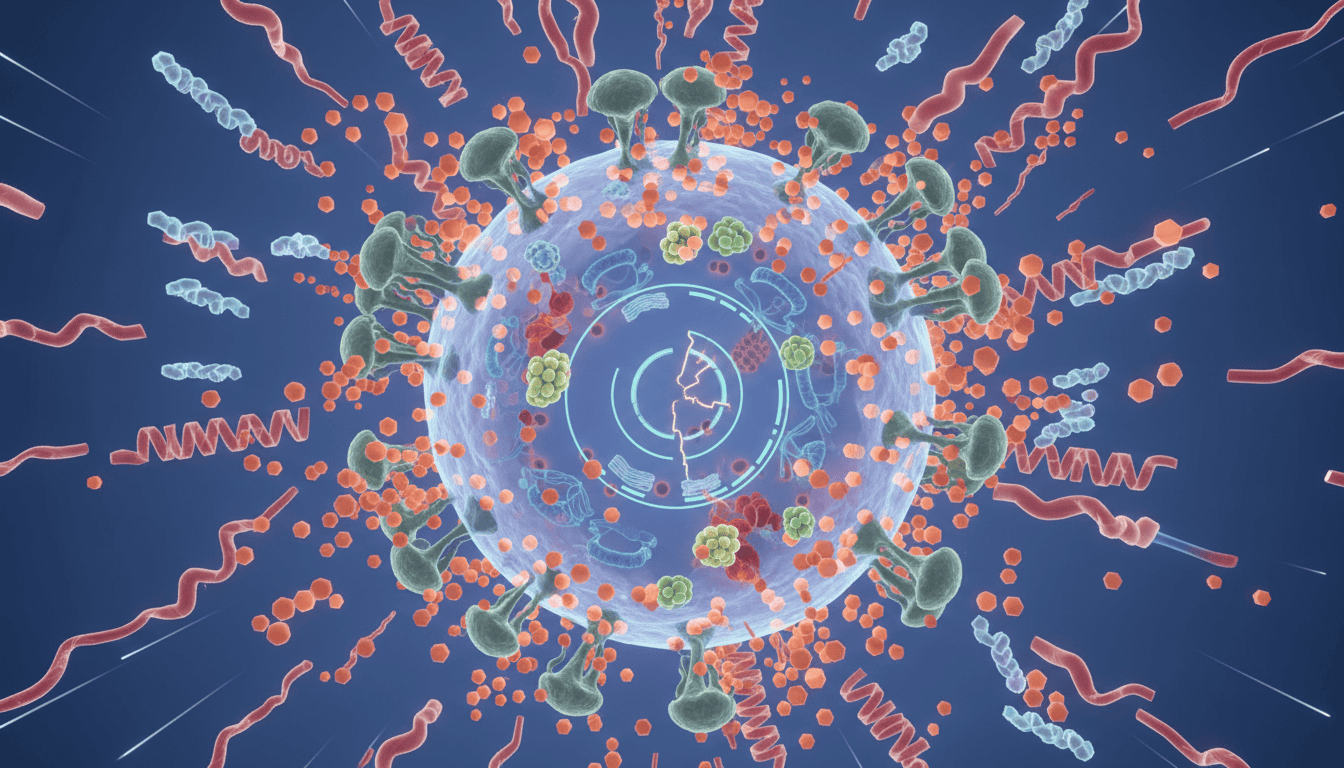
Heavy metals like lead, mercury and cadmium don’t just damage cells directly – they systematically dismantle the antioxidant systems designed to protect against oxidative stress. These toxic elements bind to crucial enzymes, stealing essential cofactors and leaving cells defenceless against free radical damage.

How Brain Cells Handle Oxidative Stress and Mental Health

Featured image for How Brain Cells Handle Oxidative Stress and Mental Health

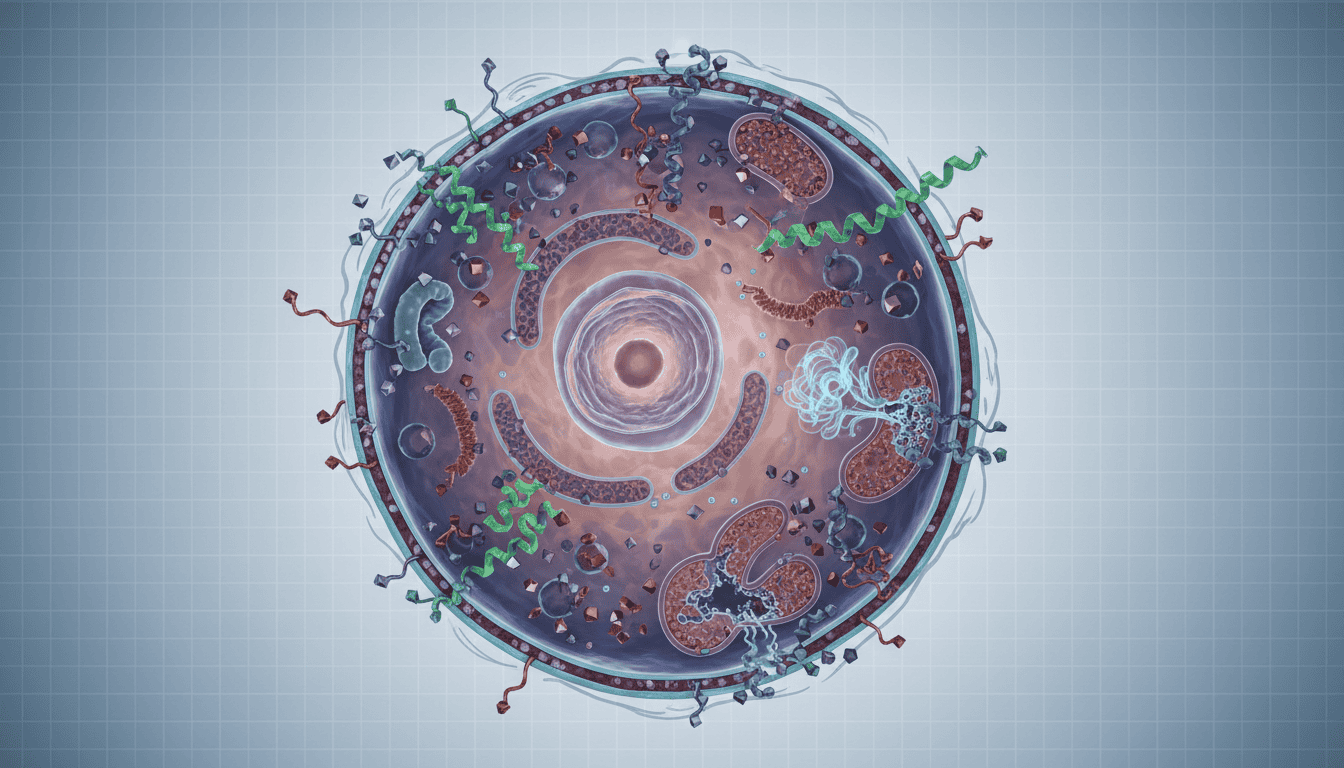
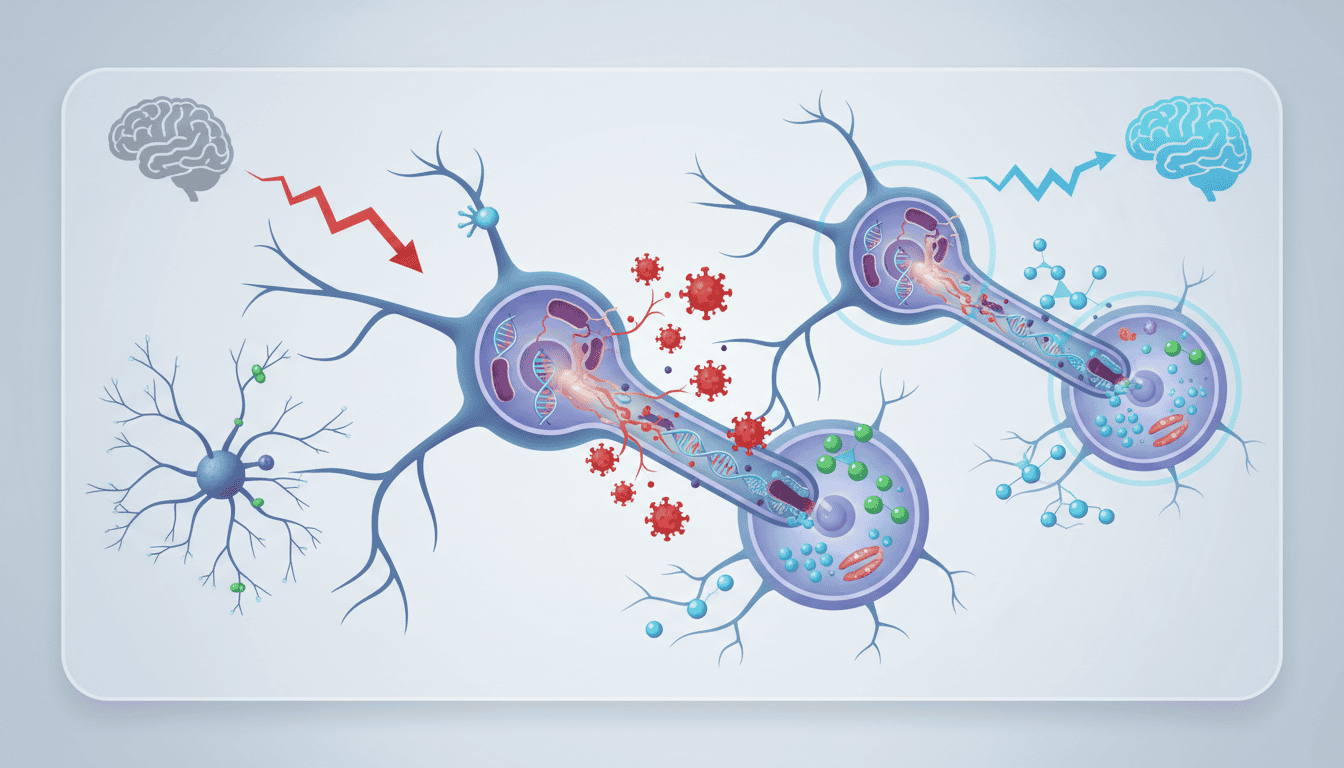
Brain cells consume oxygen at extraordinary rates, generating reactive molecules that can damage neurons faster than most other cell types can repair themselves. Research reveals consistent patterns linking oxidative stress markers to various mental health conditions, though scientists still debate whether cellular damage causes these problems or results from them.

How Oxidative Stress Triggers Joint Inflammation

Featured image for How Oxidative Stress Triggers Joint Inflammation

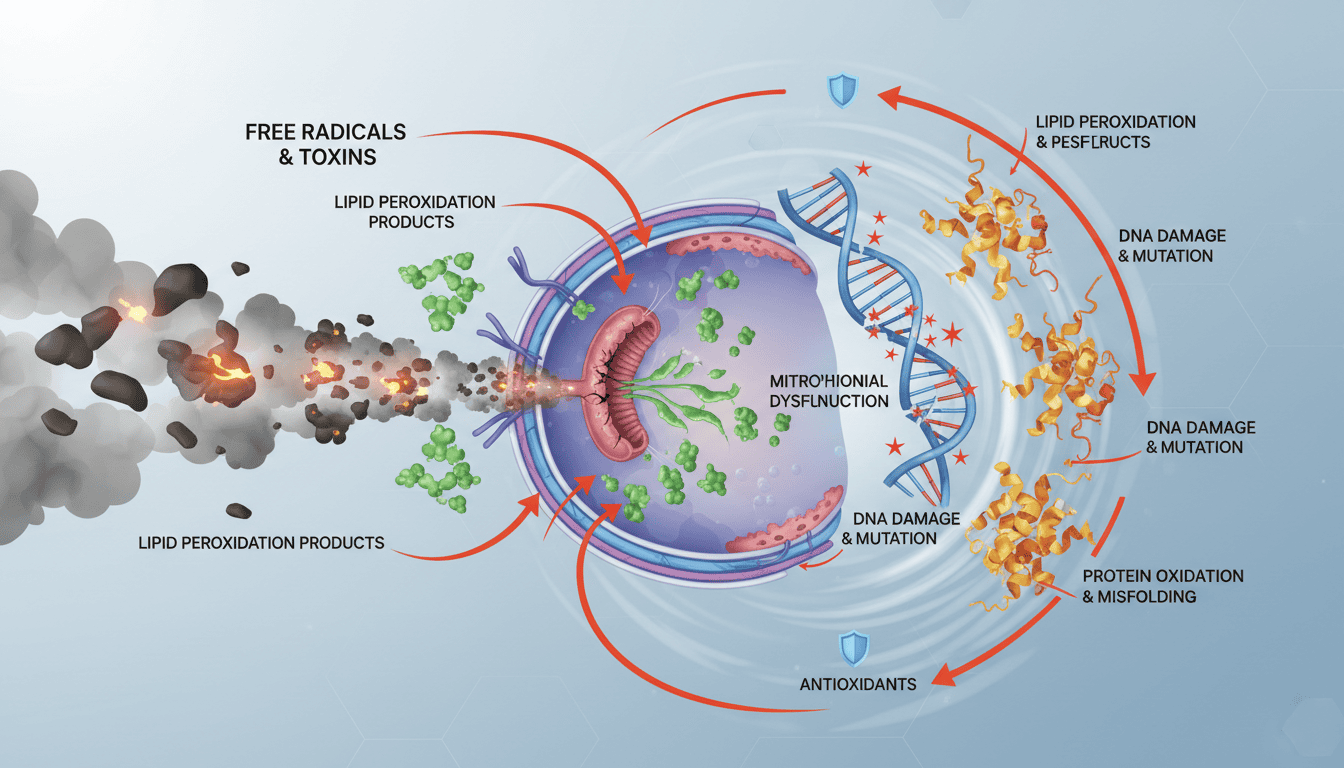
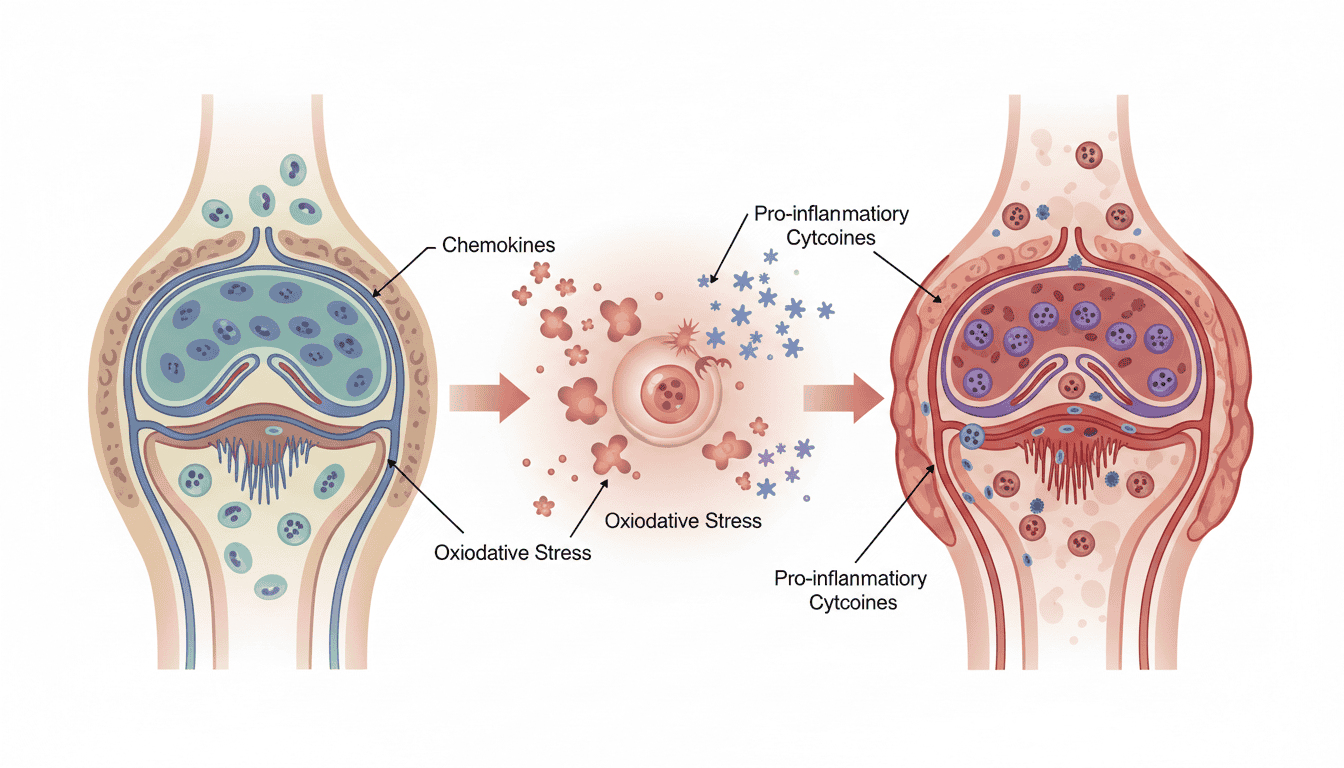
Oxidative stress in joint tissues acts as a molecular alarm system that triggers inflammatory responses, creating the pain and swelling we experience after injury or overuse. This ancient defence mechanism becomes problematic when oxidative stress turns chronic, creating ongoing tissue damage.

The Cellular Impact of Sitting All Day

Illustration of the cellular impact of prolonged sitting and sedentary behaviour

Modern life involves a historically unprecedented amount of sitting. Office workers, drivers, students and anyone who spends hours at a desk or on a screen accumulate sitting time that would have been unimaginable to our ancestors. The health consequences of prolonged sedentary behaviour have been studied extensively, and the cellular mechanisms behind those consequences paint … Read more