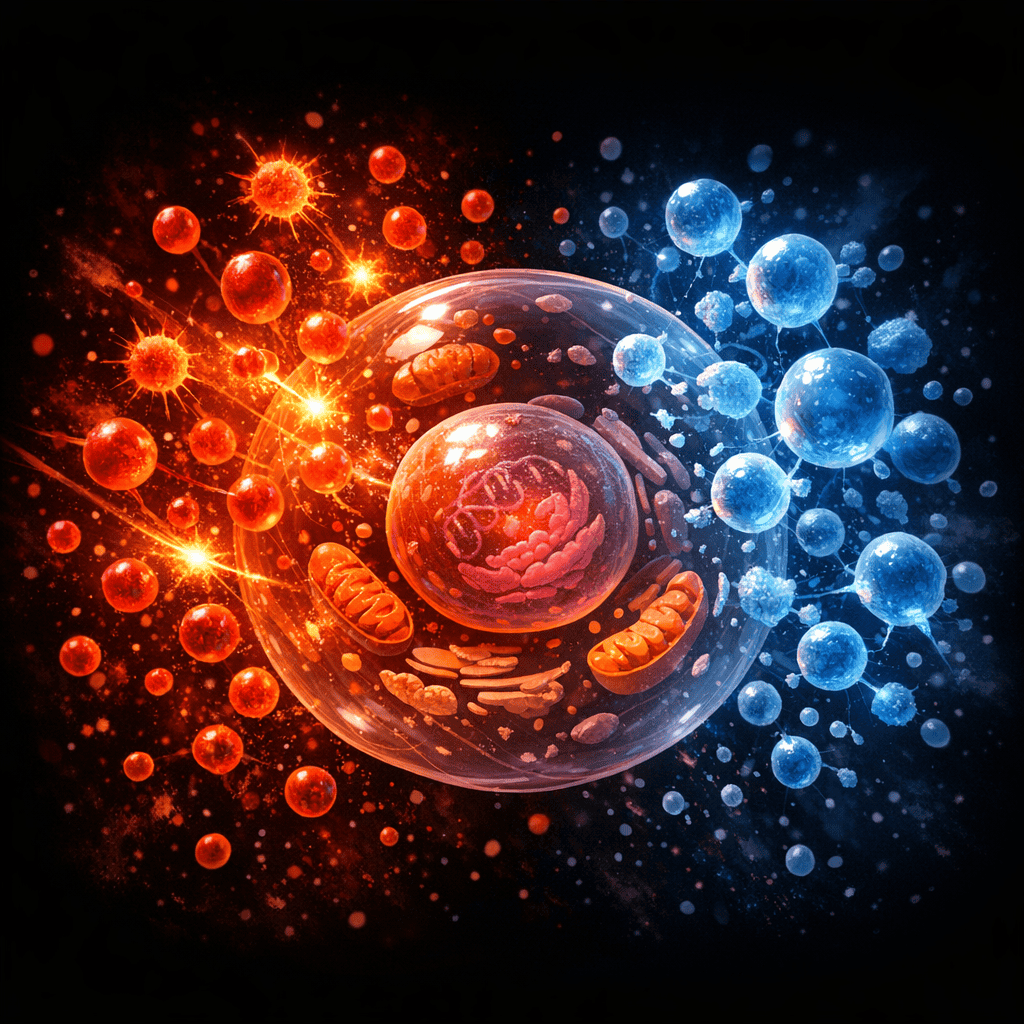
How Nature Exposure Reduces Oxidative Stress

Illustration of nature and forest environment reducing cellular oxidative stress

The idea that spending time in nature is good for your health is as old as medicine itself. But the molecular mechanisms behind this intuition are only now being mapped with precision. Research over the past two decades has documented specific, measurable reductions in oxidative stress biomarkers following nature exposure, pointing to cellular pathways that … Read more

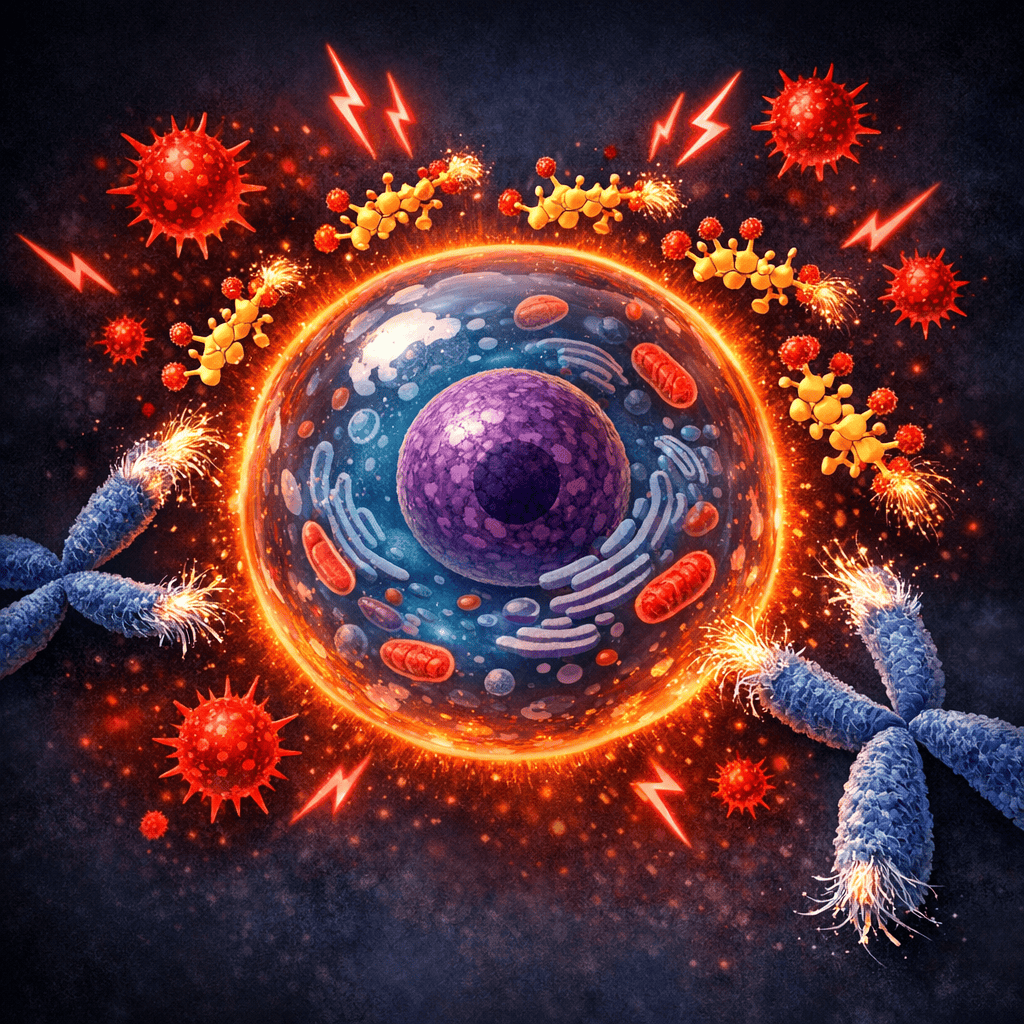
The Free Radical Theory of Aging: What We Know Now

Illustration of the evolution of free radical theory of ageing

In 1956, a radiation chemist named Denham Harman proposed one of the most influential ideas in the history of ageing research. His free radical theory of ageing suggested that the accumulation of oxidative damage from reactive oxygen species was the primary driver of biological ageing. The idea was elegant, testable and profoundly influential. It shaped … Read more

How Chronic Stress Affects Your Cells: What the Research Shows

Illustration of chronic stress damaging cells at the molecular level

Key evidence at a glance Landmark study: Epel, Blackburn and colleagues, Proceedings of the National Academy of Sciences, 2004 Who: 58 healthy premenopausal women, including mothers caring for a chronically ill child Main finding: higher perceived stress was linked to higher oxidative stress, lower telomerase activity and shorter telomeres in immune cells Type of evidence: … Read more

Oxidative Stress Explained: What It Is, Why Cells Need Some, and What the Research Shows

Illustration of oxidative stress and free radical damage to a cell

Oxidative stress at a glance What it is: an imbalance in which reactive forms of oxygen outpace the cell’s ability to control them Where reactive oxygen comes from: mainly mitochondria and a family of enzymes called NADPH oxidases The twist: at low levels, the same molecules act as essential signals The concept: formally defined in … Read more