The Glutathione Recycling System

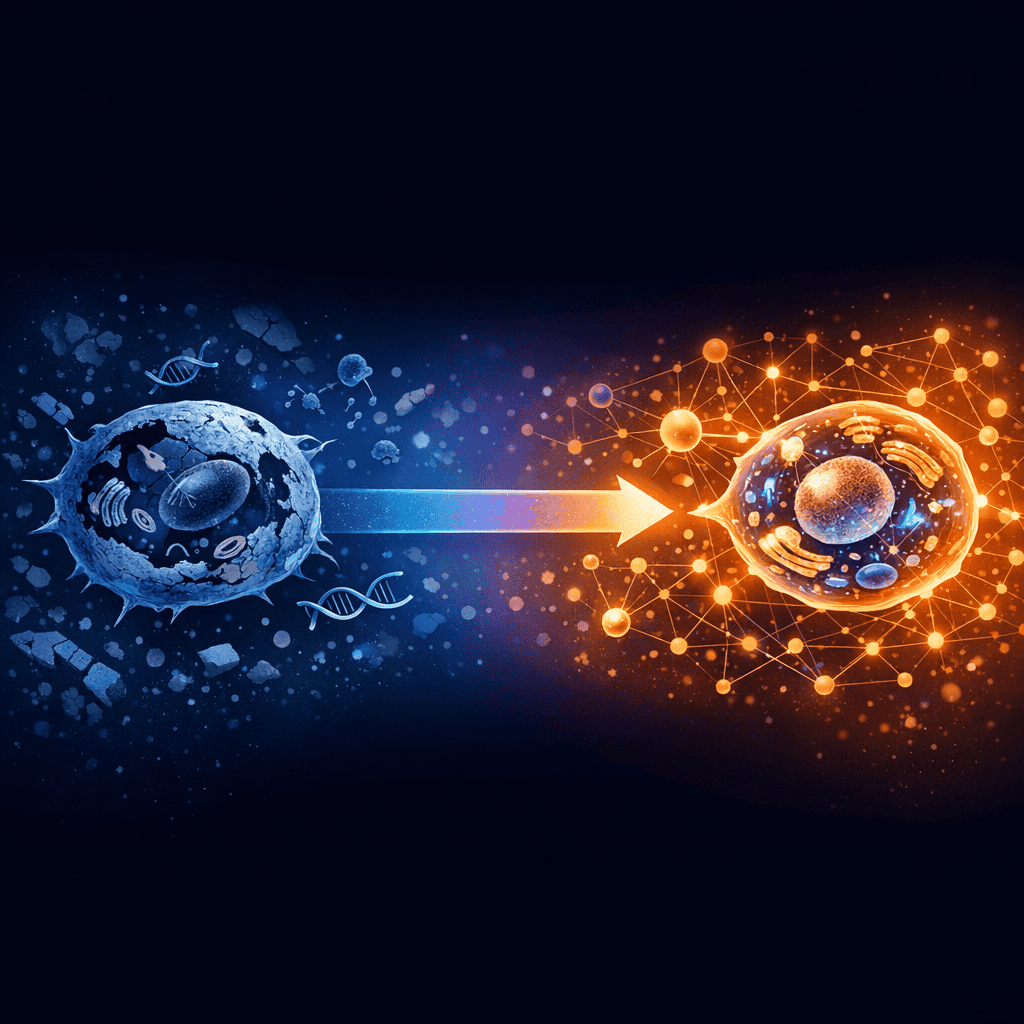
Illustration of the glutathione recycling system converting GSSG back to GSH

Your body does not just produce glutathione. It recycles it. This recycling system is one of the most elegant features of cellular biochemistry, allowing each glutathione molecule to neutralise multiple reactive species before being broken down. Understanding how this system works explains why glutathione is so effective and why maintaining it matters so much. How … Read more

The Myth That All Free Radicals Are Bad

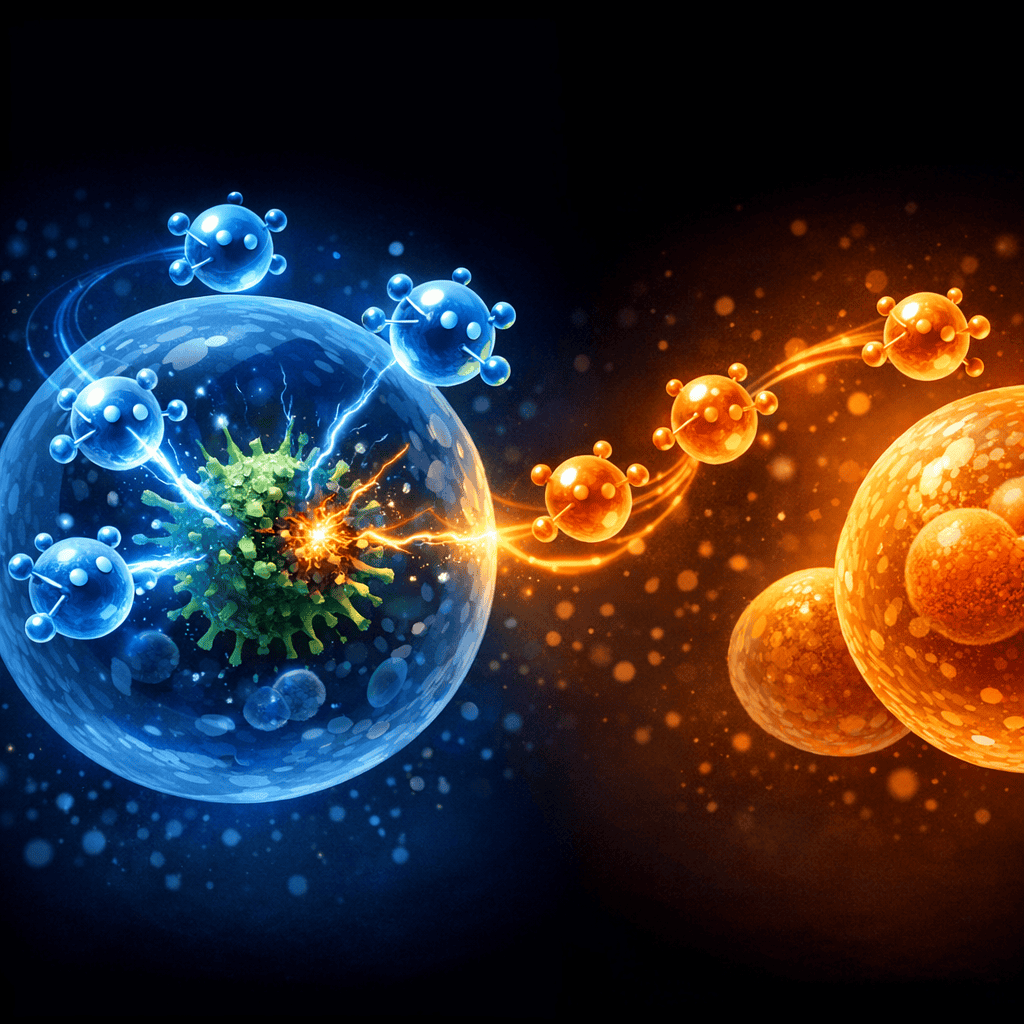
Illustration showing free radicals serving beneficial roles in the body

Ask most people what free radicals do and you will get a consistent answer: they damage your cells and cause disease. This belief is so deeply embedded in popular health culture that it has become almost axiomatic. But it is wrong, or at the very least, it is dangerously incomplete. Free radicals are not just … Read more

Exercise and Your Cells: How Training Stress Builds Resilience

Illustration of the hormesis dose response curve showing moderate stress strengthening cells

Exercise and your cells at a glance The principle: exercise is a short, controlled stress that prompts cells to adapt and become more resilient The name for it: hormesis, a beneficial response to a moderate, usually intermittent stress Key messengers: reactive oxygen species, NRF2 and PGC-1 alpha What changes: more mitochondria, stronger antioxidant defences and … Read more

The Free Radical Theory of Aging: What We Know Now

Illustration of the evolution of free radical theory of ageing

In 1956, a radiation chemist named Denham Harman proposed one of the most influential ideas in the history of ageing research. His free radical theory of ageing suggested that the accumulation of oxidative damage from reactive oxygen species was the primary driver of biological ageing. The idea was elegant, testable and profoundly influential. It shaped … Read more

How Chronic Stress Affects Your Cells: What the Research Shows

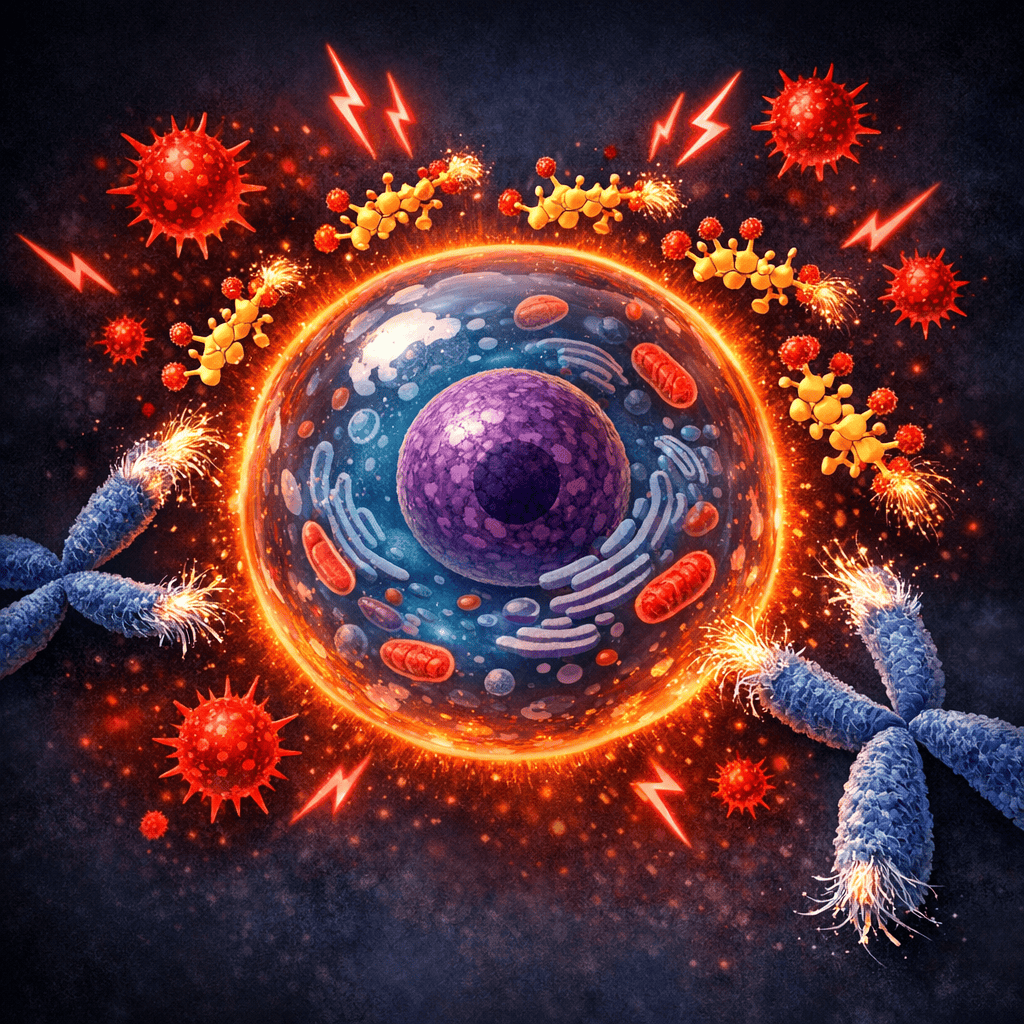
Illustration of chronic stress damaging cells at the molecular level

Key evidence at a glance Landmark study: Epel, Blackburn and colleagues, Proceedings of the National Academy of Sciences, 2004 Who: 58 healthy premenopausal women, including mothers caring for a chronically ill child Main finding: higher perceived stress was linked to higher oxidative stress, lower telomerase activity and shorter telomeres in immune cells Type of evidence: … Read more

The Antioxidant Myth: Why More Is Not Always Better

Illustration of antioxidant supplements versus natural cellular defence

The antioxidant story sounded so simple. Free radicals damage your cells. Antioxidants neutralise free radicals. Therefore, the more antioxidants you consume, the healthier you will be. This logic drove decades of supplement marketing and convinced millions of people that high dose antioxidant capsules were a shortcut to better health. The science, however, has told a … Read more

What Happens When Your Cells Stop Communicating Properly

Illustration of cellular communication breaking down with age

The breakdown of cellular communication does not announce itself. There is no threshold event, no date after which things are measurably worse. The degradation is gradual, operating across years and decades through the incremental accumulation of small failures: signals that arrive slightly delayed, repair responses that are slightly less complete, immune activations that are slightly … Read more

The Difference Between Oxidation and Reduction Explained Simply

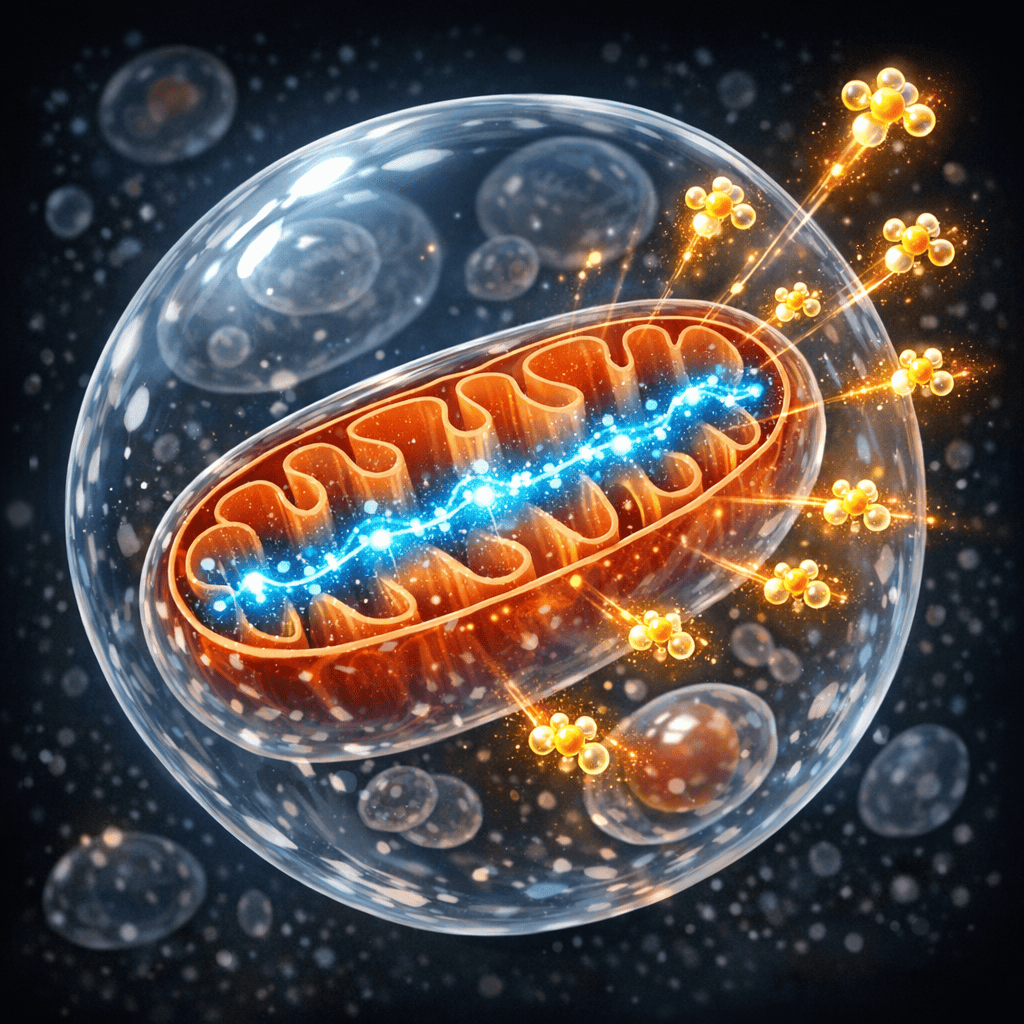
Illustration of electron transfer between molecules in oxidation and reduction

Chemistry students encounter redox reactions early and often find them confusing in a specific way. The definitions seem simple — oxidation is the loss of electrons, reduction is the gain — but applying them consistently requires remembering that the two reactions are always paired and always simultaneous. You cannot have one without the other. When … Read more

Oxidative Stress Explained: What It Is, Why Cells Need Some, and What the Research Shows

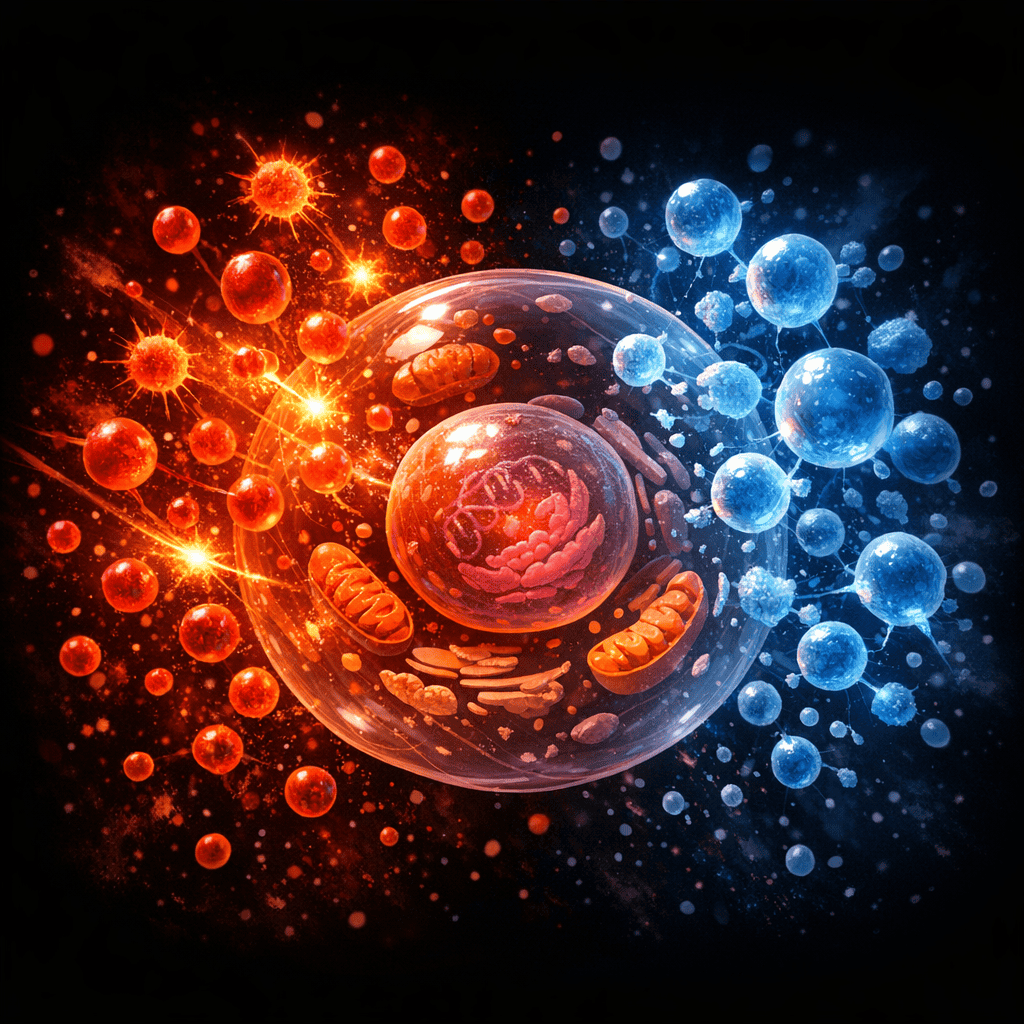
Illustration of oxidative stress and free radical damage to a cell

Oxidative stress at a glance What it is: an imbalance in which reactive forms of oxygen outpace the cell’s ability to control them Where reactive oxygen comes from: mainly mitochondria and a family of enzymes called NADPH oxidases The twist: at low levels, the same molecules act as essential signals The concept: formally defined in … Read more