Creatine and Oxidative Stress: What Happens When You Train Hard

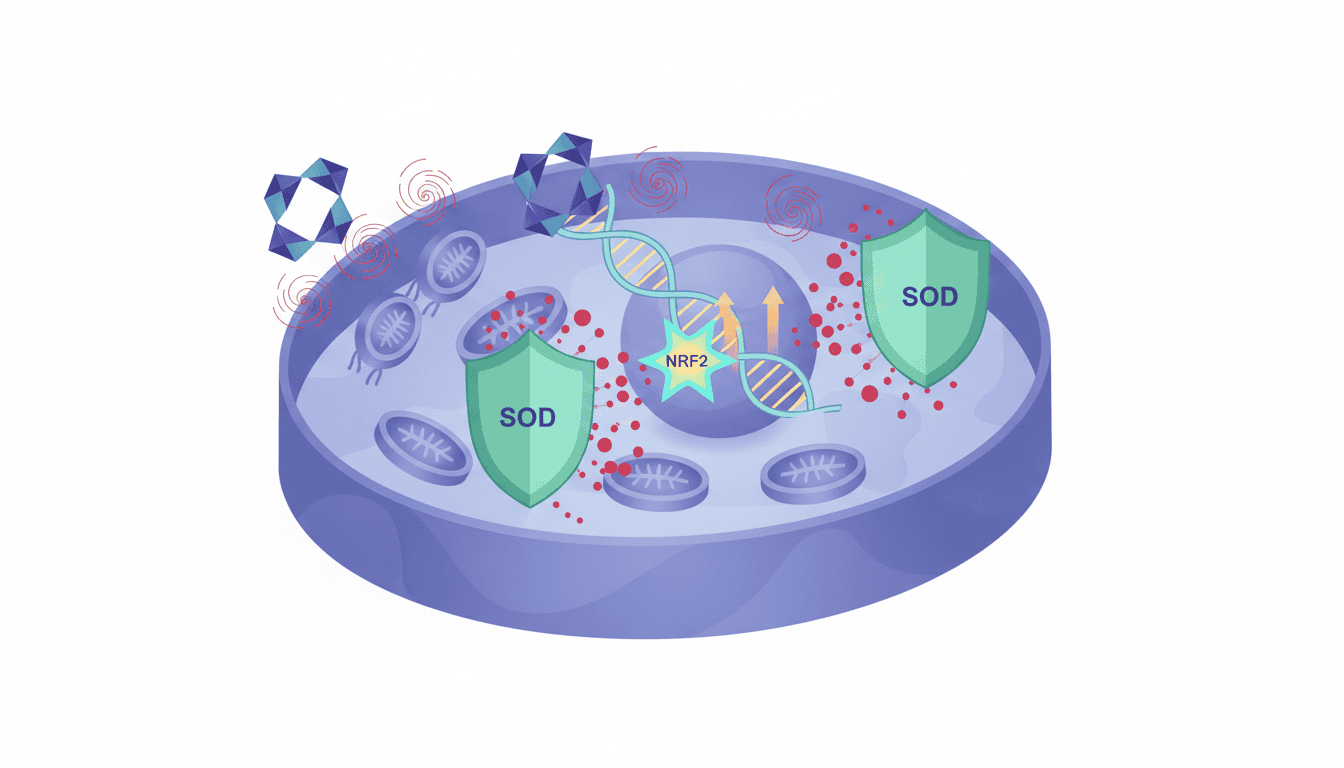
Featured image for Creatine and Oxidative Stress: What Happens When You Train Hard

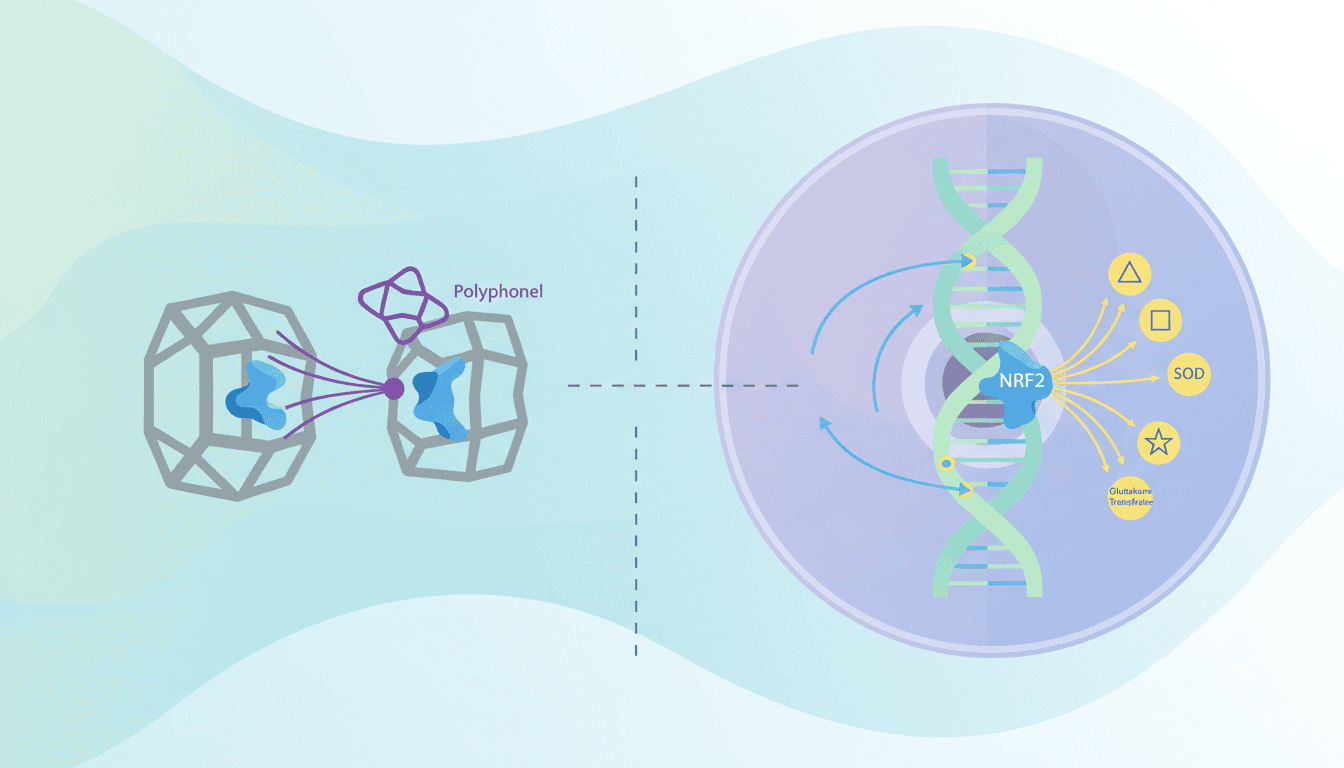
Creatine supplementation appears to reduce oxidative stress markers during intense exercise, but the effect varies based on training status, intensity, and individual genetics. Research suggests creatine buffers energy metabolism, potentially reducing free radical production, though how this influences actual training adaptation remains unclear.

How Scientists Are Learning to Read Mitochondrial Aging

Featured image for How Scientists Are Learning to Read Mitochondrial Aging

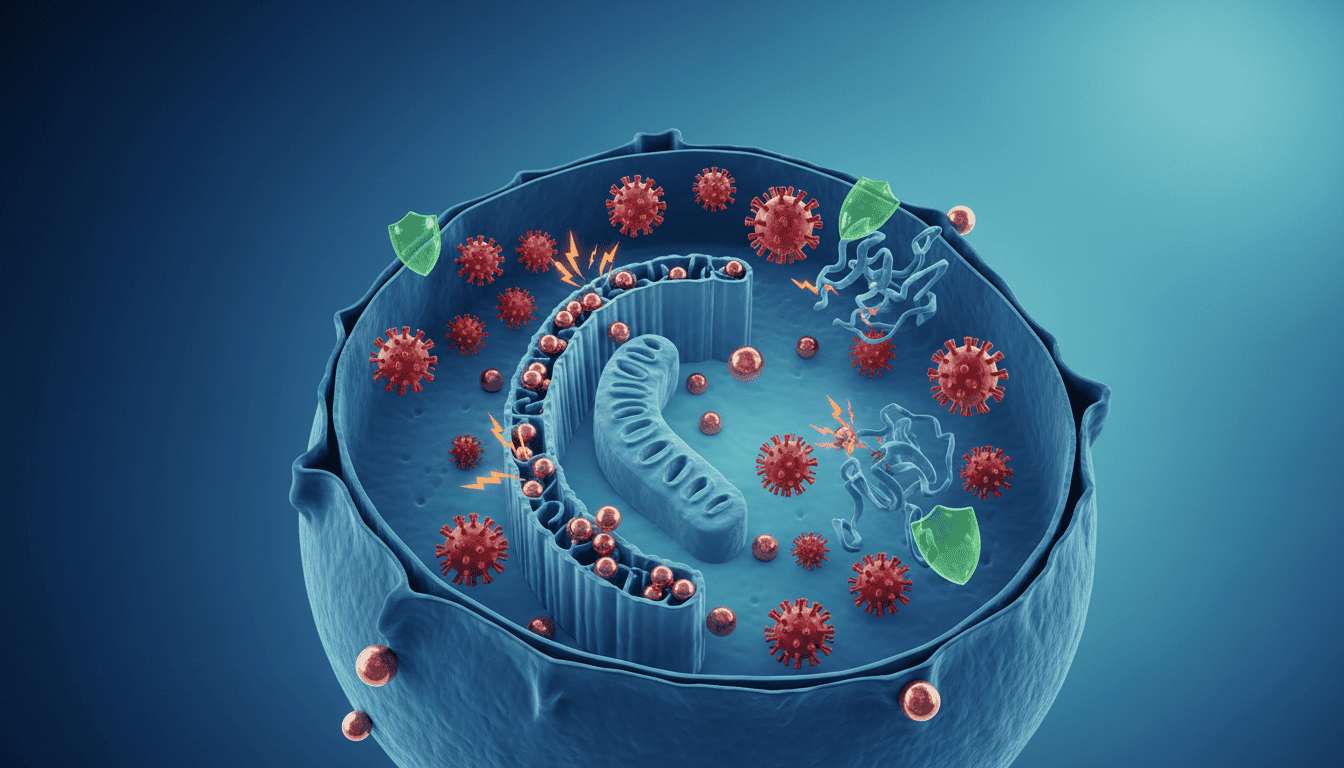
Scientists are developing new tools to watch how cells identify and remove failing mitochondria, revealing that this quality control system weakens with age but can be influenced by activity and nutrition. The findings suggest ageing is fundamentally about declining cellular maintenance rather than inevitable wear.

Mutant Mitochondrial DNA and the Ageing Cell

Featured image for Mutant Mitochondrial DNA and the Ageing Cell

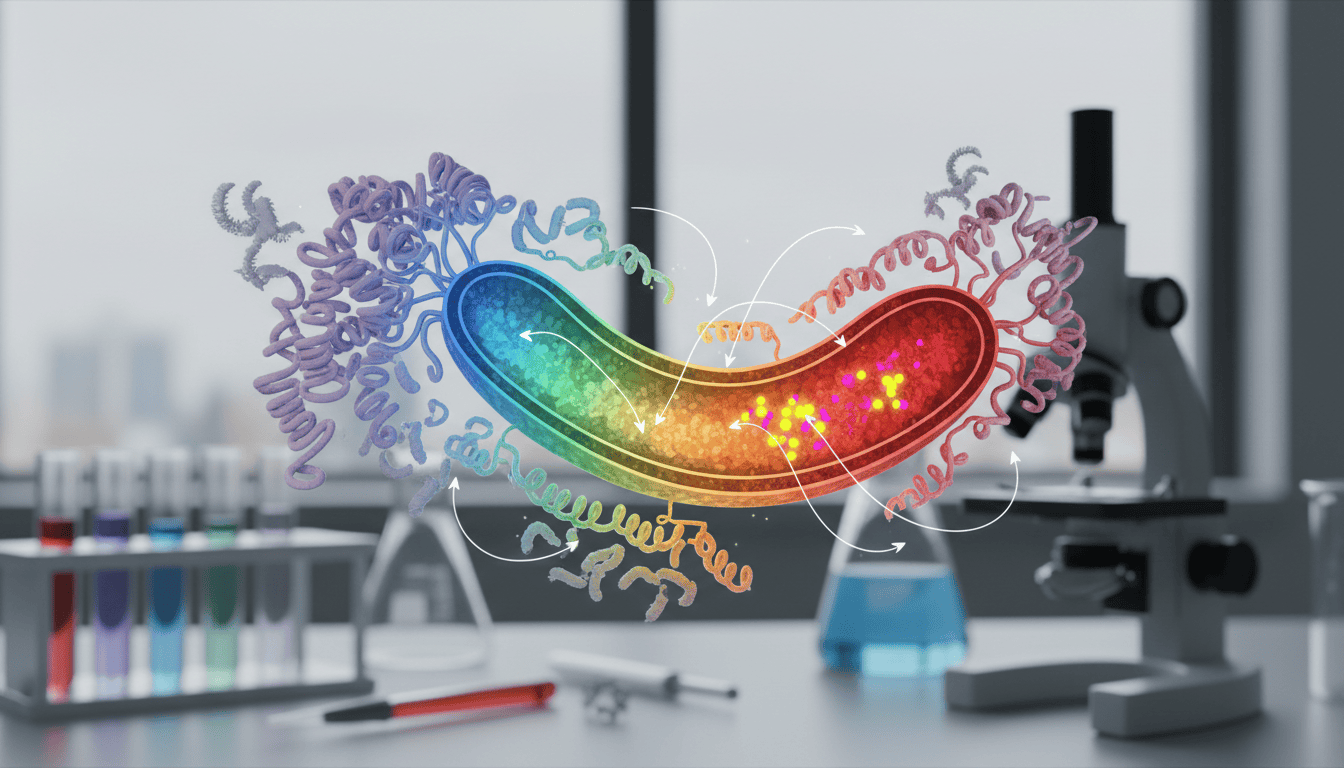
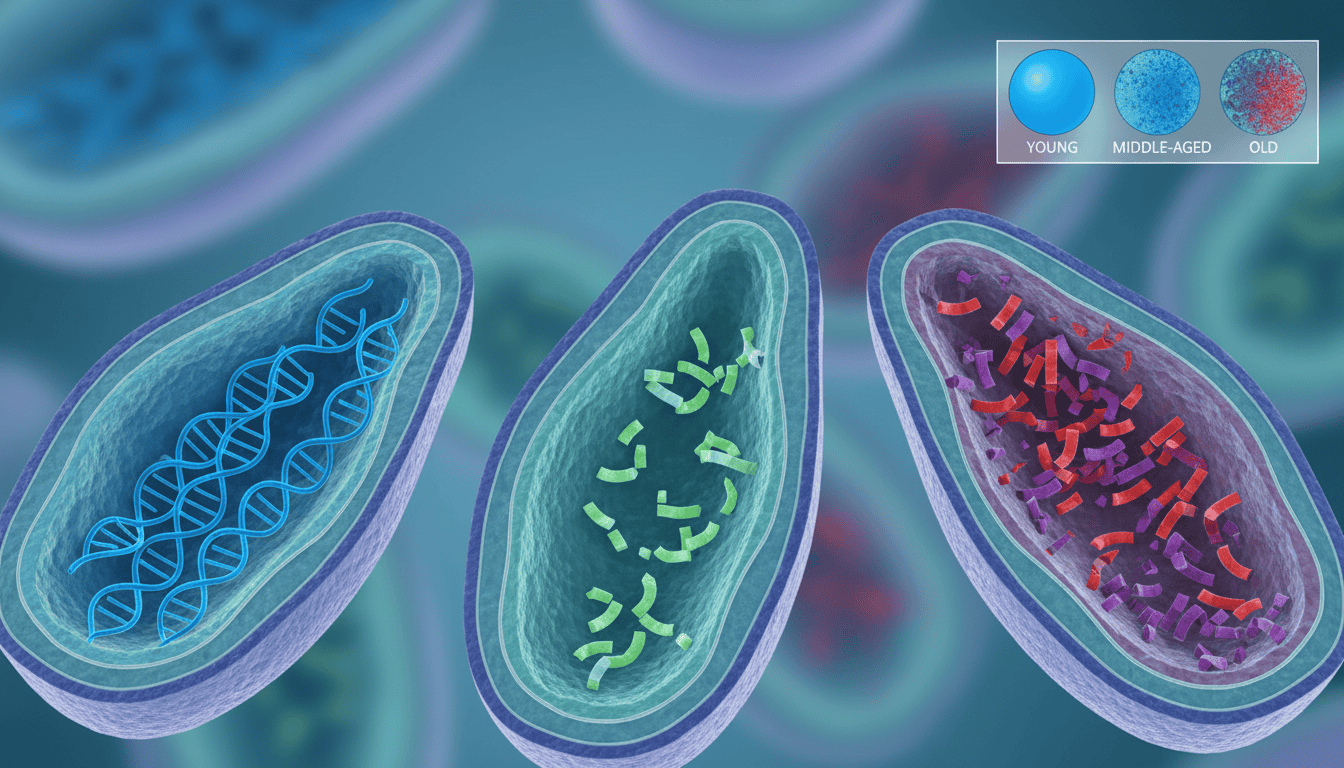
Mitochondrial DNA mutates steadily as you age, with some cells eventually containing mostly non-functional copies. Research reveals these mutations accumulate differently across tissues and may fundamentally alter how cells produce energy over time.

How a Tiny Peptide Guides Cells Through Oxidative Stress

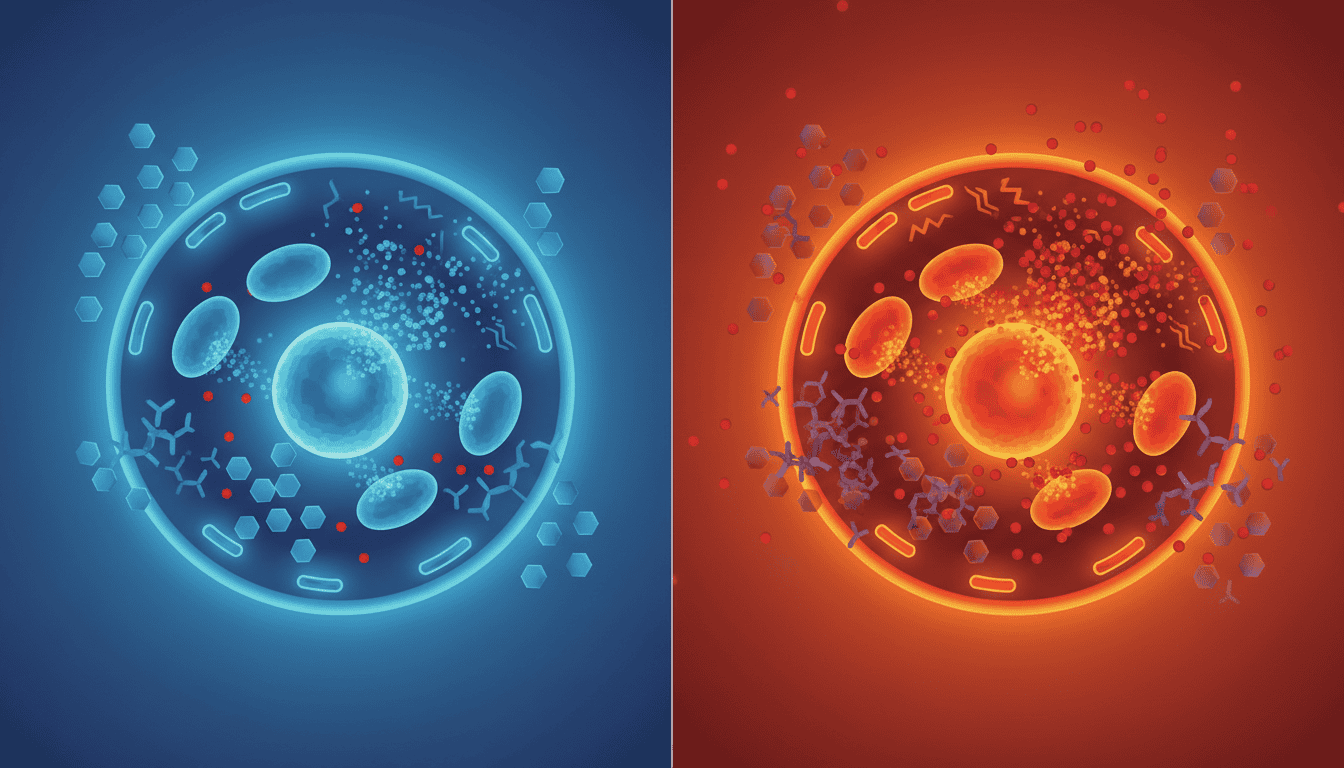
Featured image for How a Tiny Peptide Guides Cells Through Oxidative Stress

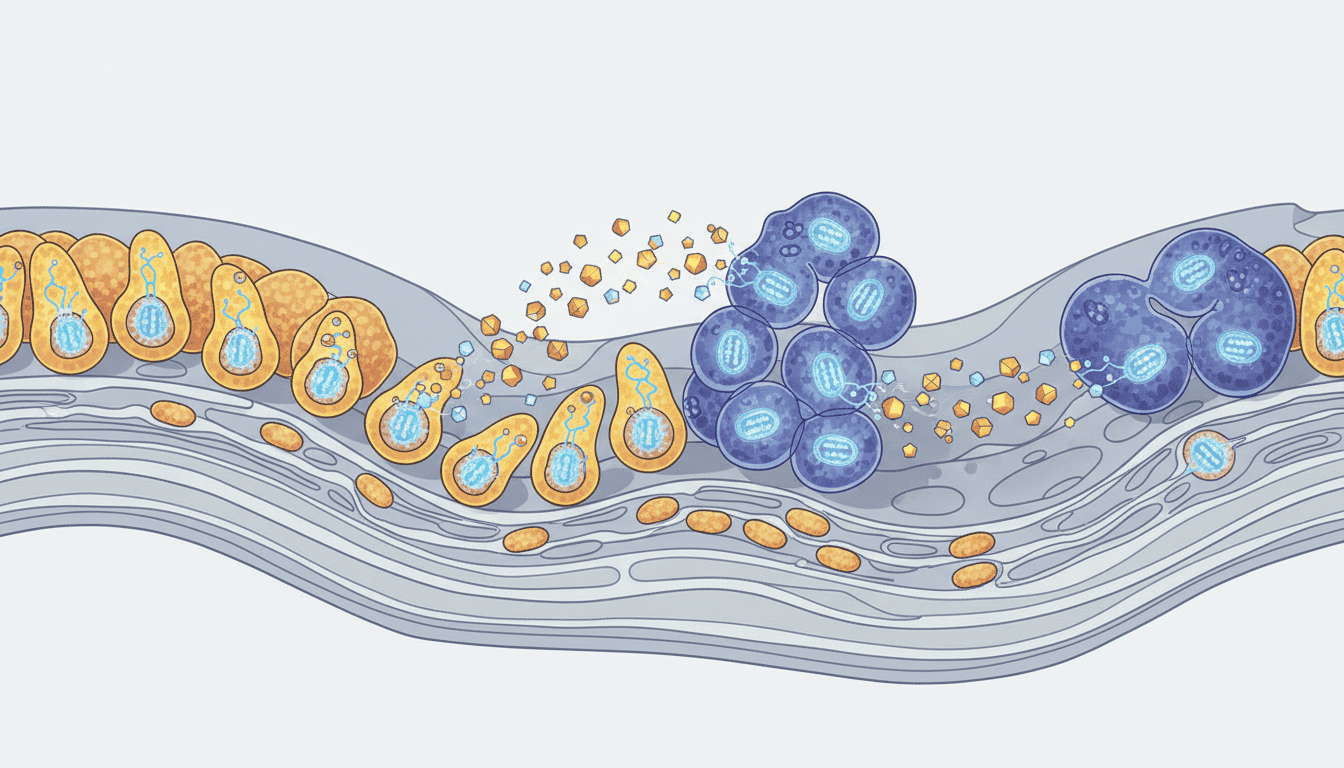
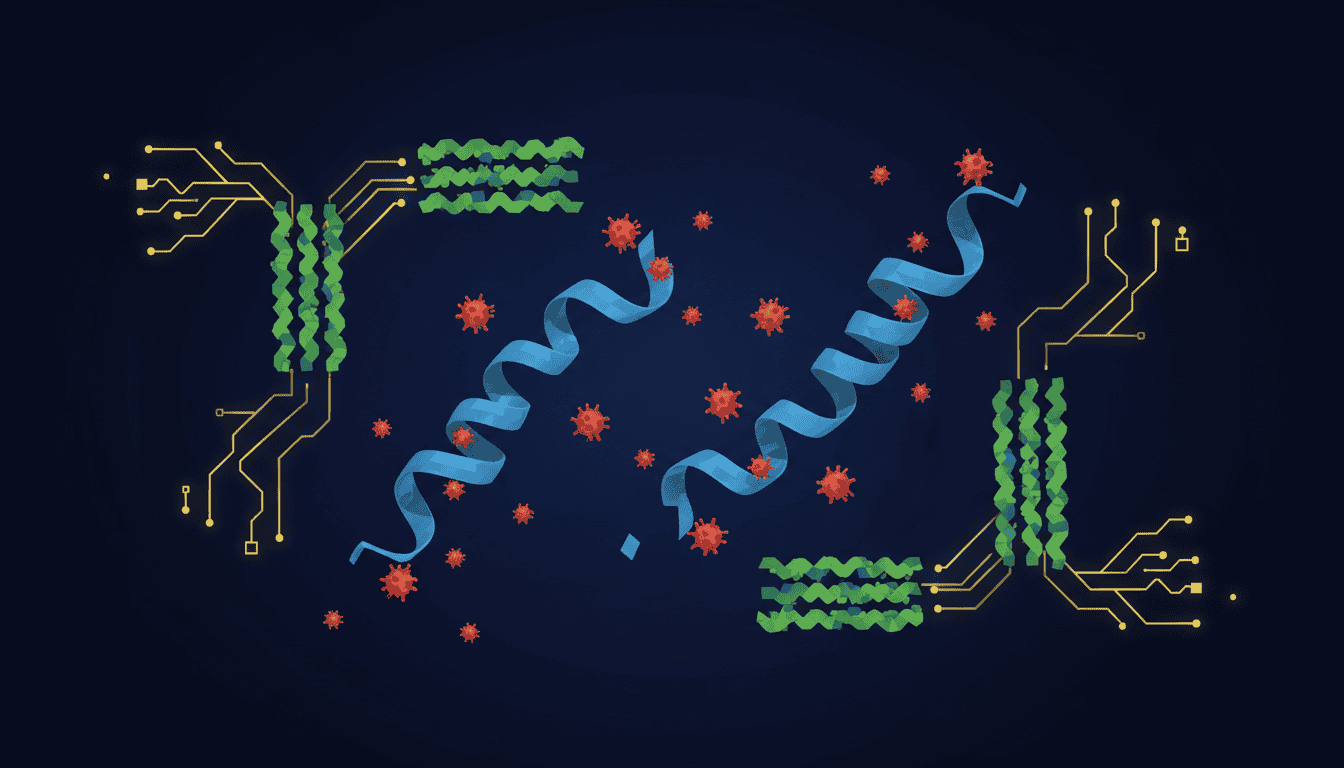
LL-37, a peptide produced by immune cells, acts as a redox sensor that coordinates cellular defence responses to oxidative stress. Researchers are discovering how this tiny messenger bridges immune defence and metabolic adaptation by responding differently to varying levels of reactive oxygen species.