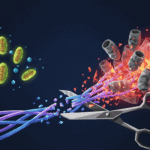
Your heart is under constant chemical assault. Every day, your cardiovascular system generates reactive oxygen species, unstable molecules that damage cell membranes, proteins, and DNA if left unchecked. In healthy people, the body’s antioxidant defences handle this load easily. But in cardiovascular disease, oxidative stress spirals out of control, triggering inflammation, stiffening arteries, and weakening the heart muscle itself. Here’s where plant polyphenols enter the picture: these naturally occurring compounds seem to amplify your cells’ own defence systems, helping them neutralise oxidative damage before it accumulates.
What is oxidative stress in cardiovascular disease
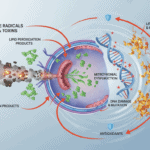
Oxidative stress occurs when reactive oxygen species (ROS) overwhelm your antioxidant defences. Think of it as a fire getting bigger than the firefighters can handle. Your mitochondria produce these free radicals constantly as a byproduct of energy production, but cells also generate them in response to inflammation, smoking, poor diet, and ageing.
In cardiovascular tissue, oxidative stress accelerates atherosclerosis by oxidising low-density lipoproteins (LDL), which then accumulate in artery walls. It damages endothelial cells, the delicate lining of blood vessels that normally produce nitric oxide to keep blood flowing smoothly. It stiffens collagen and elastin fibres in the heart wall itself. The problem compounds: oxidative stress triggers inflammatory signalling pathways, which generate more ROS, creating a vicious cycle.
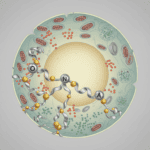
Polyphenols are a broad family of plant compounds found in tea, berries, wine, nuts, and legumes. They contain multiple phenol groups in their molecular structure, which gives them potent antioxidant properties. Unlike simple antioxidants that work through one mechanism, polyphenols appear to work through multiple pathways simultaneously.
What the research shows
When researchers expose cardiovascular cells to polyphenols in laboratory settings, oxidative markers drop measurably. Cells show reduced lipid peroxidation, lower levels of protein carbonylation, and decreased DNA damage. But here’s what makes this interesting: polyphenols don’t just act as passive antioxidants soaking up free radicals. They activate cellular signalling pathways that upregulate the cell’s own antioxidant enzyme systems.
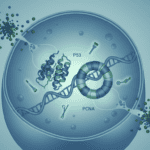
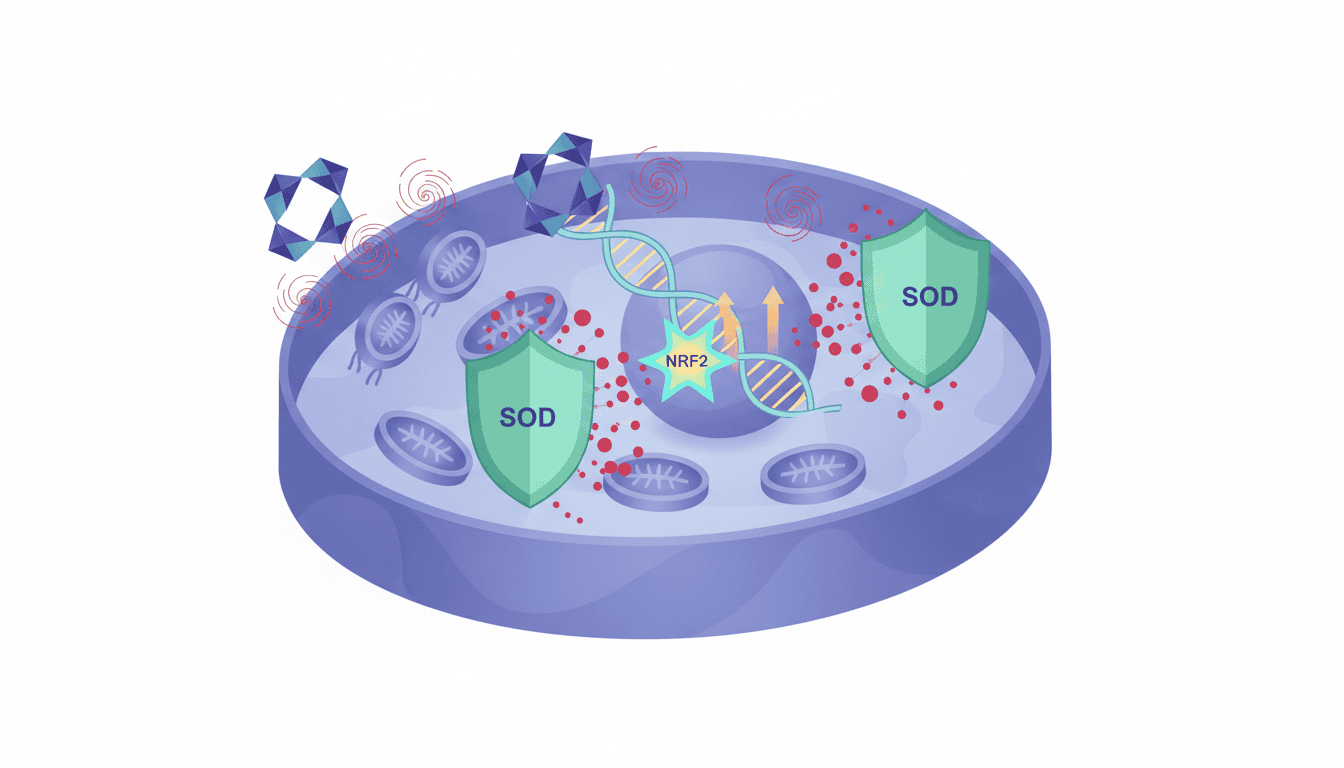
Specifically, polyphenols activate transcription factors like NRF2, which acts like a master regulatory switch in the cell nucleus. When activated, NRF2 travels into the nucleus and binds to antioxidant response elements on DNA, triggering the production of superoxide dismutase, catalase, and glutathione-S-transferase. These are the cell’s heavy-duty defence proteins, far more powerful than any external antioxidant.
In animal models of cardiovascular disease, dietary polyphenol intake reduces arterial stiffness, improves endothelial function (measured by nitric oxide bioavailability), and decreases markers of systemic inflammation. Endothelial cells treated with polyphenols maintain better function under oxidative stress. Blood vessel reactivity improves. In some models, polyphenol consumption slows atherosclerosis progression.
Human studies show that people who consume more polyphenol-rich foods have lower circulating markers of oxidative stress and better measures of vascular function. One consistent finding: the effect appears dose-dependent and time-dependent. You don’t get the benefits from a single dose; sustained consumption seems necessary.
Why cells need this defence system
Your cardiovascular system faces a unique oxidative burden. Blood vessels constantly encounter shear stress from flowing blood, triggering ROS production. The heart’s mitochondria work without pause, churning out both ATP and free radicals. Endothelial cells sit on the front line between blood and tissue, exposed to circulating metabolites and immune cells.
Evolution refined antioxidant defences over millions of years because oxidative damage directly threatens survival. A heart with compromised endothelial function can’t regulate blood pressure effectively. Oxidatively damaged myocardial cells lose contractility. Fibroblasts producing excess collagen in response to chronic oxidative stress stiffen the heart.
The fact that cells possess these inducible defence systems suggests they evolved to respond to nutritional signals from the environment. Polyphenols are abundant in plant foods, particularly in leaves, seeds, and skins where plants concentrate them as their own defence against UV radiation and oxidative stress. Consuming polyphenol-rich foods may have historically provided a signal to human cells: oxidative challenges are present, activate your defences.
What affects polyphenol effectiveness
Polyphenol bioavailability varies dramatically. Your gut microbiota metabolise polyphenols into smaller compounds your intestines can absorb; without the right bacterial population, you extract minimal benefit. Antibiotic use, poor diet quality, and inflammatory bowel conditions all compromise this microbial metabolism. This explains why two people eating identical amounts of berries might experience very different oxidative stress levels.
Polyphenol type matters enormously. Catechins from green tea, anthocyanins from berries, resveratrol from grapes, and hydroxytyrosol from olive oil all activate NRF2 and other defence pathways but with different potencies and kinetics. Age affects responsiveness; older cardiovascular cells sometimes show reduced NRF2 activation in response to the same polyphenol exposure, suggesting age-related changes in signalling sensitivity.
The oxidative baseline influences effectiveness. Cells under mild oxidative stress show robust activation of defence systems in response to polyphenols. But in severe oxidative stress, the system can become overwhelmed or dysregulated, limiting polyphenol efficacy. This suggests these compounds work best as preventive agents rather than rescue treatments in established severe disease.
Sex differences emerge in some studies. Women sometimes show different polyphenol absorption rates and signalling responses, partly due to oestrogen’s own antioxidant properties and its interaction with polyphenol metabolism. Genetic variation in enzymes involved in polyphenol metabolism means some people respond more robustly than others.
What remains unknown
We don’t fully understand which polyphenol structures drive which signalling outcomes. Why does resveratrol preferentially activate certain pathways while catechins activate others? How do different polyphenols interact when consumed together versus separately? These questions matter for understanding optimal dietary combinations.
The long-term safety profile remains incompletely characterised. Most research focuses on short-term oxidative stress reduction, but what happens when someone consumes high-dose polyphenol supplements for years? Can chronic activation of NRF2 cause adaptations that actually reduce responsiveness? Can it trigger unintended consequences in genes regulated by these pathways?
Translation from animal models to human cardiovascular disease remains incomplete. Animal studies often use purified polyphenols at higher concentrations than humans would consume from food. Human studies mostly measure biomarkers of oxidative stress rather than hard clinical outcomes like myocardial infarction or stroke. We need long-term prospective studies tracking polyphenol consumption against actual cardiovascular events.
The relationship between polyphenol dose and cardiovascular benefit appears non-linear, but we don’t know the optimal intake range or whether more is always better. We also lack clarity on how polyphenols interact with conventional cardiovascular medications.
The bigger picture
Plant polyphenols reveal something fundamental about how cells sense their nutritional environment and mount adaptive responses. Your cardiovascular system didn’t evolve in isolation from your diet; the two coevolved. The antioxidant machinery your endothelial cells possess appears specifically tuned to respond to signals from plant foods. This points toward a deeper cellular logic: health emerges not from any single nutrient or drug, but from the ongoing dialogue between your cells and your environment. Understanding that dialogue at a molecular level is where cardiovascular research increasingly focuses.

Matt Elliott is the editor of Redox News Today, an independent publication covering peer-reviewed research on cellular health, redox signalling, and related biomedical science.