Your cells are burning through magnesium right now. Not literally burning, but using it up at a steady clip in the dozens of chemical reactions that keep you alive. Yet magnesium is one of those minerals most people have never thought about unless they’ve had a leg cramp. The reason scientists care deeply about it is simpler: without adequate magnesium, your mitochondria can’t do their main job of producing energy.
What is magnesium’s role in mitochondrial function
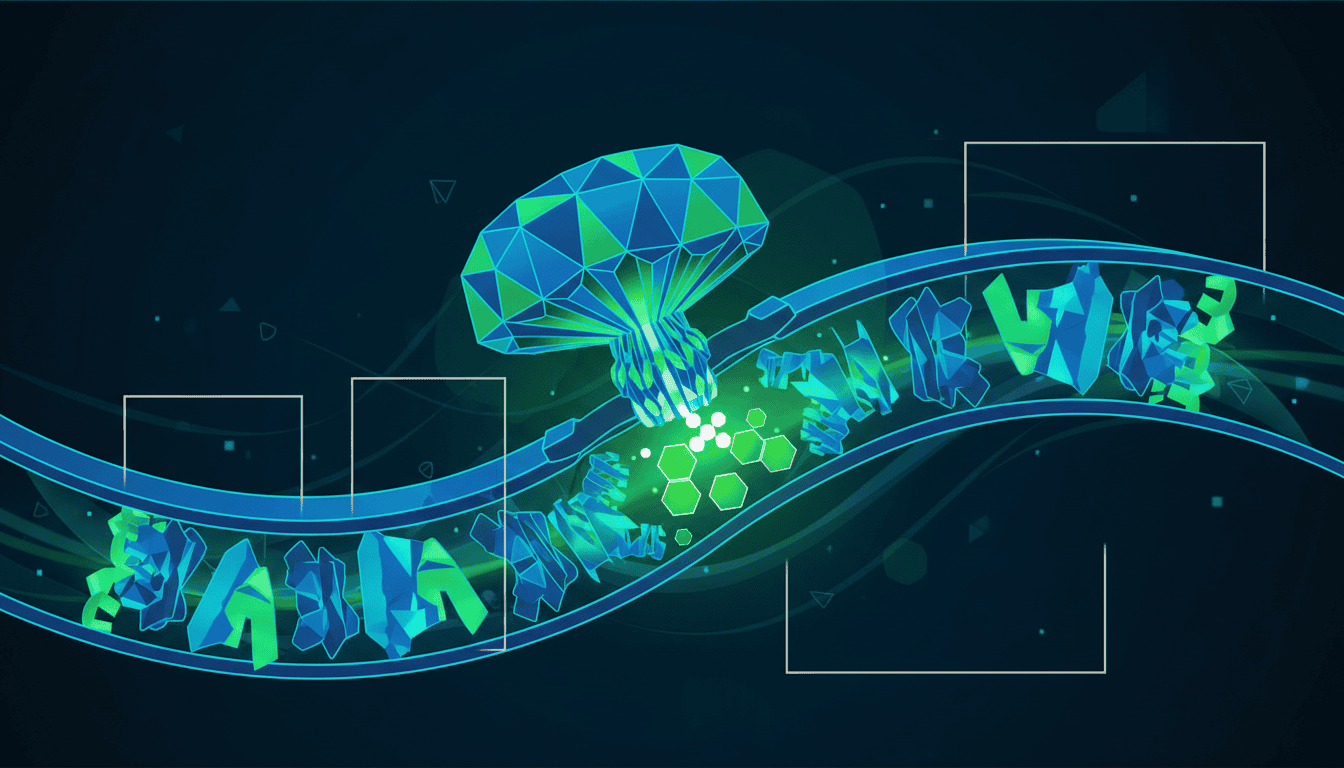
Magnesium is a cofactor, which means it’s a non-protein molecule that enzymes absolutely need to work. Think of it as a key that fits into the enzyme’s lock. Inside mitochondria, magnesium is essential for ATP synthase, the enzyme that actually assembles ATP, the energy currency cells spend to do everything else. Without enough magnesium, ATP synthase slows down. Your cells produce less energy, even if everything else is working fine.
The mechanism goes deeper. Magnesium stabilises the structure of ATP molecules themselves once they’re made, keeping them intact and available for use. It also regulates the electron transport chain, the series of protein complexes that generates the electrical gradient mitochondria use to power ATP synthesis. If magnesium levels drop, the whole system becomes less efficient. It’s not that the machinery breaks, it’s that the chemistry becomes sluggish.
Magnesium does this work across hundreds of enzymatic reactions in the cell, not just in mitochondria. But the mitochondrial role is particularly consequential because energy production is relentless. Your cells need ATP constantly, which means they need magnesium constantly.
What the research shows
Studies examining cells with limited magnesium access reveal a predictable pattern: ATP production declines proportionally to magnesium depletion. Researchers have observed this in isolated mitochondria and in cultured cell lines. When magnesium is restored, ATP production bounces back. The relationship isn’t subtle or marginal. In some experiments, magnesium restriction reduced ATP generation by 30 to 40 percent.
More interesting are findings showing that magnesium deficiency triggers a cascade of secondary problems. Mitochondria respond to low magnesium by increasing their calcium uptake as a kind of compensatory mechanism, but this actually stresses the mitochondria further. Oxidative stress increases. The mitochondrial membrane potential, the electrical gradient that powers ATP synthesis, becomes unstable. Cells showing signs of magnesium depletion often display markers of cellular stress that extend well beyond simple energy deficit.
Research on whole organisms reinforces the picture. Animals fed magnesium-deficient diets show reduced exercise tolerance and slower muscle recovery, both consistent with impaired mitochondrial energy production. Human studies examining serum magnesium levels have found associations between lower magnesium and markers of reduced mitochondrial function in muscle tissue, though establishing causation in human populations is inherently more difficult than in controlled laboratory settings.
Why cells need this mechanism
Evolution preserved this magnesium dependency because magnesium was abundant in early cellular environments and reliable enough to make it a stable design choice. More importantly, magnesium’s role in regulating ATP synthase gave cells a way to fine-tune energy production. Because magnesium availability can fluctuate slightly based on diet and cellular conditions, having ATP synthesis depend on magnesium allowed cells to adjust their energy output in response to what’s available. It’s a form of metabolic flexibility.
The broader pattern reveals something about how cells work: they don’t just have one iron-fisted control mechanism. Instead, they have layers of sensitivity to different signals. Magnesium availability is one signal among many. When cells are well-supplied with magnesium, they can run ATP synthesis at full capacity. When magnesium becomes scarcer, the system naturally throttles back. This isn’t a bug, it’s a feature that keeps cells from spending energy they don’t have.
What affects magnesium levels
Dietary intake is the obvious factor. Magnesium comes primarily from leafy greens, nuts, seeds, and whole grains. But absorption isn’t guaranteed. The intestine controls magnesium uptake carefully, and several factors can impair this. Excessive dietary calcium can compete with magnesium for absorption. Chronic stress increases magnesium urinary losses. Certain medications interfere with magnesium handling in the kidneys. Ageing itself appears to reduce magnesium absorption efficiency.
Physical activity influences magnesium status in complex ways. Exercise increases magnesium demand because muscles use more ATP and therefore need more magnesium to synthesise it. Yet moderate exercise also appears to improve magnesium retention. The opposite pattern emerges with extreme endurance exercise: athletes engaged in very high training loads sometimes develop magnesium depletion from both increased demand and increased urinary losses.
Metabolic conditions matter too. Insulin resistance alters magnesium homeostasis, increasing renal excretion. Inflammation driven by any cause appears to increase magnesium requirements. Even sleep deprivation affects magnesium regulation, though the mechanism isn’t fully mapped. The list keeps growing as researchers investigate how our various physiological states influence this single mineral.
What remains unknown
The dose-response relationship between magnesium status and mitochondrial function in healthy humans is still surprisingly unclear. We know extreme deficiency causes problems. But there’s a grey zone in the middle. Some people’s mitochondria function fine at magnesium levels where others might show subtle impairment. Genetic variation in magnesium handling proteins almost certainly explains some of this, but nobody has mapped it comprehensively.
Scientists also don’t fully understand the signalling mechanisms that adjust magnesium transport in response to cellular energy demands. The system clearly has feedback loops that prevent both deficiency and excess, but the details remain patchy. How do cells sense when magnesium-dependent ATP production is dropping and then upregulate magnesium uptake? The answer probably involves multiple sensors and pathways, but they’re not yet clearly defined.
There’s also the question of tissue-specific effects. Magnesium matters for energy production everywhere, but some tissues depend on it more than others. Muscle and brain, both metabolically hungry, presumably suffer more from magnesium insufficiency than less active tissues. Yet systematic research comparing magnesium sensitivity across different cell types remains limited.
What emerges from this survey is a mineral that’s simultaneously well-understood in its basic biochemistry and poorly understood in its real-world physiological significance. We know exactly what magnesium does in ATP synthase. We know it matters. But we’re still learning how to interpret what it means when someone’s magnesium levels sit in the middle ranges that characterise most healthy populations.
The bigger picture of cellular energy production keeps returning to the same theme: cells need dozens of inputs working correctly in parallel. Magnesium is one essential piece among many. Understanding how these pieces interact, and which ones matter most in different contexts, remains one of the challenging frontiers in cellular biology.

Matt Elliott is the editor of Redox News Today, an independent publication covering peer-reviewed research on cellular health, redox signalling, and related biomedical science.