The Cellular Clock: Why Some People Age Faster Than Others at the Molecular Level

Featured image for The Cellular Clock: Why Some People Age Faster Than Others at the Molecular Level

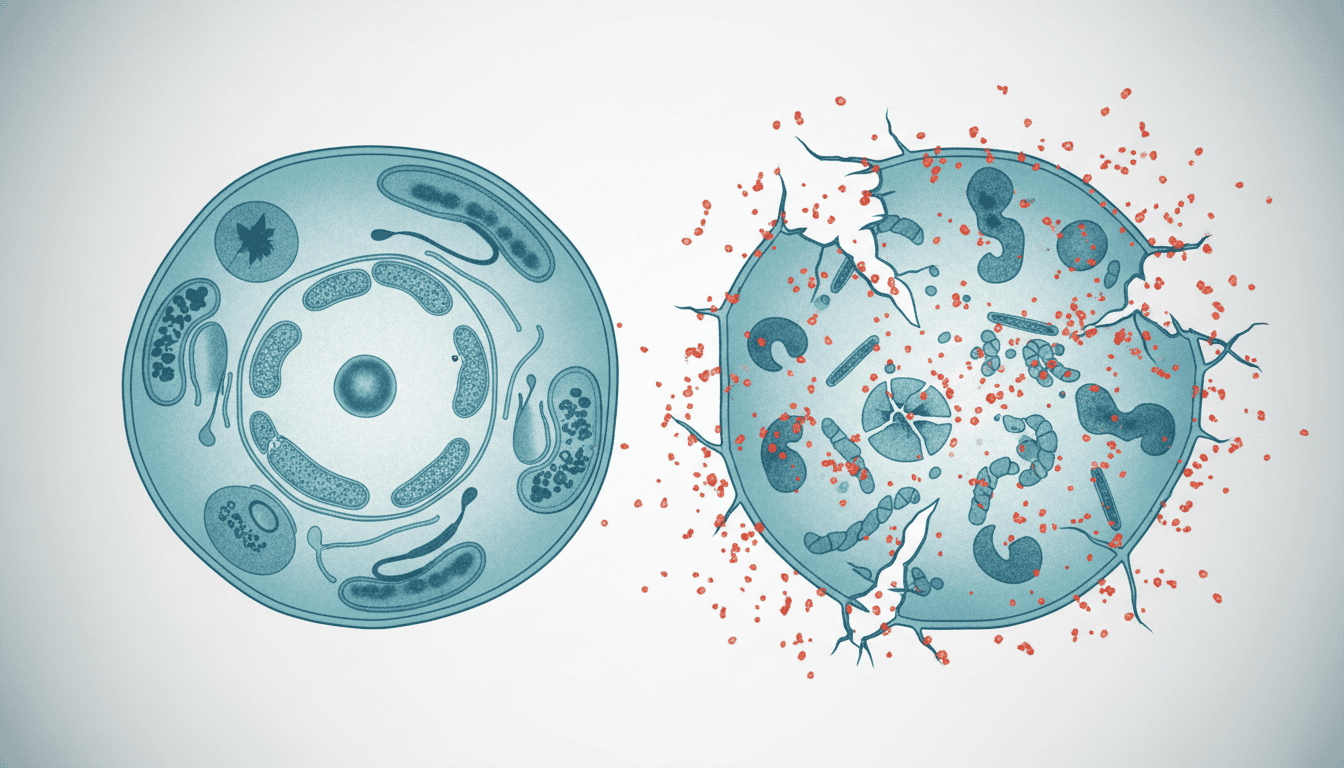
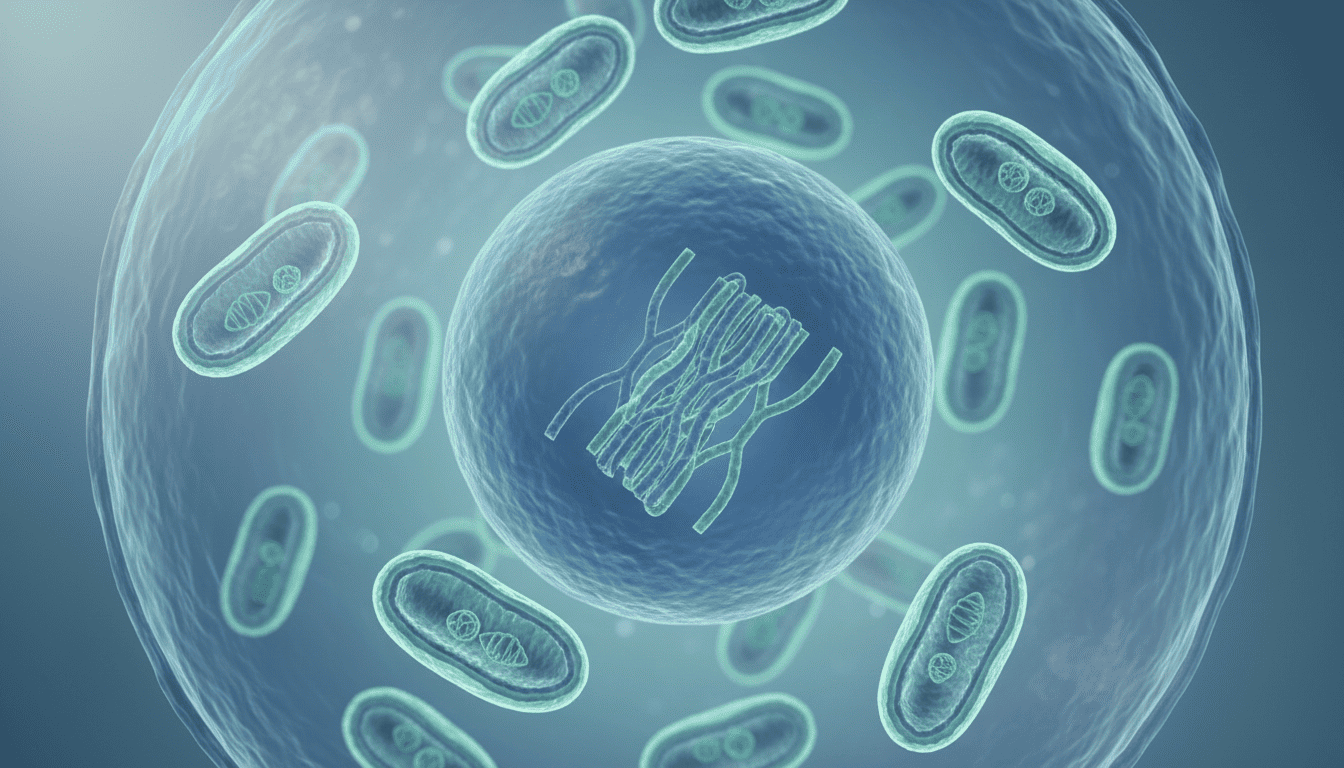
Scientists have discovered that cellular ageing varies dramatically between individuals due to differences in telomere maintenance, mitochondrial function, protein quality control, and DNA repair systems. These biological mechanisms, influenced by both genetics and lifestyle factors, explain why some people maintain youthful cellular function whilst others show accelerated ageing.

Telomeres and Time: How Chromosome Caps Reflect Biological Age

Featured image for Telomeres and Time: How Chromosome Caps Reflect Biological Age

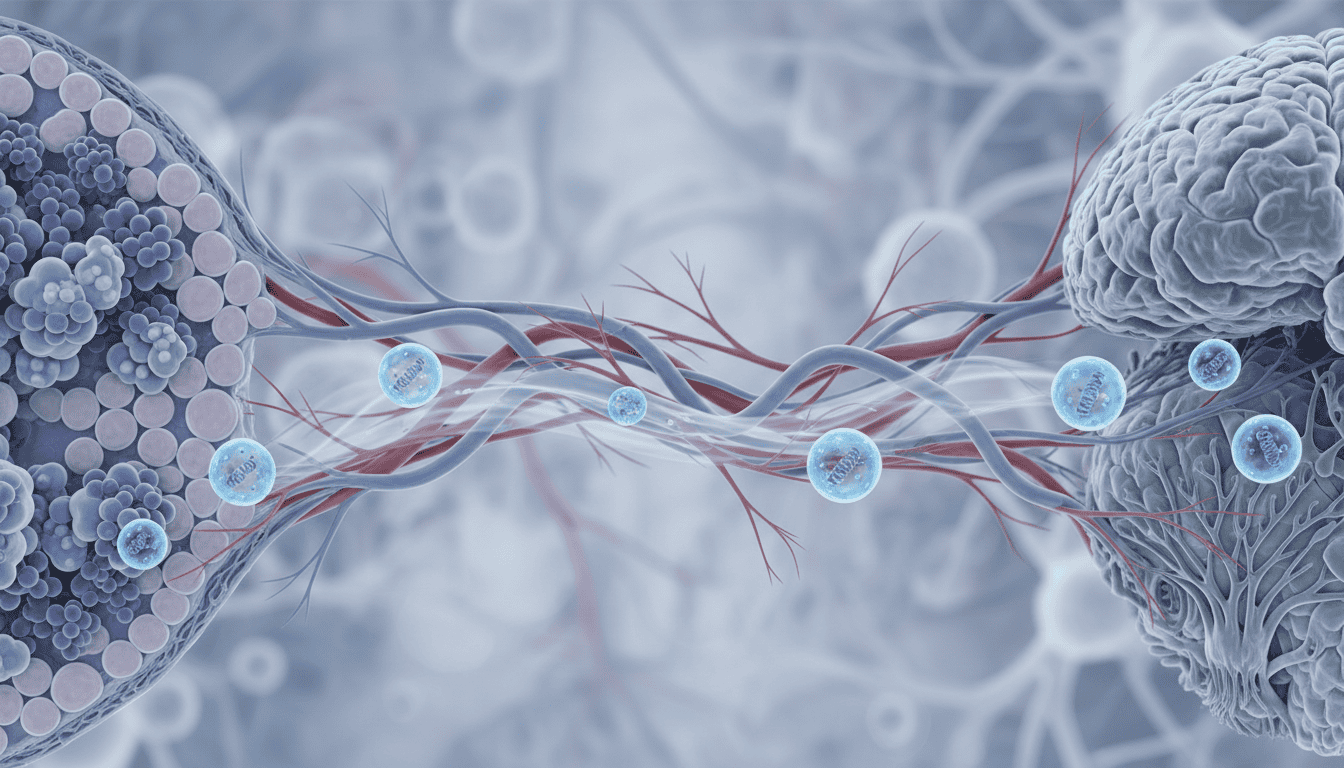
Telomeres, the protective caps at chromosome ends, gradually shorten with cellular division and serve as molecular timekeepers of biological age. Research reveals how telomere length reflects cellular health and ageing processes, though the relationship involves complex interactions with oxidative stress, inflammation, and lifestyle factors.

How Selenium Powers Your Body’s Master Antioxidant: The Essential Mineral Behind Glutathione Production

Featured image for How Selenium Powers Your Body's Master Antioxidant: The Essential Mineral Behind Glutathione Production

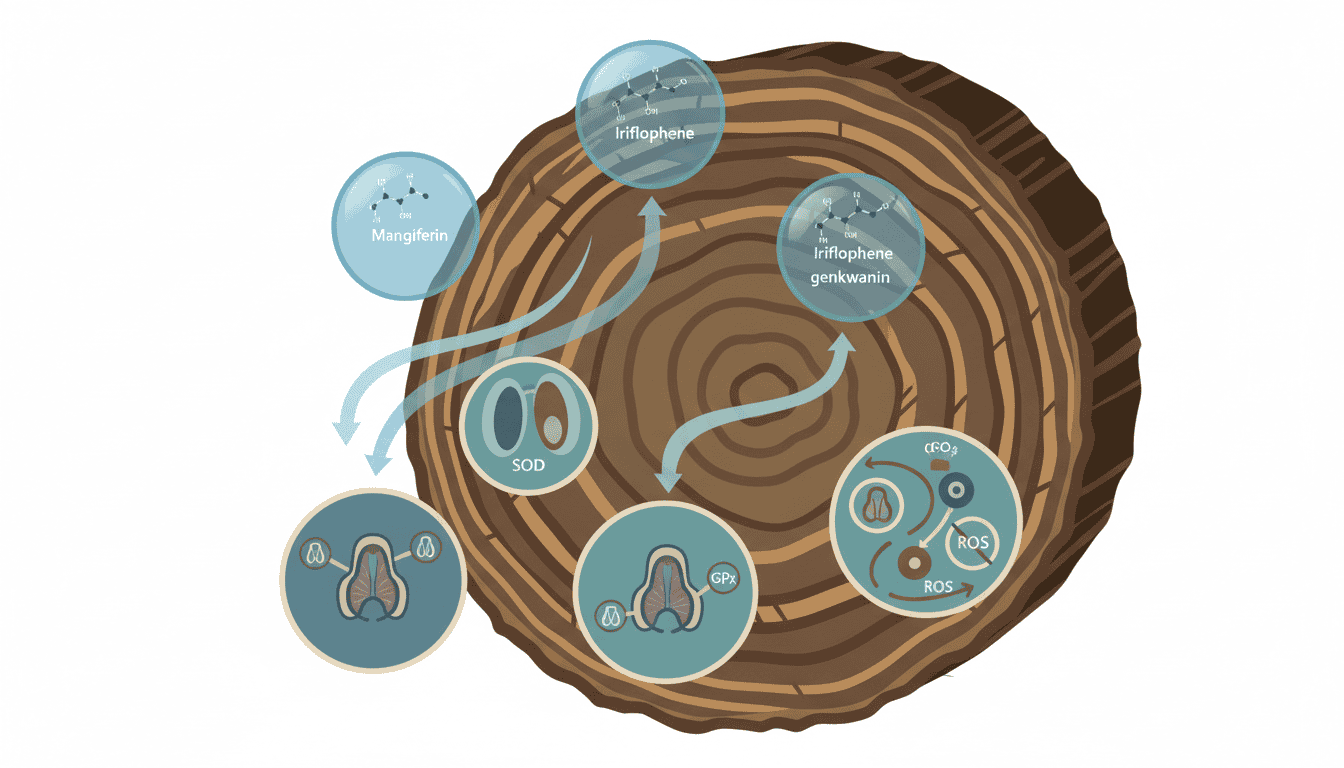
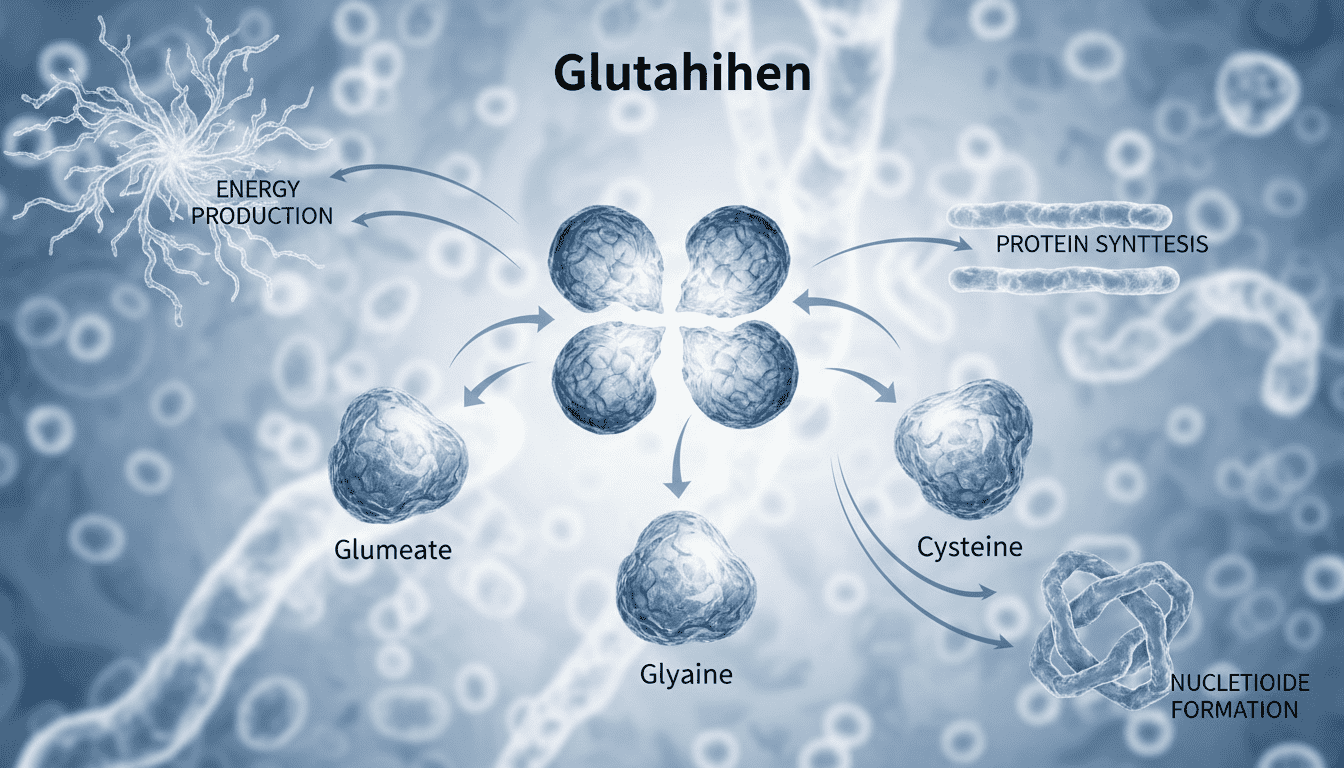
Selenium serves as an essential cofactor in glutathione peroxidase production, the enzyme system responsible for converting harmful peroxides into harmless compounds. This trace mineral’s role in cellular antioxidant defence highlights the intricate biochemical partnerships that maintain cellular health and protect against oxidative damage.

Green Tea and EGCG: What the Cellular Research Shows

Featured image for Green Tea and EGCG: What the Cellular Research Shows

EGCG, green tea’s primary bioactive compound, demonstrates complex interactions with cellular antioxidant systems, mitochondrial function, and gene expression pathways. Research reveals that rather than acting simply as a direct antioxidant, EGCG influences cellular signalling mechanisms that regulate the body’s own protective systems.

Why Fibre Is Critical for More Than Just Digestion

Featured image for Why Fibre Is Critical for More Than Just Digestion

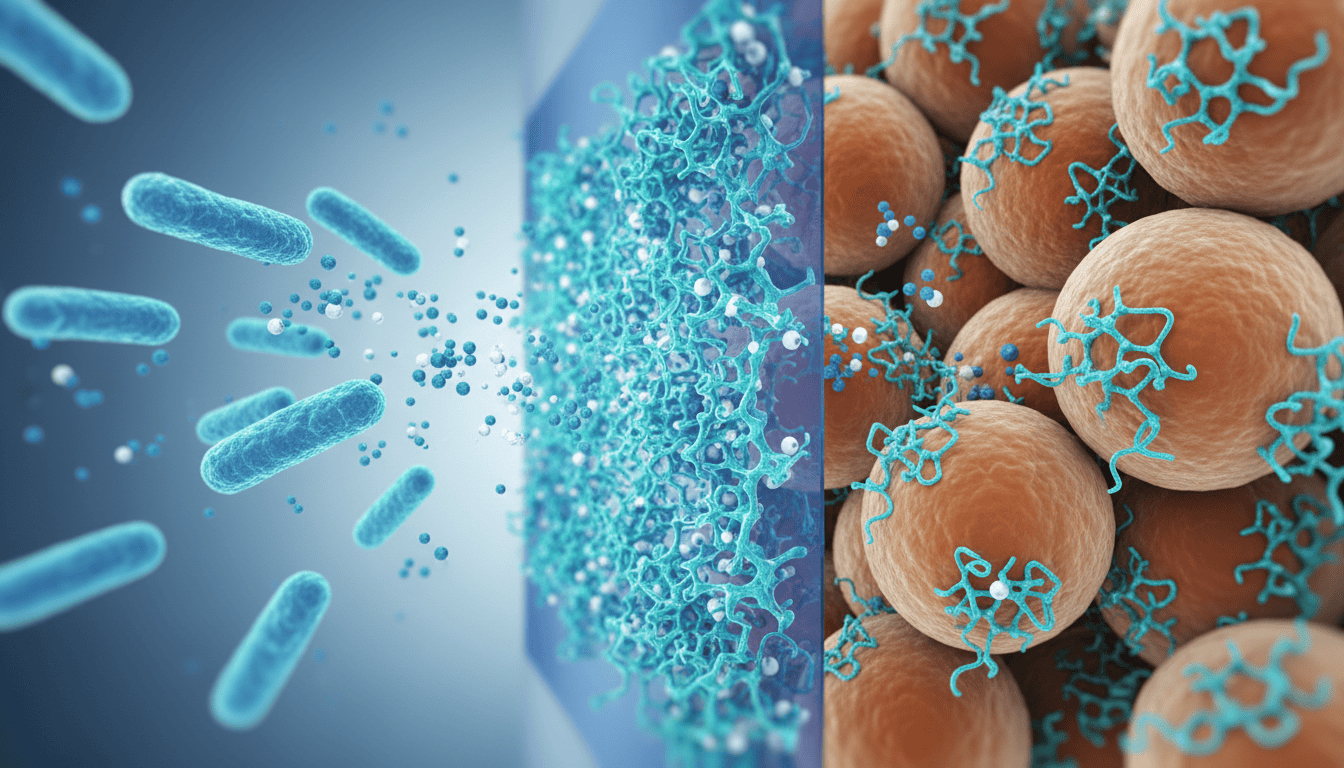
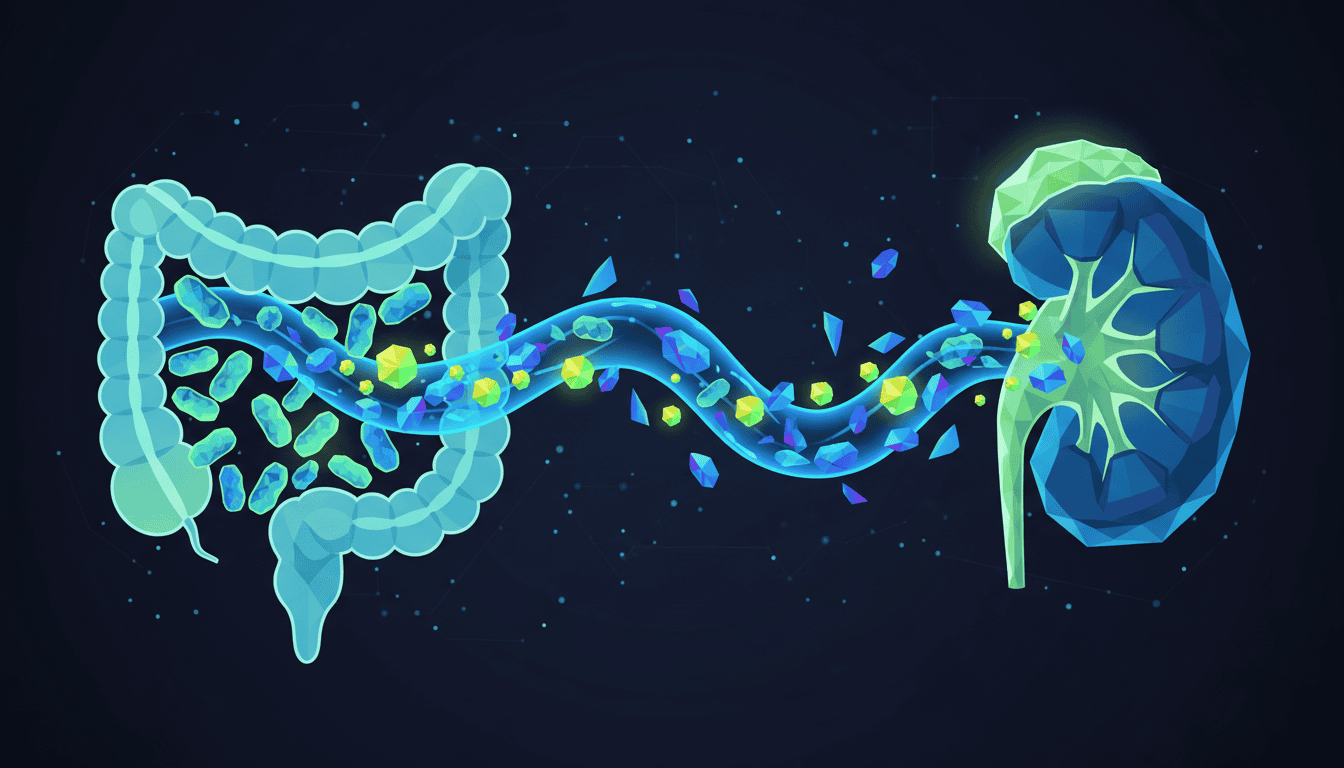
While dietary fibre is commonly associated with digestive health, research reveals its far-reaching effects on cellular signalling, immune function, and metabolic processes. Through the production of beneficial microbial metabolites and direct cellular interactions, fibre intake supports health systems throughout the entire body.