Your Cells Care More About Deep Sleep Than Eight Hours
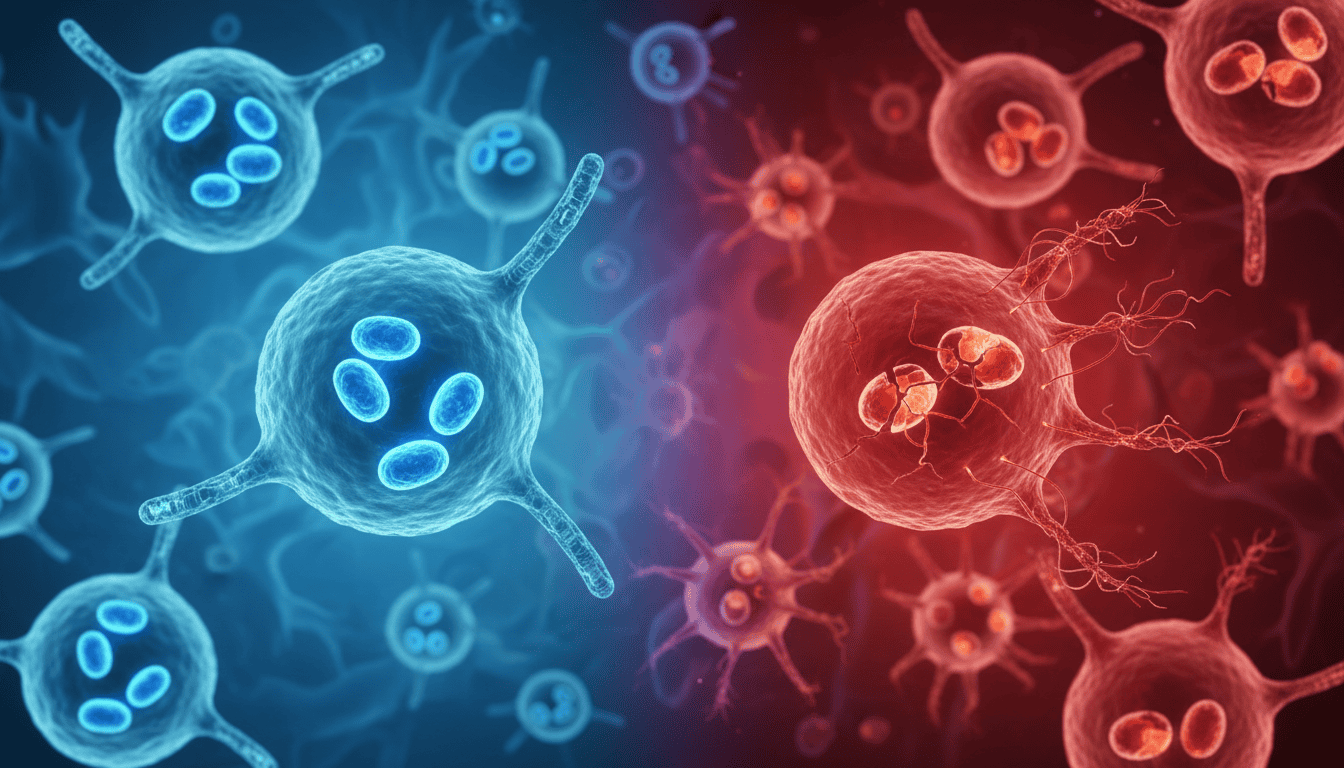
Eight hours of fragmented sleep damages cells more than four hours of deep, uninterrupted rest. Research shows cellular repair processes depend on sleep cycle quality, not duration.
Research reveals that even brief naps trigger cellular repair mechanisms and reduce oxidative stress markers throughout the body. Different nap durations activate distinct cellular response patterns, from rapid antioxidant system activation to comprehensive cellular maintenance processes.
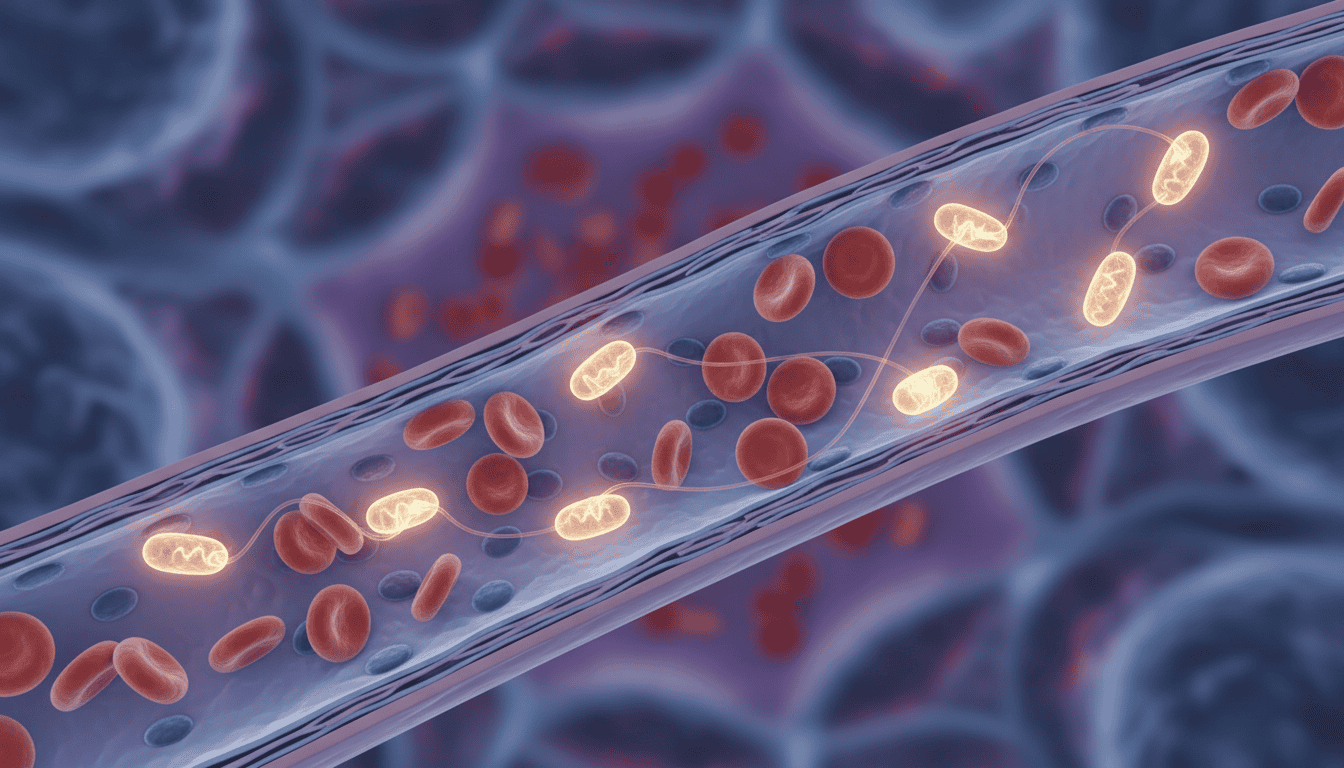
Sleep apnoea creates chronic oxidative stress through repeated cycles of low oxygen followed by rapid reoxygenation during sleep. This pattern overwhelms cellular antioxidant defences and contributes to systemic inflammation and cellular damage throughout the body.
Blue light exposure during evening hours disrupts the natural production of melatonin, a hormone crucial for cellular recovery and antioxidant protection. This disruption can compromise cellular repair processes, immune function, and energy metabolism that typically occur during nighttime rest periods.
Shift workers experience significantly elevated levels of oxidative stress due to disrupted circadian rhythms that misalign cellular defence systems. When natural sleep-wake cycles are disturbed, antioxidant enzyme production becomes mistimed with periods of cellular stress, while metabolic disruption and chronic inflammation compound the damage.
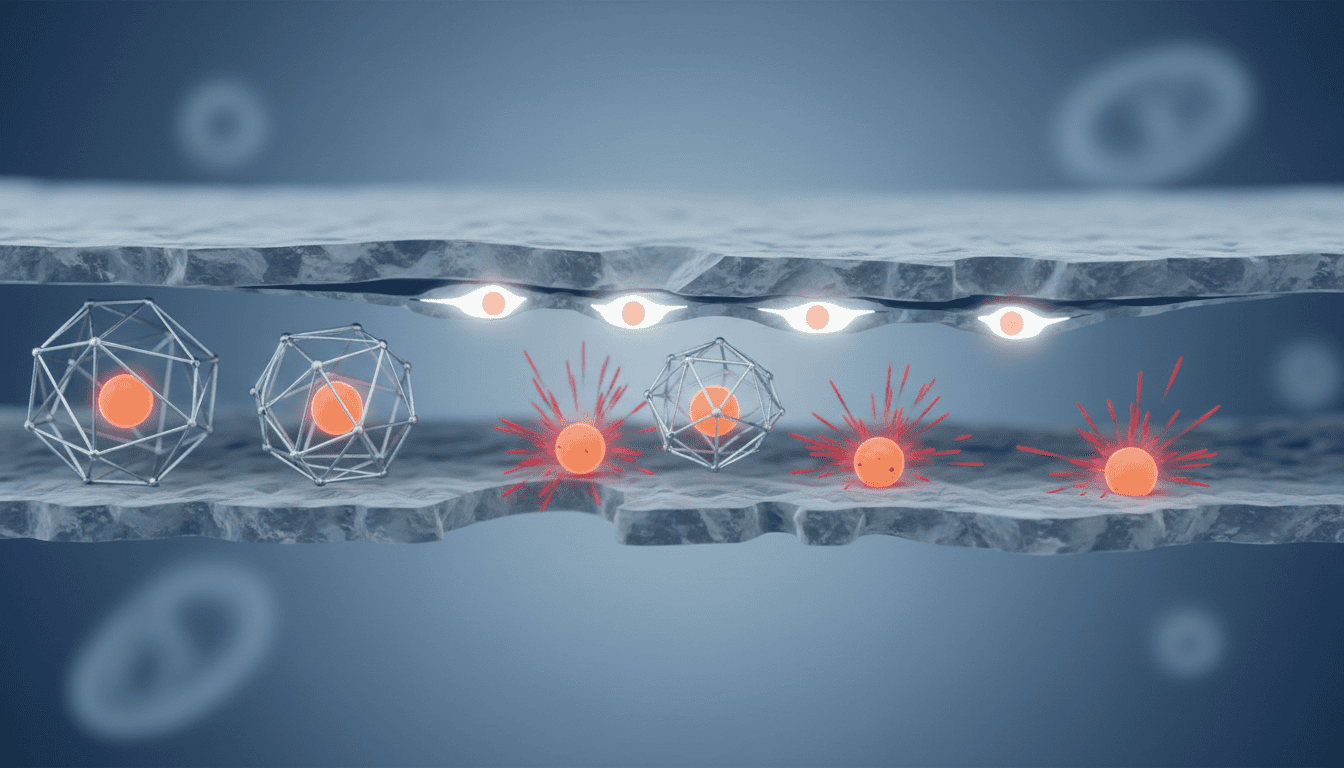
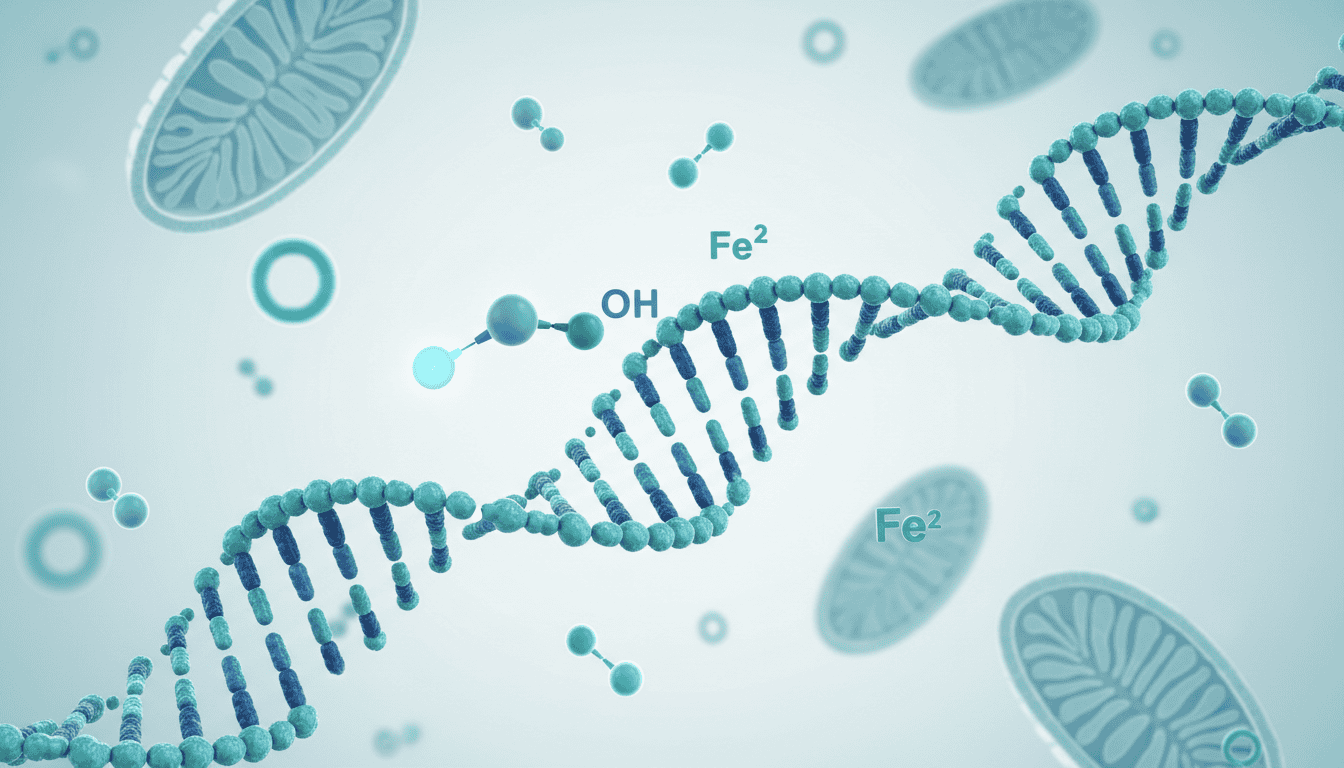
Circadian rhythms coordinate sophisticated cellular repair processes including DNA maintenance, protein quality control, and antioxidant defence systems. These internal biological clocks ensure that energy-intensive repair mechanisms operate during optimal windows, typically during rest periods when they won’t interfere with active cellular functions.
During deep sleep, the brain activates its sophisticated waste removal system called the glymphatic network, which uses cerebrospinal fluid to flush toxins from neural tissue. This cellular maintenance process increases by up to 60% during sleep, highlighting the crucial role of quality rest in brain health.
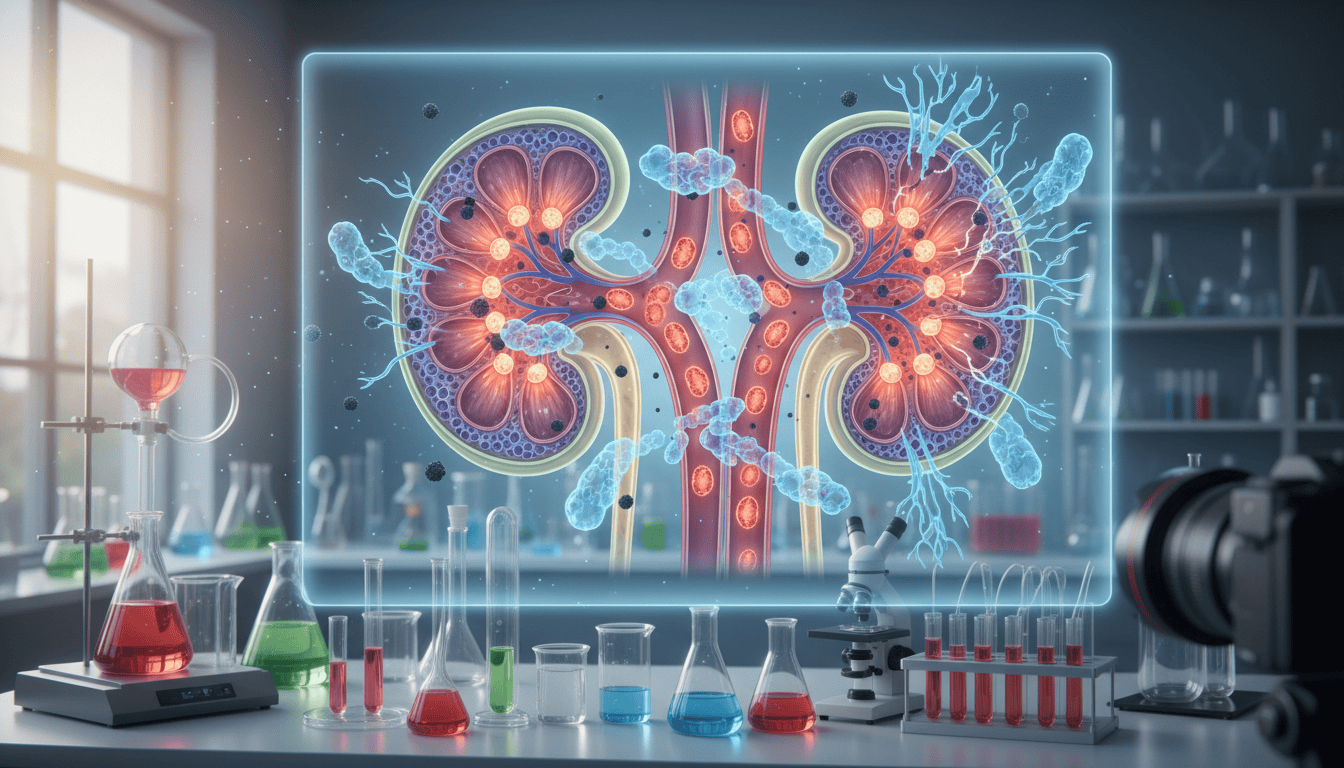
Environmental toxins infiltrate our bodies daily, triggering oxidative stress, overwhelming cellular detoxification systems, and damaging DNA repair mechanisms. These processes collectively accelerate cellular ageing by disrupting normal maintenance functions and promoting chronic inflammation that compromises cellular health over time.
Biological age reflects the actual condition of our cells and organs, often differing dramatically from chronological age. Understanding this distinction reveals why cellular health maintenance matters more than simply counting calendar years for predicting health outcomes and longevity.
Blue Zones are five regions worldwide where people regularly live past 100 with exceptional health. Research reveals these populations share lifestyle patterns that support cellular health through diet, movement, social connections, and sleep habits that optimise natural cellular repair mechanisms.
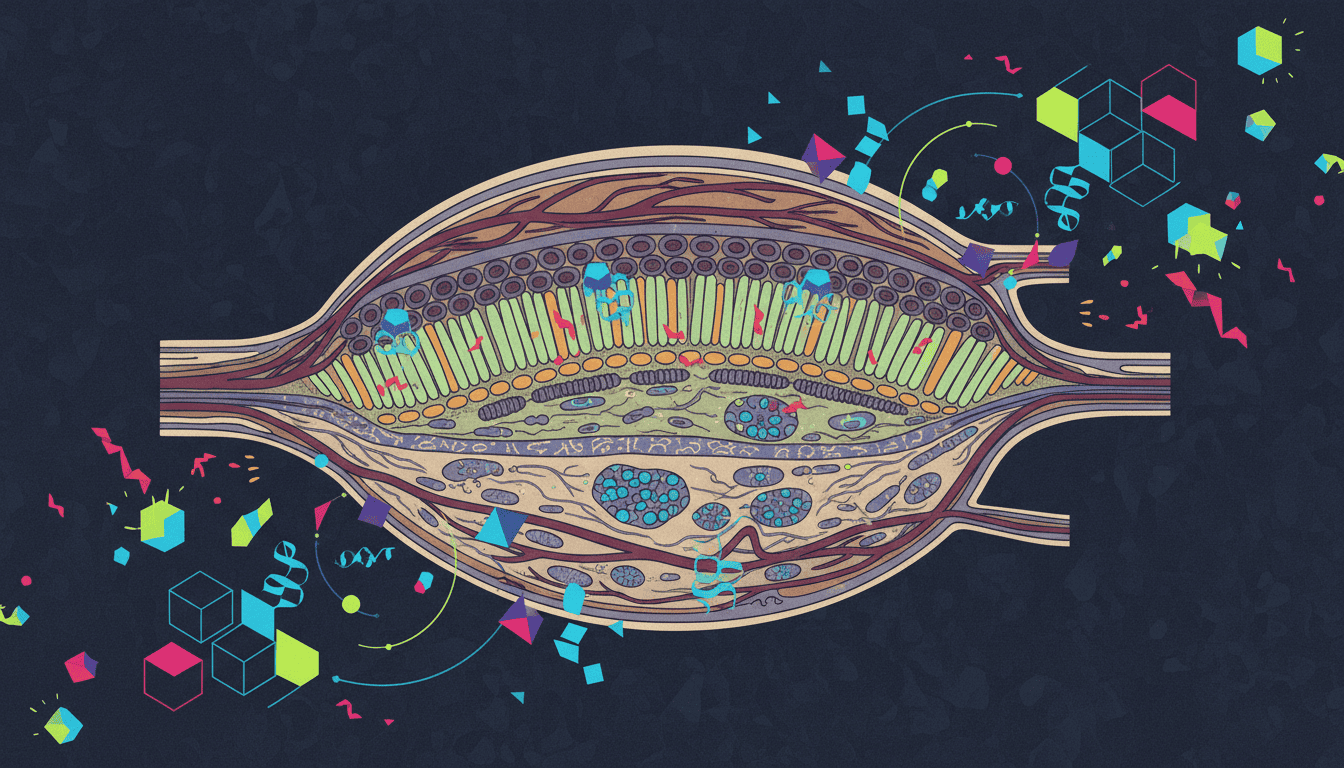
Skin ageing starts with fundamental changes in cellular energy production and redox signalling that occur long before visible signs appear. Understanding these cellular processes reveals how mitochondrial decline and oxidative stress contribute to structural changes in skin tissue.
NAD+ serves as a critical coenzyme in cellular energy production and hundreds of enzymatic reactions throughout the body. Research consistently shows that NAD+ levels decline progressively with age due to increased consumption, decreased synthesis, and enhanced degradation, potentially affecting mitochondrial function and cellular repair processes.