The moment you finish a workout, a complex recovery process begins at the cellular level. Your muscles are not simply tired. They have been through a controlled stress event that generated reactive oxygen species, created microscopic tissue damage and shifted your cellular environment toward oxidative stress. What happens next, during the minutes, hours and days that follow, determines whether that stress becomes lasting damage or lasting adaptation.
The Immediate Post-Exercise Window
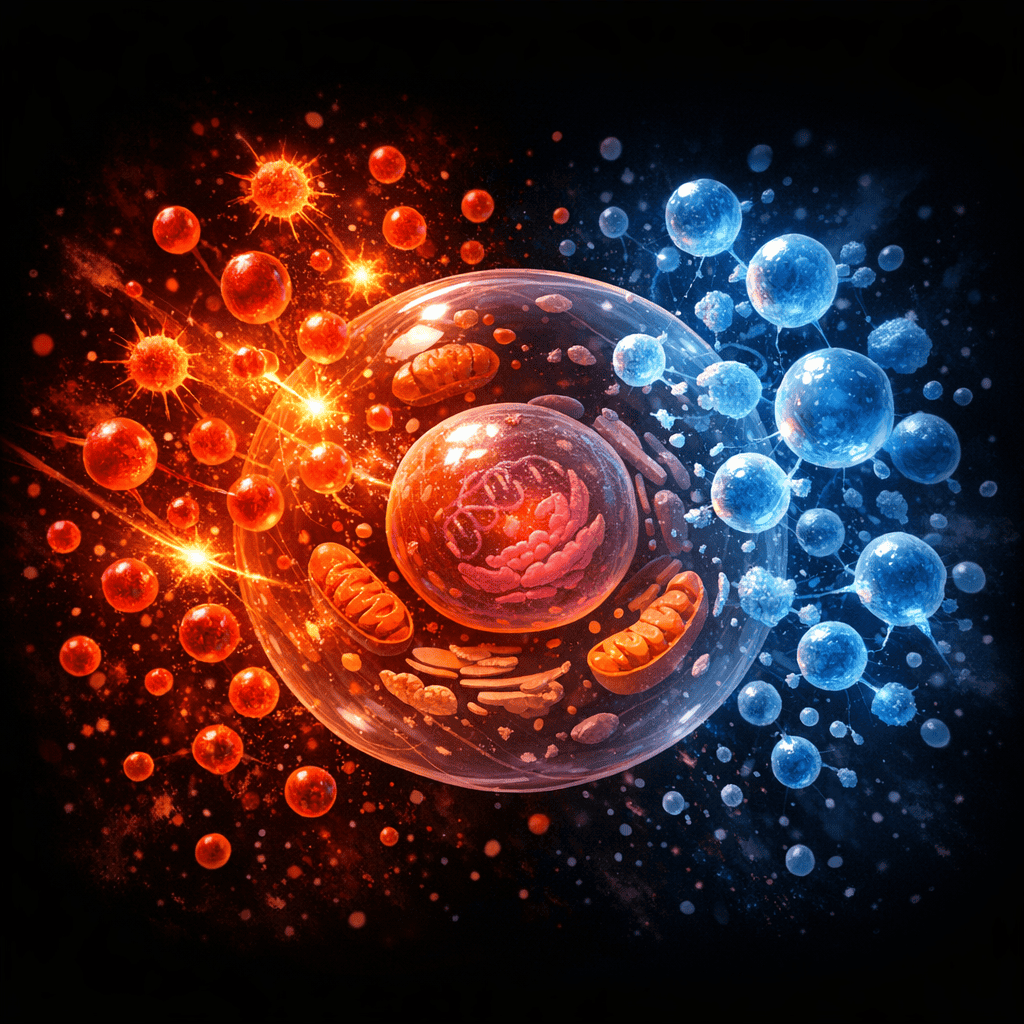
In the first minutes after exercise, reactive oxygen species levels in muscle tissue remain elevated. Rather than being harmful, this sustained elevation serves as a prolonged signal. The reactive molecules activate multiple adaptive pathways simultaneously.
The NRF2 pathway responds to the oxidative cues by releasing NRF2 from KEAP1 and initiating the transcription of protective genes. Antioxidant enzyme production begins ramping up. Glutathione synthesis accelerates. The cell’s internal defence capacity is being upgraded in direct response to the demand that exercise placed on it.
PGC-1 alpha, the master regulator of mitochondrial biogenesis, is activated by the same oxidative signals. This protein drives the production of new mitochondria, increasing the cell’s energy generating capacity for future demands. The process takes days to complete, but it begins in the immediate post-exercise period.
The Inflammatory Phase
Exercise, particularly resistance training and high intensity activity, creates microscopic damage to muscle fibres. This triggers an acute inflammatory response that is both normal and necessary for recovery.
Neutrophils arrive at the damaged tissue first, using their respiratory burst to clear cellular debris. Macrophages follow, transitioning from a pro-inflammatory (M1) phenotype that continues the cleanup to an anti-inflammatory (M2) phenotype that promotes tissue repair and regeneration.
This transition from M1 to M2 macrophages is partly regulated by redox signalling. The reactive species produced during the inflammatory phase help coordinate the switch. Disrupting this signalling, whether through high dose antioxidant supplementation or through chronic stress that dysregulates the immune response, can impair the transition and delay recovery.
Satellite Cell Activation
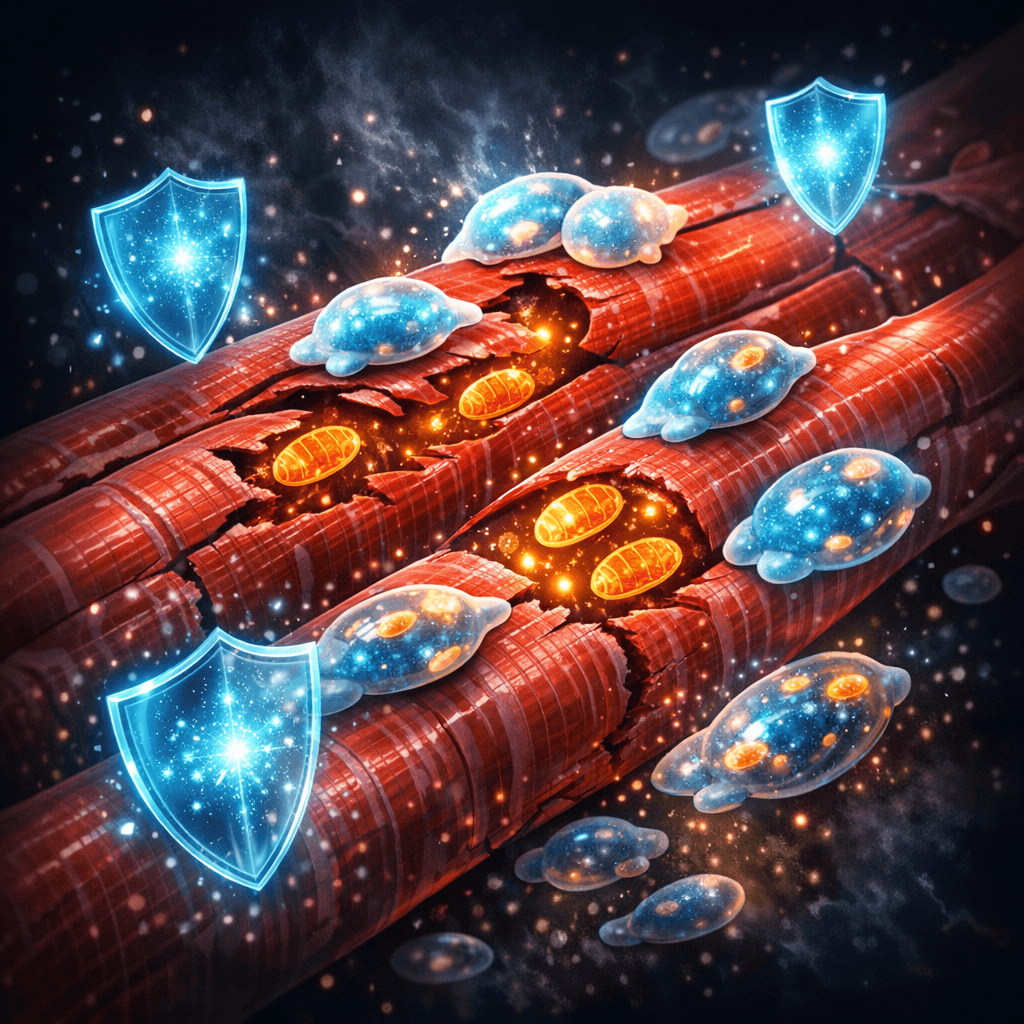
Muscle fibres are post-mitotic cells, meaning they do not divide. Muscle repair and growth depend on satellite cells, a population of stem cells that sit between the muscle fibre and its surrounding sheath. When muscle damage occurs, satellite cells are activated, proliferate and fuse with the damaged fibre, donating their nuclei and enabling the synthesis of new contractile proteins.
Research has shown that satellite cell activation is influenced by the redox environment. The reactive oxygen species produced during and after exercise play a role in signalling satellite cells to exit their quiescent state and begin the repair process. This is another example of hormetic signalling: the stress of exercise activates the repair mechanisms that ultimately make the tissue stronger.
The Antioxidant Rebound
In the hours and days following exercise, the NRF2 mediated increase in antioxidant enzyme production creates what researchers call an antioxidant rebound. Your cells produce more glutathione, more superoxide dismutase and more catalase than they had before the workout.
This rebound is one of the primary mechanisms behind the protective effects of regular exercise. Each training session triggers a surge in internal antioxidant production that elevates your baseline defence capacity. Over weeks and months of consistent training, this cumulative effect produces measurably higher resting antioxidant enzyme levels in trained individuals compared to sedentary controls.
The glutathione recycling system becomes more efficient with regular training. The ratio of reduced to oxidised glutathione (GSH/GSSG) is typically higher in trained individuals, indicating better redox balance at rest.
Why Recovery Time Matters
The adaptive processes described above require time. Sleep is the primary recovery window where growth hormone release peaks, NRF2 mediated gene expression completes its circadian cycle, mitochondrial biogenesis progresses and satellite cell proliferation occurs.
Training again before these processes are complete does not double the adaptation. It interrupts it. This is why progressive training programmes include rest days and periodisation. The stress is the signal. The recovery is the adaptation. Without adequate recovery, the signal is repeated before the previous adaptation is complete, and the compounding effect is lost.
The Integrated Picture
Muscle recovery is not a single process. It is an orchestrated sequence of events that depends on redox signalling, NRF2 activation, DNA repair, inflammatory resolution, satellite cell activation, mitochondrial biogenesis and antioxidant rebound. Each of these processes is influenced by how well you support the conditions for recovery: quality sleep, adequate nutrition including NRF2 activating foods, managed stress and sufficient time between training sessions.
The reactive oxygen species your muscles produced during that workout were not waste products. They were the opening sentence of a recovery programme that, when given the right conditions, leaves your cells stronger, more efficient and more resilient than they were before you started.

Matt Elliott is the editor of Redox News Today, an independent publication covering peer-reviewed research on cellular health, redox signalling, and related biomedical science.