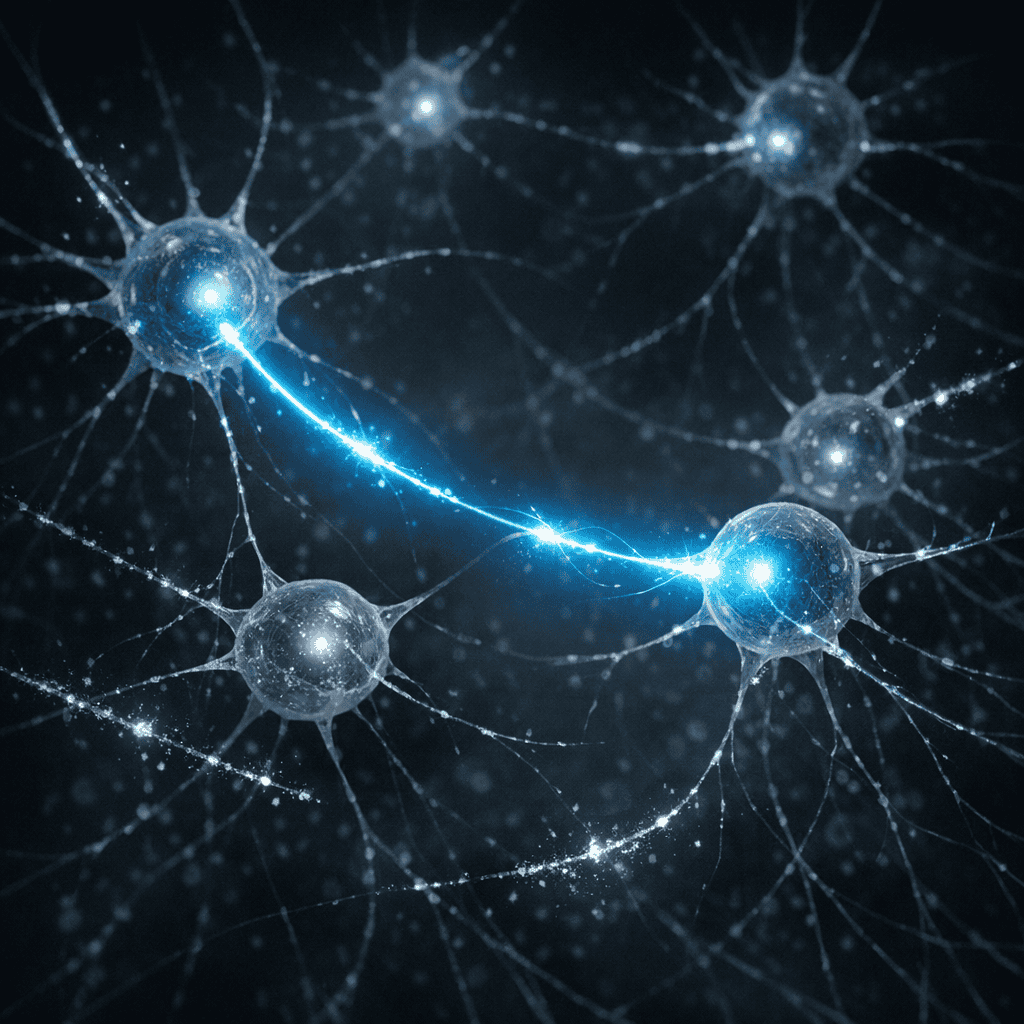
Why Your Body Produces Free Radicals on Purpose

Illustration of immune cells deliberately producing free radicals to fight pathogens

In 1956, Denham Harman proposed that ageing was caused by the accumulating damage of free radicals, the reactive molecular fragments produced as byproducts of cellular metabolism. The hypothesis was clean, testable, and it generated enormous research interest. It also produced a corollary that became one of the most commercially successful ideas in health history: if … Read more

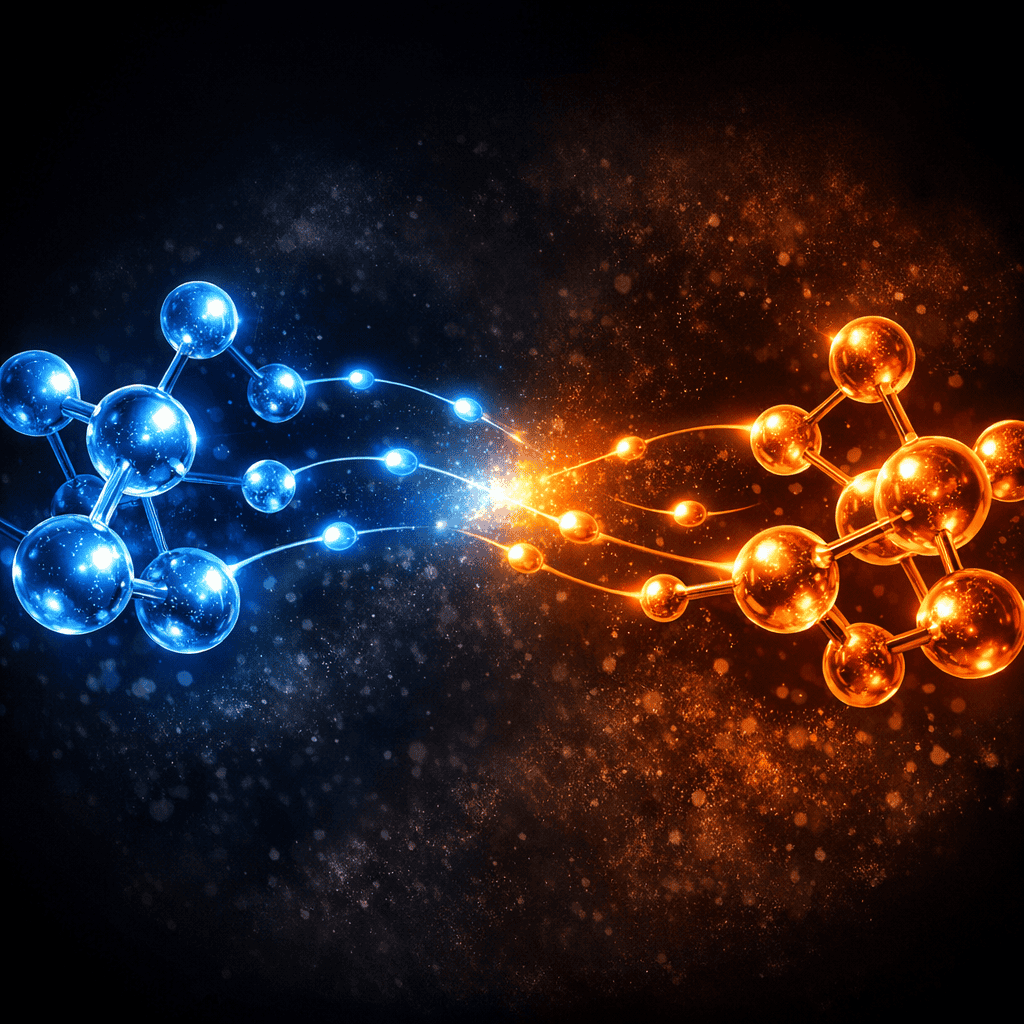
The Difference Between Oxidation and Reduction Explained Simply

Illustration of electron transfer between molecules in oxidation and reduction

Chemistry students encounter redox reactions early and often find them confusing in a specific way. The definitions seem simple — oxidation is the loss of electrons, reduction is the gain — but applying them consistently requires remembering that the two reactions are always paired and always simultaneous. You cannot have one without the other. When … Read more

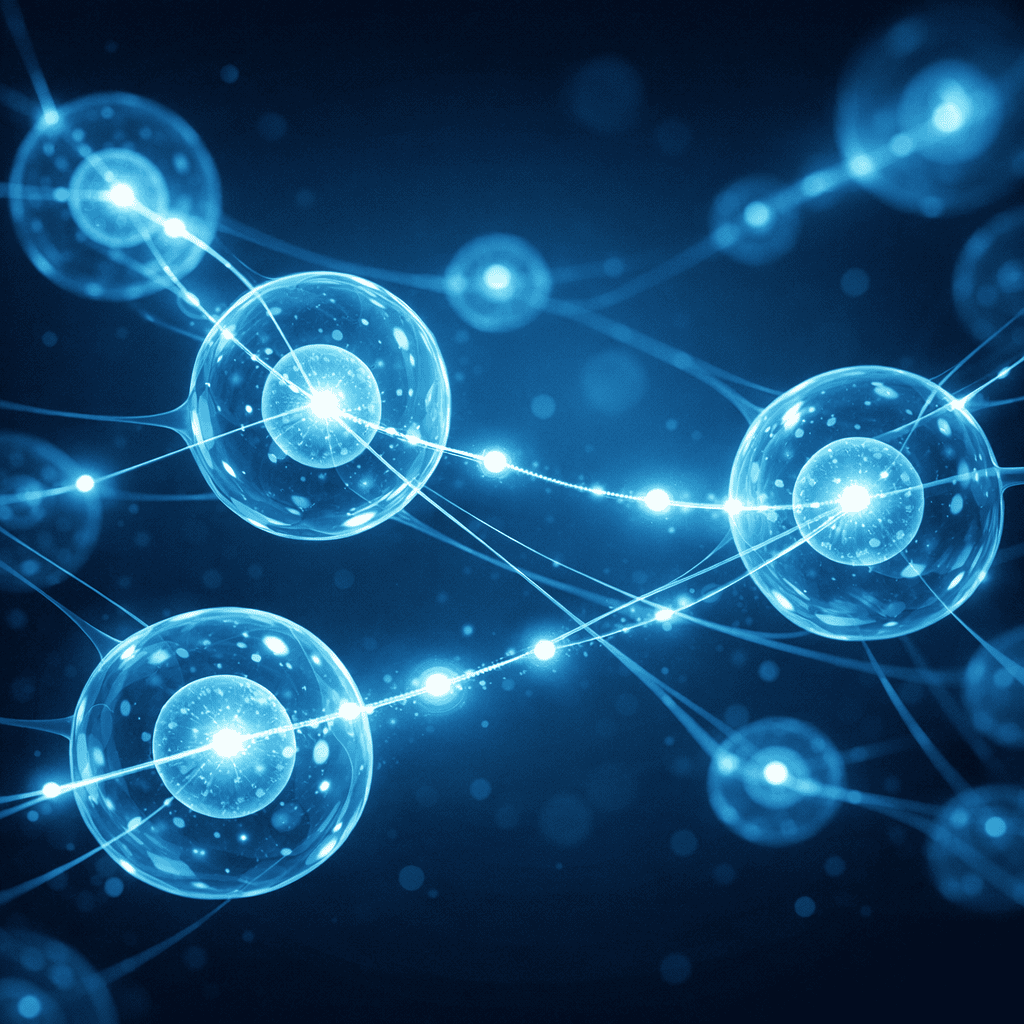
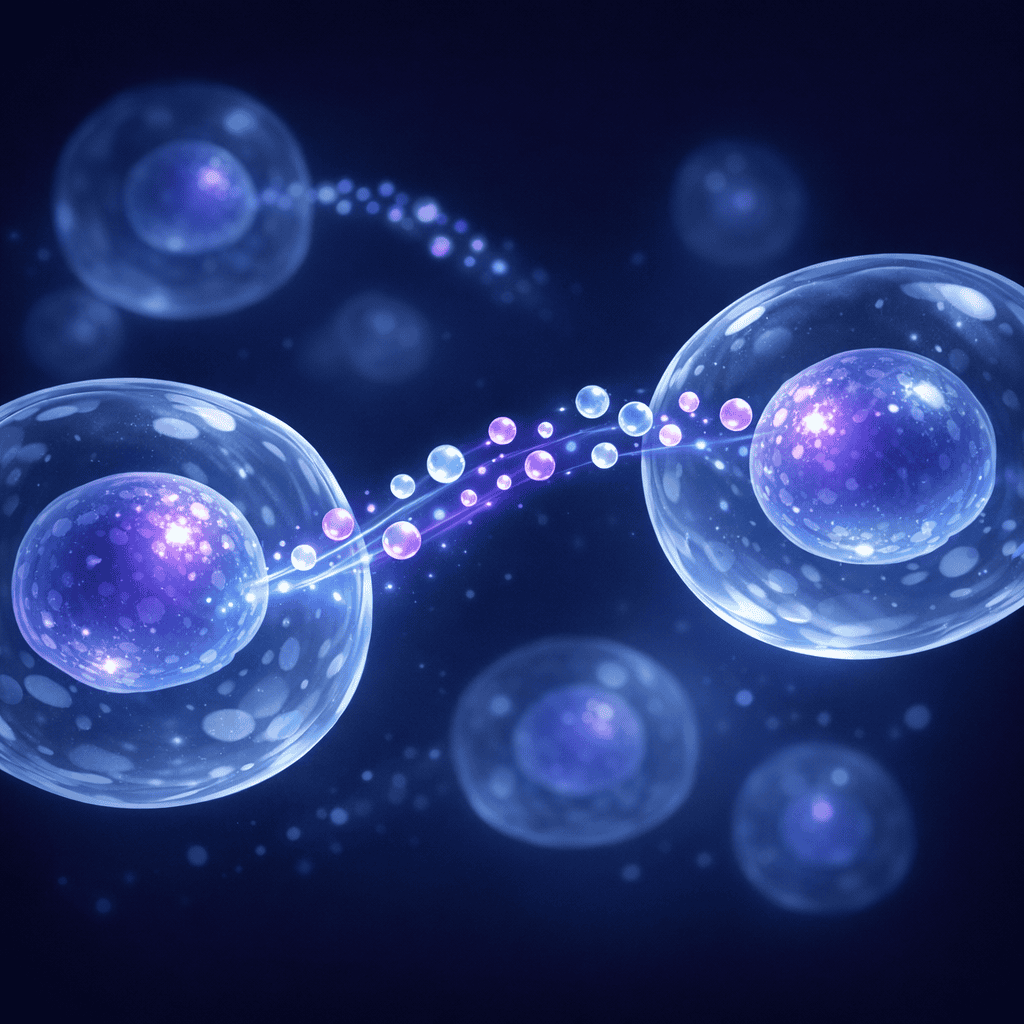
How Your Cells Communicate: The Basics of Cellular Signalling

Illustration of cellular communication and signal transduction

Your body contains approximately 37 trillion cells. None of them act alone. A muscle cell contracting, an immune cell hunting a pathogen, a liver cell clearing a toxin — each of these is a response to a signal received from somewhere else. Cellular signalling is the communication infrastructure that makes coordinated biology possible, and understanding … Read more

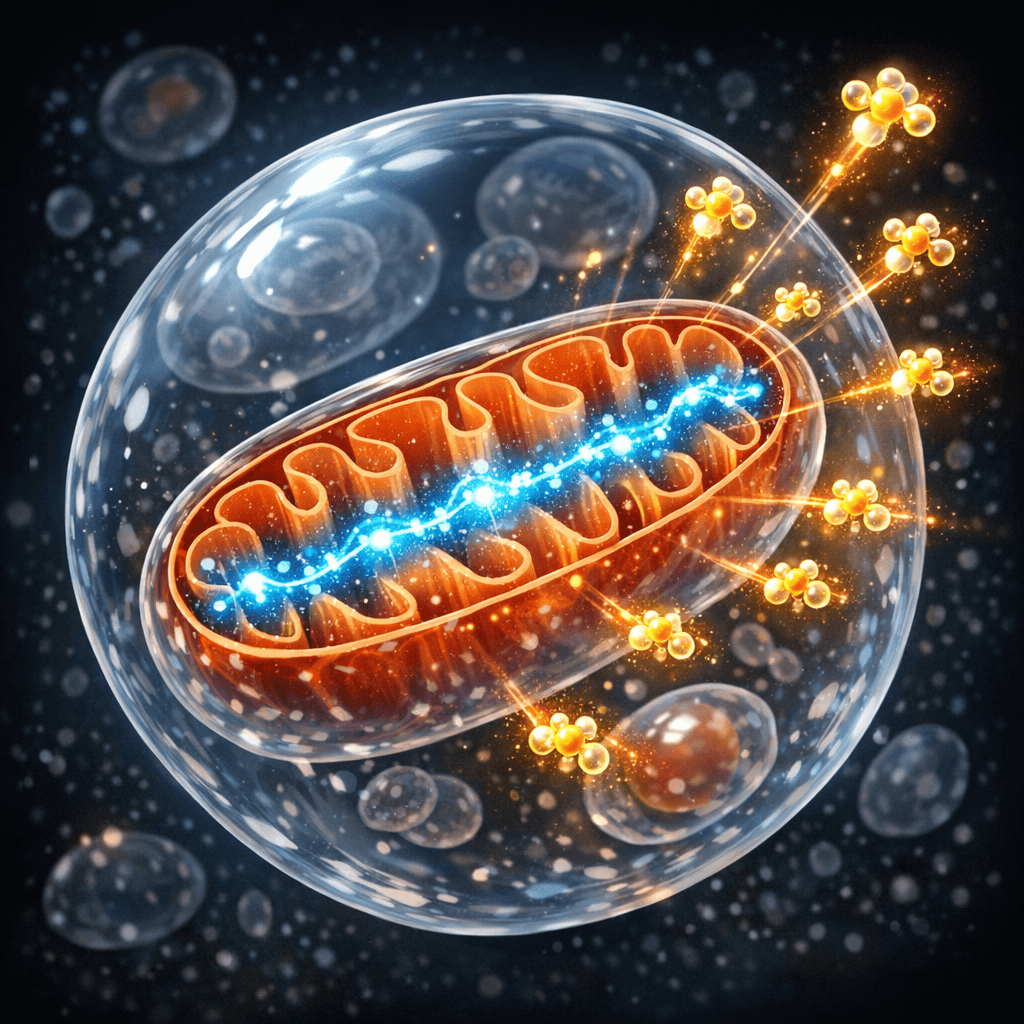
What Are Redox Signalling Molecules and Why Should You Care

Illustration of redox signalling molecules communicating between cells

Your cells are talking to each other right now. Not metaphorically. Chemically. Tiny reactive molecules produced inside your mitochondria are carrying signals across and between cells at this moment, telling some cells to divide, others to repair, others to die on schedule before they cause problems. This signalling system is called redox signalling, and researchers … Read more