How Scientists Are Teaching Old Cells New Tricks
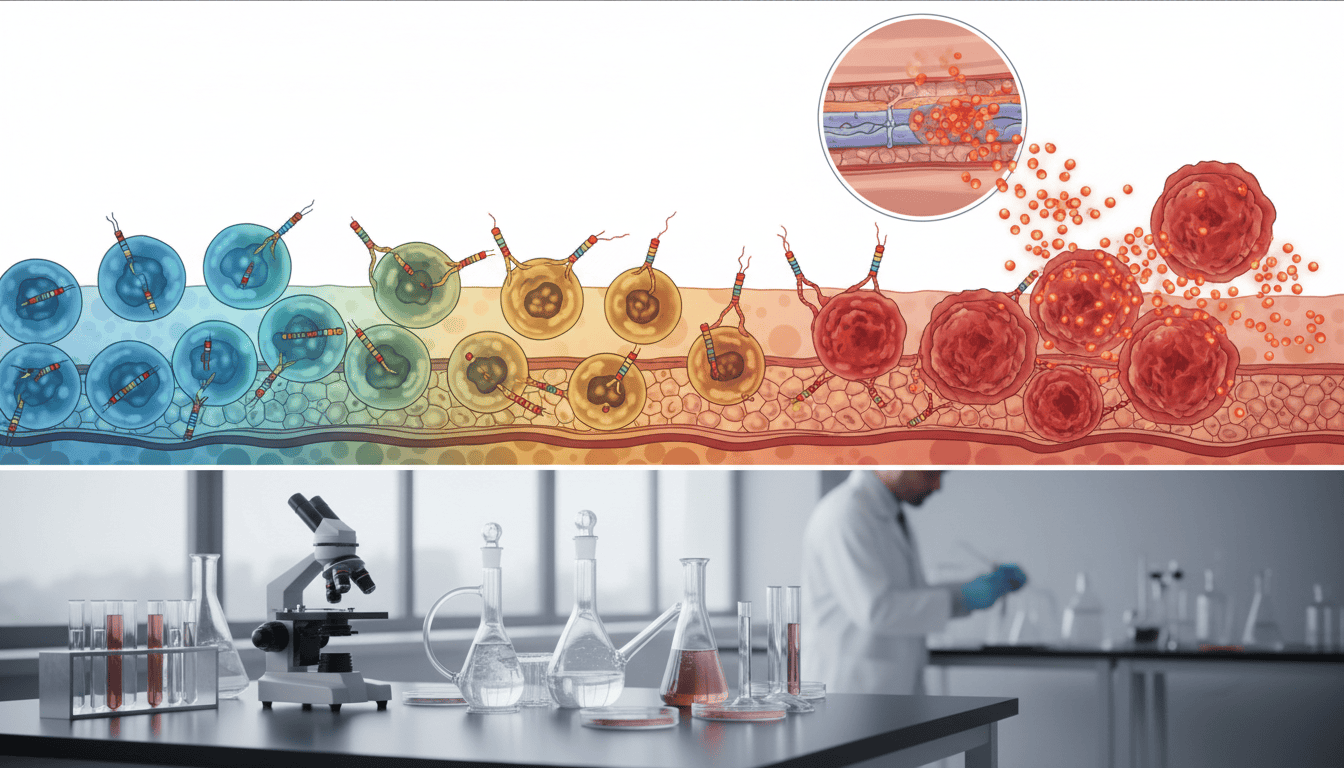
Scientists are using cellular reprogramming to reverse biological age markers in mouse and human cells. The technique resets gene expression patterns, making old cells behave like young ones again.
Yeast cells live just two weeks but age in ways that mirror human cellular ageing, making them powerful tools for understanding how cells deteriorate over time. These simple organisms reveal that ageing operates through conserved mechanisms shaped by billions of years of evolution.
Even mild head impacts that don’t cause obvious symptoms can disrupt mitochondria, the cellular power plants that generate energy for brain cells. Research shows these effects can persist for weeks and accumulate with repeated impacts.
ATF5 is a transcription factor that oversees mitochondrial function in muscle cells, acting like a quality control manager for cellular power plants. Research shows ATF5 levels decline with age, contributing to the mitochondrial dysfunction commonly seen in ageing skeletal muscle.
ATF5 is a transcription factor that monitors mitochondrial health in muscle cells, deciding when cellular powerhouses need repair or replacement. Research reveals how this protein coordinates quality control systems that keep muscles energised during exercise and recovery.
Mitochondria don’t just produce cellular energy. They act as sophisticated immune sensors that detect threats and coordinate defensive responses within seconds of pathogen invasion.
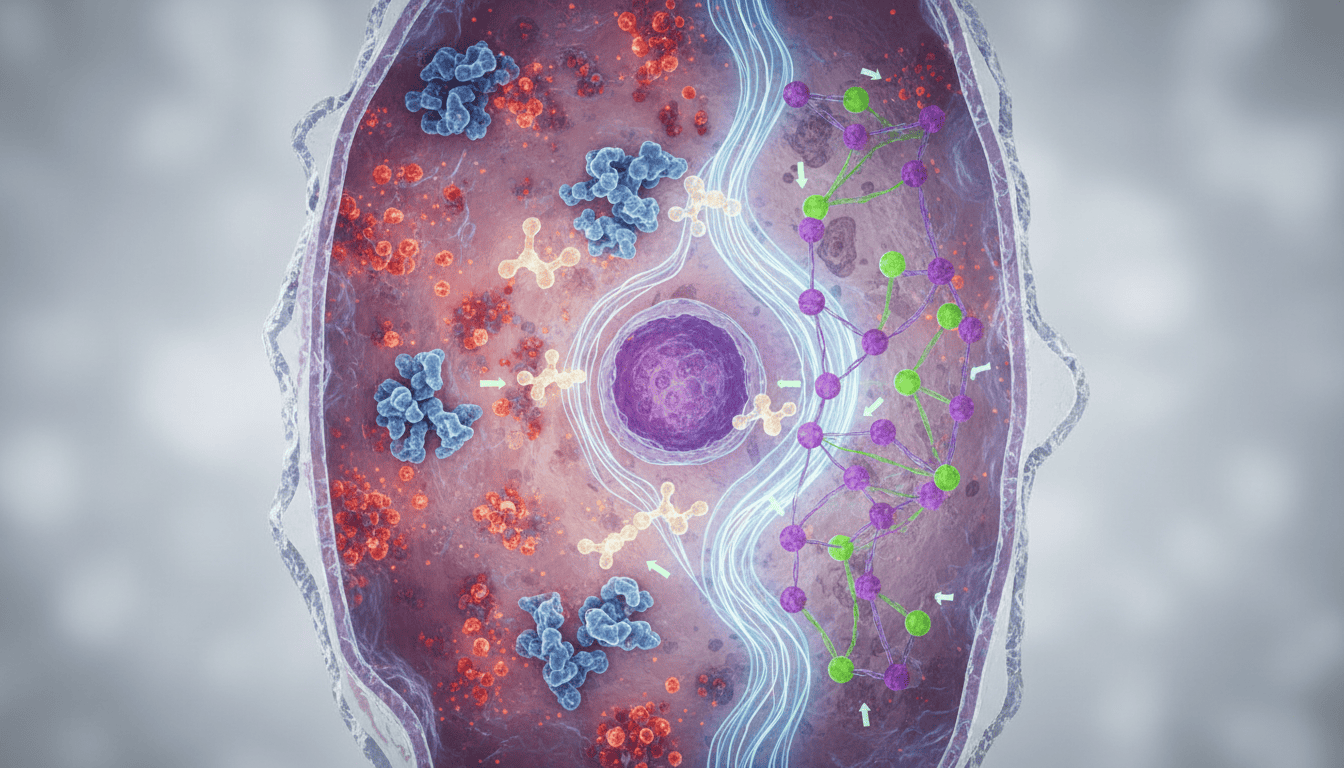
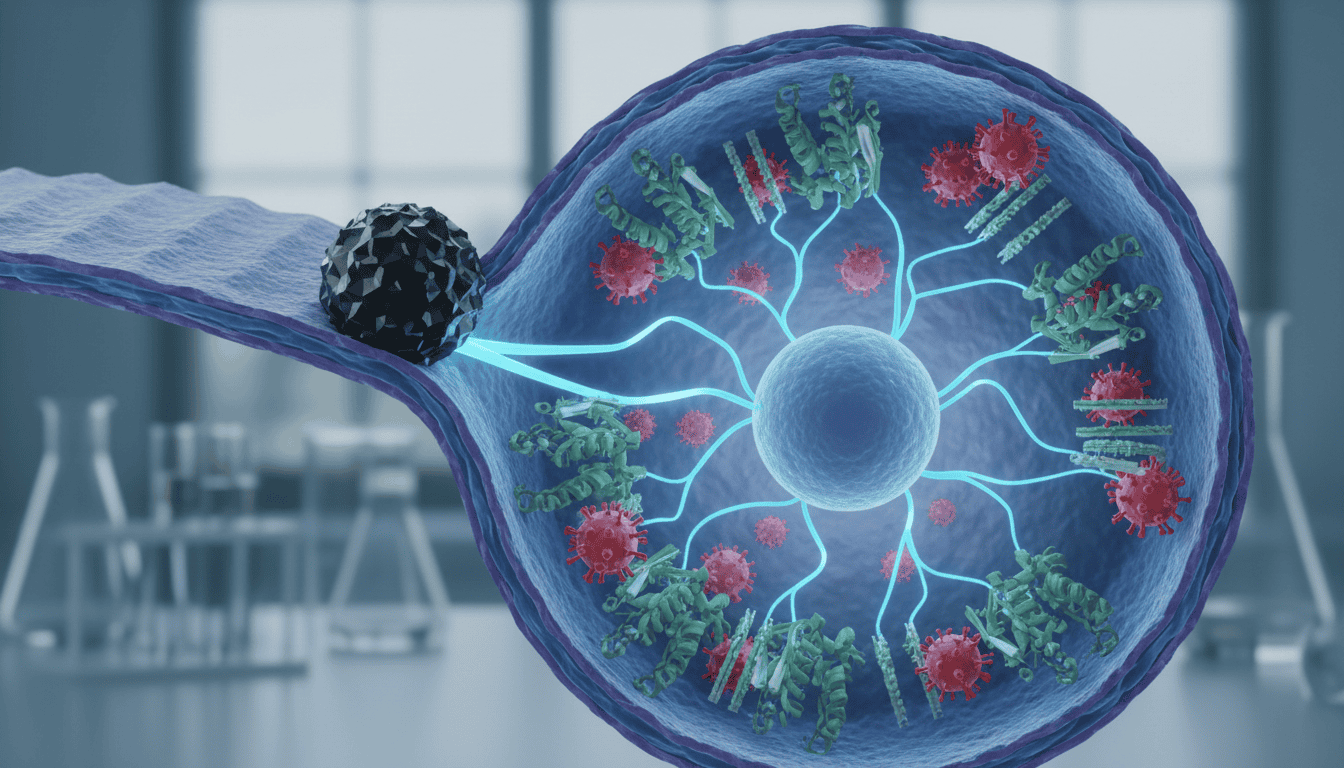
Scientists developed a new technique to track molecular messages travelling between mitochondria and cell nuclei in real time. The research reveals that these cellular powerhouses and their headquarters exchange far more information than previously understood, using distinct communication highways that activate during stress and coordinate energy production.
ATF5 protein acts as a molecular coordinator that helps maintain mitochondrial function in aging muscle tissue by activating protective genes when cellular energy factories show signs of distress. Research reveals this transcription factor becomes more active with age, suggesting it works as a compensatory mechanism to preserve muscle cell energy production over time.
People living in economically stressed neighbourhoods show accelerated cellular ageing, with shorter telomeres and higher inflammation than residents of more stable areas. Research reveals how chronic environmental stress triggers ancient survival mechanisms that damage cells when activated long-term.
Air pollution particles enter the bloodstream and overwhelm kidney cells, triggering excess free radical production that damages mitochondria. Studies show people in polluted areas develop measurable kidney function decline within days of pollution spikes.
Nicotine disrupts the tightly controlled systems that manage iron levels in cells, leading to iron accumulation and oxidative damage. This interference with iron homeostasis creates a cascade of cellular dysfunction that researchers are still working to understand.
Endothelial cells lining blood vessels use mitochondria as both energy producers and stress sensors, constantly balancing ATP production with reactive oxygen species management. These cellular powerhouses exist in distinct subpopulations that respond differently to blood flow changes and oxidative challenges.