
A cricket ball clips a player’s helmet. A footballer headers the ball dozens of times during training. A child tumbles off their bike, hitting their head on the footpath. None of these incidents cause obvious injury, yet inside the brain, cellular power plants called mitochondria are struggling to keep up with energy demands.
What happens to mitochondria during mild head impacts
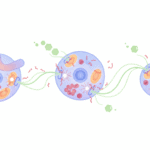
Mitochondria generate nearly all the energy that brain cells need to function. These tiny organelles work like biological batteries, converting oxygen and glucose into ATP, the molecule that powers everything from nerve signalling to cellular repair. Brain tissue consumes about 20% of your body’s total energy despite making up only 2% of your weight.
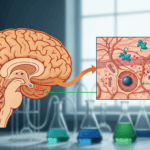
When the head experiences a sudden acceleration or deceleration, even without enough force to cause a concussion, brain tissue moves inside the skull. This movement creates shearing forces that stretch and compress cellular structures. Mitochondria, with their delicate internal membranes, prove particularly vulnerable to these mechanical stresses.
The organelles respond to mild impacts in several ways. Their outer membranes can become more permeable, allowing calcium ions to flood in and disrupt normal energy production. The protein complexes responsible for generating ATP may become damaged or misaligned. Most significantly, mitochondria may release molecules that normally stay safely contained inside them, triggering inflammatory responses in surrounding brain tissue.
What the research shows
Laboratory studies using cell cultures reveal that forces equivalent to mild head impacts cause immediate changes in mitochondrial behaviour. Researchers have observed reduced ATP production within minutes of applying mechanical stress to brain cells. The mitochondria begin consuming oxygen less efficiently, and their normally organised internal structure becomes disorganised.
Animal studies paint a similar picture. Mice subjected to mild head impacts show decreased mitochondrial function in brain regions most susceptible to movement-related injury. These changes persist for days or weeks after the initial impact, long after any obvious signs of injury have disappeared.
Brain imaging studies in humans add another layer of evidence. Athletes participating in contact sports show altered brain metabolism patterns during the season, even when they report no symptoms and pass standard concussion tests. The changes appear most pronounced in areas where mitochondria normally work hardest to meet energy demands.
Perhaps most concerning, researchers have documented cumulative effects. Repeated mild impacts cause progressively more severe mitochondrial dysfunction, suggesting these cellular power plants struggle to fully recover between incidents.
Why cells need healthy mitochondria
Brain cells face enormous energy challenges that make mitochondrial health critical for survival. Neurons must maintain electrical gradients across their membranes, synthesise neurotransmitters, and constantly repair cellular components damaged by normal metabolism. All of these processes require steady ATP supply.
When mitochondria falter, cells enter a state of energy crisis. They may reduce non-essential activities like protein synthesis or growth, focusing their limited energy resources on basic survival functions. This metabolic triage helps cells survive temporary energy shortfalls but compromises their ability to function optimally.
Healthy mitochondria also help cells manage oxidative stress, the cellular equivalent of rust that accumulates during normal metabolism. When these organelles become damaged, they may actually contribute to oxidative damage rather than preventing it, creating a downward spiral of cellular dysfunction.
The brain’s limited capacity for regeneration makes mitochondrial health especially important. Unlike other organs that can replace damaged cells relatively easily, the brain must make existing neurons last a lifetime. Protecting their cellular power plants becomes essential for long-term brain health.
What affects mitochondrial vulnerability
Age plays a significant role in how mitochondria respond to mild head impacts. Younger brains appear more resilient, with mitochondria recovering more quickly from mechanical stress. This may explain why children and adolescents often bounce back faster from minor head knocks, though their developing brains face unique vulnerabilities.
Previous head injuries increase susceptibility to mitochondrial dysfunction. Each impact may leave these cellular structures slightly more fragile, making them more likely to suffer damage from subsequent mild impacts. This creates a concerning pattern where risk accumulates over time.
Physical fitness influences mitochondrial resilience. Regular exercise stimulates the production of new mitochondria and improves their efficiency, potentially providing some protection against impact-related damage. However, this protective effect has limits, and even well-conditioned athletes show mitochondrial changes after repeated head impacts.
Sleep quality affects how well mitochondria recover from daily stresses, including mild impacts. Poor sleep impairs the cellular cleanup processes that remove damaged mitochondria and replace them with healthy ones. Genetic factors also influence individual susceptibility, with some people inheriting variants that affect mitochondrial function or repair mechanisms.
What remains unknown
Scientists still struggle to predict which individuals will experience lasting effects from mild head impacts and which will recover completely. The relationship between mitochondrial damage and long-term brain health remains unclear, partly because studying these connections requires following people for decades.
Researchers don’t fully understand why some brain regions seem more vulnerable to impact-related mitochondrial dysfunction than others. The mechanics of how physical forces translate into cellular damage need more investigation, particularly the role of brain tissue properties and skull anatomy in determining injury patterns.
The timeline of mitochondrial recovery presents another puzzle. While some studies suggest these organelles can repair themselves within days or weeks, others point to persistent changes lasting months. Whether repeated mild impacts prevent full recovery or simply reveal pre-existing vulnerabilities remains an open question.
Current methods for detecting mitochondrial dysfunction in living brains remain limited. Most research relies on indirect measures or post-mortem tissue analysis, making it difficult to study these processes in real time or develop early intervention strategies.
This research reveals how the brain’s energy systems respond to forces we once considered harmless. Understanding mitochondrial vulnerability helps explain why seemingly minor impacts can have disproportionate effects on brain function, highlighting the remarkable delicacy of the cellular machinery that powers our most complex organ.

Matt Elliott is the editor of Redox News Today, an independent publication covering peer-reviewed research on cellular health, redox signalling, and related biomedical science.