Why Whole Foods Outperform Isolated Supplements for Cellular Health

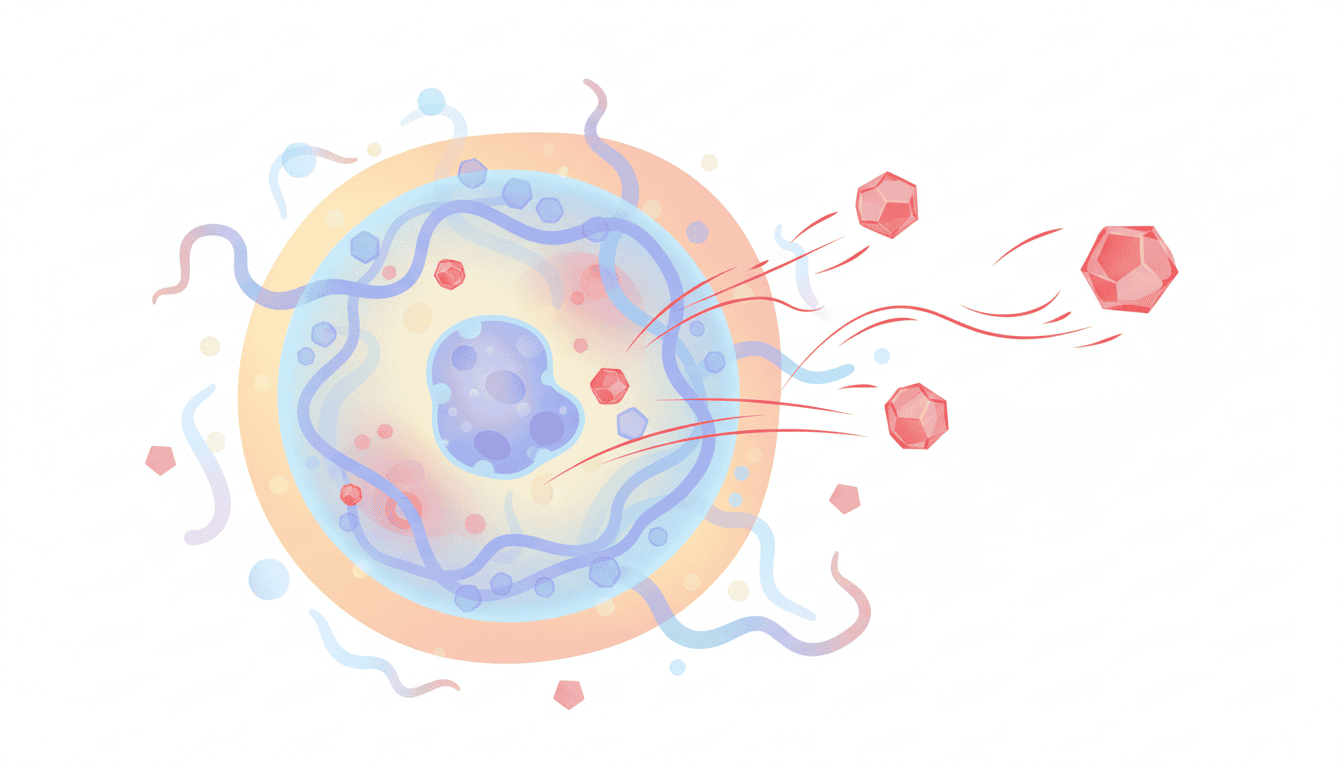
Illustration of whole foods providing complex nutrition versus isolated supplement capsules

The question of why whole foods consistently outperform isolated supplements in clinical research is one of the most important in nutritional science. The answer lies in a concept called food synergy, the idea that the bioactive compounds in whole foods work together in ways that isolated extracts cannot replicate. The Supplement Paradox As explored in … Read more

Redox Signalling and Muscle Recovery: What Happens After a Workout

Illustration of muscle fibre recovery and adaptation after exercise

The moment you finish a workout, a complex recovery process begins at the cellular level. Your muscles are not simply tired. They have been through a controlled stress event that generated reactive oxygen species, created microscopic tissue damage and shifted your cellular environment toward oxidative stress. What happens next, during the minutes, hours and days … Read more

Why Taking Antioxidant Supplements Might Not Be Enough

Illustration comparing supplement capsules to internal cellular defence systems

The antioxidant supplement industry generates billions of dollars in annual revenue worldwide. The premise is straightforward: your body faces oxidative damage, antioxidants neutralise that damage, therefore taking more antioxidants should improve your health. But the cellular science tells a more complicated story, and the clinical evidence has repeatedly failed to support the simple supplementation model. … Read more

Sulforaphane and NRF2: What the Broccoli Research Actually Shows

Illustration of sulforaphane molecules from broccoli activating the NRF2 pathway

Sulforaphane has become one of the most studied compounds in nutritional science. Found primarily in broccoli and broccoli sprouts, this isothiocyanate has been the subject of thousands of research papers investigating its ability to activate the NRF2 pathway. But separating what the research actually shows from what the supplement industry claims requires a careful look … Read more

How Nature Exposure Reduces Oxidative Stress

Illustration of nature and forest environment reducing cellular oxidative stress

The idea that spending time in nature is good for your health is as old as medicine itself. But the molecular mechanisms behind this intuition are only now being mapped with precision. Research over the past two decades has documented specific, measurable reductions in oxidative stress biomarkers following nature exposure, pointing to cellular pathways that … Read more

The Glutathione Recycling System

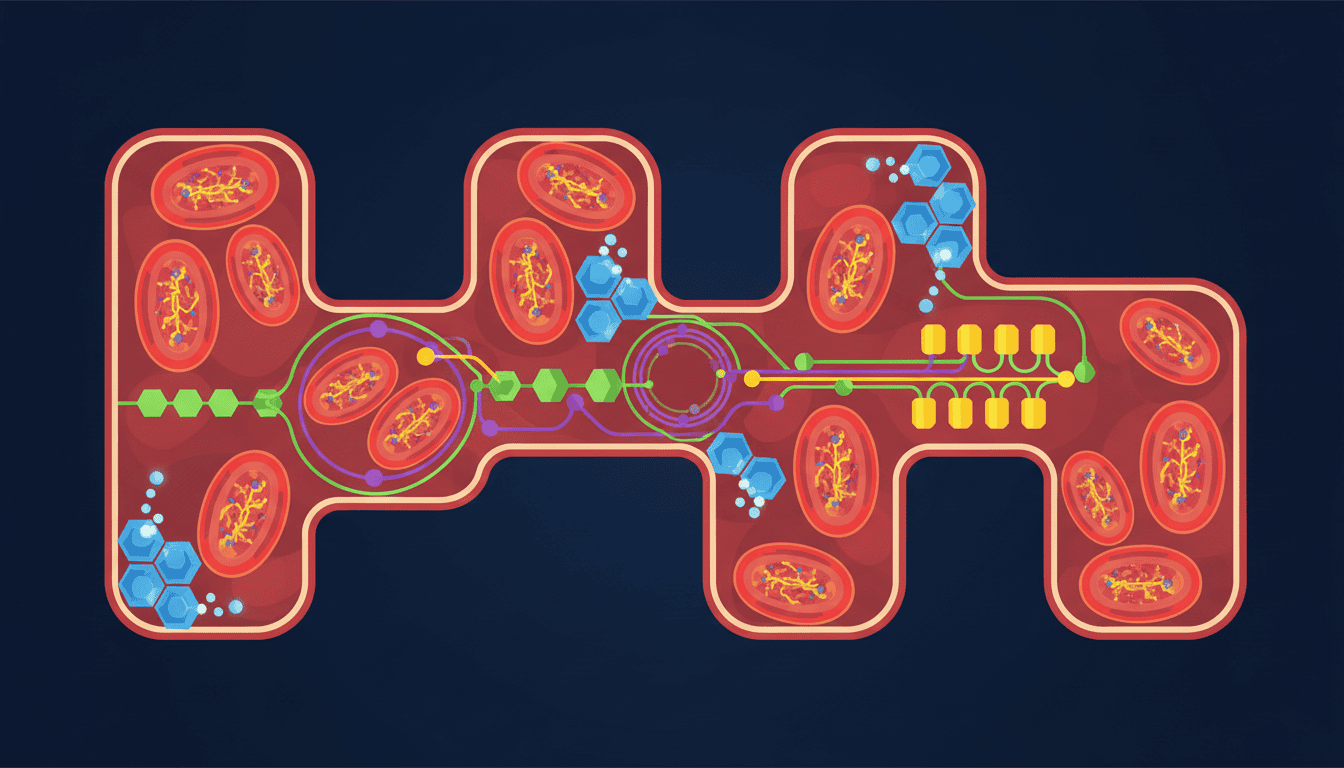
Illustration of the glutathione recycling system converting GSSG back to GSH

Your body does not just produce glutathione. It recycles it. This recycling system is one of the most elegant features of cellular biochemistry, allowing each glutathione molecule to neutralise multiple reactive species before being broken down. Understanding how this system works explains why glutathione is so effective and why maintaining it matters so much. How … Read more

Redox Signalling vs Antioxidants: What Is the Difference

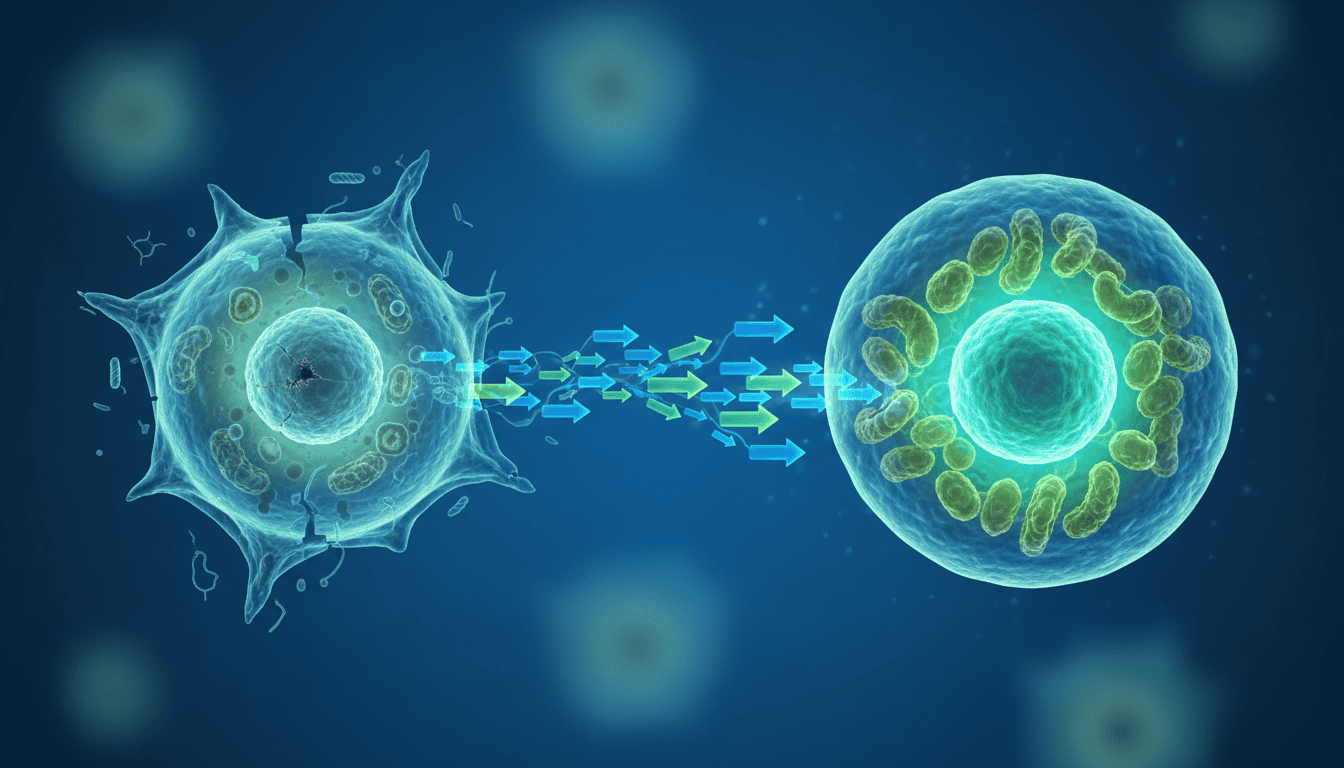
Illustration comparing redox signalling and antioxidant defence systems

The terms “redox signalling” and “antioxidants” are often used in the same conversation, but they describe fundamentally different things. Understanding the distinction between them is essential for making sense of modern cellular health science, and for understanding why the old antioxidant narrative has been replaced by something more sophisticated. What Antioxidants Do Antioxidants are molecules … Read more

How Poor Sleep Contributes to Oxidative Stress

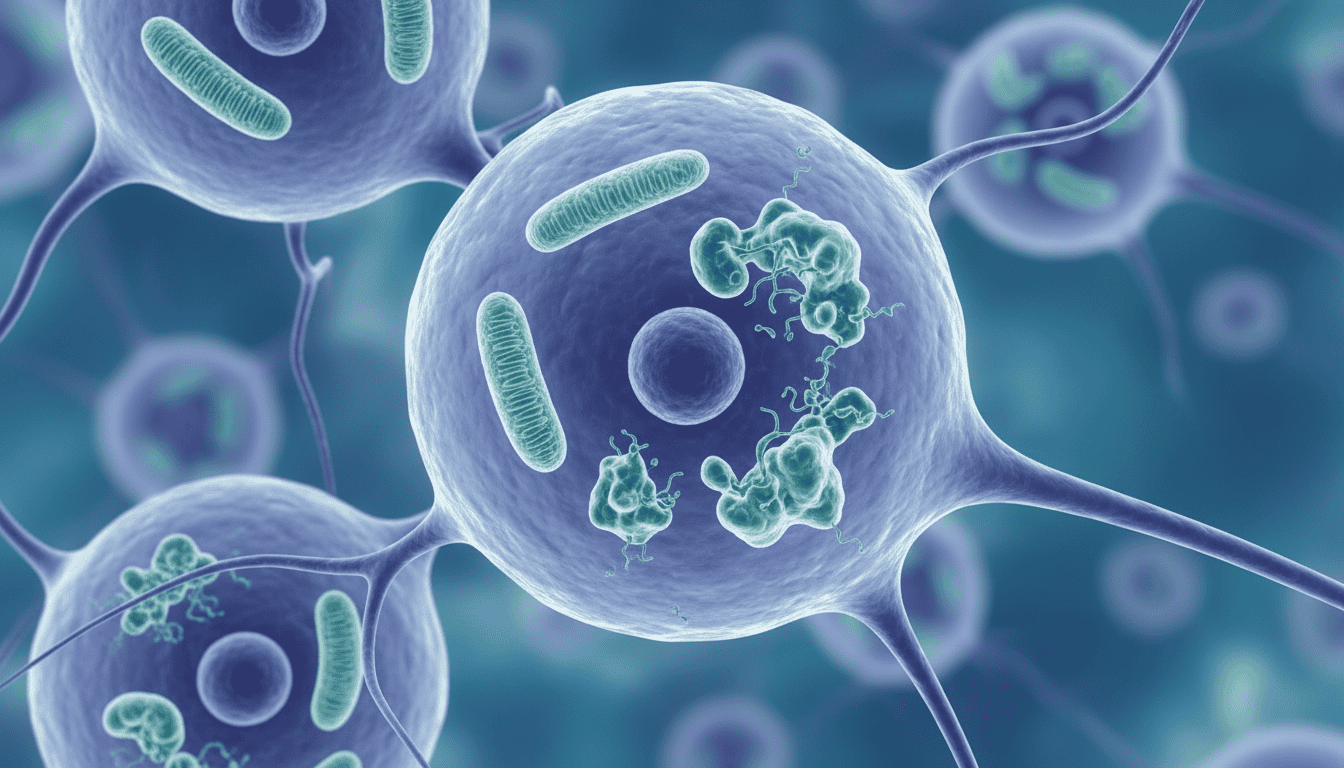
Illustration of sleep deprivation causing oxidative stress in cells

Sleep deprivation does not just leave you tired. It creates measurable biochemical changes that shift your cellular environment toward oxidative stress, the state where reactive oxygen species overwhelm your antioxidant defences. The research connecting poor sleep to oxidative damage has grown substantially in recent years, and the mechanisms are now well understood. What Happens to … Read more

The Myth That All Free Radicals Are Bad

Illustration showing free radicals serving beneficial roles in the body

Ask most people what free radicals do and you will get a consistent answer: they damage your cells and cause disease. This belief is so deeply embedded in popular health culture that it has become almost axiomatic. But it is wrong, or at the very least, it is dangerously incomplete. Free radicals are not just … Read more