The terms “redox signalling” and “antioxidants” are often used in the same conversation, but they describe fundamentally different things. Understanding the distinction between them is essential for making sense of modern cellular health science, and for understanding why the old antioxidant narrative has been replaced by something more sophisticated.
What Antioxidants Do
Antioxidants are molecules that neutralise reactive oxygen species by donating electrons. When a reactive molecule encounters an antioxidant, the antioxidant gives up one of its own electrons, stabilising the reactive molecule and preventing it from damaging nearby cellular structures.
This is a direct, one to one chemical reaction. One antioxidant molecule neutralises one reactive species. Once the antioxidant has donated its electron, it is oxidised and must be either regenerated (as glutathione is recycled by glutathione reductase) or replaced.
Antioxidants can be externally sourced (vitamin C, vitamin E, polyphenols from food) or internally produced (glutathione, superoxide dismutase, catalase). The internally produced antioxidants are far more important because they are regulated by your cells and produced where they are needed most.
What Redox Signalling Does
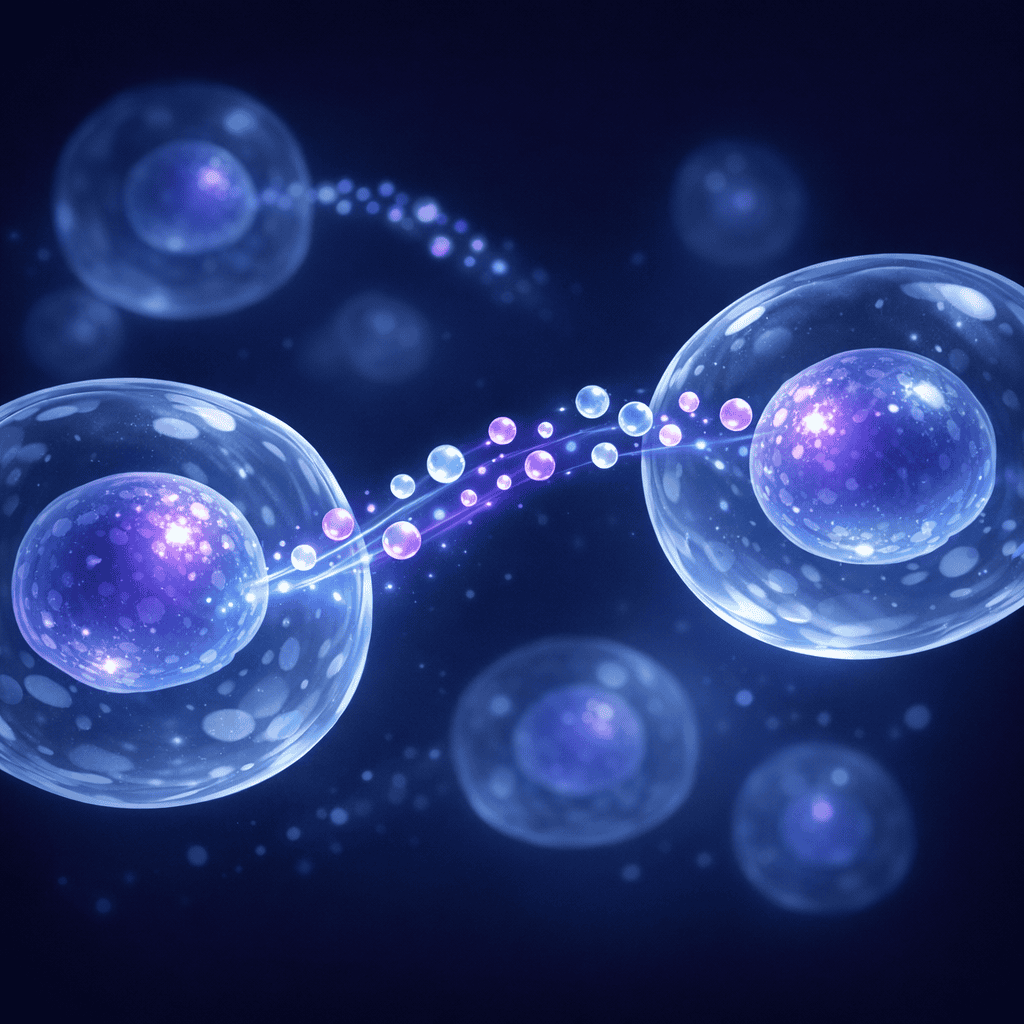
Redox signalling is a communication system. Reactive oxygen species produced deliberately by your cells serve as messengers that carry information about the cell’s metabolic state, stress levels and environment. These signals regulate which genes are activated, when repair processes are initiated, how the immune system responds and when damaged cells should be eliminated.
The NRF2 pathway is activated by redox signals. Immune cells use reactive species to destroy pathogens. Exercise triggers beneficial adaptations through redox signalling. Cellular communication depends on precise, regulated production and detection of reactive molecules.
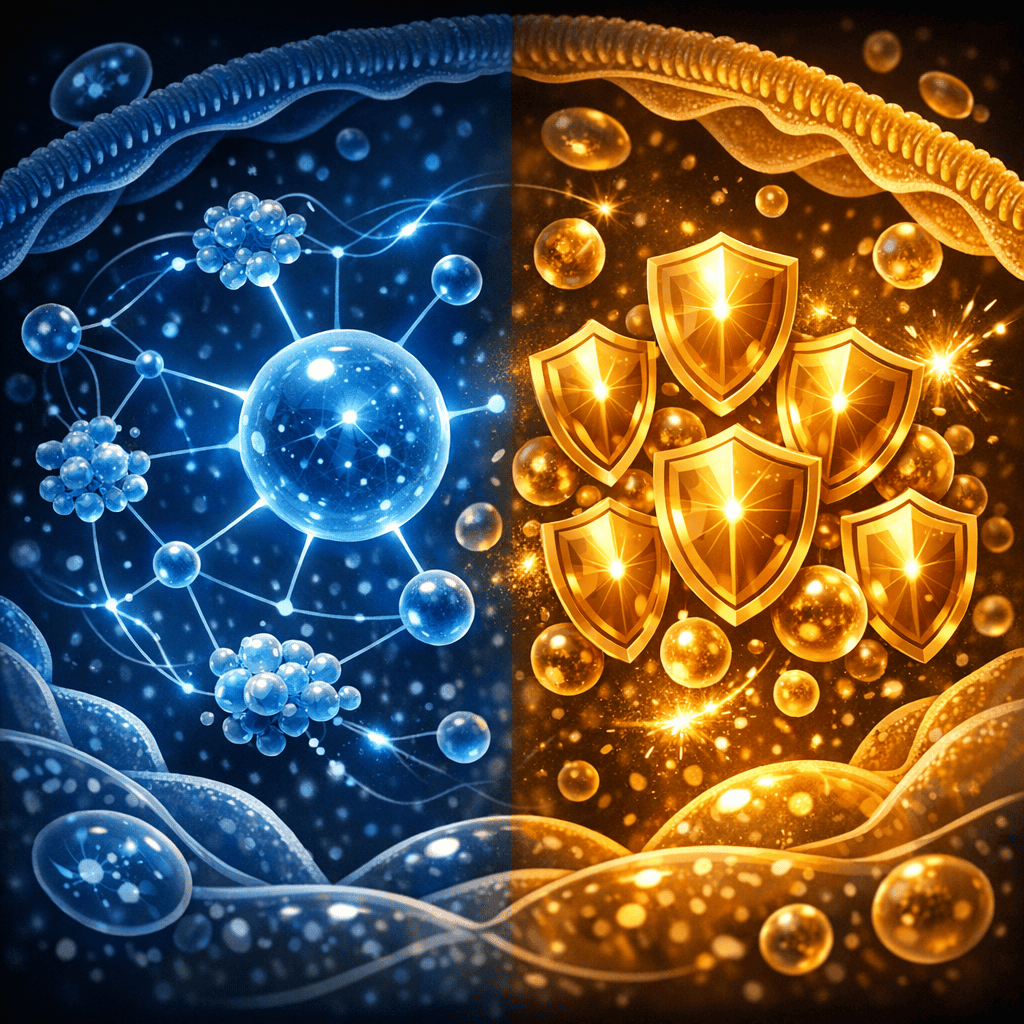
Where antioxidants are defensive tools, redox signalling is the intelligence network. It determines what needs defending, when, and how strongly.
Why the Distinction Matters
The old model of cellular health was essentially an arms race: produce more antioxidants to fight more free radicals. This led to the high dose supplement approach that clinical trials have repeatedly shown to be ineffective and potentially harmful.
The reason those supplements failed becomes clear when you understand redox signalling. Flooding the body with external antioxidants does not just neutralise harmful reactive species. It also suppresses the beneficial signals. When you blunt the redox signal that activates NRF2, you reduce your body’s production of its own antioxidants. When you suppress the signals that drive hormetic adaptation, you weaken the very systems you were trying to protect.
This is like turning off the fire alarm because you do not want to hear it, then being surprised when fires go undetected.
Balance, Not Elimination
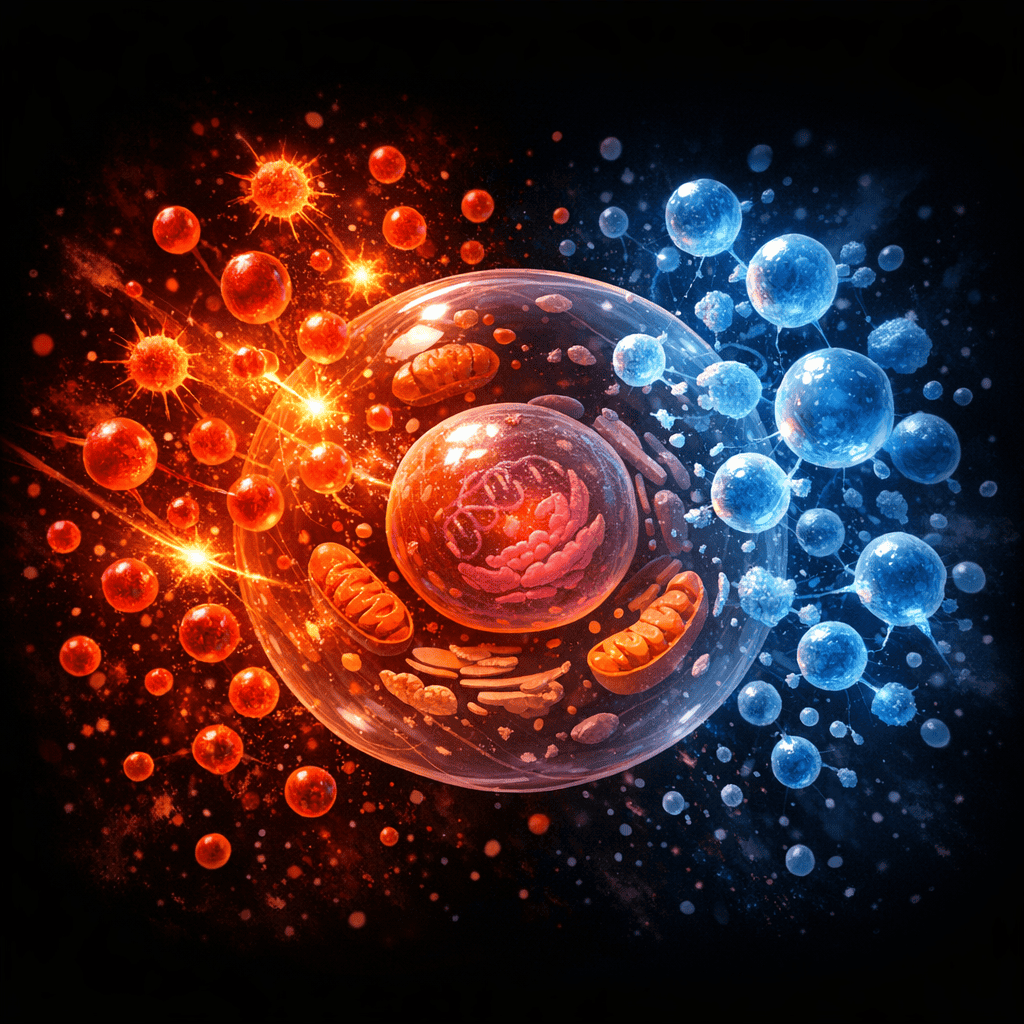
The modern understanding recognises that health depends on redox balance, not on maximising antioxidants or minimising reactive species. Your cells need reactive molecules for signalling. They also need antioxidant defences to prevent those molecules from causing uncontrolled damage. The two systems work together.
When this balance is maintained, your cells communicate effectively, respond to threats appropriately and repair damage efficiently. When the balance shifts too far in either direction, problems emerge. Too much oxidative stress overwhelms defences. Too much antioxidant suppression silences necessary signals.
What This Means in Practice
The practical implications follow directly from the science. Supporting redox balance means maintaining the conditions under which both systems function properly.
Regular exercise produces the controlled oxidative stimulus that activates NRF2 and strengthens internal antioxidant production. Cruciferous vegetables and other NRF2 activating foods trigger hormetic responses that upregulate your own defences. Quality sleep allows the repair and restoration processes to complete their cycle. Managed stress prevents chronic cortisol elevation from overwhelming the system.
None of these strategies work by simply adding more antioxidants. They work by supporting the entire redox system, signalling and defence together, in the way it evolved to function.
The Bigger Picture
Redox signalling and antioxidant defence are not opposing forces. They are complementary components of a single, integrated system that maintains cellular health. The shift from the old antioxidant narrative to the redox signalling model is not just a scientific update. It is a fundamentally different way of understanding how your cells stay healthy, and it points toward fundamentally different strategies for supporting them.

Matt Elliott is the editor of Redox News Today, an independent publication covering peer-reviewed research on cellular health, redox signalling, and related biomedical science.