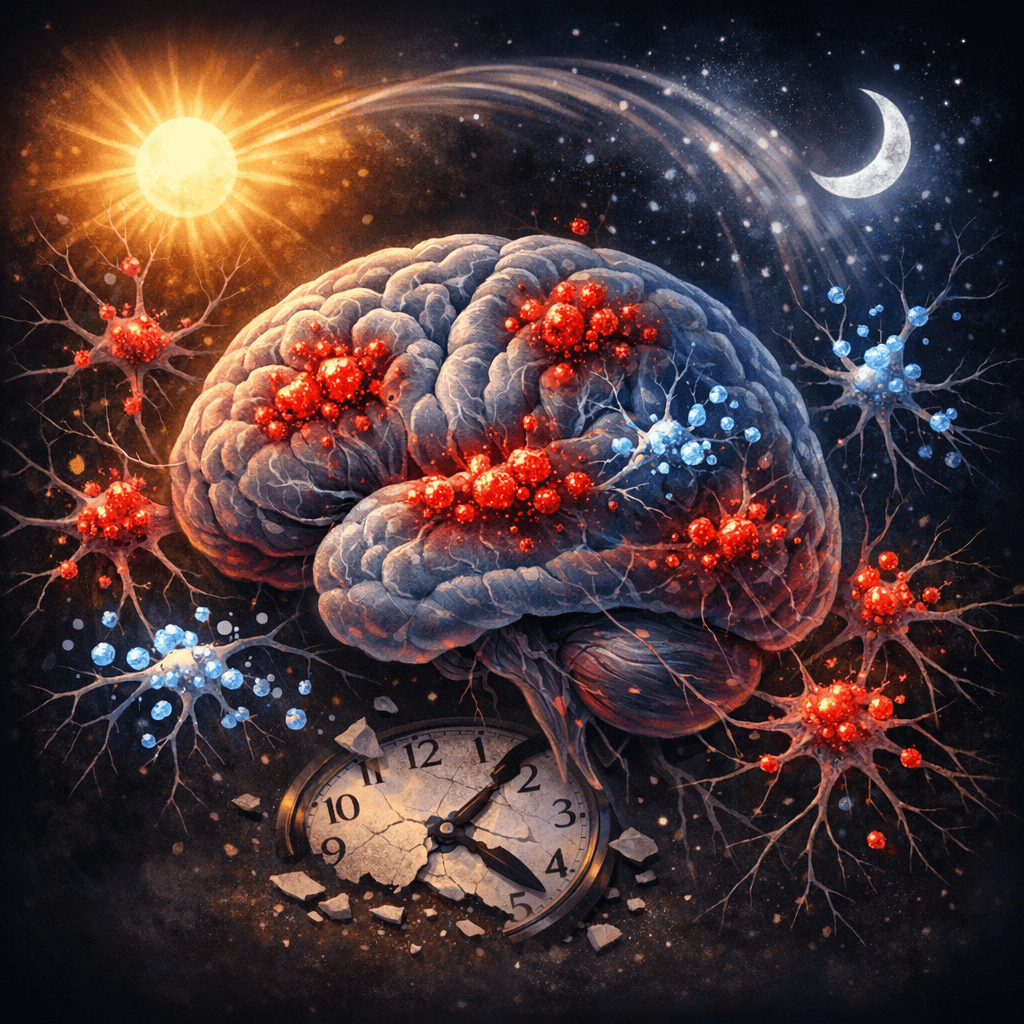
Sleep deprivation does not just leave you tired. It creates measurable biochemical changes that shift your cellular environment toward oxidative stress, the state where reactive oxygen species overwhelm your antioxidant defences. The research connecting poor sleep to oxidative damage has grown substantially in recent years, and the mechanisms are now well understood.
What Happens to Your Cells When You Do Not Sleep Enough
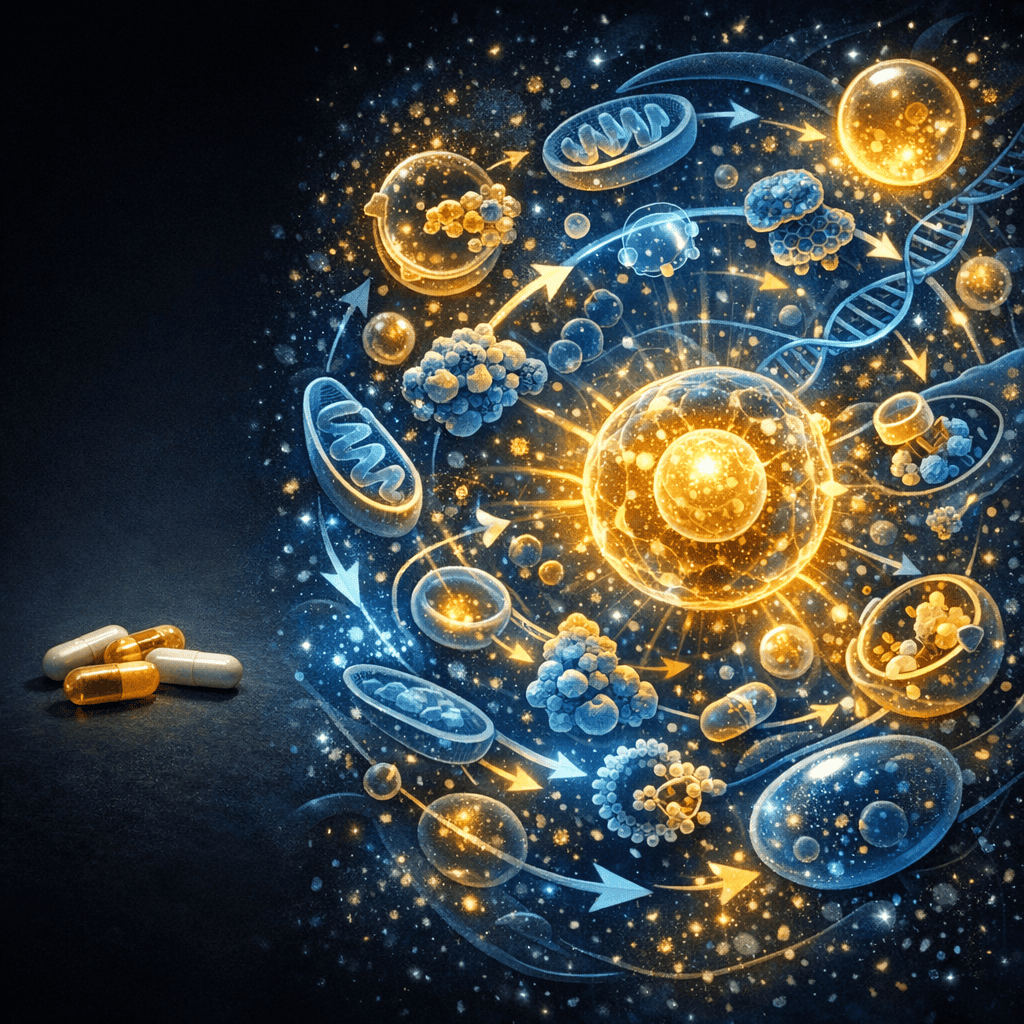
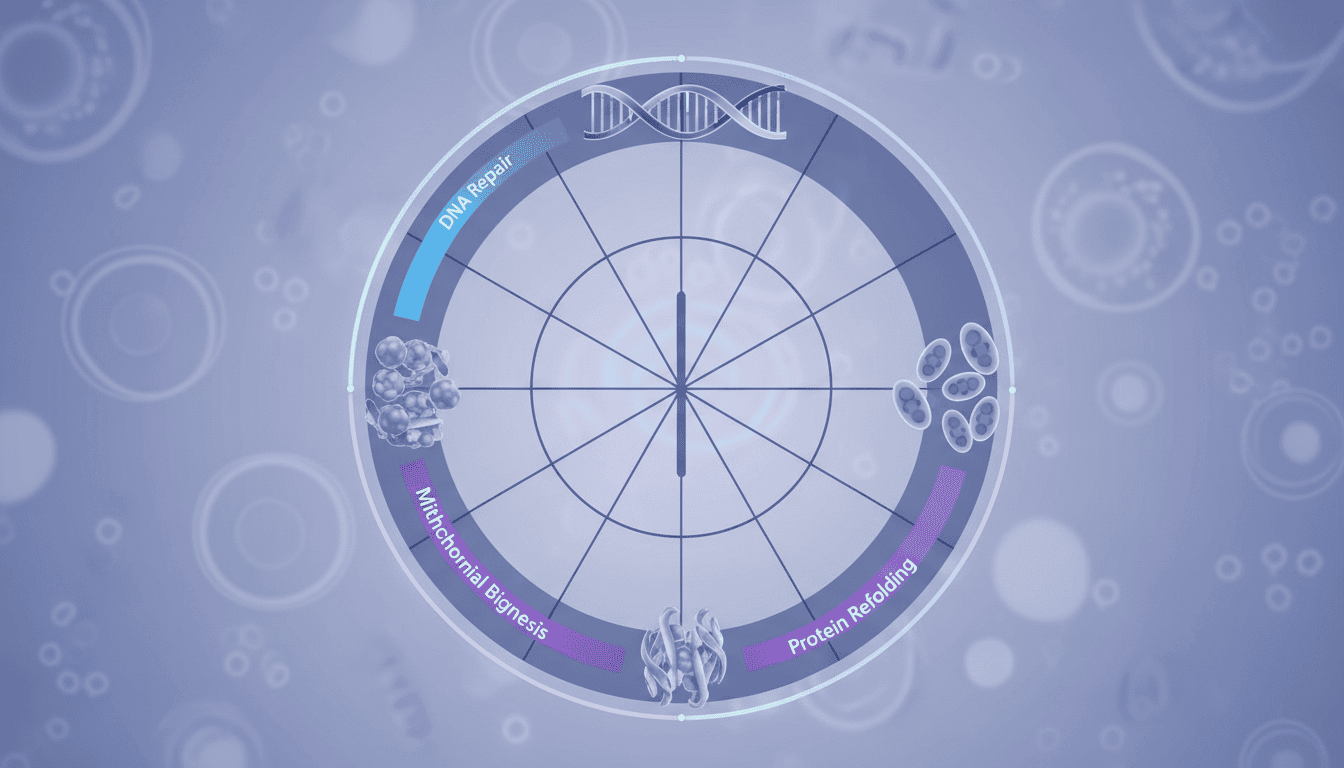
During normal sleep, your cells run intensive repair and restoration programmes. Glutathione levels are replenished. Damaged mitochondria are cleared through mitophagy. The NRF2 pathway completes its circadian cycle of protective gene activation. These processes require adequate time in deep sleep to reach completion.
When sleep is cut short, the restoration cycle is truncated. Glutathione stores that should have been fully replenished remain depleted. Damaged mitochondria that should have been cleared persist, continuing to produce excess reactive species. The NRF2 mediated repair window is compressed.
The result is a morning deficit. You begin each day with slightly less antioxidant capacity, slightly more accumulated damage and slightly less efficient mitochondria than you would have had with adequate sleep.
The Research Evidence
Multiple studies have measured oxidative stress biomarkers in sleep deprived subjects. Research published in clinical journals has documented elevated levels of malondialdehyde (a marker of lipid peroxidation), 8-hydroxydeoxyguanosine (a marker of DNA oxidation) and protein carbonyls (a marker of protein oxidation) in people experiencing chronic sleep restriction.
One frequently cited study found that just five nights of restricted sleep (limited to four hours per night) produced significant increases in oxidative damage markers compared to baseline. More importantly, these markers did not immediately return to normal after a single recovery night. The oxidative debt accumulated faster than it could be repaid.
Animal studies have provided even more detailed mechanistic insights. Research in sleep deprived rodents has shown direct mitochondrial damage, reduced glutathione levels in brain tissue, increased lipid peroxidation in the hippocampus and impaired electron transport chain function.
The Cortisol Connection
Sleep deprivation elevates cortisol levels, particularly in the evening hours when cortisol should be declining. As explored in our article on how chronic stress damages cells, elevated cortisol increases metabolic activity throughout the body, generating more reactive oxygen species as a byproduct of accelerated energy production.
This creates a compounding problem. You produce more oxidative stress while simultaneously having less capacity to manage it. The antioxidant systems that should be handling the load were not fully restored during your abbreviated sleep.
Inflammation as an Amplifier
As detailed in our article on the cellular cost of poor sleep, sleep deprivation drives chronic low grade inflammation. Pro inflammatory cytokines including IL-6 and C reactive protein rise with even modest sleep restriction. This inflammation itself generates additional reactive oxygen species, creating a feedback loop that amplifies the oxidative burden.
The interaction between inflammation and oxidative stress is bidirectional. Oxidative damage activates inflammatory pathways. Inflammatory signalling generates more reactive species. Without adequate sleep to break this cycle each night, it self perpetuates and gradually intensifies.
Why Supplements Cannot Compensate
A common response to learning about sleep related oxidative stress is to reach for antioxidant supplements. But as the research on the antioxidant myth demonstrates, external supplementation cannot replicate what your body accomplishes during sleep.
Sleep is when your cells perform coordinated, system wide maintenance. Glutathione is synthesised and recycled. NRF2 dependent genes are activated on a circadian schedule. Damaged proteins are identified and cleared. Mitochondrial quality control runs its full programme. No supplement can orchestrate this complexity. It requires time, and that time is sleep.
The Practical Implication
The science is unambiguous. Chronic sleep restriction is a direct contributor to oxidative stress, operating through multiple parallel mechanisms: reduced antioxidant restoration, elevated cortisol, increased inflammation, impaired mitochondrial maintenance and truncated NRF2 mediated repair.
Seven to nine hours of quality sleep is not a lifestyle preference. It is a biochemical requirement for maintaining the redox balance your cells depend on. Everything else you do for your health, from exercise to nutrition, is built on the foundation that sleep provides. Without that foundation, the benefits of every other intervention are diminished.

Matt Elliott is the editor of Redox News Today, an independent publication covering peer-reviewed research on cellular health, redox signalling, and related biomedical science.