Ask most people what free radicals do and you will get a consistent answer: they damage your cells and cause disease. This belief is so deeply embedded in popular health culture that it has become almost axiomatic. But it is wrong, or at the very least, it is dangerously incomplete.
Free radicals are not just destroyers. They are builders, defenders, communicators and regulators. Reclassifying them as purely harmful ignores decades of research that has fundamentally changed how scientists understand these molecules.
Immune Defence: The Respiratory Burst
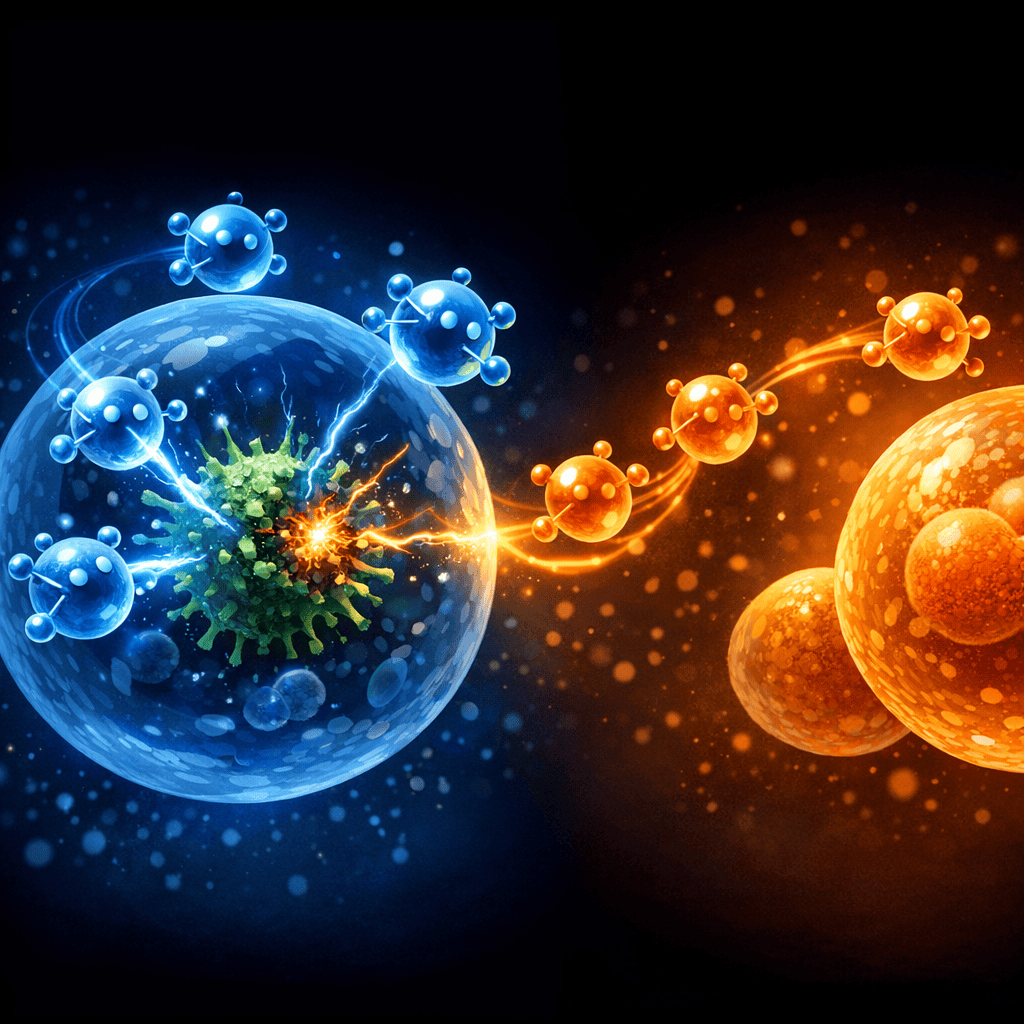
Your immune system’s most powerful antimicrobial weapon relies on free radicals. When neutrophils, the frontline soldiers of your innate immune system, encounter a pathogen, they engulf it and then deliberately flood the captured invader with a massive burst of reactive oxygen species.
This respiratory burst is produced by NADPH oxidase (NOX2), an enzyme whose sole purpose is to generate superoxide radicals at extremely high concentrations inside the engulfment vesicle. The free radicals tear apart the pathogen’s cellular machinery, destroying it.
People born with chronic granulomatous disease, a genetic condition where NOX2 does not function properly, cannot mount an effective respiratory burst. They suffer from severe, life threatening infections because their immune cells lack the ability to produce the free radicals needed to kill pathogens. Far from being a liability, free radical production is essential for immune survival.
Cellular Signalling: The Communication Network
As explored throughout this series, reactive oxygen species serve as critical signalling molecules. Hydrogen peroxide, superoxide and nitric oxide all function as messengers that carry information within and between cells.
These molecules regulate blood vessel dilation, modulate inflammatory responses, trigger NRF2 activation and influence cell growth and differentiation. The scale of this signalling is enormous, with billions of redox signalling events occurring every second across your body.
Eliminating free radicals entirely would not make you healthier. It would shut down the communication network that coordinates virtually every aspect of cellular function. The goal has never been elimination. It has always been balance.
Exercise Adaptation
The role of free radicals in exercise adaptation provides perhaps the clearest evidence that these molecules are not simply harmful. The reactive oxygen species produced during physical activity are the signals that drive the beneficial adaptations of training: increased glutathione production, mitochondrial biogenesis, improved antioxidant enzyme capacity and enhanced cellular resilience.
When researchers gave subjects high dose antioxidant supplements before exercise to suppress the free radical signal, the adaptive benefits were blunted. The supplements removed the stimulus that exercise needs to produce its beneficial effects. The free radicals were not the problem. They were the solution.
Wound Healing and Tissue Repair
Wound healing depends on precisely regulated free radical production at the site of injury. Reactive oxygen species produced at the wound site serve multiple functions: they sterilise the wound by killing bacteria, they signal immune cells to migrate to the area, they activate fibroblasts that produce new connective tissue and they stimulate angiogenesis (the growth of new blood vessels).
Research has shown that wounds heal more slowly when oxidative stress at the wound site is artificially suppressed. The free radicals are not just bystanders in the healing process. They are active participants in multiple stages of tissue repair.
Programmed Cell Death
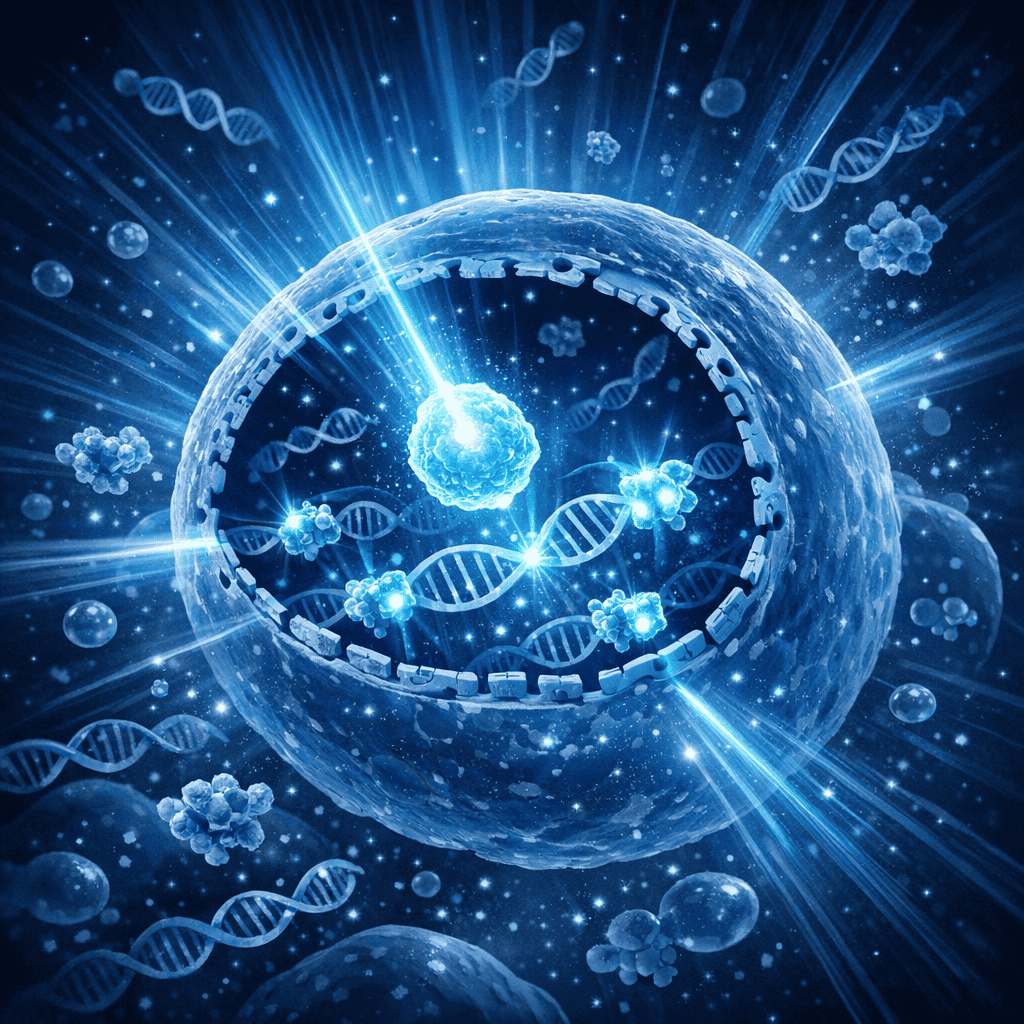
Free radicals play an important role in apoptosis, the orderly process of programmed cell death. When a cell becomes too damaged to repair safely, mitochondrial reactive species help trigger the apoptotic cascade that dismantles the cell in a controlled manner.
This is a protective mechanism. By eliminating damaged cells before they can become dysfunctional or potentially harmful, apoptosis maintains tissue integrity. Suppressing the free radical signals that contribute to apoptosis could allow damaged cells to persist when they should be removed.
Reframing the Narrative
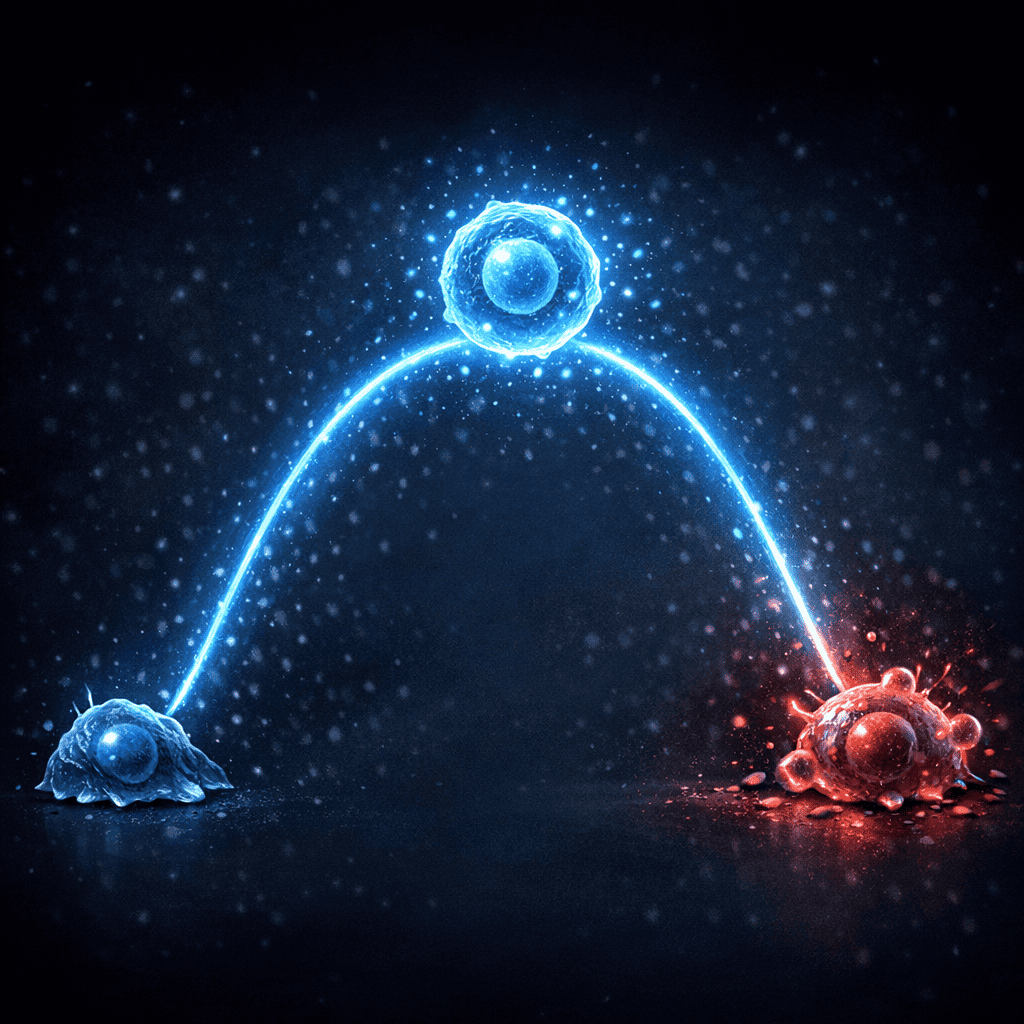
The myth that all free radicals are bad was built on an incomplete understanding of redox biology. It was a useful simplification for a time, but science has moved well beyond it. The free radical theory of ageing has been refined into a redox signalling model that accounts for both the harmful and essential roles of these molecules.
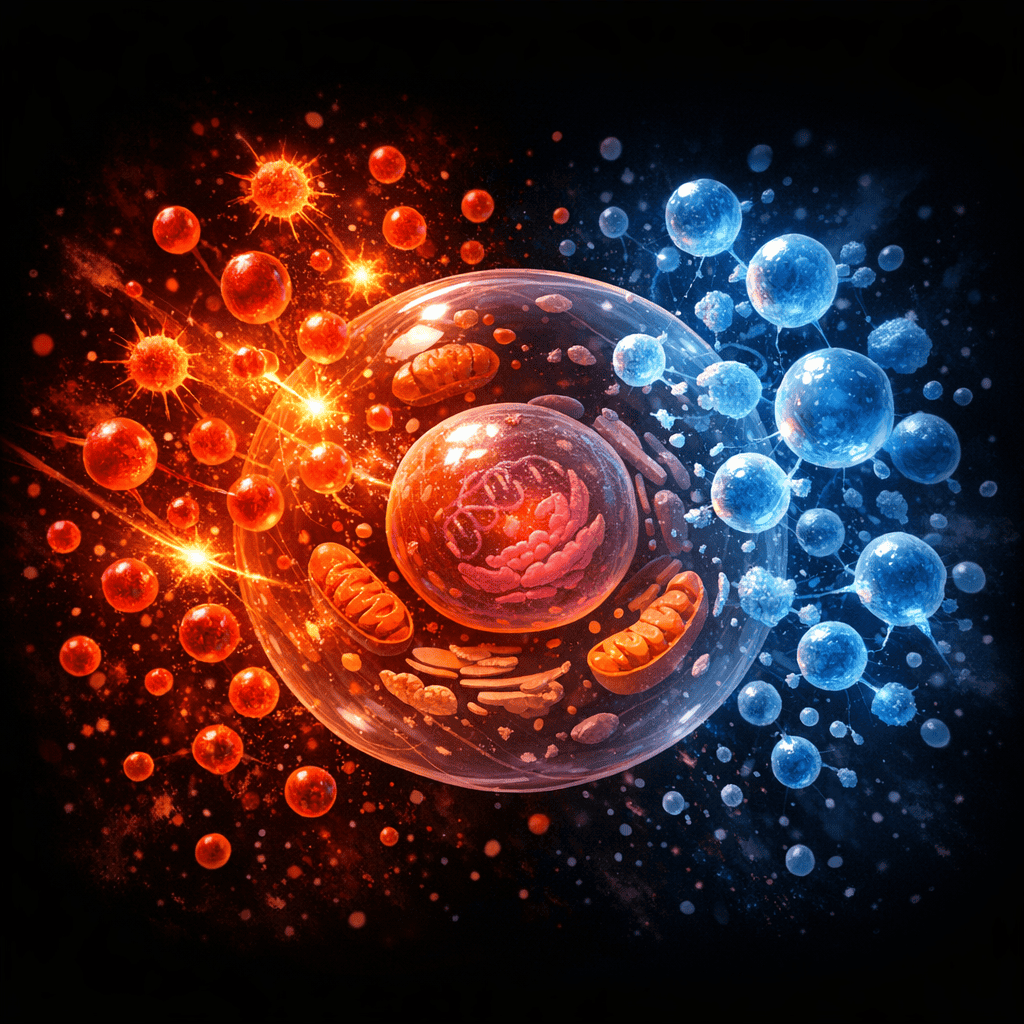
Free radicals are dangerous when they are uncontrolled, excessive or improperly regulated. But when they are produced at the right levels, in the right places, at the right times, they are among the most important molecules in your body. They defend you against infection, coordinate your cellular communication, drive your adaptation to exercise, heal your wounds and remove your damaged cells.
The question was never whether free radicals are good or bad. They are both, depending on context. The question that matters is whether your body maintains the systems that regulate them. That is the real determinant of cellular health.

Matt Elliott is the editor of Redox News Today, an independent publication covering peer-reviewed research on cellular health, redox signalling, and related biomedical science.