Your brain burns through about 20% of your body’s oxygen supply despite weighing only 2% of your total body mass. This metabolic intensity comes with a price: brain cells generate more oxidative byproducts than almost any other tissue, leaving neurons vulnerable to damage that accumulates over decades. Scientists studying neurodegenerative diseases have discovered that certain vitamins don’t just prevent deficiency diseases – they actively regulate the cellular machinery that protects brain cells from this oxidative assault.
What is vitamin-mediated oxidative protection
Oxidative stress occurs when cells produce more reactive molecules than their antioxidant systems can neutralise. Think of it like rust forming on metal, but happening inside your cells at the molecular level. Brain cells are particularly susceptible because they consume enormous amounts of oxygen and contain high concentrations of easily damaged fats.
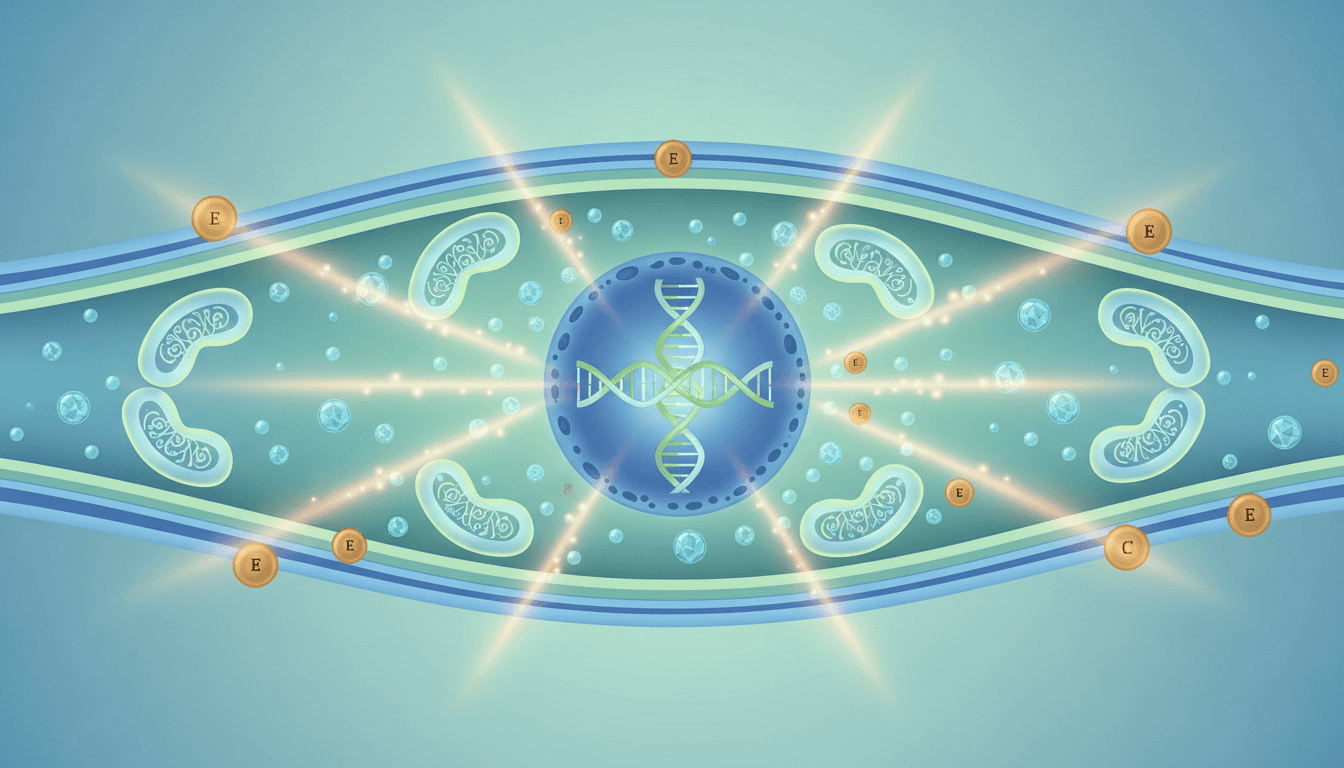
Several vitamins function as direct antioxidants, but their more important role involves regulating gene expression. Vitamin E embeds itself in cell membranes, intercepting lipid radicals before they can trigger chain reactions of damage. Vitamin C works in the watery parts of cells, regenerating vitamin E and other antioxidants after they’ve neutralised threats. But vitamin D operates differently – it acts more like a molecular supervisor, influencing which protective genes get activated when cells detect oxidative pressure.
These vitamins work alongside cellular systems like the NRF2 pathway, which functions as an oxidative stress sensor. When NRF2 detects trouble, it migrates to the cell nucleus and switches on genes that produce antioxidant enzymes, detoxification proteins, and repair mechanisms.
What the research shows
Studies examining brain tissue from patients with Alzheimer’s disease, Parkinson’s disease, and other neurodegenerative conditions reveal consistent patterns of vitamin depletion and oxidative damage. Researchers have found that neurons in affected brain regions often show reduced vitamin E levels alongside increased markers of lipid peroxidation.
Laboratory experiments demonstrate how vitamin deficiency accelerates neurodegeneration in cellular models. When scientists grow neurons in culture and deprive them of vitamin E, the cells become hypersensitive to oxidative stress and die more readily when exposed to toxins that mimic disease processes. Adding vitamin E back to the culture medium doesn’t just prevent deficiency – it enhances the cells’ ability to activate protective gene programs.
Animal studies reveal similar patterns. Mice engineered to develop Alzheimer’s-like pathology show slower disease progression when fed diets rich in antioxidant vitamins. Their brain cells maintain better mitochondrial function and produce fewer inflammatory signals compared to animals on standard diets.
Population studies tracking thousands of people over decades have identified associations between dietary vitamin intake and cognitive decline rates. People consuming higher amounts of vitamins E and C from food sources tend to maintain cognitive function longer, though the relationships are complex and influenced by many other factors.
Why cells need this protection
Evolution preserved these vitamin-dependent protective systems because brain cells face unique challenges. Unlike liver cells, which can regenerate, or skin cells, which replace themselves constantly, most neurons must last your entire lifetime. They cannot afford to accumulate significant damage without compromising function.
The brain’s high energy demands create an inherent oxidative burden. Mitochondria in neurons work overtime to generate ATP, inevitably producing reactive oxygen species as metabolic byproducts. Without robust antioxidant defences, these molecules would gradually destroy the cellular machinery needed for neurotransmitter production, signal transmission, and basic survival functions.
Vitamin-dependent protective mechanisms also help maintain the blood-brain barrier, which shields neural tissue from toxins and inflammatory molecules circulating in the bloodstream. When this barrier becomes compromised due to oxidative damage, immune cells can infiltrate brain tissue and trigger neuroinflammation that accelerates disease progression.
What affects vitamin protection
Age reduces the efficiency of vitamin-dependent antioxidant systems. Older adults absorb fat-soluble vitamins like E and D less effectively, while cellular machinery for utilising these nutrients becomes less responsive. This helps explain why neurodegenerative diseases predominantly affect elderly populations.
Genetic variations influence how individuals process and utilise antioxidant vitamins. Some people carry genetic variants that reduce vitamin E transport into brain tissue, while others have differences in vitamin D receptor function that affect gene regulation. These variations may partially explain why some individuals develop neurodegenerative diseases while others maintain cognitive function despite similar environmental exposures.
Lifestyle factors significantly impact vitamin status and oxidative stress levels. Chronic stress elevates cortisol production, which can deplete antioxidant reserves and increase inflammatory signalling. Physical exercise initially increases oxidative stress but ultimately strengthens cellular antioxidant systems through hormetic adaptation. Sleep deprivation disrupts cellular repair processes and reduces the brain’s ability to clear oxidative damage accumulated during waking hours.
Dietary composition affects vitamin absorption and function. Fat-soluble vitamins require adequate dietary fat for absorption, while processing and cooking methods can destroy or preserve vitamin content. Interactions between different nutrients also matter – vitamin C helps regenerate vitamin E, while excessive iron can promote oxidative reactions that overwhelm antioxidant defences.
What remains unknown
Scientists still debate optimal vitamin levels for brain protection. Blood tests can measure circulating vitamin concentrations, but these don’t necessarily reflect tissue levels in specific brain regions. Researchers lack reliable methods to assess real-time vitamin status within living neural tissue.
The timing and duration of vitamin interventions remain unclear. Animal studies suggest that antioxidant protection may need to begin early in the disease process to meaningfully affect outcomes. Whether short-term vitamin supplementation can reverse existing oxidative damage or only prevent further deterioration requires more research.
Individual variability in vitamin needs puzzles researchers. Some people maintain excellent cognitive function despite apparently low vitamin levels, while others develop neurodegeneration despite adequate nutritional status. Understanding these differences could reveal new insights about genetic factors, environmental interactions, or unmeasured aspects of cellular metabolism.
The relationship between synthetic and natural vitamin forms adds another layer of complexity. Laboratory studies typically use purified vitamin compounds, but foods contain complex mixtures of related molecules that may work synergistically. Whether isolated vitamins provide the same protective benefits as whole food sources remains an active area of investigation.
This research illuminates how nutrition intersects with fundamental cellular processes that determine brain health over decades. As scientists map the intricate connections between vitamins, gene expression, and oxidative protection, they’re revealing why the brain’s relationship with these essential nutrients extends far beyond preventing deficiency diseases. The emerging picture suggests that optimal cognitive ageing may depend on maintaining robust vitamin-dependent antioxidant systems throughout life.

Matt Elliott is the editor of Redox News Today, an independent publication covering peer-reviewed research on cellular health, redox signalling, and related biomedical science.