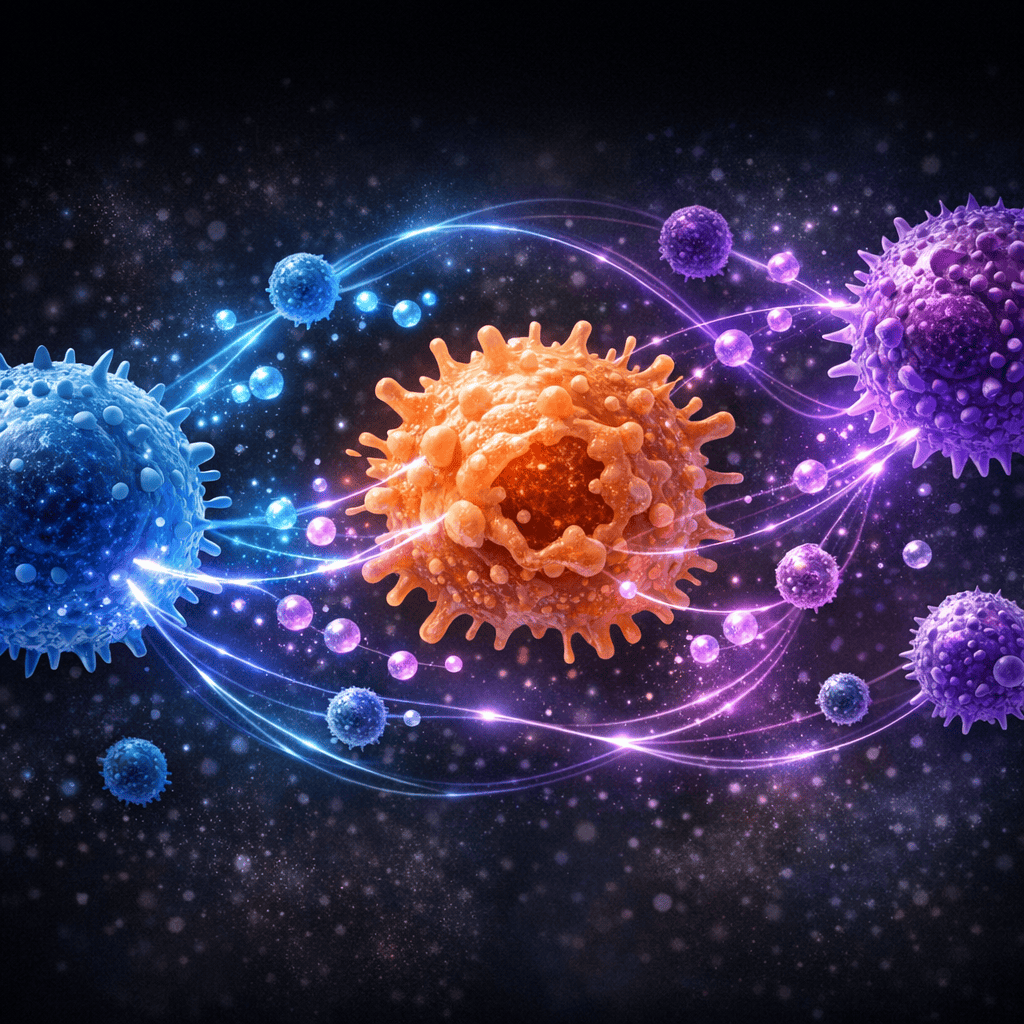
Your immune system is not a single organ or a simple defence mechanism. It is a distributed network of cells, tissues and organs that must coordinate across your entire body in real time. This coordination depends on cellular signalling, and the quality of that signalling determines whether your immune response is swift, targeted and effective or slow, misdirected and damaging.
How Immune Cells Communicate
Immune cells communicate through a class of signalling molecules called cytokines. These small proteins carry specific instructions between immune cells: when to activate, where to migrate, how aggressively to respond and when to stand down. The cytokine network is extraordinarily complex, with dozens of distinct molecules coordinating different aspects of the immune response.
Pro-inflammatory cytokines like IL-1, IL-6 and TNF-alpha activate immune cells and direct them to sites of infection or damage. Anti-inflammatory cytokines like IL-10 and TGF-beta signal the immune system to resolve the response and return to baseline once the threat is cleared. The balance between these two groups determines whether inflammation is acute and protective or chronic and damaging.
Redox signalling molecules play a direct role in this balance. Hydrogen peroxide, the primary signalling reactive oxygen species, modulates the activity of transcription factors that control cytokine production. The NRF2 pathway, which is activated by redox signals, regulates the expression of anti-inflammatory genes that help resolve immune responses.
The Innate Immune Response
Your innate immune system provides the first line of defence against pathogens. Neutrophils, macrophages and natural killer cells detect threats through pattern recognition receptors and mount immediate, non-specific responses.
As detailed in our article on the beneficial roles of free radicals, neutrophils use the respiratory burst to destroy engulfed pathogens. This massive production of reactive oxygen species by NADPH oxidase is one of the most powerful antimicrobial mechanisms in biology. Without it, the immune system cannot eliminate bacterial and fungal invaders effectively.
Macrophages transition between pro-inflammatory (M1) and anti-inflammatory (M2) states based on signals from the redox environment. This transition, described in our article on muscle recovery, is essential for the resolution of inflammation. When redox signalling is impaired, macrophages may remain stuck in the M1 state, perpetuating inflammation beyond its useful window.
The Adaptive Immune Response
T cells and B cells form the adaptive immune system, which learns to recognise specific pathogens and mounts targeted responses. T cell activation depends on multiple signalling events that must occur in the correct sequence. Redox signalling is involved at several points in this cascade.
T cell receptor signalling generates a burst of reactive oxygen species that is required for full activation. Glutathione levels within T cells directly affect their ability to proliferate and differentiate. Research has shown that T cells with depleted glutathione have impaired activation, reduced proliferation and altered cytokine production profiles.
Natural killer cells, which provide surveillance against abnormal cells, also depend on redox status. Their cytotoxic activity, the ability to identify and destroy target cells, correlates with intracellular glutathione levels.
What Happens When Signalling Declines
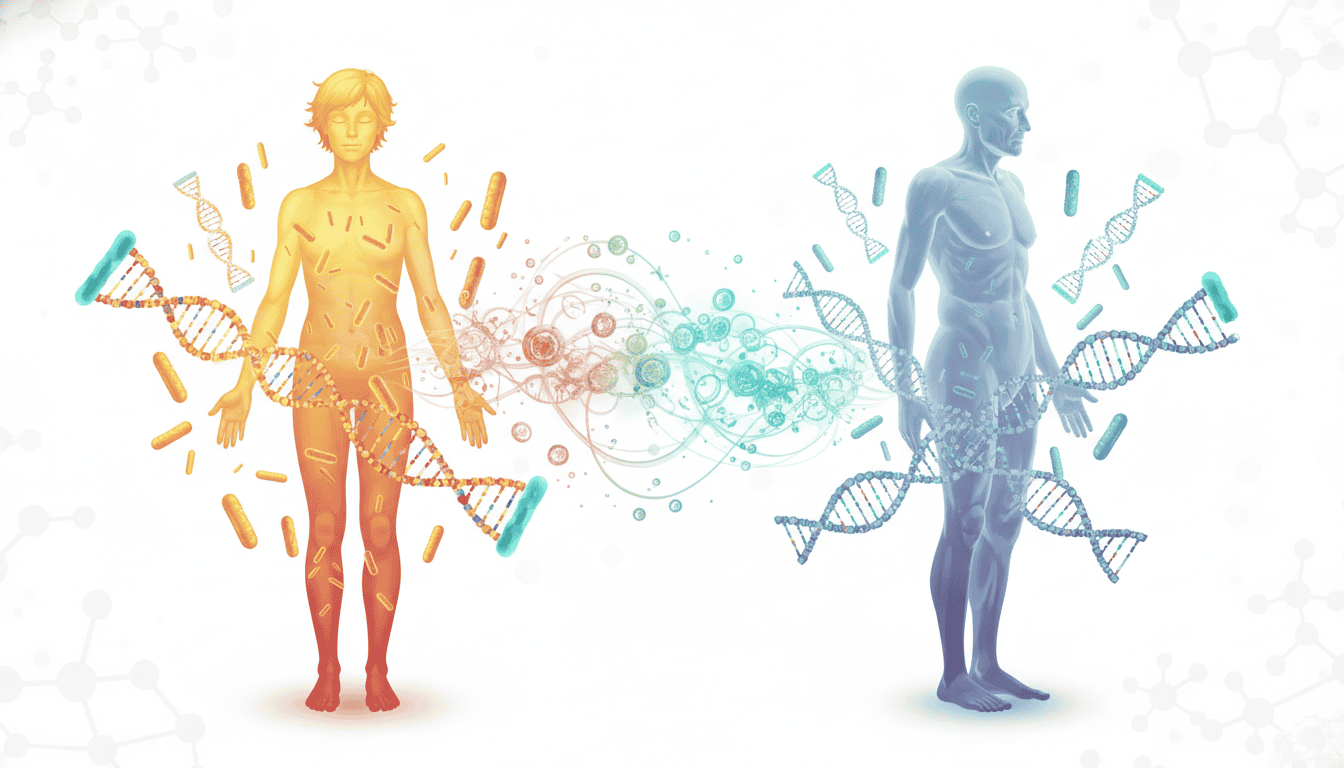
As described in our article on what happens when cellular communication breaks down, the age related decline in redox signalling has profound effects on immune function. Immunosenescence, the gradual deterioration of the immune system, is driven in significant part by impaired signalling.
T cell diversity decreases. The thymus, which produces new T cells, shrinks with age. The remaining T cells become less responsive to activation signals. Vaccine responses weaken. Susceptibility to infections increases. The resolution of inflammation becomes less efficient, contributing to the chronic low grade inflammation known as inflammaging.
Supporting Immune Signalling
The strategies that support immune signalling mirror those that support cellular health more broadly. Regular exercise improves immune cell circulation, enhances NRF2 activation in immune tissues and increases glutathione levels in lymphocytes. Cruciferous vegetables and other NRF2 activating foods support the antioxidant systems that immune cells depend on. Quality sleep is when cytokine production peaks and immune cell distribution follows circadian patterns.
Your immune system is only as good as the signalling network that coordinates it. Maintaining the redox environment that enables clear, precise immune communication is one of the most important investments you can make in long term health resilience.

Matt Elliott is the editor of Redox News Today, an independent publication covering peer-reviewed research on cellular health, redox signalling, and related biomedical science.