Your muscles burn through energy during training. They demand it faster than your mitochondria can produce ATP, the cellular currency that powers contractions. This energy crisis triggers a cascade of chemical reactions, some of which create free radicals that damage cell components if left unchecked. Enter creatine, a compound that buffers this energy crisis. But does it actually reduce the oxidative damage that exercise creates?
What is oxidative stress during exercise
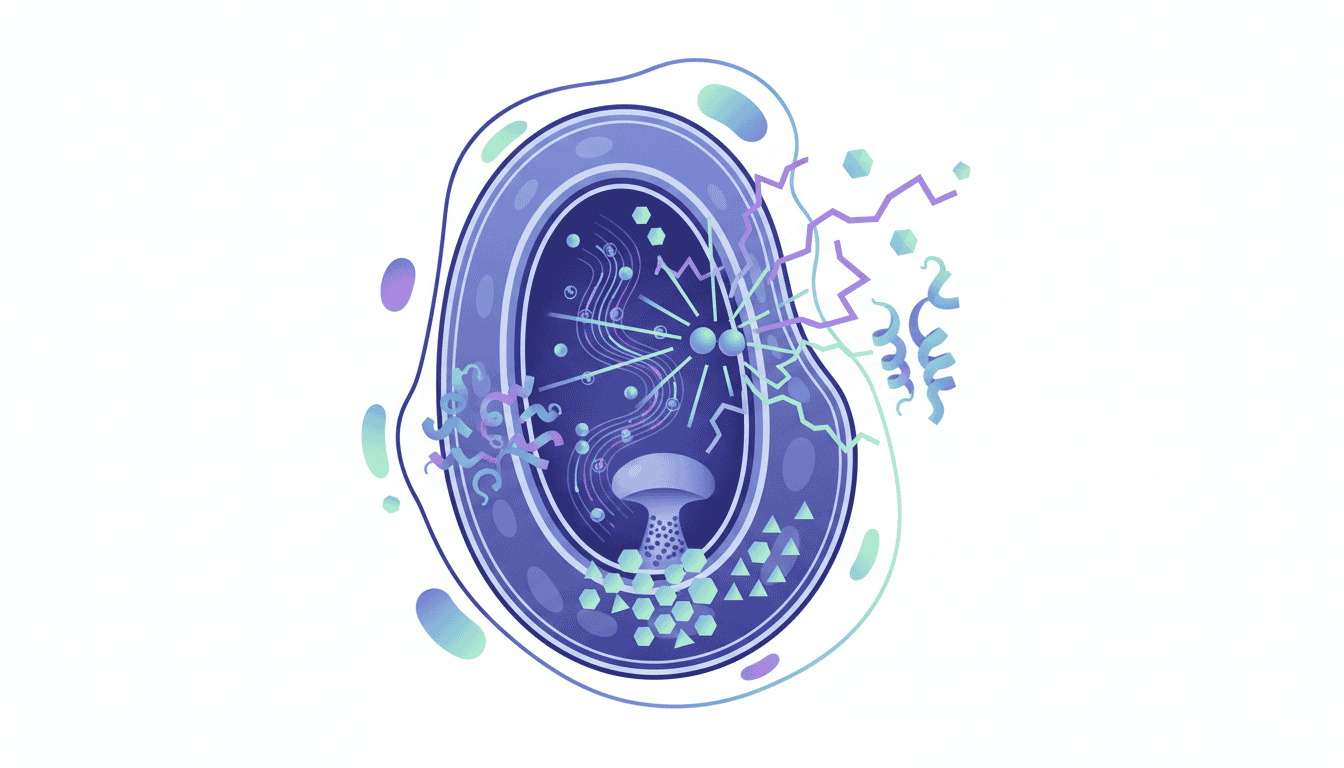
Exercise is metabolically expensive. When your muscles demand energy, electrons leak from the electron transport chain in your mitochondria. These electrons react with oxygen to form reactive oxygen species, or ROS. Free radicals like superoxide and hydroxyl radicals tear through lipid membranes, proteins, and DNA. Your cells fight back with antioxidant enzymes like superoxide dismutase and catalase, but intense training can overwhelm these defences.
The balance between ROS production and antioxidant capacity determines oxidative stress. Tip it too far toward ROS, and cells accumulate damage. A little ROS actually triggers beneficial adaptations, which is why moderate exercise improves health. But excessive oxidative stress delays recovery and contributes to muscle breakdown.
Creatine enters the picture as an energy molecule. Your body makes it in the liver and kidneys, but muscles use so much that supplementation became popular with athletes seeking to boost performance. The question researchers have been asking is whether creatine also protects against oxidative damage.
What the research shows
Studies measuring oxidative stress markers during training reveal a nuanced picture. When people take creatine and then exercise, some markers of oxidative damage drop compared to those taking a placebo. Researchers measure malondialdehyde (a lipid peroxidation product), protein carbonyls (indicating protein damage), and 8-oxoguanine (DNA damage). Creatine users often show lower levels of these markers.
Simultaneously, antioxidant enzyme activity sometimes increases in creatine users. Superoxide dismutase and catalase appear more active after training. This suggests creatine may boost your cells’ own defence systems rather than simply acting as a sponge for free radicals.
The effect isn’t universal across all studies. Training intensity matters. High intensity interval training produces more ROS than steady state exercise, and creatine’s protective effect appears stronger under those conditions. Training status also influences outcomes. Untrained individuals show more pronounced benefits than highly trained athletes, possibly because their baseline antioxidant capacity is lower.
Duration of supplementation shapes the results too. Short term creatine loading produces different effects than weeks of consistent use. Most research showing protective effects comes from studies lasting four weeks or longer.
Why cells need this protection
Evolution didn’t preserve oxidative stress defences by accident. ROS causes real harm. Lipid peroxidation weakens cell membranes, making them leaky. Protein damage degrades contractile proteins in muscle and impairs enzyme function. DNA damage, if unrepaired, can trigger cell death or mutation.
Your cells have multiple layers of antioxidant defence. Superoxide dismutase converts superoxide into hydrogen peroxide. Catalase and glutathione peroxidase break hydrogen peroxide down into water. Non-enzymatic antioxidants like glutathione and vitamins C and E intercept free radicals directly. This redundant system exists because cells that fail to manage oxidative stress die or malfunction.
Creatine may fit into this defence system by stabilising mitochondrial function. If creatine buffers ATP levels more effectively, fewer electrons leak from the electron transport chain. Less electron leak means less ROS production upstream. It’s prevention rather than treatment.
This matters for recovery. Excessive oxidative damage interferes with the signalling that drives adaptation to training. Athletes and active people who reduce oxidative stress without suppressing it entirely may recover faster and adapt more efficiently to training stimulus.
What affects creatine’s protective effects
Age changes how creatine works. Older adults show different ROS production patterns during exercise than younger people. Some research suggests creatine’s antioxidant benefits are more pronounced in middle aged and older individuals, though this remains inconsistent across studies.
Genetics play a role. Not everyone responds identically to creatine supplementation. Variations in creatine transporter genes and mitochondrial DNA sequences influence how much creatine accumulates in muscle and how efficiently it supports energy metabolism.
Training status shifts the equation. Untrained people taking creatine before starting an exercise programme show clearer reductions in oxidative stress markers than athletes already adapted to heavy training. Once adaptation occurs, the marginal benefit of creatine diminishes.
Diet composition affects the outcome. Antioxidant intake from food modulates oxidative stress during training. Someone consuming high levels of polyphenols from fruit and vegetables shows a different baseline oxidative stress level than someone on a processed diet. Creatine’s effects overlay onto this existing antioxidant capacity.
Training intensity determines whether oxidative stress occurs at all. Moderate intensity exercise produces minimal ROS. Only high intensity training generates the oxidative stress that creatine might meaningfully reduce.
What remains unknown
Researchers still debate whether reducing oxidative stress during training actually improves performance or adaptation. Some evidence suggests that mild oxidative stress triggers the signalling cascades that produce training adaptations. If creatine suppresses ROS too effectively, could it blunt adaptation? The current answer is probably not, but this remains an open question.
The mechanisms aren’t fully mapped. Does creatine reduce ROS production or enhance antioxidant defence capacity? Does it work directly on mitochondria or indirectly by improving energy metabolism? Different studies suggest different mechanisms, and identifying the primary pathway remains unresolved.
Long term effects are understudied. Most research examines creatine use over weeks or months. How oxidative stress markers change with years of supplementation, particularly in people who train consistently, remains unclear. Does the protective effect persist or does the body adapt?
Individual variation confuses interpretation. Some people accumulate creatine in muscle efficiently while others don’t. Responders to creatine supplementation show performance gains and altered oxidative stress markers. Non responders show neither. Predicting who falls into each category requires better biomarkers.
Closing thoughts
Creatine’s interaction with oxidative stress during training exemplifies how cellular biology doesn’t work in isolation. Energy metabolism, ROS production, and antioxidant defence operate as a system. Pull one lever and others respond. Creatine appears to shift this system in ways that reduce oxidative damage markers, particularly during intense training in untrained individuals, but it’s not a universal solution and it’s not dramatic.
This matters because oxidative stress sits at the intersection of exercise adaptation, recovery, and ageing. Understanding how supplements and training interact at the cellular level helps explain why individual responses vary so much. The more researchers map these mechanisms, the clearer it becomes that cellular health isn’t about single interventions but about how multiple systems balance and adapt.

Matt Elliott is the editor of Redox News Today, an independent publication covering peer-reviewed research on cellular health, redox signalling, and related biomedical science.