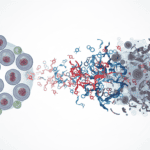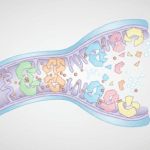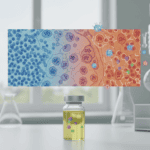

Your lungs evolved to handle air, water vapour, and the occasional grain of dust. They did not evolve to process propylene glycol heated to 200 degrees Celsius, mixed with flavouring chemicals and delivered as an aerosol cloud. When e-cigarette vapour hits respiratory cells, it triggers a cascade of oxidative stress that researchers are only beginning to map.
What is oxidative stress from vaping
Oxidative stress happens when cells produce more reactive oxygen species than their antioxidant defences can neutralise. Think of it as cellular rust forming faster than your body can polish it away. E-cigarette aerosols create this imbalance through multiple pathways simultaneously.
The heating element in vaping devices doesn’t just warm the liquid. It breaks down the base ingredients into reactive compounds that cells recognise as threats. Propylene glycol and vegetable glycerine, harmless when ingested, become oxidising agents when heated and inhaled. The process generates formaldehyde, acetaldehyde, and other carbonyls that steal electrons from cellular components.
Flavouring compounds add another layer of complexity. Diacetyl creates butter-like flavours but also forms reactive metabolites in lung tissue. Cinnamaldehyde, responsible for cinnamon flavours, triggers oxidative stress even at low concentrations. Each puff delivers a cocktail of oxidising molecules directly to the delicate epithelial cells lining your airways.
What the research shows
Laboratory studies reveal the cellular chaos that follows e-cigarette exposure. Researchers expose lung cells to vapour extracts and watch oxidative stress markers spike within minutes. Glutathione levels plummet as cells burn through their primary antioxidant reserves.
The inflammatory response follows quickly. Cells release interleukin-8, a signalling molecule that calls immune cells to the scene. Tumour necrosis factor alpha levels rise, amplifying the inflammatory cascade. These aren’t subtle changes. Some studies show cytokine levels increasing 10-fold or more after vapour exposure.
Different e-liquid formulations create different patterns of damage. High-voltage devices that heat liquids more intensely generate more toxic byproducts. Sweet and fruity flavours tend to be more cytotoxic than tobacco flavours. Nicotine itself contributes to oxidative stress, but it’s not the primary driver of the cellular damage researchers observe.
Human studies show similar patterns. People who vape regularly have elevated markers of systemic oxidative stress in their blood and urine. Their exhaled breath contains higher levels of inflammatory markers compared to non-users. The effects appear dose-dependent: heavier users show stronger inflammatory responses.
Why cells need inflammatory signalling
Inflammation gets a bad reputation, but it evolved as a protective mechanism. When cells detect damage, they release cytokines to coordinate a repair response. The inflammatory signals dilate blood vessels, increase permeability, and recruit specialised immune cells to clean up damaged tissue.
This system works well for acute threats like infections or injuries. The inflammatory response eliminates the problem, then resolves as tissue heals. But chronic exposure to oxidising agents keeps the inflammatory machinery running constantly. What starts as protection becomes a source of ongoing tissue damage.
Respiratory epithelial cells face a particular challenge. They sit at the interface between your body and the outside world, constantly sampling inhaled air for threats. They’re equipped with robust antioxidant systems and rapid repair mechanisms. But they’re not equipped for the sustained chemical assault that regular vaping delivers.
What affects vapour toxicity
Device temperature plays a major role in determining how much oxidative stress vapour creates. Higher wattage settings break down more e-liquid ingredients into reactive compounds. Some users chase bigger vapour clouds by cranking up the heat, unknowingly amplifying the toxic load.
E-liquid composition matters enormously. Higher concentrations of flavouring compounds generally mean more oxidative stress. Complex flavour profiles that blend multiple chemical compounds create more opportunities for harmful interactions. The base ratio of propylene glycol to vegetable glycerine also influences toxicity levels.
Individual factors affect how cells respond to vapour exposure. People with genetic variants that reduce antioxidant enzyme activity show stronger inflammatory responses. Age matters too: older adults have diminished antioxidant reserves and slower tissue repair. Pre-existing respiratory conditions amplify the cellular stress response.
Frequency and duration of use determine whether cells can recover between exposures. Occasional use allows antioxidant systems to rebalance and inflammatory signals to resolve. Daily use creates a state of chronic oxidative stress where repair mechanisms can’t keep up with ongoing damage.
What remains unknown
Researchers still don’t understand the long-term consequences of chronic vapour-induced oxidative stress. Most studies follow cells or users for days to months, not years or decades. The cumulative effects of sustained low-level inflammation in respiratory tissue remain unclear.
The interaction between different flavouring compounds creates an enormous number of variables that scientists are only beginning to explore. Manufacturers use hundreds of different flavouring molecules, often in proprietary blends. Each combination could potentially create unique patterns of cellular stress.
Individual susceptibility varies widely, but researchers don’t yet understand why some people show strong inflammatory responses while others seem more resistant. Genetic factors likely play a role, but which genes and how they interact with vapour exposure remains largely unknown.
The reversibility of vapour-induced cellular changes is another open question. Some oxidative damage can be repaired quickly, but chronic inflammation may cause permanent alterations to tissue structure and function.
This research reveals how cells respond to a historically novel challenge. E-cigarettes have existed for barely two decades, but they’re already teaching scientists new things about oxidative stress pathways and inflammatory signalling. Understanding these cellular responses helps illuminate the broader principles of how our bodies cope with environmental toxins and why some exposures overwhelm our natural defence systems.

Matt Elliott is the editor of Redox News Today, an independent publication covering peer-reviewed research on cellular health, redox signalling, and related biomedical science.