How Heart Muscle Cells Control Their Energy Factories

Featured image for How Heart Muscle Cells Control Their Energy Factories

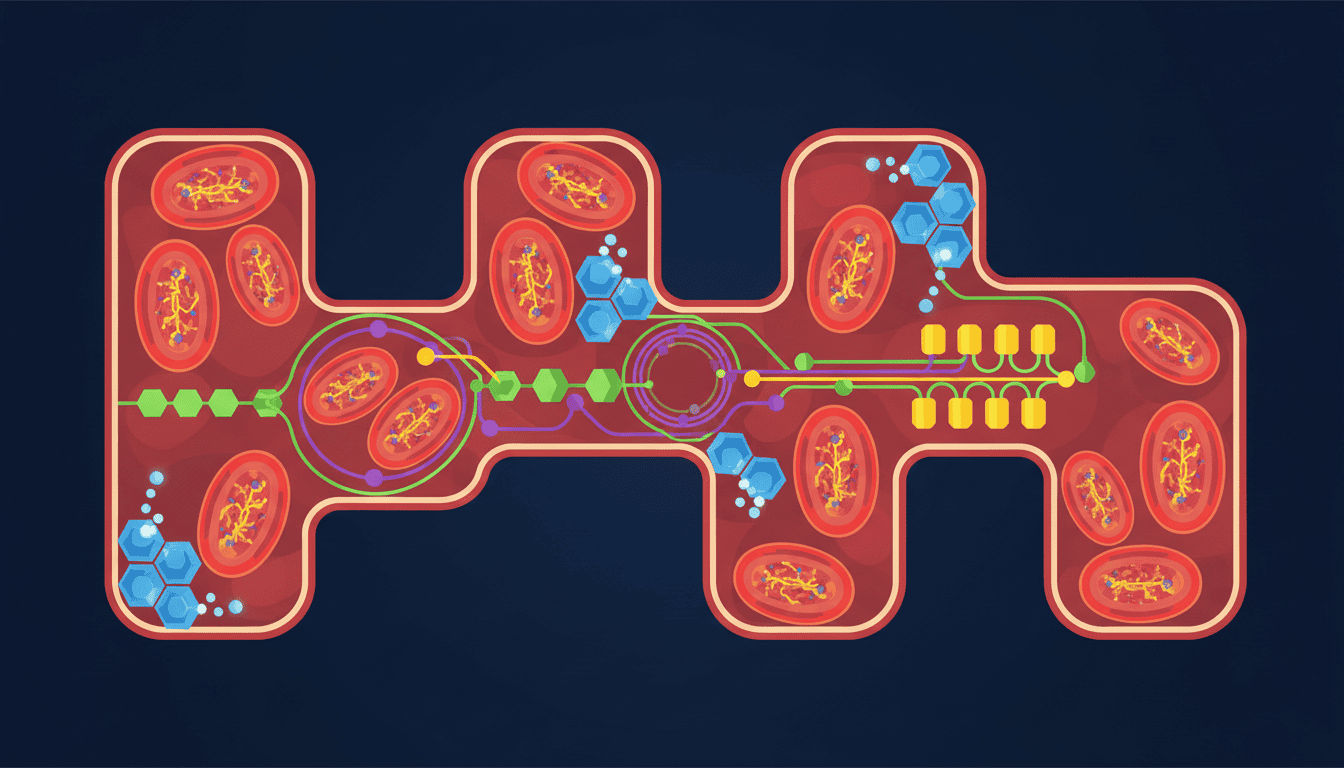
Heart muscle cells contain sophisticated systems that regulate mitochondrial energy production in real time, responding to changing demands within seconds. These cellular power plants occupy 30% of heart muscle cell volume and use calcium signalling and other pathways to match energy output precisely to the heart’s needs.

How Scientists Cracked the Secret Communications Between Cell Powerhouses and Their Headquarters

Featured image for How Scientists Cracked the Secret Communications Between Cell Powerhouses and Their Headquarters

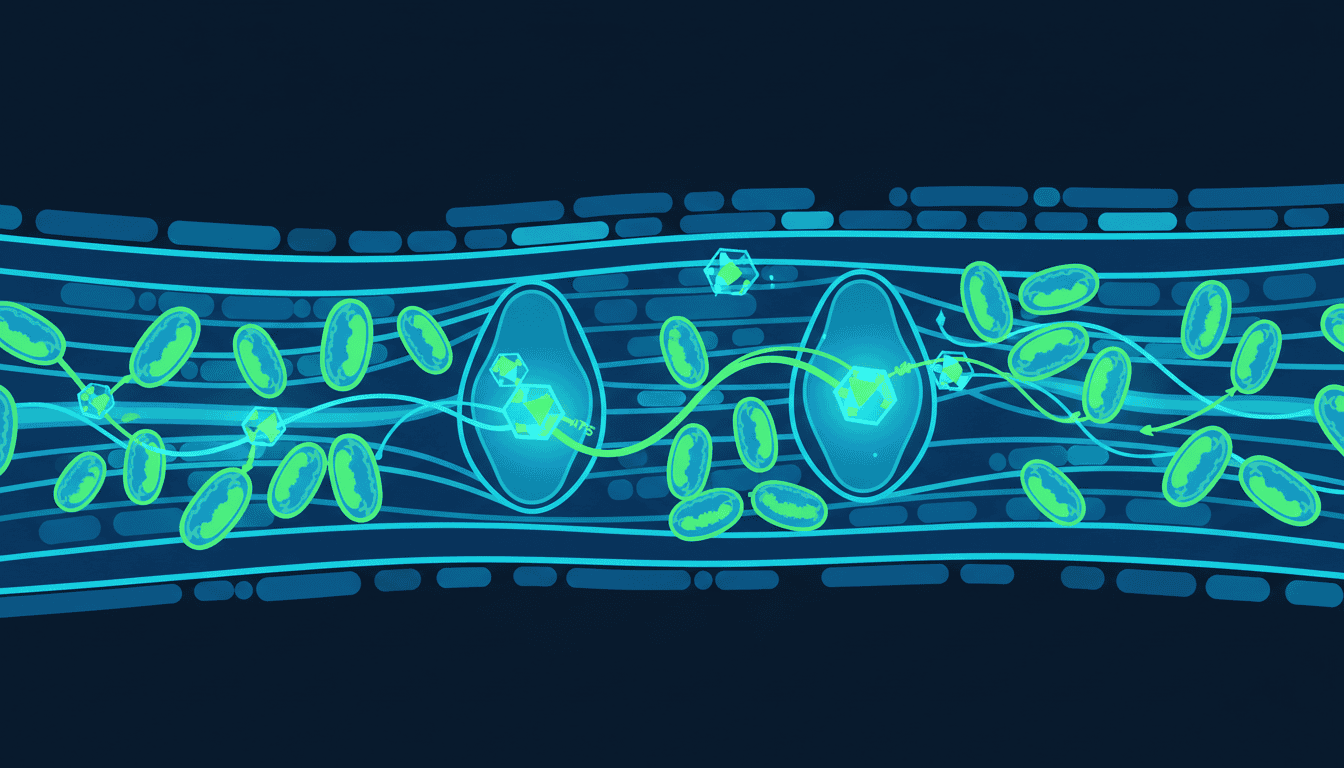
Scientists developed a new technique to track molecular messages travelling between mitochondria and cell nuclei in real time. The research reveals that these cellular powerhouses and their headquarters exchange far more information than previously understood, using distinct communication highways that activate during stress and coordinate energy production.

The Cellular Guardian That Keeps Muscle Mitochondria Running

Featured image for The Cellular Guardian That Keeps Muscle Mitochondria Running

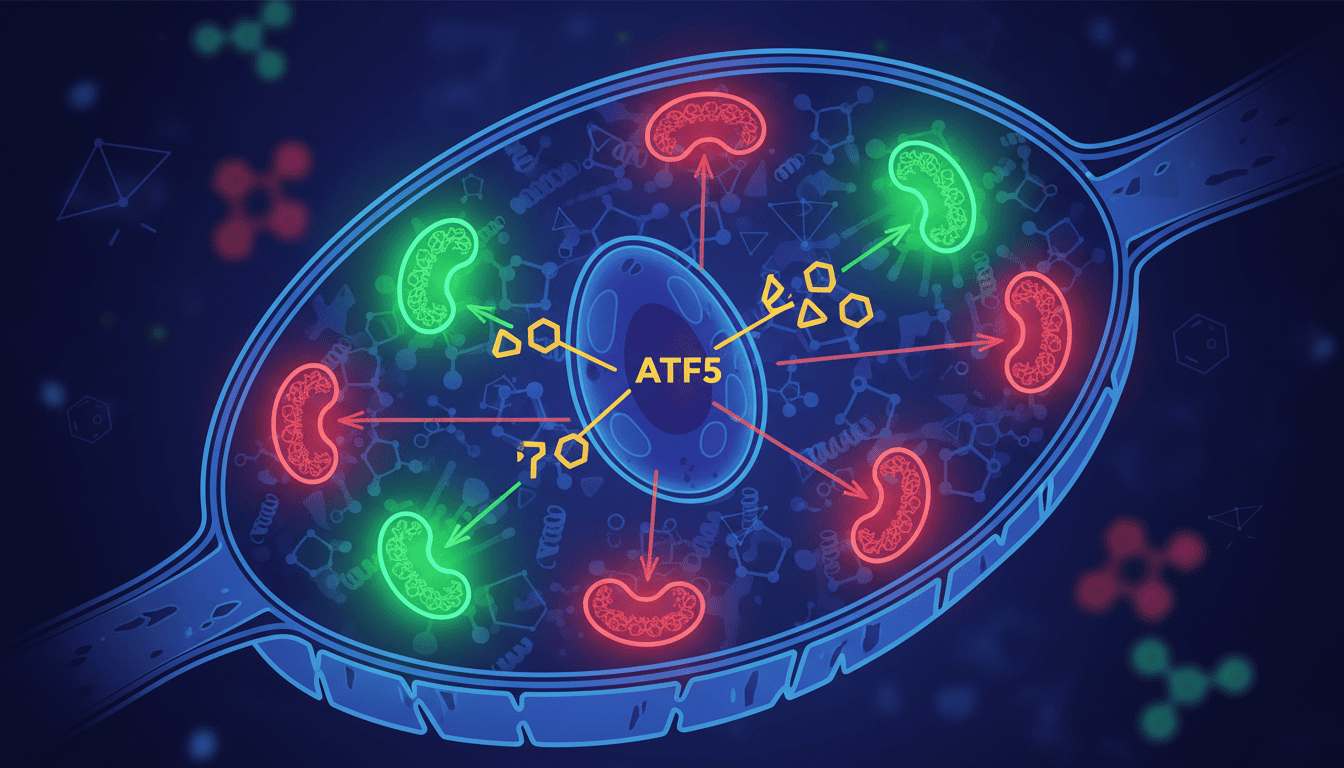
ATF5 protein acts as a molecular coordinator that helps maintain mitochondrial function in aging muscle tissue by activating protective genes when cellular energy factories show signs of distress. Research reveals this transcription factor becomes more active with age, suggesting it works as a compensatory mechanism to preserve muscle cell energy production over time.