Your cells convert beetroot nitrates into nitric oxide within minutes of you drinking beetroot juice. This simple molecule then triggers a cascade of cellular changes that researchers are still working to understand. What makes this particularly interesting is how nitric oxide interacts with the very systems designed to protect cells from oxidative damage.
What is nitric oxide signalling
Nitric oxide operates as one of the body’s most versatile signalling molecules. Unlike hormones that travel through the bloodstream, nitric oxide works locally, diffusing quickly through cell membranes to trigger responses in nearby cells. It has a short lifespan, lasting only seconds before breaking down.
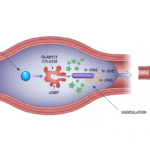
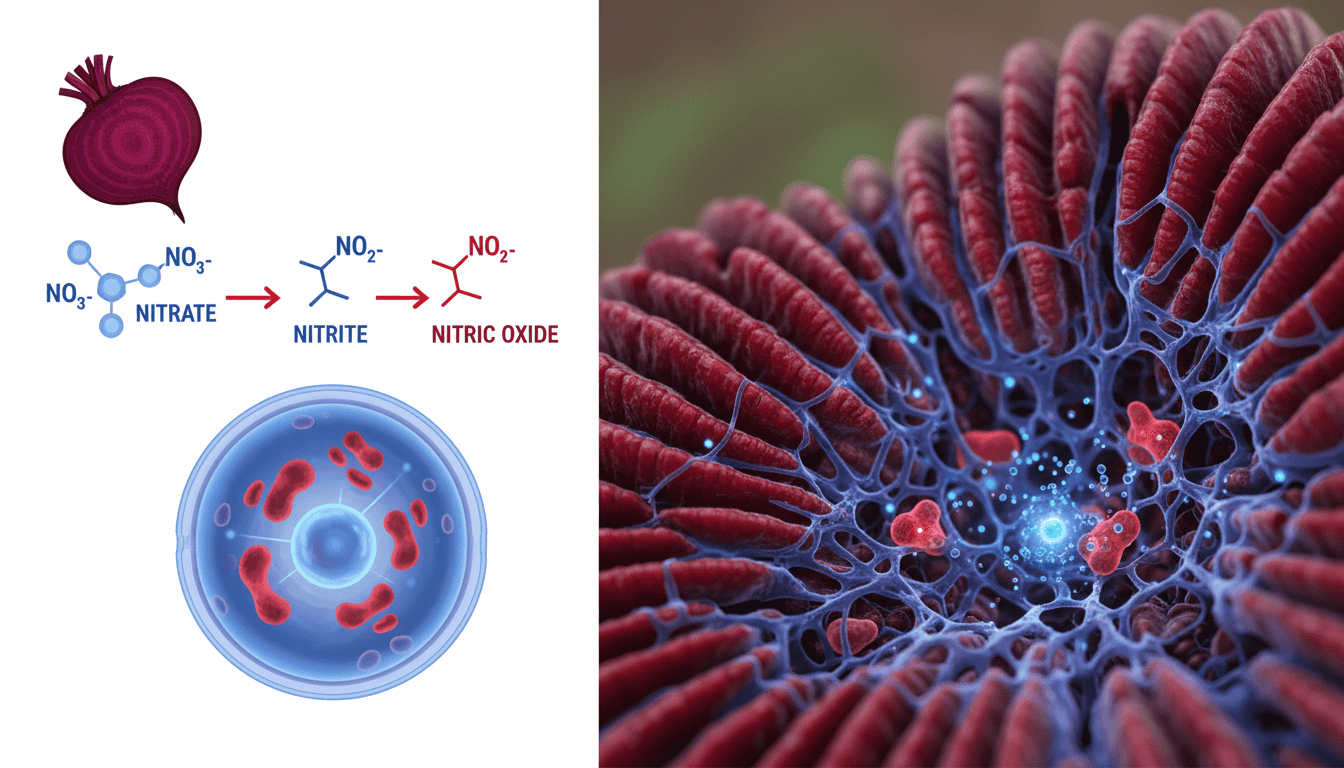
When you consume nitrate-rich foods like beetroot, bacteria in your mouth convert these nitrates to nitrites. Your stomach acid then transforms nitrites into nitric oxide, which enters your bloodstream and reaches cells throughout your body. This process becomes more efficient when oxygen levels drop, creating what researchers call the nitrate-nitrite-nitric oxide pathway.
The molecule works by activating specific enzymes and modifying proteins through a process called S-nitrosylation. Think of it as nitric oxide attaching temporary molecular tags to proteins, changing how they function. This mechanism allows nitric oxide to influence everything from blood flow to cellular energy production.
What the research shows
Studies reveal that nitric oxide from dietary sources creates measurable changes in cellular oxidative stress markers. Researchers have observed that beetroot consumption increases levels of antioxidant enzymes like superoxide dismutase and catalase within hours. These enzymes work as cellular cleanup crews, neutralising harmful reactive oxygen species.
Laboratory experiments show nitric oxide can both promote and reduce oxidative stress, depending on the cellular environment. In healthy cells with adequate antioxidant defences, nitric oxide typically enhances protective mechanisms. When antioxidant systems are overwhelmed, however, nitric oxide can contribute to oxidative damage by forming peroxynitrite, a potent oxidising compound.
Research has documented that people who drink beetroot juice show increased plasma nitrite levels for up to 24 hours, accompanied by changes in markers of nitrosative stress. The effects appear dose-dependent, with higher nitrate intake producing more pronounced cellular responses. Timing matters too, with peak nitric oxide production occurring 2-3 hours after beetroot consumption.
Why cells need this system
The nitrate-nitrite-nitric oxide pathway evolved as a backup system for times when the primary nitric oxide production method fails. Normally, cells produce nitric oxide using the enzyme nitric oxide synthase, which requires oxygen. During exercise, illness, or other stressful conditions when oxygen runs low, this backup pathway kicks in.
This evolutionary redundancy makes biological sense. Nitric oxide helps cells adapt to changing conditions by fine-tuning their oxidative stress responses. Rather than maintaining maximum antioxidant activity at all times, cells can adjust their defences based on current needs, conserving energy when threats are low.
The system also allows cells to communicate stress levels to neighbouring cells. When one cell experiences oxidative pressure, nitric oxide can signal nearby cells to prepare their own defences. This creates a coordinated tissue-level response to potential damage.
What affects nitric oxide production
Age significantly impacts how efficiently cells process dietary nitrates. Older adults show reduced conversion of nitrates to nitric oxide, partly due to changes in oral bacteria populations and stomach acid production. This decline may explain why some age-related cellular changes involve disrupted nitric oxide signalling.
Antibacterial mouthwash eliminates the oral bacteria necessary for converting nitrates to nitrites, effectively blocking the pathway. Research shows that using mouthwash before consuming beetroot juice prevents the typical rise in plasma nitrites. Even brushing teeth immediately before nitrate consumption can reduce the effect.
Physical fitness influences how cells respond to nitric oxide. Regular exercisers show enhanced sensitivity to dietary nitrates, with greater improvements in cellular antioxidant capacity. The opposite occurs with chronic inflammation, which can impair nitric oxide signalling and promote oxidative stress instead of reducing it.
Genetic variations affect individual responses too. People with certain variants of genes involved in nitric oxide metabolism show different baseline levels and different responses to dietary nitrates. These differences help explain why beetroot studies sometimes show varying results between participants.
What remains unknown
Scientists still debate the optimal timing and dosing of dietary nitrates for cellular benefits. Most research uses single doses or short-term supplementation, leaving questions about long-term effects unanswered. Whether continuous nitrate consumption maintains cellular benefits or leads to adaptation that reduces effectiveness remains unclear.
The interaction between nitric oxide and different cellular stress pathways needs more investigation. Researchers know that nitric oxide affects NRF2, SIRT1, and mTOR signalling, but the precise mechanisms and timing of these interactions remain murky. Understanding these pathways could reveal how to optimise cellular responses.
Individual variation in response represents another puzzle. Why do some people show dramatic improvements in oxidative stress markers while others show minimal changes? Factors beyond genetics likely play a role, but researchers haven’t identified all the relevant variables.
The connection between beetroot nitrates and cellular health illustrates how simple dietary compounds can trigger sophisticated biological responses. As scientists map these pathways more completely, they’re discovering that cellular stress management involves intricate networks of signalling molecules working together. The beetroot sitting in your kitchen contains precursors to one of biology’s most versatile cellular messengers, continuing to influence cellular function hours after consumption.

Matt Elliott is the editor of Redox News Today, an independent publication covering peer-reviewed research on cellular health, redox signalling, and related biomedical science.