Why Vitamin D Functions as a Hormone Rather Than a Traditional Vitamin

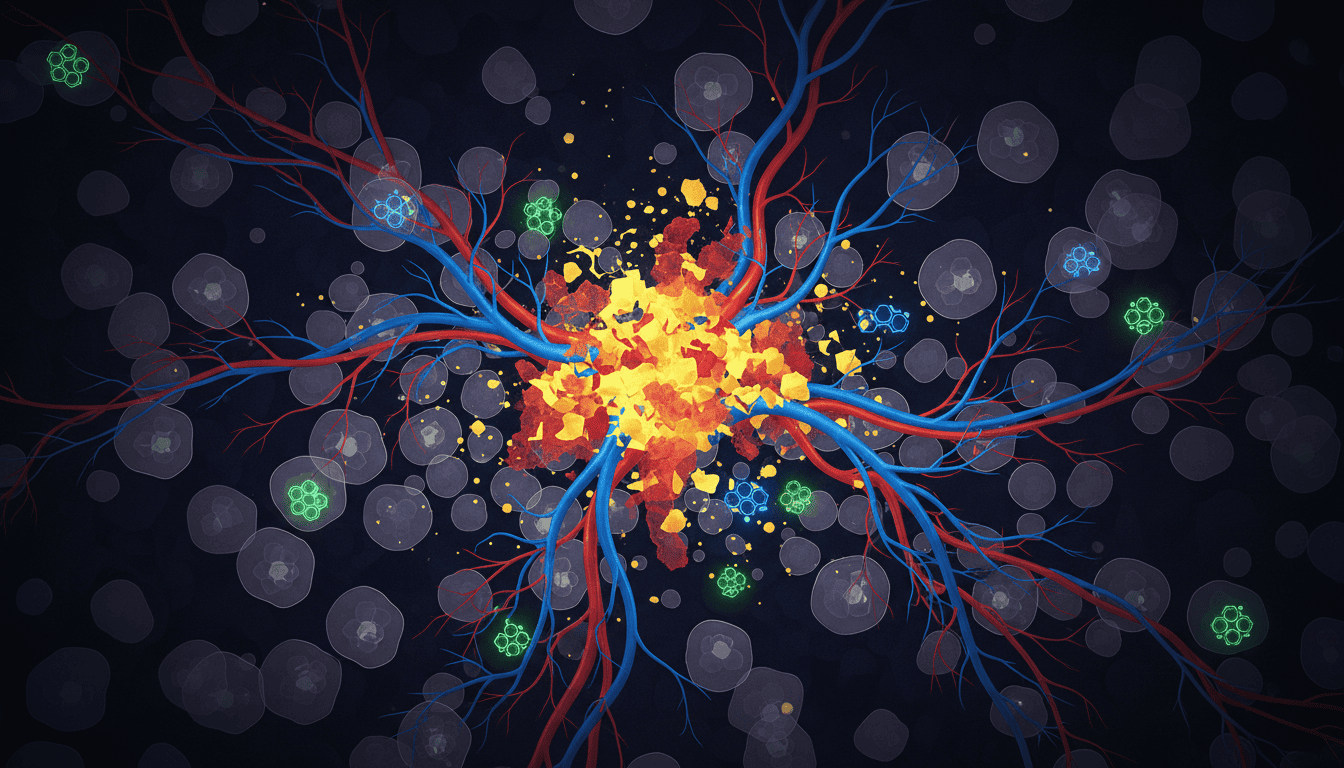
Featured image for Why Vitamin D Functions as a Hormone Rather Than a Traditional Vitamin

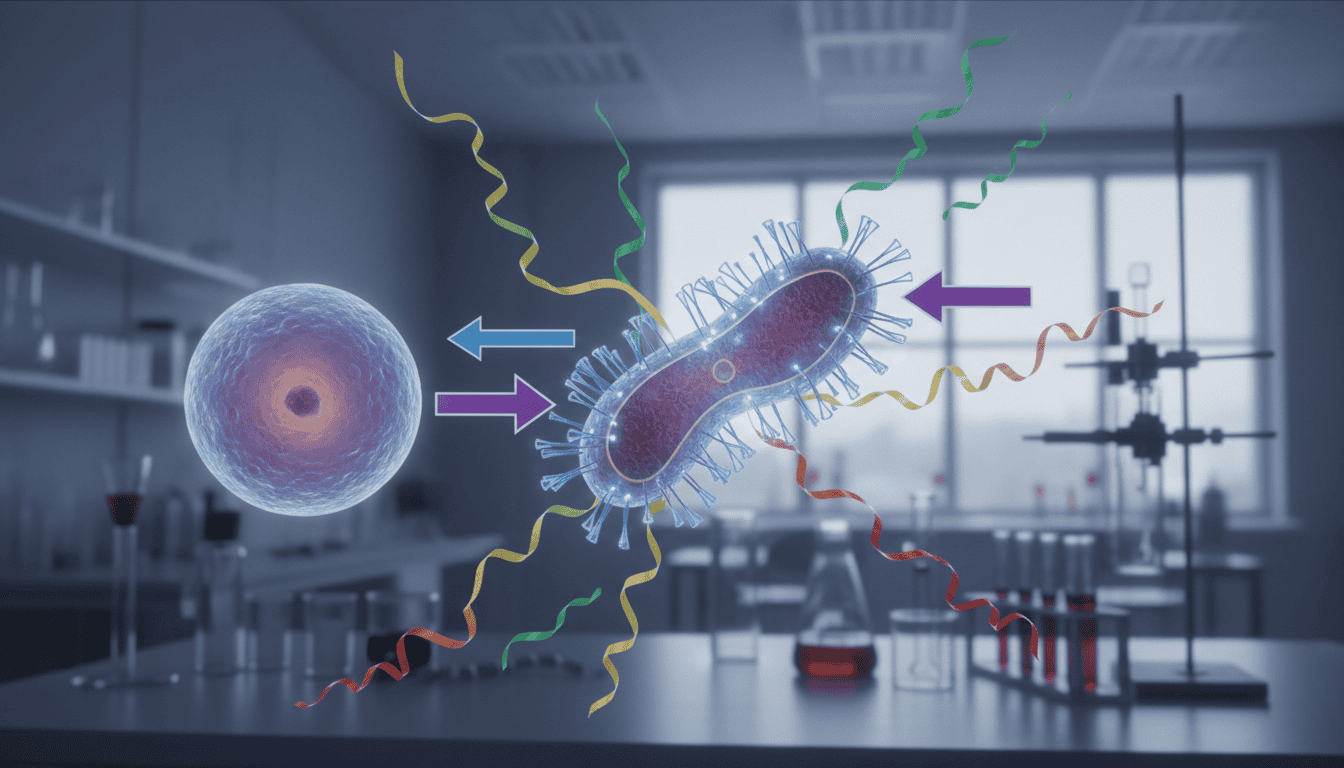
Vitamin D functions more like a steroid hormone than a traditional vitamin, directly regulating gene expression through nuclear receptors and participating in complex endocrine feedback mechanisms. Unlike conventional vitamins that serve as cofactors, vitamin D undergoes multi-organ transformation and influences hundreds of genes across diverse tissue types.

Zinc’s Critical Role in Immune Cell Communication Networks

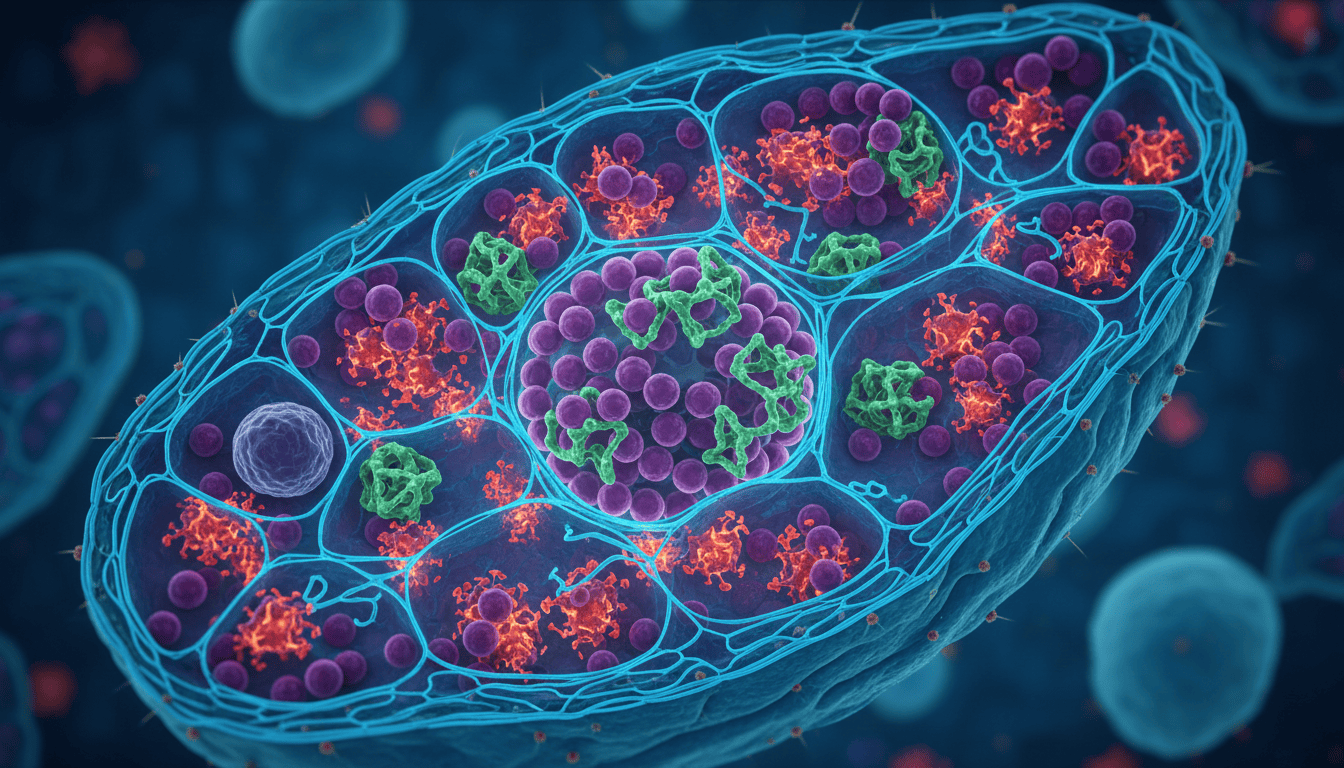
Featured image for Zinc's Critical Role in Immune Cell Communication Networks

Zinc functions as a sophisticated signalling molecule within immune cells, orchestrating communication pathways that determine how effectively our bodies respond to pathogens. This essential trace element influences everything from threat recognition to coordinated immune responses, making it fundamental to cellular defence systems.

Swimming and Redox Balance: What the Research Shows

Featured image for Swimming and Redox Balance: What the Research Shows

Swimming creates unique physiological conditions that influence cellular redox signalling in ways distinct from land-based exercise. Research reveals that aquatic training promotes specific antioxidant adaptations while generating different oxidative stress patterns compared to other forms of physical activity.

How Yoga and Stretching Affect Cellular Stress Responses

Featured image for How Yoga and Stretching Affect Cellular Stress Responses

New research reveals how yoga and stretching create distinct cellular stress responses that differ markedly from vigorous exercise, activating beneficial adaptation mechanisms through mechanotransduction and gentle inflammatory signalling. These practices promote cellular resilience through sustained, moderate stress signals that enhance antioxidant systems and tissue recovery without overwhelming cellular defence mechanisms.