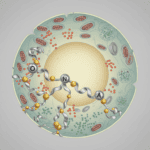

Your pancreas doesn’t care about the periodic table. But cadmium, lead, and mercury do. When these metals accumulate in your body, they set off a chain reaction that damages the very cells responsible for keeping your blood sugar stable. The mechanism is elegant and brutal: heavy metals trigger oxidative stress, flooding cells with reactive molecules that overwhelm their defence systems and cripple glucose regulation.
What is oxidative stress in glucose metabolism
Oxidative stress happens when cells produce reactive oxygen species (ROS) faster than they can neutralise them. Think of ROS as tiny chemical grenades. Your mitochondria generate them constantly during normal energy production, but specialised enzymes keep them in check. Cells that manage blood glucose, particularly pancreatic beta cells and muscle cells, are especially vulnerable to this imbalance.
Here’s why glucose regulation matters at the oxidative level. When your pancreas detects blood sugar rising, beta cells burn glucose to generate energy signals. This metabolic activity creates ROS as a byproduct. Under normal conditions, antioxidant defences like superoxide dismutase and catalase mop up these molecules before they cause damage. But heavy metals poison these enzymes. Cadmium binds to sulphur groups in protective proteins, dismantling their structure. Lead interferes with calcium signalling that triggers insulin secretion. Mercury attacks the very antioxidant systems that should be controlling ROS.
The result is a metabolic trap. Oxidative stress damages the mitochondria that beta cells need to sense glucose. It corrupts the signalling pathways that tell cells when to release insulin. It creates inflammation that makes muscle cells ignore insulin signals altogether. Blood sugar spirals out of control not because the pancreas has failed, but because oxidative stress has poisoned the machinery.
What the research shows
Studies measuring heavy metal exposure and glucose metabolism reveal a consistent pattern. People with elevated cadmium levels show altered insulin secretion and reduced insulin sensitivity. The association holds across different populations and age groups. Cadmium exposure correlates with fasting glucose levels, with some research indicating that cumulative exposure over years predicts later metabolic dysfunction.
Lead presents a similar picture. Workers with occupational lead exposure demonstrate impaired fasting glucose and higher rates of glucose intolerance. Animal studies show that lead directly damages pancreatic beta cells by increasing oxidative stress. The metal accumulates in bone over decades, creating a reservoir that slowly poisons glucose regulation as it re-enters the bloodstream.
Mercury’s effects are particularly well documented in mercury-exposed populations, where researchers observe elevated fasting glucose, altered insulin responses, and increased markers of oxidative stress in blood samples. The mechanism appears to involve both direct damage to beta cells and systemic inflammation that reduces insulin sensitivity in peripheral tissues.
What makes these findings compelling is the dose response. Higher exposures correlate with worse outcomes. Biomarker studies show that individuals with heavy metal accumulation display elevated oxidative stress markers, reduced antioxidant capacity, and impaired glucose tolerance markers. These aren’t subtle shifts. We’re talking about measurable changes in cells’ ability to regulate glucose.
Why cells need this protection
Evolution has favoured organisms that maintain precise blood glucose control. Your brain consumes about 20 per cent of your body’s energy and runs almost exclusively on glucose. Fluctuations threaten neural function. Pancreatic beta cells evolved a sophisticated system to sense glucose and respond with insulin release. This system demands antioxidant capacity.
Beta cells sit at the metabolic crossroads. They generate enormous amounts of ATP to power glucose sensing and insulin secretion. This constant energy production floods mitochondria with ROS. Beta cells therefore rely heavily on antioxidant systems. They express high levels of protective enzymes that other cell types don’t need in such abundance. When heavy metals disable these defences, beta cells lose their biggest advantage.
Muscle and liver cells that respond to insulin face a different oxidative challenge. Insulin signalling triggers rapid glucose uptake and metabolism. This metabolic acceleration generates ROS. Antioxidant defences keep these reactive molecules from damaging the insulin receptor and downstream signalling proteins. Heavy metals that trigger oxidative stress essentially jam the lock on insulin’s key. The hormone floats past receptors it should be activating.
What affects heavy metal accumulation and its effects
Exposure pathways matter enormously. Occupational exposure delivers chronic, high-level doses. Cadmium accumulates in kidneys and liver over decades in workers handling batteries, pigments, and alloys. Dietary exposure through contaminated grains, shellfish, and leafy vegetables provides continuous low-level intake. Smoking dramatically increases cadmium absorption. Lead exposure varies by age and geography, with older housing, contaminated water systems, and industrial proximity creating exposure hotspots.
Individual antioxidant capacity influences how severely oxidative stress develops. People with genetic variations affecting glutathione synthesis or antioxidant enzyme expression may be more vulnerable to the same metal exposure. Nutritional status compounds this. Adequate selenium, zinc, and vitamins C and E support antioxidant defences. Deficiency worsens the damage when heavy metals arrive.
Age affects both accumulation and susceptibility. Heavy metals accumulate over lifetimes. A 20-year-old with cadmium exposure hasn’t yet developed the tissue burden of a 60-year-old. But ageing itself dampens antioxidant defences. The same metal exposure may trigger worse glucose dysregulation in older individuals whose cells are already running leaner on protective resources.
What remains unknown
The precise threshold where heavy metal accumulation triggers measurable glucose dysregulation remains fuzzy. We know associations exist, but we can’t yet reliably predict which individuals will develop dysfunction at what exposure level. Genetic susceptibility likely plays a role, but which variants matter most? The field doesn’t have consensus.
We also don’t fully understand the reversibility question. If someone reduces heavy metal exposure, do antioxidant defences recover? Can beta cells repair themselves? Some preliminary evidence suggests partial recovery is possible, but long-term follow-up studies tracking individuals after exposure reduction remain sparse.
The interaction between multiple heavy metals is largely unexplored. Most people don’t encounter cadmium alone. They carry background exposure to lead, mercury, and other metals simultaneously. How these interact to amplify oxidative stress is a genuine gap in our understanding. Single-metal exposure models might underestimate real-world effects.
Finally, the link between heavy metal triggered oxidative stress and long-term metabolic disease needs more granular characterisation. We see correlations between exposure and glucose intolerance. We understand the cellular mechanisms. But predicting who develops clinical metabolic disease remains uncertain.
Heavy metal toxicity in glucose regulation reveals something fundamental about cellular biology. Your cells maintain their function through carefully balanced chemistry. Introduce reactive molecules that poison antioxidant defences, and the whole system destabilises. The research on heavy metals and glycaemic control is ultimately about understanding how vulnerable cells are to environmental disruption, and how much metabolic resilience depends on maintaining those protective barriers.

Matt Elliott is the editor of Redox News Today, an independent publication covering peer-reviewed research on cellular health, redox signalling, and related biomedical science.